
DR. C REVIEWS MAJOR HEALTH AND TELEMEDICAL NEWS FOR THE WEEK ENDING OCTOBER 11, 2020.
COMMENTARY:
THERMOREGULATION, preservation of the normal body temperature, is well developed in humans, and monitoring the body temperature has been useful since the development of thermometers.
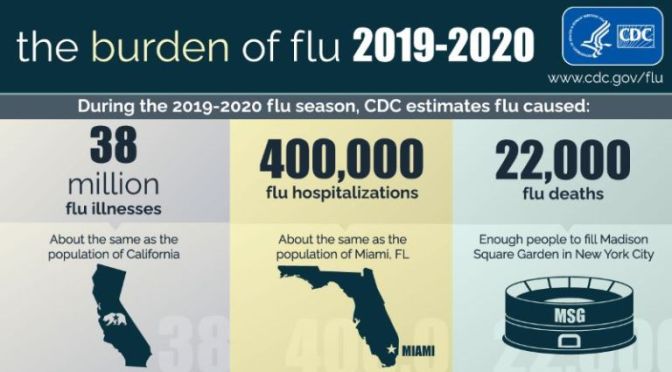
Indirect measurement by Infrared detectors is being widely used today to detect FEVER as a sign of Covid in gatherings such as schools. Reactive increase of body temperature in a cool environment is a body defense mechanism that I have discussed earlier. Contrary to general practice, Fever, in my opinion, should be left untreated unless excessive, such as above 103 degrees F., or even 104 degrees.
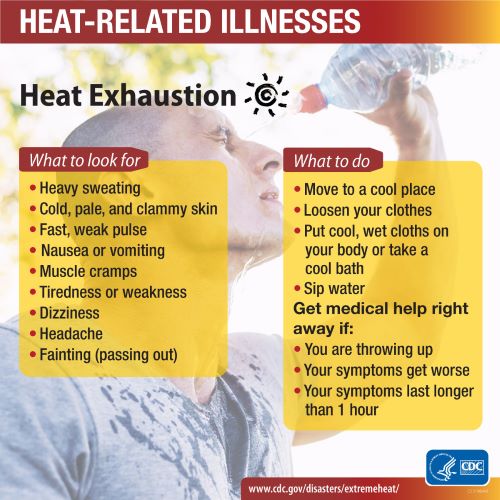
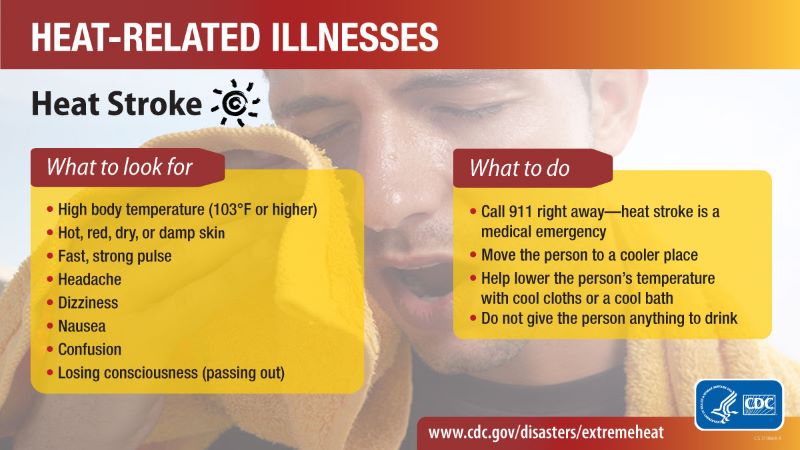
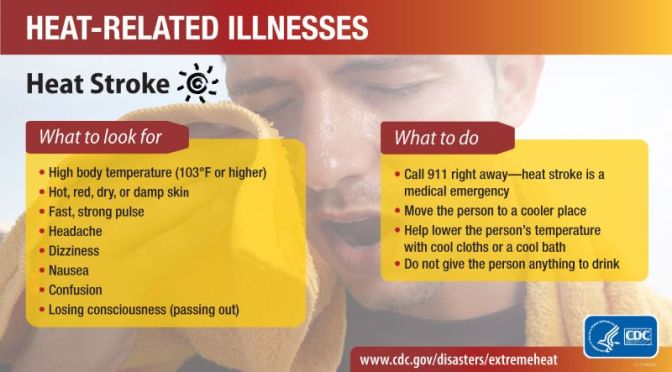
Excessive environmental temperature, such as in a closed car, Jacuzzi, or heat wave can defeat the body’s ability to defend the normal temperature. Children, with their high body surface to mass ratio, are particularly at risk, as periodic newspaper articles testify. HEAT STROKE is the most serious of heat-related illnesses, leading to high and increasing body temperature, mental symptoms, even convulsions, and is a MEDICAL EMERGENCY.
The treatment is to call 911, and to lower the body temperature by removing insulating clothing, and immersing in cold water. There are a variety of other conditions based on excessive exertion, water or salt loss.
These include HEAT EXHAUSTION. Older Workers are particularly susceptible, and medical clinic attention may be needed for fluid and electrolyte replacement. MUSCLE CRAMPS and even damage( Rhabdomyolysis), FAINTING (this has been discussed before) and Heat Rash can result from too hot an environment. Furry Animals Pant instinctively to get their highly vascular Tongue to “air condition” their bodies. Humans should dress and exercise appropriately when the environment requires it.
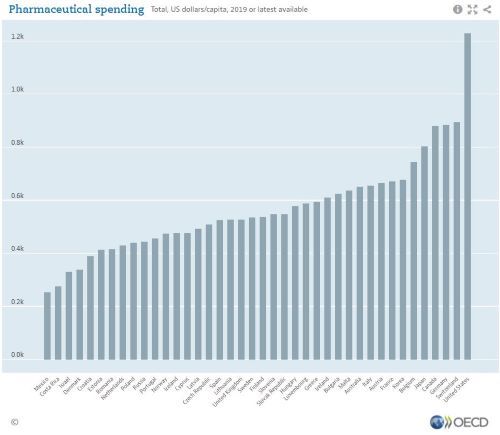
There may be few issues that unite Americans ahead of the 2020 election as do their concerns about the cost of prescription drugs.

A clear majority — 75% — of respondents to a July survey said the cost of prescription medicines would be among the factors likely to influence their votes this year, according to a report from Gallup and the nonprofit West Health. Gallup reported on results from 1,007 interviews conducted with adults between July 1 and July 24.
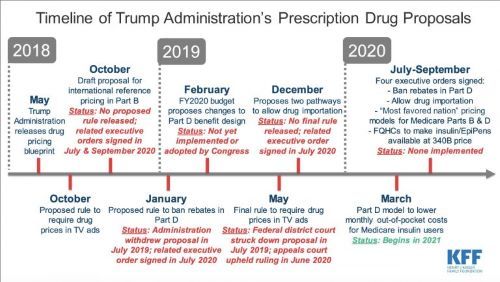
Both President Donald Trump, a Republican, and former Vice President Joe Biden, a Democrat, have highlighted insulin costs in their discussions of the need to lower drug prices.
In a January interview with the New York Times editorial board, Biden noted the widespread discontent among Americans about sticker shock often experienced at pharmacies. He spoke of a need for the federal government to act to make medicines more affordable.
“This is a place where I find, whether you’re Republican or Democrat, you think you’re getting screwed on drug prices. And you are, in terms of everything from insulin to inhalers and a whole range of other things,” Biden said. “So, again, can I guarantee that it gets done? No, but I can tell you what, if anybody can get it done, I can, and I think there’s a consensus for it.”
Congress has taken different approaches in designing the terms under which the two largest federal health programs, Medicaid and Medicare, buy drugs.
Medicaid is a program run by states with federal contributions and oversight. It covers people with low incomes and disabilities. Almost 67 million people were enrolled in Medicaid as of May 2020, including about 29 million children. In 1990 Congress decided that drugmakers who want to have their products covered by Medicaid must give rebates to the government. The initial rebate is equal to 23.1% of the average manufacturer price (AMP) for most drugs, or the AMP minus the best price provided to most other private-sector payers, whichever is greater. An additional rebate kicks in when prices rise faster than general inflation.
There’s widespread frustration among lawmakers and policy analysts about the lack of clarity about the role of middlemen in the supply chain for medicines. Known as pharmacy benefit managers (PBMs), these businesses describe the aim of their business as making drugs more affordable for consumers. Insurers like Cigna and UnitedHealth operate some of the nation’s largest PBMs, as does pharmacy giant CVS Health, which also owns insurer Aetna.
“They will tell you their mission is to lower drug costs,” said Rep. Earl L. “Buddy” Carter, a Georgia Republican, a pharmacist and a critic of PBMs, in a speech on the House floor last year. “My question to you would be: How is that working out?”
Kesselheim also has written on what he terms “Specialty Drugs — A Distinctly American Phenomenon.” That’s the title of a 2020 paper in the New England Journal of Medicine Kesselheim authored with Huseyin Naci, an associate professor of health policy at the London School of Economics.
In this Perspective article, Kesselheim and Naci look at how the “specialty” designation morphed from its origin in the 1970s. It then referred to a need for extra steps for preparation and delivery of new injectable and infusion products.
The median cost for a medicine developed in recent years was $985 million, according to a study published in JAMA in March 2020, “Estimated Research and Development Investment Needed to Bring a New Medicine to Market, 2009-2018.”
“Rising drug prices have attracted public debate in the United States and abroad on fairness of drug pricing and revenues,” write the study’s authors: Olivier J. Wouters of the London School of Economics; Martin McKee of the London School of Hygiene and Tropical Medicine; and Jeroen Luyten of Leuven Institute for Healthcare Policy, KU Leuven, Belgium. “Central to this debate is the scale of research and development investment by companies that is required to bring new medicines to market.”
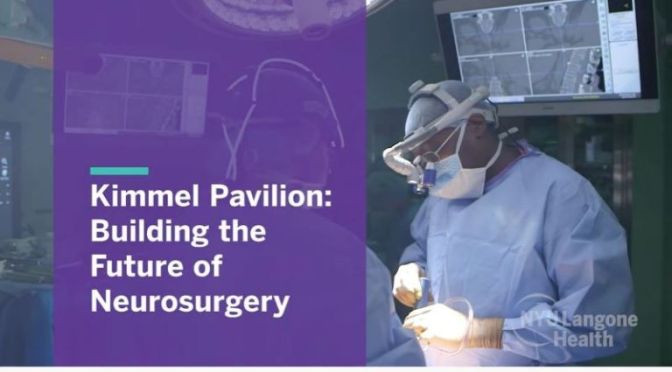
NYU Langone’s Kimmel Pavilion is home to the region’s newest and most technologically sophisticated neurosurgery suite. Designed to optimize patient care, our facilities are just one reason U.S. News & World Report’s “Best Hospitals” ranks NYU Langone among the top 10 hospitals in the country for neurology and neurosurgery.
Learn more about neurosurgery at NYU Langone and meet our renowned surgeons: https://nyulangone.org/locations/neur…
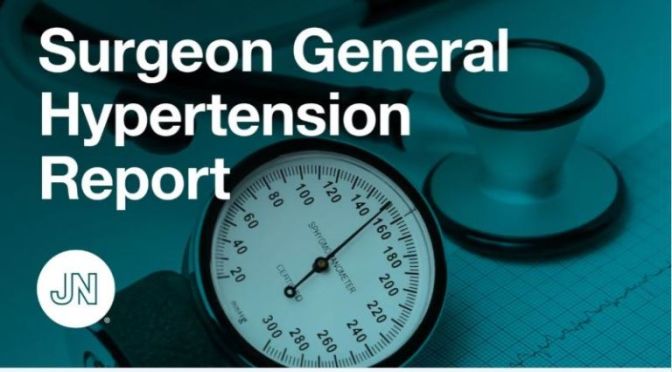
The US Surgeon General’s office has released a report emphasizing the importance of making hypertension control a national public health priority. Vice Admiral Jerome Adams, MD, MPH, the 20th US Surgeon General, discusses the report’s background and recommendations.
Recorded October 7, 2020.
Red hair and freckles are associated with MCR-1 gene variants, and large areas of skin with lowered melanin protection against the adverse effects of the sun. I have red hair and freckles, for which I was teased. My response was that I had a lot of Iron in my blood, and that the freckles were Rust. This is ironic (no pun intended).

Since becoming an Octogenarian, I have had trouble keeping my Iron levels normal. I live in a beach area, where all the young ladies are sunning themselves to promote the socially desirable “bronze goddess” effect, and all of the older ladies hide their leathery skin and wear broad-brimmed hats.
The sun has a good reputation as a health-giver. Being outside does correlate with a lot of beneficial effects, such as enhancing production of Vitamin D. My recommendation, however biased, is to get your Vitamin D in capsule form, and reduce sun exposure.
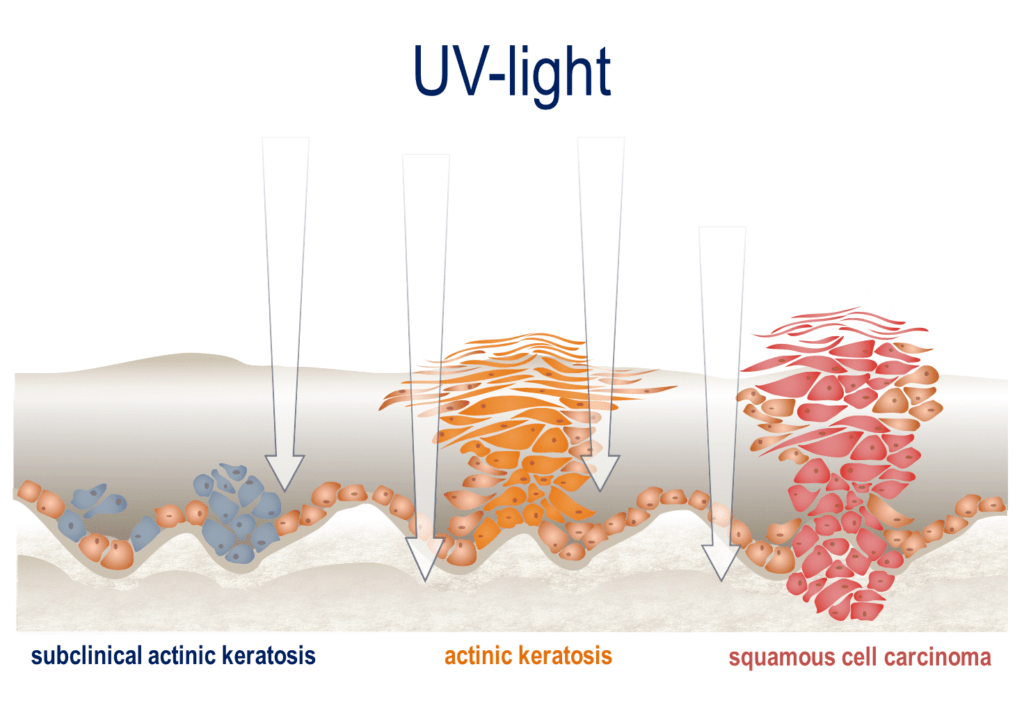
SUNSHINE, however salutary, is accompanied by invisible, high energy photons capable of breaking DNA strands, and ultimately causing SKIN CANCER. Not accidentally,Visible light has insufficient energy to break bonds, although the rhodopsin in rods and cones do release electrons if stimulated by light.
Actinic Keratoses are the roughened plaques of skin, often on the face, which have a small but definite risk of turning into Cancer. I have a dermatology check every 6 months for precancerous areas to be frozen and destroyed by CO2 spray.
PREVENTION of UV Skin damage is advisable. I wear a broad brimmed hat and UV-blocking sunglasses (UV can promote cataracts and retinal damage as well) when outside in the sun. When swimming I wear a “rashguard” shirt with UV protection in the fabric.
Also, I try to limit my exposure to the Evening and Morning sun, because the light is warmer, and contains less UV. Even with these precautions, I use Sunscreen creams and lotions. I always wondered how a transparent lotion can block UV light.
The explanation lies in the chemicals contained. Such chemicals as Avobenzone and Homosalicylate actually absorb the energy of UV light. Protect yourself now for later health.
The Johns Hopkins Musculoskeletal Center aims to streamline and improve access for diagnosis and treatment of conditions affecting muscles, bones and connective tissues. Each of the center’s locations feature a diverse group of physicians, therapists, and advanced practitioners who work together to bring you the right treatment at the right time.




 Doctors Without Waiting Rooms