HEALTHCARE: TOP DIGITAL TECHNOLOGY TRENDS (2020)

From MD+DI (June 17, 2020):

MD+DI Logo

Remote-care solutions like telehealth and wearable devices are included in the new approach that healthcare professionals will be embracing as they position their businesses to best serve patients in a COVID-19 world. Digital healthcare product solutions address critical issues for the remote delivery of care or the “hospital at home” that have been resonating long before we began looking at all our interactions through a social-distancing lens.

Wearables and On-Body Devices – Real-time data collection and communication are critical to digital health initiatives. More than half of survey respondents—52%—said they are currently developing or planning to develop wearable or on-body devices as part of their strategy. Another 33% said the same for patient-monitoring solutions.
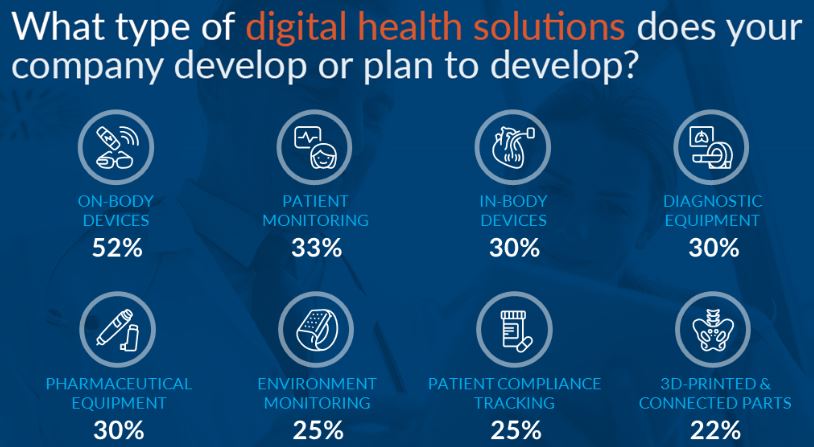
Miniaturization, flexible circuitry, and biometric capturing sensors are leading to exciting new devices that will help patients in recovery or with chronic issues. The data communicated from these solutions will equip healthcare providers and patients with the data that can transform healthcare.

Seamless technology integration – A range of emerging technologies, including artificial intelligence (AI), 5G, cloud-based applications, and a growing roster of IoMT devices. 

More than nine in 10 healthcare solution providers agree that the collection and purposing of data should be standardized to enable interoperability between devices and within product platforms, according to the survey.
2020 Digital Health Technology Trends survey

Read more

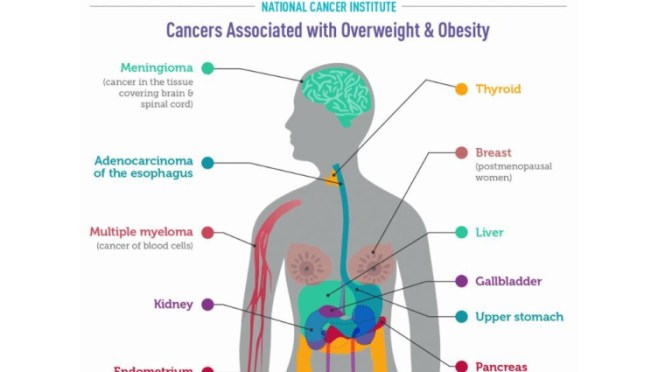
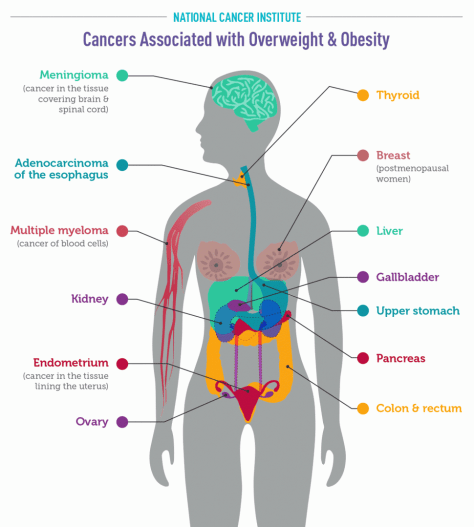
INFOGRAPHIC: A LOOK AT “CANCERS ASSOCIATED WITH OVERWEIGHT & OBESITY

There is consistent evidence that higher amounts of body fat are associated with increased risks of a number of cancers (6), including:

  • Endometrial cancer: Obese and overweight women are two to about four times as likely as normal-weight women to develop endometrial cancer (cancer of the lining of the uterus), and extremely obese women are about seven times as likely to develop the more common of the two main types of this cancer (7). The risk of endometrial cancer increases with increasing weight gain in adulthood, particularly among women who have never used menopausal hormone therapy (8).
  • Esophageal adenocarcinoma: People who are overweight or obese are about twice as likely as normal-weight people to develop a type of esophageal cancer called esophageal adenocarcinoma, and people who are extremely obese are more than four times as likely (9).
  • Gastric cardia cancer: People who are obese are nearly twice as likely as normal-weight people to develop cancer in the upper part of the stomach, that is, the part that is closest to the esophagus (10).
  • Liver cancer: People who are overweight or obese are up to twice as likely as normal-weight people to develop liver cancer. The association between overweight/obesity and liver cancer is stronger in men than women (1112).
  • Kidney cancer: People who are overweight or obese are nearly twice as likely as normal-weight people to develop renal cell cancer, the most common form of kidney cancer (13). The association of renal cell cancer with obesity is independent of its association with high blood pressure, a known risk factor for kidney cancer (14).
  • Multiple myeloma: Compared with normal-weight individuals, overweight and obese individuals have a slight (10% to 20%) increase in the risk of developing multiple myeloma (15).
  • Meningioma: The risk of this slow-growing brain tumor that arises in the membranes surrounding the brain and the spinal cord is increased by about 50% in people who are obese and about 20% in people who are overweight (16).
  • Pancreatic cancer: People who are overweight or obese are about 1.5 times as likely to develop pancreatic cancer as normal-weight people (17).
  • Colorectal cancer: People who are obese are slightly (about 30%) more likely to develop colorectal cancer than normal-weight people (18).A higher BMI is associated with increased risks of colon and rectal cancers in both men and in women, but the increases are higher in men than in women (18).
  • Gallbladder cancer: Compared with normal-weight people, people who are overweight have a slight (about 20%) increase in risk of gallbladder cancer, and people who are obese have a 60% increase in risk of gallbladder cancer (1920). The risk increase is greater in women than men.
  • Breast cancer: Many studies have shown that, in postmenopausal women, a higher BMI is associated with a modest increase in risk of breast cancer. For example, a 5-unit increase in BMI is associated with a 12% increase in risk (21). Among postmenopausal women, those who are obese have a 20% to 40% increase in risk of developing breast cancer compared with normal-weight women (22). The higher risks are seen mainly in women who have never used menopausal hormone therapy and for tumors that express hormone receptors. Obesity is also a risk factor for breast cancer in men (23).In premenopausal women, by contrast, overweight and obesity have been found to be associated with a 20% decreased risk of breast tumors that express hormone receptors (22).
  • Ovarian cancer: Higher BMI is associated with a slight increase in the risk of ovarian cancer, particularly in women who have never used menopausal hormone therapy (24). For example, a 5-unit increase in BMI is associated with a 10% increase in risk among women who have never used menopausal hormone therapy (24).
  • Thyroid cancer: Higher BMI (specifically, a 5-unit increase in BMI) is associated with a slight (10%) increase in the risk of thyroid cancer (25).

Website

COMMENTARY

Obesity increases the incidence of cancer, and complicates its treatment.
A healthy life style.,’including good sleep, diet and exercise, should prevent obesity in all but extreme genetic aberrations.

It is better to prevent problems than to grapple with them.
Stay healthy!

—Dr. C.

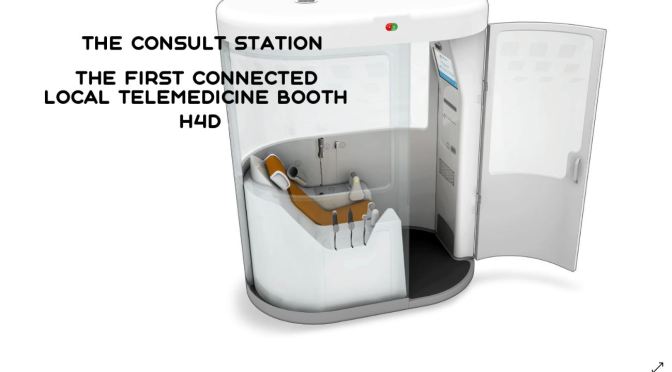
TECHNOLOGY: H4D “CONSULT STATION” – 1ST CONNECTED LOCAL TELEMEDICINE BOOTH

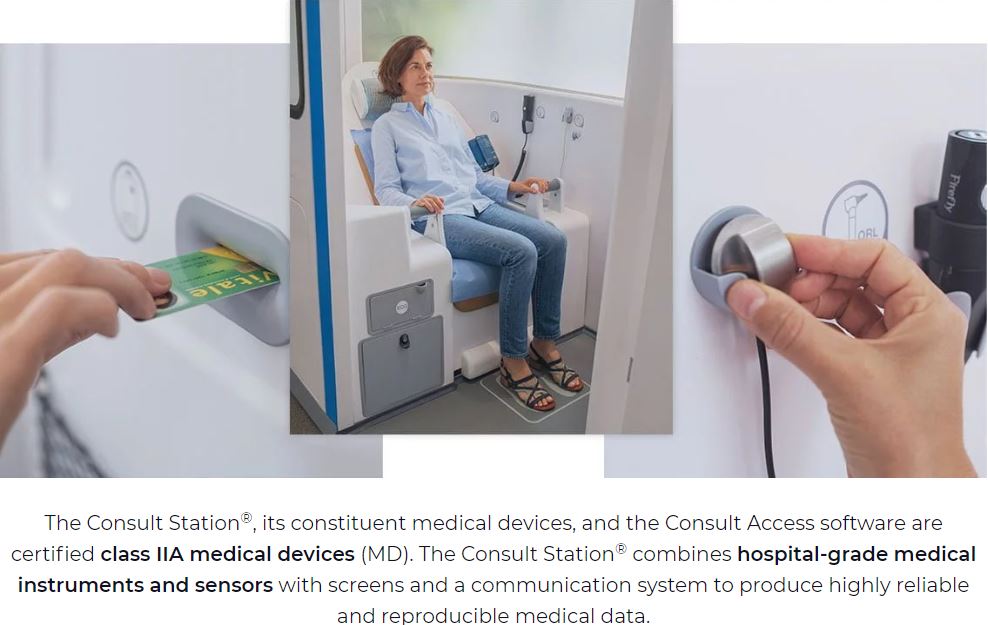
H4D facilitates access to healthcare by allowing patients to consult a doctor remotely in the Consult Station®, the first connected local telemedicine booth. This medical device allows quality healthcare to be delivered for primary care, occupational health, and general health promotion.

Website

COMMENTARY

CONVENIENCE, SIMPLICITY, and SAFETY area all goals of TECHNOLOGY going forward.

The “hands-free” check-in for hospitals and hotels are convenient and safety, but require a certain level of familiarity with technology, and may be Hard for the elderly to use. I think about the airport check-in kiosks, and store check-out points. The solution is to have “helpers” stationed by to assist.

The Telemedicine booth, with devices for examination of the ears, nose, and throat, a stethoscope probe for the lungs, payment port, video camera, etc certainly offers convenience, but may need helpers for guidance, and to clean after every use.

I’m betting on a super I Phone in all areas, although cost and band width improvement will be needed.

—Dr. C

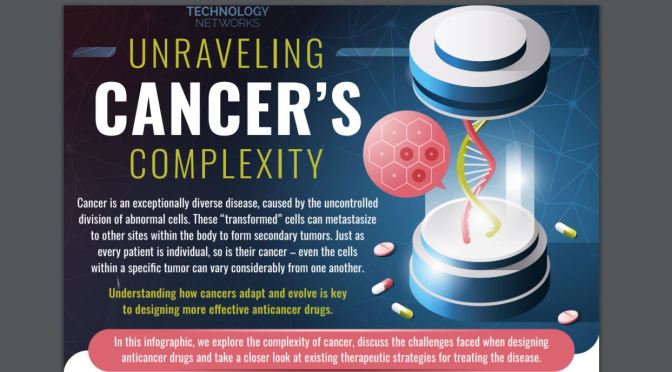
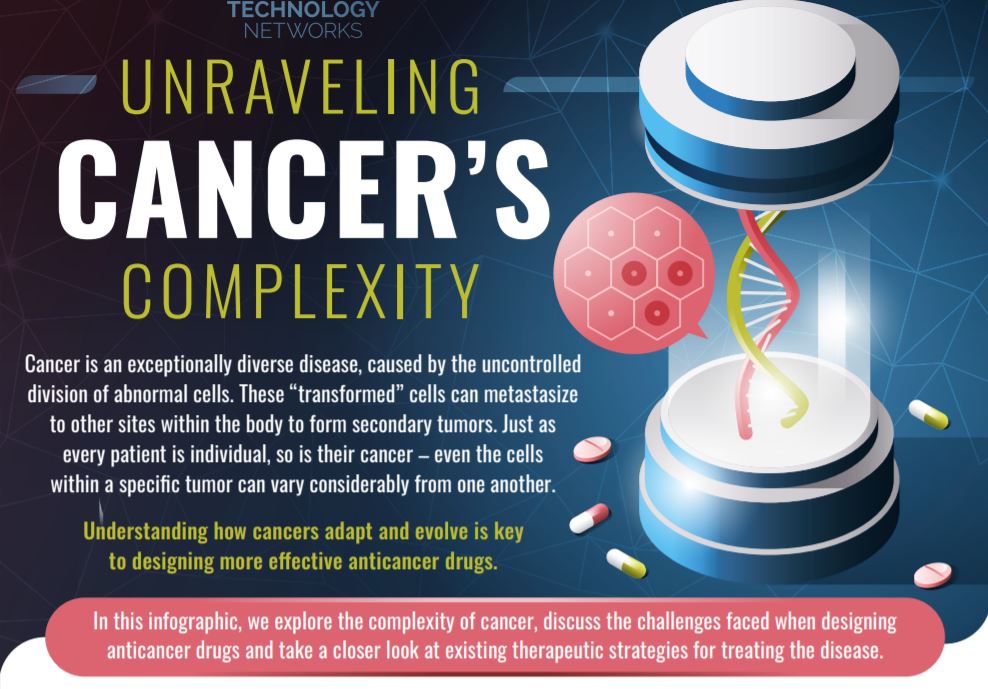
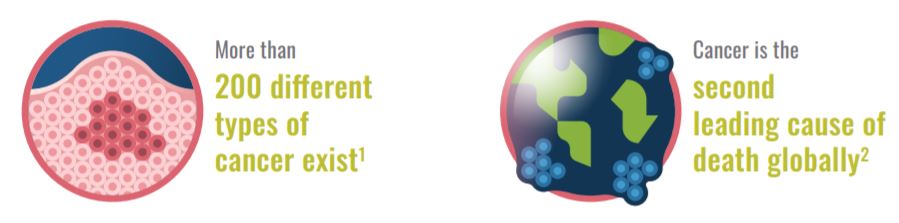
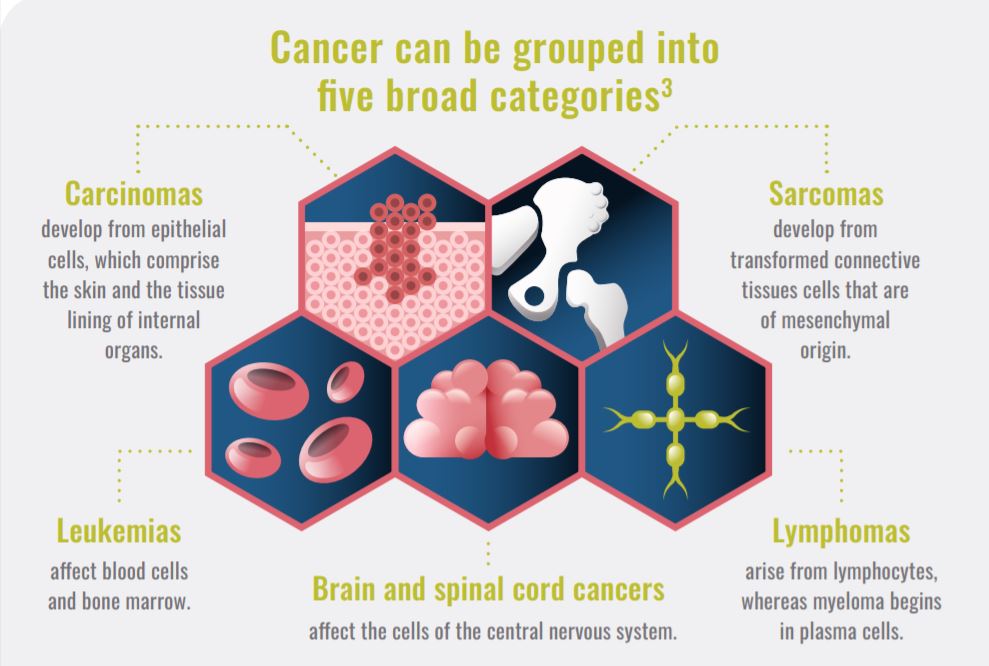
INFOGRAPHIC: A LOOK INTO “CANCER’S COMPLEXITY”

Technology Networks Cancer Drug Discovery-page-0

COMMENTARY

This infographic is a high-level discussion of cancer, with plenty of information to keep a Physicians’ interest.

The Human Body is a complex Community of individual cells that normally work together with admirable Harmony. Each individual cell is supplied with all its’ wants, and vigorously does its’ part for the Body.

Occasionally a ROGUE CELL escapes constraints and GOES ITS’ OWN WAY.

This has been happening from the beginning of multicellular life, and these MISCREANTS have EVOLVED to preserve themselves and have an amazing bag of TRICKS.

They are Very resourceful just like VIRUSES, which can also cause CANCER.

These twin threats give modern medical technology about all it can handle, and more.

PREVENTATIVE care offers a remedy.

Prevention is not at all complex, but of course requires thought, energy and planning. Prevention is difficult to square up with the easy, effortless, intuitive  life we yearn for.

Do you have the resolve to give SLEEP, DIET and EXERCISE a chance?

–DR. C

TELEHEALTH CARE: PATIENTS CAN EXPECT EXPANDED “CONTACTLESS EXPERIENCES”

From Healthcare IT News (June 12, 2020):

Technology-enabled workflows now enable patients to complete most of the registration formalities prior to the visit, be it a virtual consult or a clinic visit. Registration kiosks in hospital lobbies may soon be enabled with facial recognition software to eliminate the need for touching any surface.

Routine examinations are also going virtual, with many diagnostic procedures now possible through remotely controlled devices. Caregivers are beginning to do their patient rounds through virtual visits. This trend will only grow in the coming years.

A vast and growing array of automated communication tools allows caregivers to use rule-based messaging to push everything from health coaching, post-discharge care instructions, and appointment reminders through IVR, text, SMS, and mobile alerts.

Read full article

MENTAL HEALTH: SOME THOUGHTS ON DIAGNOSING AND TREATING “DEPRESSION”

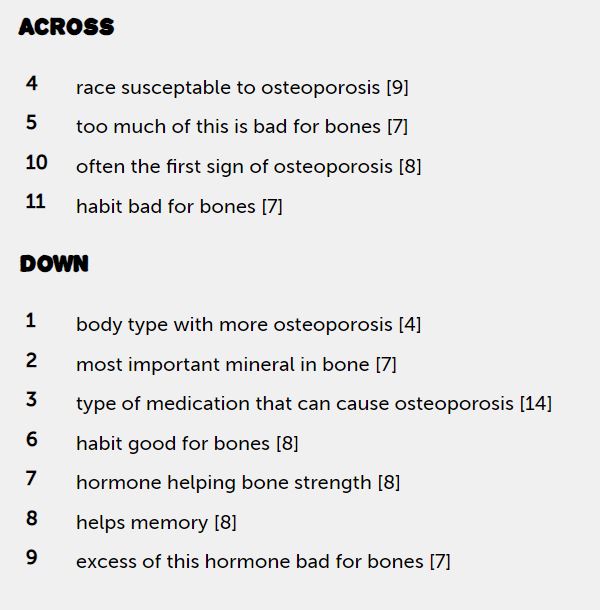
I recently posted a discussion on osteoporosis that was based on a MNEMONIC, using the word itself as the basis of exploring the Risk factors Evidence that you have Osteoporosis is hidden, and are discovered by Dexascan, or when you suddenly have a major fracture.

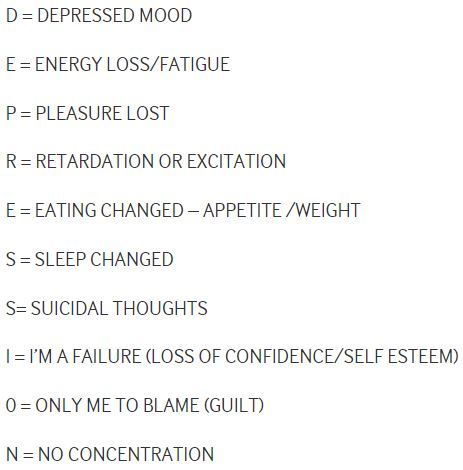
DEPRESSION is common, but sneaks up on you. It may be a job to discover that you have it, to DIAGNOSE it, so that you can be treated. The diagnosis has about 10 markers that can be formulated into a mnemonic, so that you can remember what they are. My favorite is by Paul Blenkiron, writing in the BMJ:

These 10 symptoms are described in the 10th edition of “the international classification of Diseases. The problem with some mnemonics is to remember the mnemonic itself.

Not here. Interestingly, The 4 PILLARS OF HEALTH are each represented in this list. 3 of them are valid TREATMENTS for DEPRESSION, as you will see in the following articles. When I looked up intellectual stimulation as a treatment for Depression, all i found was electrical or magnetic deep brain stimulation.

I can’t help but believe that INTELLECTUAL STIMULATION itself would at least help ward off much Anxiety and Depression. SLEEP has an interesting relationship to depression. Lack of sleep can be a CAUSE of Depression.

Recently, deprivation of sleep has been used to TREAT episodes of severe depression. Obviously there is a lot we don’t know. Another puzzlement is the several week delay in the effect of SSRI medications. I acknowledge that throughout history many great intellects have manic-depression, which may be key to their productivity.

Depression itself is credited with deep understanding. The “black Dog” of depression is best avoided, however. A HEALTHY LIFE STYLE SHOULD HELP WARD OFF DEPRESSION.

–Dr. C.

Reference #1

Reference #2

Reference #3

TELEMEDICINE: THE RISE OF TELEDERMATOLOGY (AMA)

From AMA.org (June 12, 2020):

Teledermatology

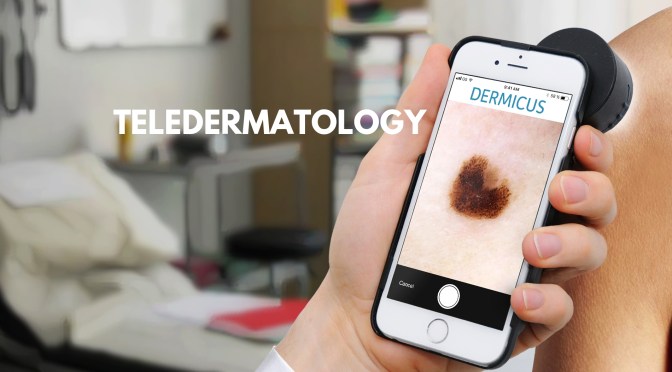
“There’s an aging population, and there’s a lot of skin out there,” said Dr. Isaacs. “One in five people in the country develop skin cancer, but there is a plethora of benign skin conditions that also require the expertise of the dermatologist. So, you have increasing demand and a limited supply of dermatologists.”

A basic example of how the TPMG teledermatology program works involves a patient who is concerned about a suspicious lesion or mole on their body. The patient can take a picture of the location in question and send it to their primary care physician for review. The physician can request the patient come in for a more thorough evaluation, or if the physician determines that a dermatologist should be involved, they can send the photo to an on-call dermatologist to review.

If the patient does an in-person evaluation, the physician can also take a higher-quality image and forward that to a dermatologist. The dermatologist can then decide whether there is a problem, if a prescription is needed, or if there should be an in-person evaluation and potential biopsy.

A study in the Journal of the American Academy of Dermatology in 2019 found that when TPMG dermatologists had the chance to look at well-photographed skin lesions, they were able to identify nearly 10% more cancers with almost 40% fewer referrals to the dermatology department.

Read more

COMMENTARY

A high quality I-phone picture of a skin lesion can provide the dermatologist with 90% of the information needed for a diagnosis.

Melanoma diagnosis depends even more on the visual. In fact, Artificial  Intelligence evaluation of Melanoma may be  overtaking dermatologist expertise.

Size can be indicated by including a dime in the photo.

It is true that the roughness, softness or hardness may be important in diagnosis, but perhaps these characteristics could be described by the Patient.

This week, I started worrying about an itchy, rapidly growing lesion on my back. I sent a picture of this to my dermatologist, hoping he would call it a wart and reassure me. It was very regular, soft, and had a rough surface like warts I have had in the past.

However, he saw some redness and had me come in for removal. We will see what the pathology shows.

Dermatologists are in short supply, and making more efficient use of their expertise attractive.

Calling the Doctor’s office, arranging for e-mail Photo transmission, and a talk with the Doctor on the phone could save a visit. The Primary Doctor could send you directly to the dermatologist, or might be comfortable with watching and waiting.

Dermatology is indeed a field ripe for Telemedicine.

—Dr. C.

TELEMEDICINE: WHAT ITS FUTURE GROWTH LOOKS LIKE OVER THE NEXT 5-10 YEARS

From McKinsey & Company (June 11, 2020):

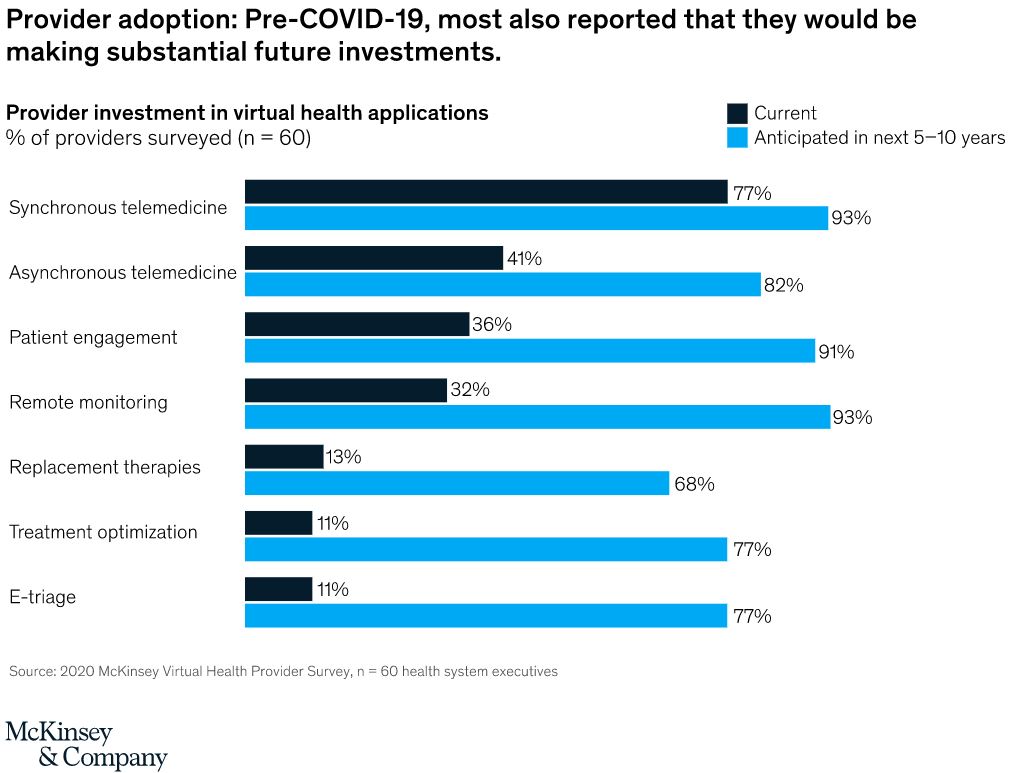
For the past 10 to 15 years, virtual health has been heralded as the next disrupter in the delivery of care, but there has been minimal uptick in adoption. The COVID-19 pandemic is pushing against structural barriers that had previously slowed health system investment in integrated virtual health applications.

Read full article

COMMENTARY

Health Providers, especially the systems and networks, are the key to “next Generation” health care delivery. They are the main target audience of this article. If they invest in Telehealth, and make it easy and integrated, Patients will adopt Telemedicine happily.

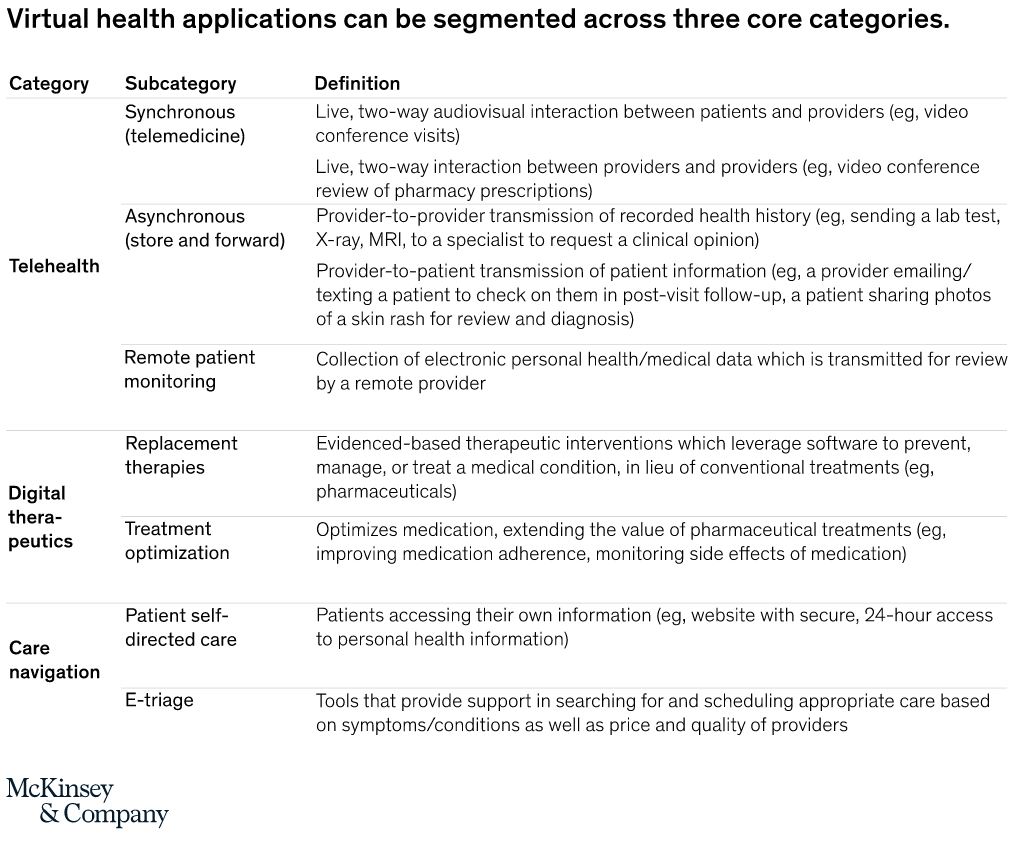
The article Classified the elements of the future Telehealth,  citing Telemedicine As the digital equivalent of the traditional Doctor-Patient verbal Interaction. They call this “synchronized” Telehealth.

Everything else, the myriads of other activities that comprise the totality of health care, is labeled something else. The Patient is involved in some of these activities, such as being monitored by a device at home, being the recipient of her records or medications, or even interfacing with technology as in “E-triage”.

Many interactions such as Doctor-Doctor, Doctor-Pharmacist, Doctor-insurance,  Rounding, To mention a few, take place away from the Patients’ sphere. The REAL change will be when these are Eventually taken over by Computers, aided by Artificial intelligence.

In the meanwhile, Providers should invest in Technology to remain competitive. Also, it goes without saying, Patients should invest in Knowledge and Technology if they are to get the most out of this new Reality.

—Dr, C.