Tag Archives: Colorectal Cancer

Reviews: Young-Onset Colorectal Cancer

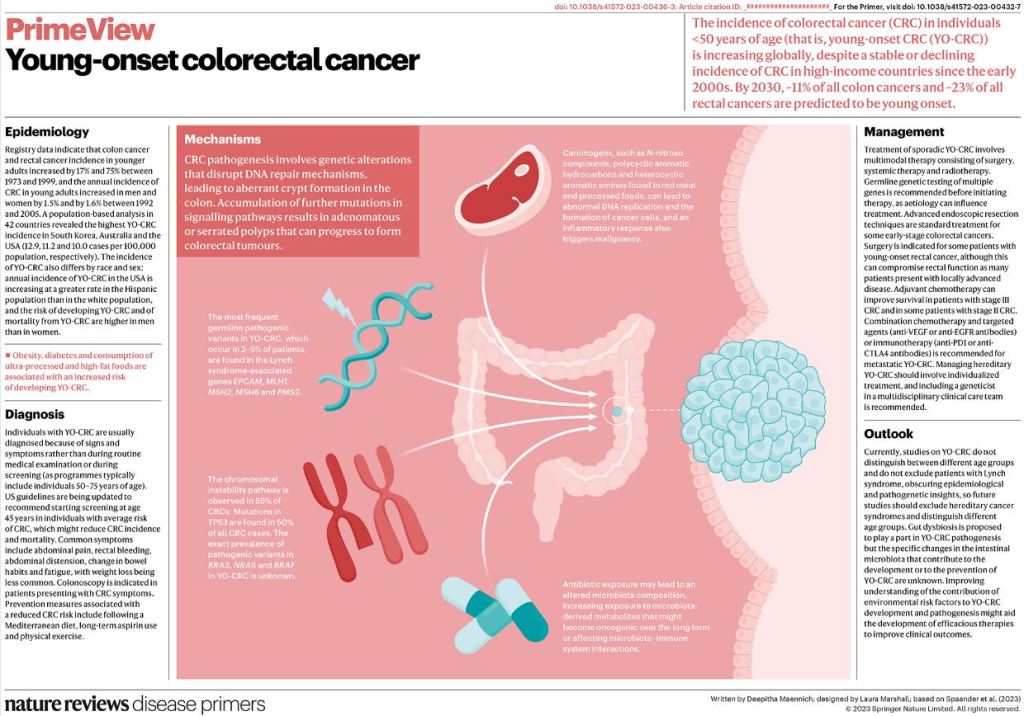
In the past decades the incidence of colorectal cancer (CRC) in people under the age of 50 years has increased, which is referred to as early-onset CRC or young-onset CRC (YO-CRC). YO-CRC is expected to account for 11% of colon cancers and 23% of rectal cancers by 2030. This trend is observed in different parts of the world and in both men and women. In 20% of patients with YO-CRC, a hereditary cancer syndrome is found as the underlying cause; however, in the majority of patients no genetic predisposition is present.

Beginning in the 1950s, major changes in lifestyle such as antibiotic use, low physical activity and obesity have affected the gut microbiome and may be an important factor in YO-CRC development. Owing to a lack of screening, patients with YO-CRC are often diagnosed with advanced-stage disease. Long-term treatment-related complications should be taken into account in these younger patients, making the more traditional sequential approaches of drug therapy not always the most appropriate option.

To better understand the underlying mechanism and define relationships between environmental factors and YO-CRC development, long-term prospective studies are needed with lifestyle data collected from childhood.

Read more

Colorectal Cancer: Some Myths & Facts Explained

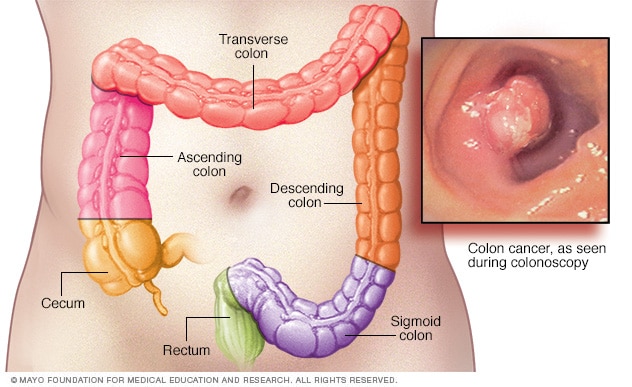
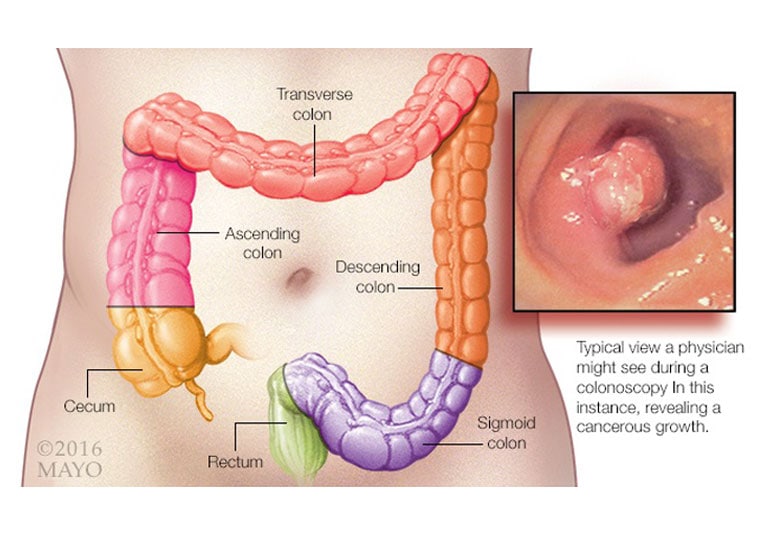
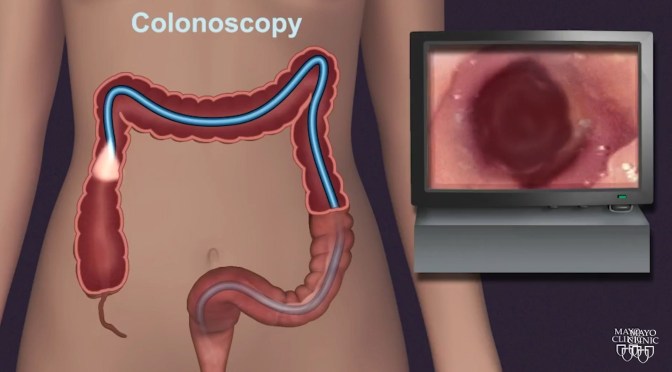
Mayo Clinic Cancer Blog – Colon cancer can occur in any part of the colon. An examination of your entire colon using a long, flexible tube equipped with a camera (colonoscopy) is one way to detect colon cancer and polyps. It can be easy to feel confused by screening recommendations for common types of cancer. Test your knowledge of why, when and how you can be screened with these myths and facts:

Colorectal cancer is rare.

Myth. Colorectal cancer is the second-leading cause of cancer-related death in men and women combined. Roughly 1 in 25 women will have colorectal cancer, and about 1 in 23 men will have colorectal cancer. To put that in perspective, when watching a football game, of all the players on the field, about one player would be diagnosed with colorectal cancer in their lifetime.

Colon cancer locations

Colorectal cancer can happen when you are young.

Fact. The rate of colorectal cancer is increasing in people under 50. Rates of colorectal cancer in people under 50 have doubled since 1990. In people over 65, the diagnosis rates have been decreasing, most likely because of colorectal cancer screening.

READ MORE

Colorectal Cancer: ‘Miss Rate’ Lowered 50% Using AI

“Colorectal cancer is almost entirely preventable with proper screening,” says senior author Michael B. Wallace, M.D., division chair of Gastroenterology and Hepatology at Sheikh Shakhbout Medical City in Abu Dhabi, United Arab Emirates, and the Fred C. Andersen Professor at Mayo Clinic in Jacksonville, Florida. “The substantial decrease in miss rate using AI reassures health care providers on the decreased risk of perceptual errors.”

The most relevant cause of post-colonoscopy colorectal cancer (CRC) is the miss rate of colorectal neoplasia — the rate at which neoplastic lesions are not detected in a screening or surveillance colonoscopy. Some studies suggest that 52% to 57% of post-colonoscopy CRC cases are due to missed lesions at patients’ colonoscopies. It’s estimated that 25% of neoplastic lesions are missed following screening colonoscopy.

Mayo Clinic Gastroenterology and Hepatology, in collaboration with colleagues from around the world, found that using artificial intelligence (AI) in colorectal cancer screening produced a 50% reduction in the miss rate for colorectal neoplasia. Results of the study were published in the July 2022 edition of Gastroenterology.

Read more

Diagnostics: Screening For Colorectal Cancer

Colorectal cancer is the second-leading cause of cancer death in the U.S. Colorectal cancer cannot be totally prevented, but there are ways to lower your risk and that’s with regular screening.

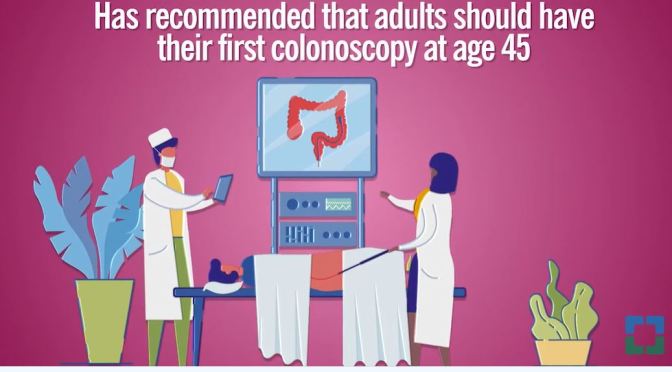
The U.S. Preventive Services Task Force and the American Cancer Society encourage patients to start screening for colorectal cancer at age 45. Dr. John Kisiel, a Mayo Clinic gastroenterologist, also says patients should begin screening at 45. He recommends checking with your health care provider about your risks, and with your insurance provider about your coverage.

DR. C’S JOURNAL: CAUSES & SIGNS OF COLON CANCER

Colon cancer is one of the most common of all cancers, and one of the deadliest. Occurring out of sight in your intestinal tract, it often becomes advanced before it is first detected.

Any bowel symptoms, such as persistent diarrhea, constipation, or abdominal discomfort might be a warning symptom and indicate a trip to the doctor. Blood in the stools, either bright red or black and tarry, must be diagnosed. Unexplained weakness, fatigue, or weight loss might indicate cancer that is too far advanced for simple treatment, and of course requires a trip to the doctor.

The most satisfactory way to pick up the cancer is by a screening test called a colonoscopy. A virtual colonoscopy by x-ray is also used, but it still requires the most uncomfortable part of the procedure, the preparation; The bowel must be washed out in order to properly visualize the cancer, or more likely pre-cancerous polyps or growths.

Due to the increase in frequency of colon cancer in young people, the age at which screening colonoscopy is medically advisable has been lowered from 50 to 45. A tendency to get colon cancer, or more commonly colon polyps, can run in families. These are best discovered by colonoscopy starting at an earlier age.

Increased age, or chronic inflammatory conditions such as ulcerative colitis can predispose to colon cancer.  If you eat a lot of junk food (low fiber diet), or a lot of fat, You may be more susceptible. If you have a sedentary lifestyle, diabetes, smoke  or drink alcohol, you may be more likely to develop this problem.

As usual, preventative measures are the best advice. Eating a lot of fruits, vegetables and whole grains might protect you. Exercising most days of the week and maintaining a healthy weight are good ideas. Limiting your alcohol and stopping smoking is always good advice.

I was a good boy and had colonoscopies every two years for a long time. I would have been happier had there been a blood test to pick up this dreaded disease. There are some simple tests like carcinoembryonic antigen, and a stool test for occult(hidden) blood, but these are not very accurate.

For treatment of colorectal cancer and other more complete information, please check with the following mayo clinic article.

—Dr. C.

Read more

Cancer: What Age Should You Get A Colonoscopy?

According to the American Cancer Society, colorectal cancer is the third most common cancer diagnosed in both men and women in the United States. While diagnoses are decreasing in people over the age of 50, there’s been an increase for those who are younger.

For more information on why you should get a colonoscopy and how to schedule yours today, please visit https://cle.clinic/3oqWdy6

HARVARD STUDY: VITAMIN D LOWERS THE RISK OF YOUNG-ONSET COLORECTAL CANCER

COMMENTARY:

Vitamin D has many beneficial effects, but my comments will be restricted to the effect of vitamin D on cancer.

Interest in this association was started by the observation that certain cancers are less common near the equator, where there is more sunlight exposure, and therefore more natural vitamin D generation in your skin.
The most information on cancer in humans Is available on colorectal, breast, prostate, and pancreatic cancer. Colorectal cancer, highlighted DWW our posting, is the only cancer that apparently is affected by vitamin D.

Several studies have suggested that vitamin D can decrease cancer cell growth, stimulate cell death, and reduce cancer blood vessel formation. Increasing cell death, or apoptosis, is what interests me the most, since this is one of the factors which increases inflammation in aging.

The infographics stated that only 300 international units of vitamin D is necessary to produce a 50 Percent reduction in cancer, and that a healthy diet generally supplies this.

I personally take 5000 international units vitamin D. This produces a blood level of about 60 ng/mL, and what the NFL recommends to keep their players healthy, and well within the maximum recommended level of 120 ng/milliliter.

Excessive vitamin D can produce an elevated calcium blood level, and mine is within normal limits. I take the higher dose because of vitamin D’s other effects, such is benefiting the immune system in a time of Conid-19.

I suggest that you get a vitamin D blood level, and also a calcium blood level if you elect to take more of this useful vitamin.

–Dr. C

Read more

MEDICINE: WHEN COLON CANCER SPREADS TO THE LIVER (MAYO CLINIC VIDEO)

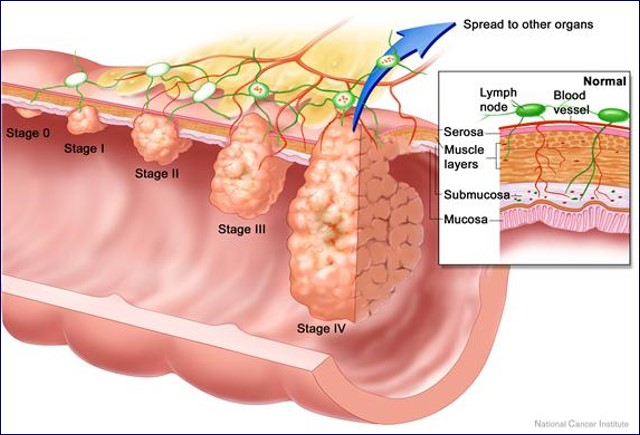
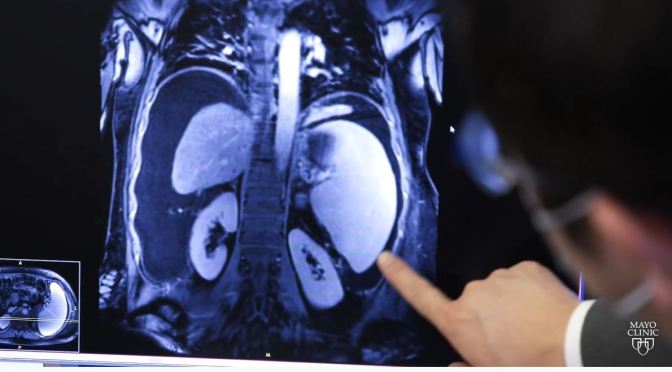
Colorectal cancer is a leading cancer among men and women around the world. Many colorectal cancers are likely to spread to other organs, with the most common site of metastases being the liver. In this Mayo Clinic Minute, Dr. Sean Cleary, a hepatobiliary and pancreas surgeon at Mayo Clinic explains what this means to patients.

DOCTORS PODCAST: MEDICAL & TELEHEALTH NEWS (MAR 2)

A bi-weekly podcast on the latest medical, science and telehealth news.