Survey: 85% Of Physicians Favor Telehealth To Treat Opioid Use Disorder (Yale)

Asurvey of more than 1,000 registered physicians who used telehealth services to treat patients with opioid-use disorder during COVID-19 found that an overwhelming majority favor making telehealth a permanent part of their practice.

Yale School of Public Health – The findings of the Yale School of Public Health (YSPH) study provide new support for the use of telehealth technology in treating opioid-use disorder. Policymakers currently are debating whether existing regulations allowing for telehealth during the COVID pandemic should be extended temporarily as the pandemic wears on — or made a permanent part of treatment practice options.

“Recent exposure to telehealth due to the COVID-19 pandemic has promoted the perspective among the physicians surveyed that it is a viable and effective treatment option for patients,” said the study’s lead author Tamara Beetham, MPH, a PhD student in health policy and management at YSPH. “Findings like these could have major implications for the future of telehealth regulation. Continued flexibility would allow more individuals to access life-saving treatment.”

A staggering 107,622 people in the U.S. died of drug overdose in 2021, a 15% increase from 2020, according to the U.S. Centers for Disease Control and Prevention. Physicians frequently prescribe buprenorphine to treat opioid-use disorder and reduce the risk of overdose. Patients must regularly follow up with their provider as part of their treatment.

READ MORE

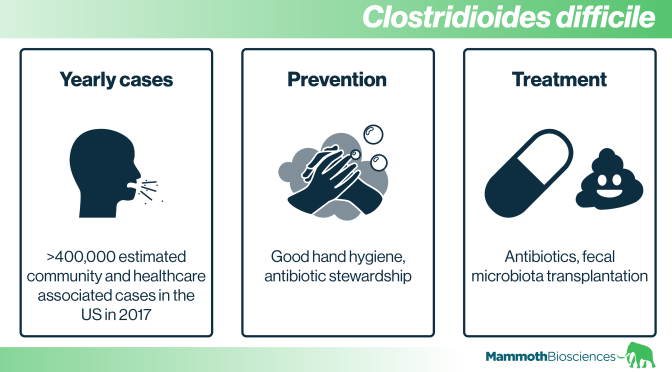
C. diff Bacteria: What Is Clostridioides difficile

“C. diff is a severe, difficult-to-treat infection,” says family medicine specialist Daniel Allan, MD.
Studies show that you’re seven to 10 times more likely to get C. diff while you’re taking antibiotics or right after.”

Cleveland Clinic – Clostridioides difficile (C. diff) is a type of harmful bacteria that causes inflammation in your large intestine (also known as pseudomembranous colitis). The main symptom of a C. diff infection is frequent, watery and sometimes bloody diarrhea. If diarrhea persists, it can lead to:

  • Dehydration.
  • Weight loss.
  • Sepsis.
  • Death.

C. diff is common in the environment. Some people even carry C. diff in their gut but don’t have any signs of illness. Most of the time, the “good” bacteria in your gut prevent a C. diff infection. But certain antibiotics can wipe out your gut bacteria. If you encounter C. diff while taking antibiotics, the bacteria can flourish and grow and make you sick.

“Think about your colon as a plush green lawn. The thick grass crowds out the weeds,” illustrates Dr. Allan. “But if your yard is mostly dirt, all kinds of weeds will grow. Antibiotics reduce the rich collection of bacteria in your gut (the thick grass). This gives C. diff (the weeds) an opportunity to take hold.”

C. diff is most dangerous for people age 65 or older or with a weakened immune system. People who are healthy can also develop life-threatening complications if they don’t receive prompt care.

Weight Loss: Bariatric Surgery Explained (UCLA)

UCLA Health – Dr. Erik Dutson, surgical director of the Center for Obesity and METabolic Health (COMET), provides an overview of bariatric surgery at UCLA Health. See how this minimally invasive surgery changes lives.

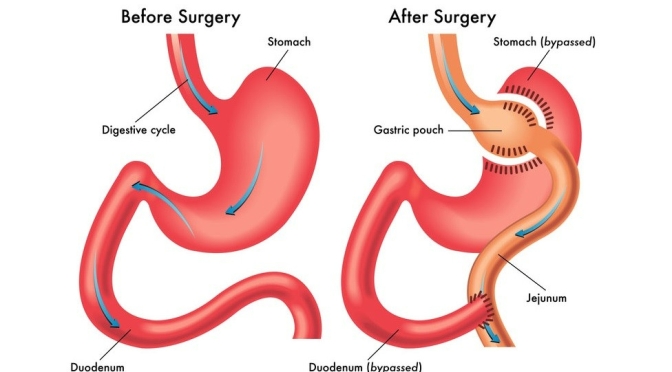
Bariatric surgery, also known as weight loss surgery, helps you lose weight by removing or rerouting a portion of your stomach. The surgery limits the amount of food you can eat or the amount of calories your body can absorb. Research has shown that bariatric surgery can help you lose up to 85% of excess weight.

These types of procedures have also been shown to:

  • Control high blood pressure
  • Improve sexual dysfunction
  • Increase fertility
  • Increase life expectancy
  • Provide pain relief
  • Treat conditions such as type 2 diabetes and sleep apnea

Read more

Hearing Aids: Over-The-Counter vs Prescription

Hearing aids are not one-size-fits all. “While OTC devices may help many people with mild or moderate hearing loss, they might not be appropriate for all types of hearing loss,” says Dr. Naples.
Harvard Health Publishing – A change in FDA regulations has cleared the way for over-the-counter (OTC) hearing aids. What does this mean for you if you’re among the approximately 48 million Americans with some degree of hearing loss? We asked Dr. James Naples, assistant professor of otolaryngology/head and neck surgery at Harvard-affiliated Beth Israel Deaconess Medical Center, to help explain potential pros and cons.

The basics: Hearing aids versus amplification products

There are various types of hearing aids that largely work in the same way. Whether the style is behind the ear or in the ear canal, they amplify sounds to make them louder. They also help filter out certain types of noise. “All hearing aids use a combination of signal processing and directional microphones to filter out some unwanted noise and to improve our ability to hear sounds,” says Dr. Naples.

Don’t confuse prescription or OTC hearing aids with personal sound amplification products (PSAPs) sold at most drug stores. Such products merely amplify nearby sounds. They’re not tailored to an individual’s hearing loss, and aren’t regulated by the FDA or intended to treat hearing loss.

Read more

COMMENTARY:

Humans and their mammalian cousins have lost the ability to regenerate the hair cells in the inner ear. In preindustrial society(how could they know?) people apparently didn’t lose hearing as they aged. However, in the Industrial Age, the prevalence of noise has been increasing along with our power consumption,  and loss of hearing consequently occurs along with Aging.

High frequency loss is the most prominent, and this leads to inability to hear consonants, and have more difficulty with the voices of children and women which tend to be of a higher frequency. The ability of young people to hear high frequencies better than older people has led to various ringtones and songs favoring high frequencies, which the children can hear and older people cannot.

There are a number of things that can add to this hearing loss, such as chronic exposure to loud sounds (such as rock concerts), exposure to drugs that damage hearing, such as certain antibiotics and even aspirin. Otosclerosis and repeated middle ear infections can also accentuate the problem by interfering with sound conduction.

Ringing in the ears, tinnitus, is also associated with accelerated hearing loss.

I have had tinnitus for a long time, and at the age of 90, I have definite hearing loss. Even a couple of decades ago my high frequency loss was quite demonstrable by audiogram. I am resisting the temptation to get it corrected, since the louder sounds from the device would probably gradually reduce my baseline hearing ability. Also  I am now forced to pay strict attention when listening to people. This may slow down the tendency of older people to have a greater difficulty in “decoding” the  spoken word, due to decreased brain processing.

With the passage of a new law permitting people to access hearing aids without a prescription, the price of hearing aids is bound to go down, another reason for waiting.

If you are considering getting a hearing aid, an audiologist would prepare one that is tuned to your specific hearing loss.

The best is none too good.

—Dr. C.
Digestive: Gallstones VS Kidney Stones Symptoms

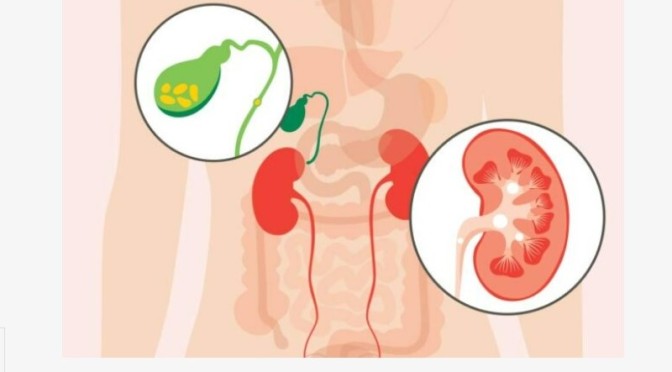
Gallstones (gallbladder stones) develop in your digestive tract and can be as small as a grain of sand or as large as a golf ball. Gallstones can cause a blockage in your gallbladder or bile ducts. A diet high in fat or cholesterol can contribute to the development of gallstones.

CLEVELAND CLINIC

Kidney stones develop in your urinary tract and can be as small as a grain of sand but can grow to several inches in diameter. Kidney stones move through your urinary tract into your ureter and block the flow of urine. A diet high in sodium, oxalates or animal protein can contribute to the development of kidney stones. An insufficient intake of fluids or calcium can also lead to the formation of kidney stones.

Symptoms of gallstones

If you have gallstones, you may experience the following symptoms:

  • Abdominal pain.
  • Back pain.
  • Chest pain.
  • Nausea and vomiting.
  • Fever and chills.
  • Jaundice.
  • Dark-colored urine.  

Where does it hurt?

Gallstones cause pain in your mid-upper abdomen that may radiate to your back or under your right shoulder.

Symptoms of kidney stones

If you have kidney stones, you may experience the following symptoms:

  • Severe back pain that may travel down to your groin.
  • Nausea and vomiting.
  • Blood in your urine.
  • Painful urination.
  • Increased frequency or urgency of urination.
  • Foul-smelling or cloudy urine.
  • Fever and chills.

Read more

Heart Health: When You Should Take Daily Aspirin

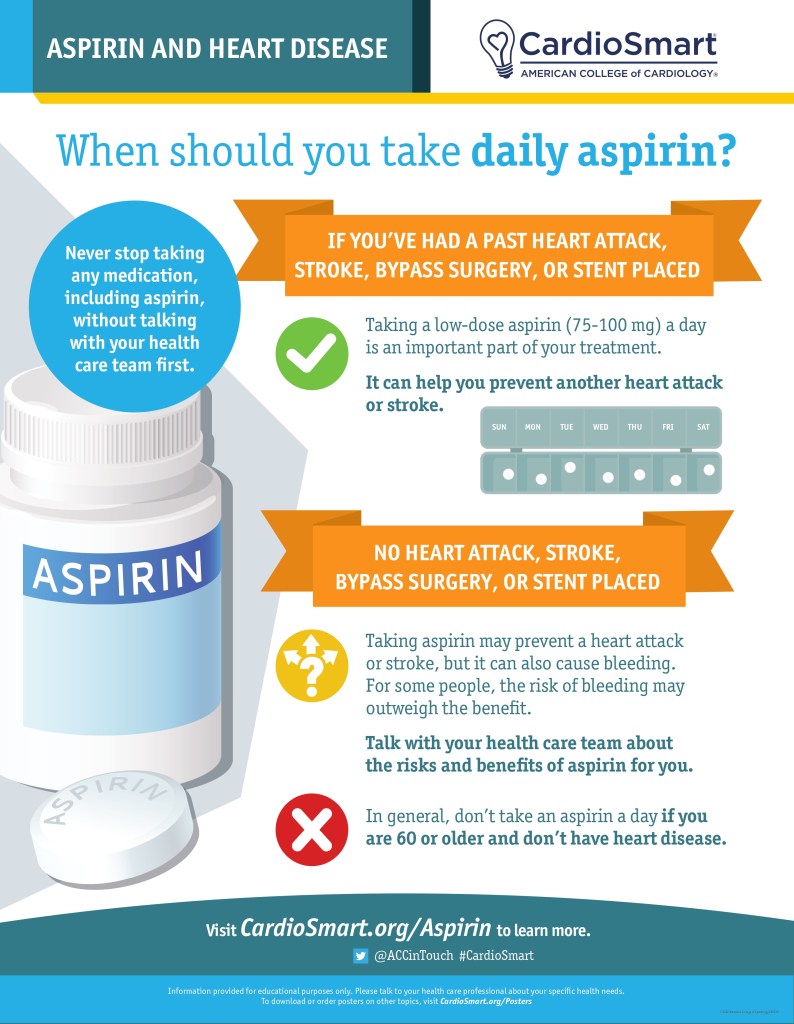
When should you take daily aspirin?

If you’ve had a heart attack or stroke: Taking a low-dose aspirin a day is an important part of your treatment. It can help you prevent another heart attack or stroke.

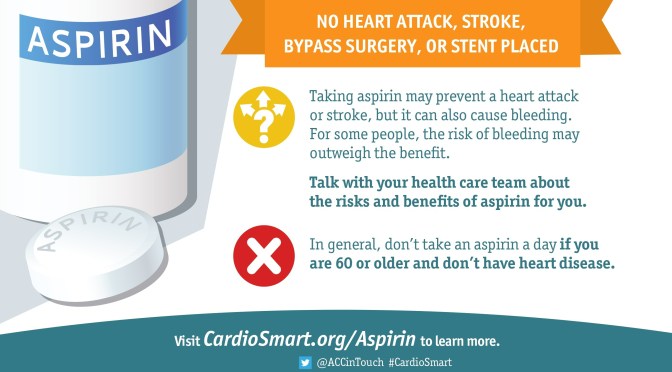
If you haven’t had a heart attack or stroke: Taking an aspirin a day may prevent heart attack or stroke, but it can also cause bleeding. Talk with your health care team about the risks and benefits of aspirin for you. In general, don’t take a daily aspirin if you are 60 or older and don’t have heart disease.

Read more

Eye Health: The Causes Of Nearsightedness (Myopia)

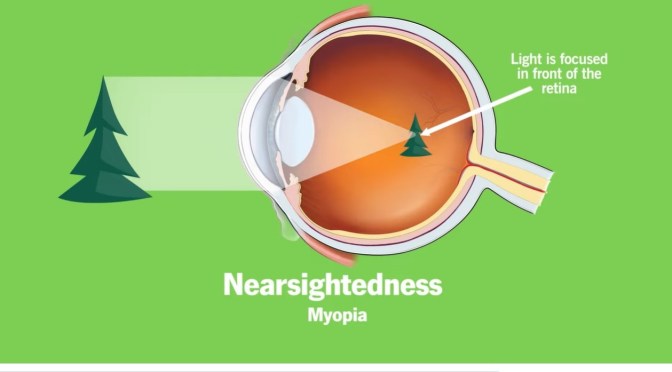
Cleveland Clinic – Nearly 1 out of 3 people have a vision disorder called myopia, or nearsightedness, which makes it difficult to view things in the distance. How does it happen? And is there a cure?

Chapters: 0:00 Intro 0:32 What causes nearsightedness? 1:01 Why can’t you see far? 1:20 When does nearsightedness usually begin? 1:42 What are symptoms of nearsightedness? 1:59 Can nearsightedness be corrected? 2:23 Is there a cure for nearsightedness?

Read more

Regenerative Medicine: Rotator Cuff Tear Benefit

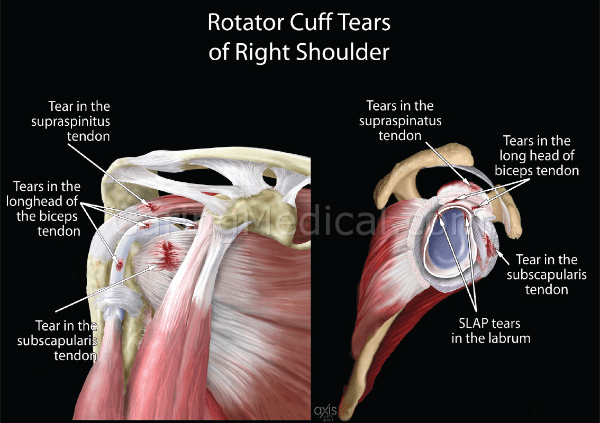
“The data we analyzed suggested a nearly threefold reduction in revision surgery in patients who received bone marrow aspirate concentrate, compared to those who did not,” says Bradley Schoch, M.D., an orthopedic surgeon and principal investigator. “This procedure is growing in use throughout the practice of orthopedic surgery and commonly added as a surgical adjunct to rotator cuff tears.”

Mayo Clinic – Applying regenerative medicine to a common shoulder surgery could have an impact on the need for follow-up revision surgery in some patients, according to a Mayo Clinic study of real-world evidence.


Mayo Clinic researchers analyzed the largest set of data available to determine if adding bone marrow aspirate concentrate to repaired tissue after standard rotator cuff surgery would improve outcomes for patients. Bone marrow aspirate is fluid taken from a patient’s bone marrow that contains concentrated growth factors, stem cells and other specialized cells that may regenerate tissue and cartilage.

The analysis identified 760 patients who had a regenerative intervention added to augment rotator cuff repair surgery. Those patients were compared to 3,888 patients who did not have any biologic intervention at the time of surgery. The data indicated that 114 patients who opted for bone marrow aspirate concentrate at the time of surgery were less likely to need a second surgery.

The results of the Mayo Clinic study are published in the Orthopaedic Journal of Sports Medicine.

GERD – Gastroesophageal Reflux Disease Diagnosis

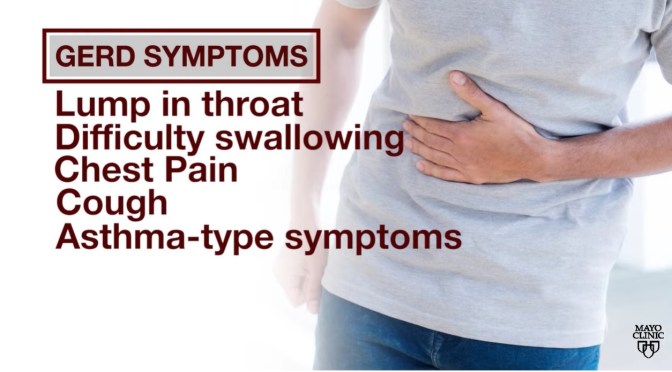
Gastroesophageal reflux disease (GERD) is one of the most common digestive disorders in the world. It happens when acid comes up from the stomach, which is acid-resistant, into the esophagus, which is less acid-resistant. Dr. James East, a gastroenterologist at Mayo Clinic Healthcare in London, says GERD may be common, but there can be potentially severe complications if it’s ongoing and left untreated.

Empowering Patients Through Education And Telemedicine