
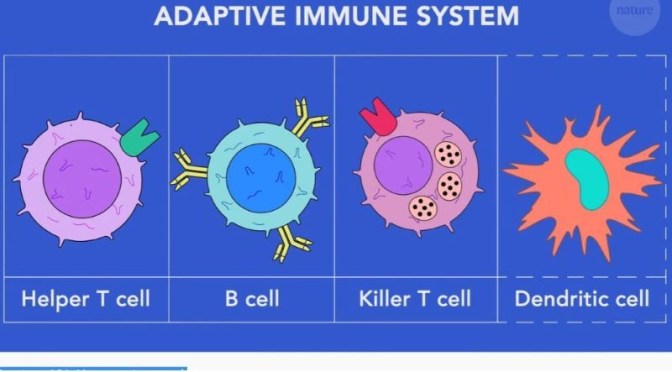
As the world waits for a potential COVID-19 vaccine, we delve into how vaccines actually work. What are the different types of vaccine? How do they trigger and train the immune system, and what is the role of herd immunity?

Bad breath is a big social deal, and is unpleasant to be around. You are always conflicted when near a person with Halitosis; you are tempted to tell him for his own good, but are embarrassed to do so.
“Mask Breath” is the most recent reincarnation of bad breath. Supposedly the mask itself does not have an odor, but merely makes the person aware of the bad breath he has had all along. Bad breath is not only a direct problem for the person who has it, but often betrays important medical conditions which need attention.
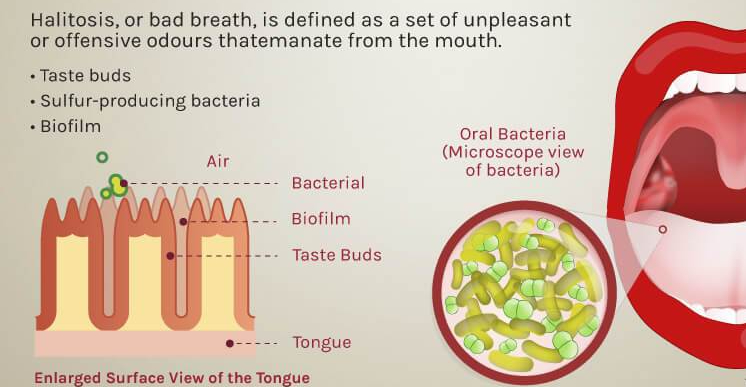
Several oral conditions can cause halitosis. The most common is poor oral hygiene. Lack of regular brushing and flossing leads to accumulation of food particles between the teeth, in the gum lines, and even under crowns. This food provides lunch for the oral bacteria, releasing malodorous compounds. This can be expensive. Have you priced restorations and implants recently?
The sneakier result of poor oral hygiene is gingivitis, or gum disease. This leads to inflammation, and is a major contributor to the inflammatory load resulting in Metabolic syndrome with its widespread effects on the brain, kidneys, and heart. And in addition, you may eventually lose your teeth. Tonsils can become inflamed and malodorous, and the associated adenoids may enlarge, leading to mouth breathing, dry mouth, and you guessed it, Bad Breath.
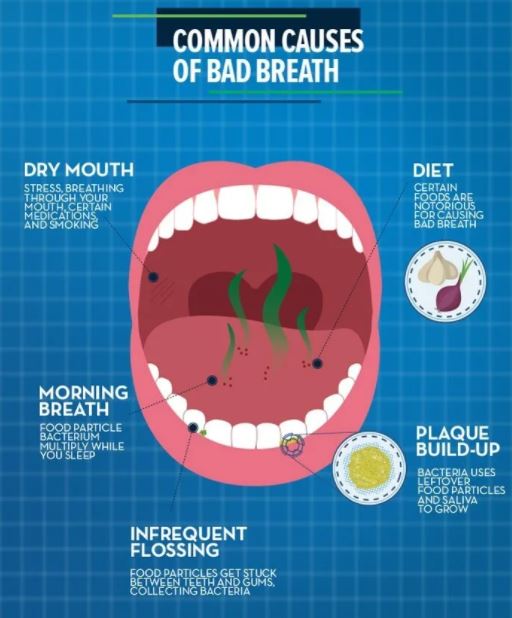
GERD is often associated with Bad Breath. The reflux of stomach contents will often leave behind a bad taste as well as bad breath. Certain metabolic conditions can give bad breath. Ketosis from diabetes, mousy breath from liver failure, and the “Fish odor syndrome”, Trimethylaminuria, can be causes.
So drink lots of water, and don’t forget to brush your teeth and floss regularly. You might benefit from a medical or dental evaluation if your bad breath doesn’t go away.
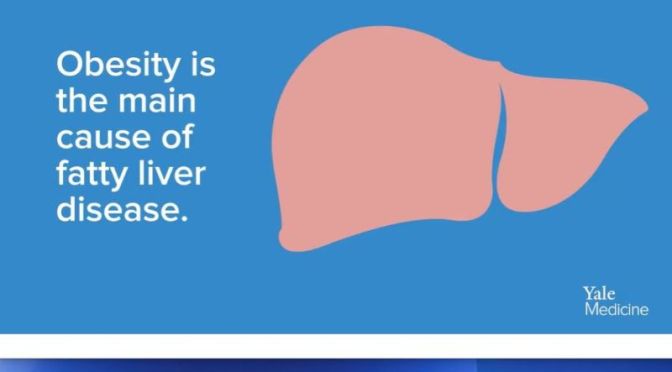
Fatty liver disease is an increasingly common condition that currently affects a third of the population. The most common cause of the disease is obesity. Extra fat in your body from weight gain accumulates in your liver, causing it to swell. Eventually, the cells in your liver will be so overburdened that they die. New cells grow to replace them, but those cells also contain fat. As liver cells continue to die off and regrow rapidly, it causes scarring of the tissue surrounding the organ.
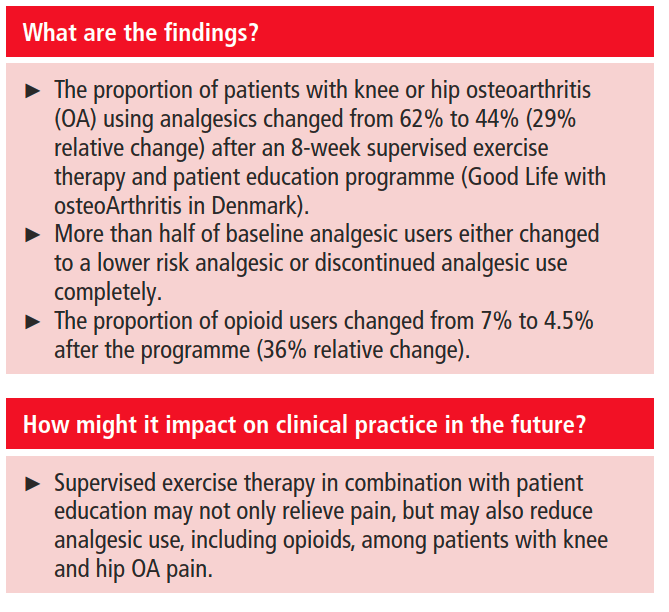
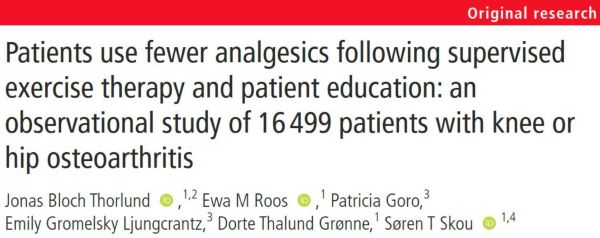

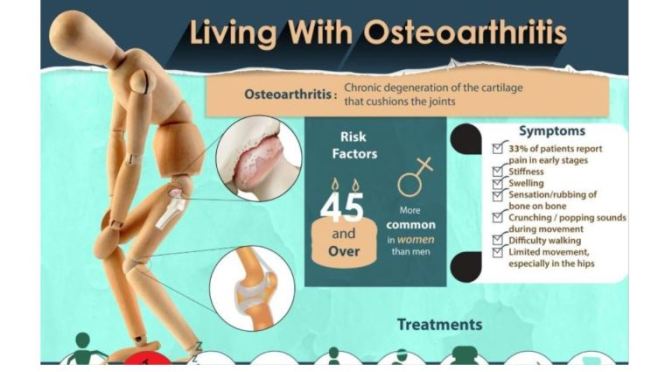
Conclusion Among patients with knee or hip OA using analgesics, more than half either discontinued analgesic use or shifted to lower risk analgesics following an 8-week structured exercise therapy and patient education programme (GLA:D). These data encourage randomised controlled trial evaluation of whether supervised exercise therapy, combined with patient education, can reduce analgesic use, including opioids, among patients with knee and hip OA pain.
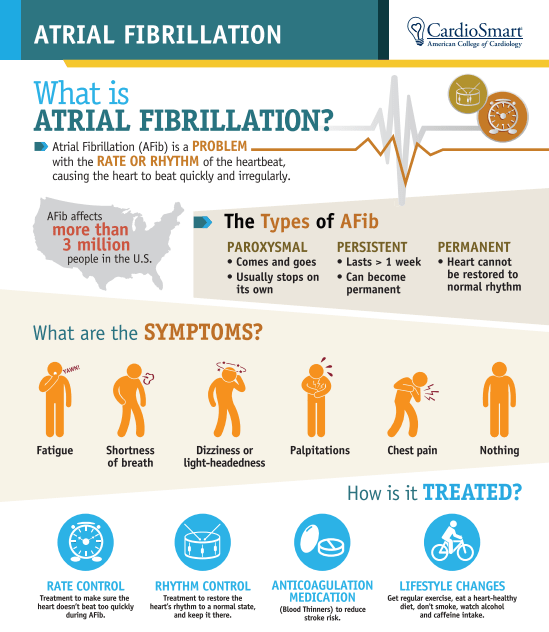

In the future, remote monitoring of health data using wireless–enabled devices that measure a person’s weight, blood pressure, blood sugar, pulse, and heart rhythm could further advance telehealth’s promise.
“I imagine a world where we are continuously monitoring key health factors and using artificial intelligence to monitor those signals,” says Dr. Schwamm.
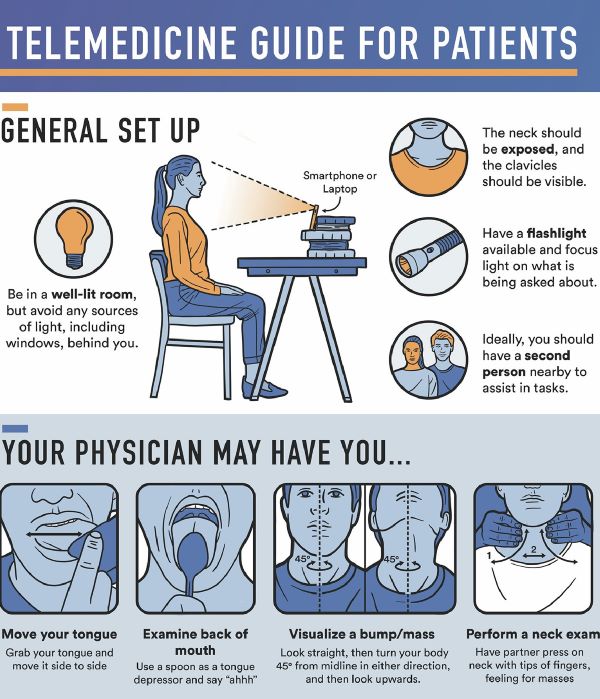
From a patient’s perspective, virtual visits save a lot of time. You don’t need to take time off work or other commitments to drive, park, and sit in a waiting room before your visit. And even though you’re not in the same room, you may actually get more direct eye contact with your physician, thanks to the face-to-face nature of video calling.
Another advantage: you may be able to have another person — such as a family member who lives across town or across the country — join the video call. That could be especially helpful if you’re facing an upcoming procedure or discussing a serious health concern. Just as with in-person visits, it’s nice to have another person listening, asking questions, and taking notes.

 Doctors Without Waiting Rooms