
Mayo Clinic Insights: Dr. Swift discusses what you need to know about the new Johnson & Johnson COVID-19 vaccine. For more up to date information about COVID-19, visit https://mayocl.in/3aUioXa
Category Archives: Medicine
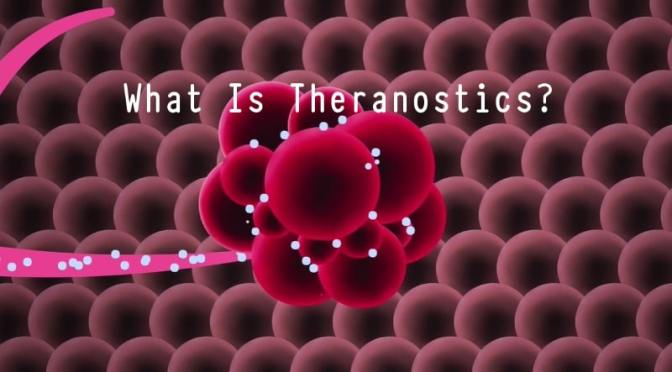
Radiotherapy: ‘What Is Theranostics?’ (Video)
What is Theranostics? Dr. Martin Pomper, Director of the Nuclear Medicine and Molecular Imaging division at Johns Hopkins, describes the mechanisms of a groundbreaking cancer treatment that combines imaging and molecular radiotherapy. With this method, radiopharmaceuticals can specifically target cancer cells while sparing most normal tissues. To learn more visit Nuclear Medicine Radiotheranostic Center: https://www.hopkinsmedicine.org/radio…
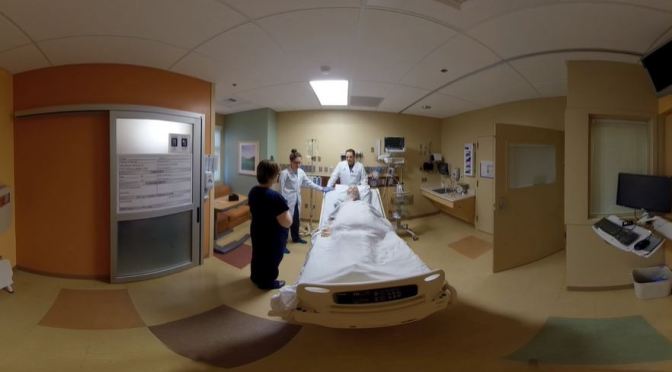
Intensive Care Views: ‘Pain & Airway Management’
Pain Management in the Intensive Care Unit.
Institution: Department of Anesthesiology and Intensive Care Medicine, Charité – Universitätsmedizin Berlin & Massachusetts General Hospital, Harvard Medical School, Boston
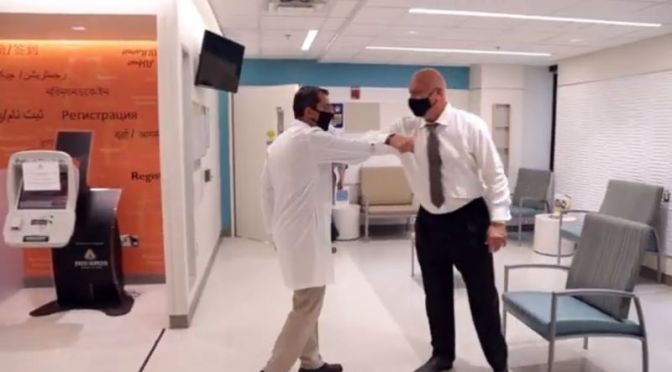
MEDICINE: BASEBALL GREAT CAL RIPKEN JR.’S ‘ROBOTIC RADICAL PROSTATECTOMY’
Known as the Ironman, Hall of Famer Cal Ripken Jr. was diagnosed with prostate cancer during the COVID-19 pandemic. Partnering with the Brady Urological Institute, Mr. Ripken had a successful robotic radical prostatectomy to remove his tumor and is now deemed cancer free. Watch urologic surgeon Mohamad Allaf and Cal Ripken Jr. discuss his prostate cancer journey at Johns Hopkins and share his powerful message to men across the world.
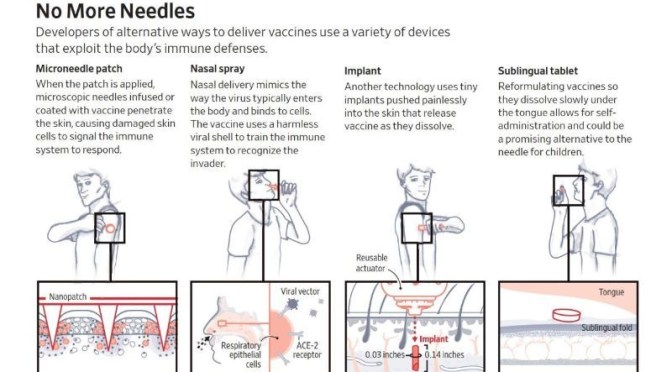
INFOGRAPHIC: ‘VACCINES WITHOUT NEEDLES’ (WSJ)
Technologies in development for delivering vaccines include Enesi’s dissolving implants, microneedle patches, electrical-pulse systems, nasal sprays and even pills.
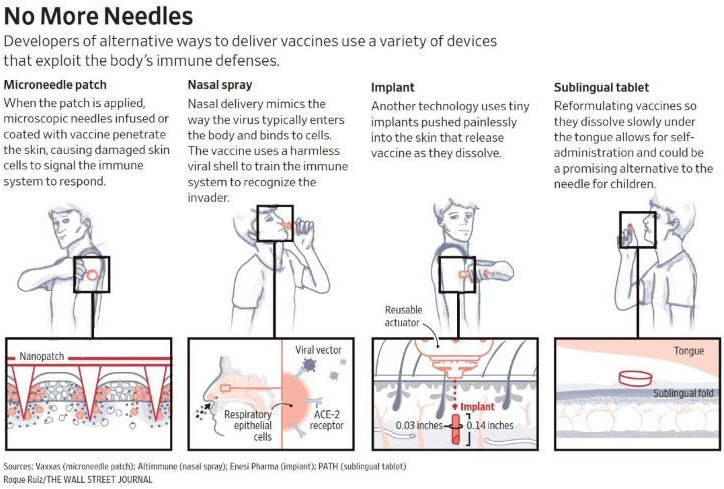
Some firms are developing their own vaccines against Covid-19, while others are aiming to reformulate some of the dozens already in development or being rolled out world-wide. Some are sitting this pandemic out in the hope of being ready for the next one.
All are in the early to mid-stages of development and clinical testing, suggesting it might be months if not years before they come to market. Big pharmaceutical companies have so far shown limited interest.
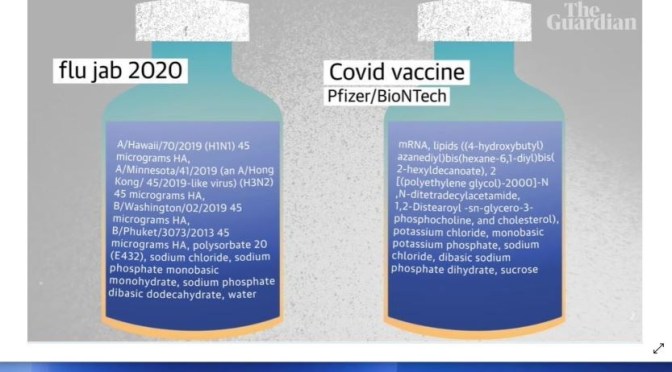
COVID-19: ‘WHAT ARE THE VACCINE’S INGREDIENTS?’
There are all sorts of different vaccines but many of them share specific types of ingredients. Josh Toussaint-Strauss talks to Professor Adam Finn to find out what is in most conventional vaccines, as well as what they do to our bodies when we take them – and why the mRNA Covid jabs from Pfizer/BioNTech, Oxford/AstraZeneca and Moderna work differently.
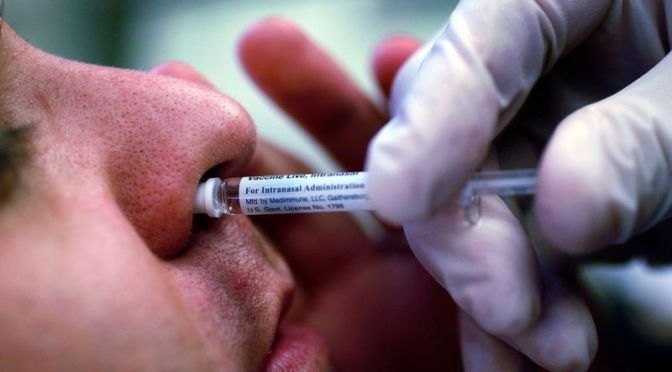
COVID-19: ‘INTRANASAL VACCINES’ MIGHT BE MORE EFFECTIVE THAN NEEDLES
From Scientific American (March 1, 2021):
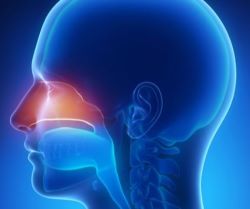
Enter the intranasal vaccine, which abandons the needle and syringe for a spray container that looks more like a nasal decongestant. With a quick spritz up the nose, intranasal vaccines are designed to bolster immune defenses in the mucosa, triggering production of an antibody known as immunoglobulin A, which can block infection. This overwhelming response, called sterilizing immunity, reduces the chance that people will pass on the virus.
The development of highly effective COVID vaccines in less than a year is an extraordinary triumph of science. But several coronavirus variants have emerged that could at least partly evade the immune response induced by the vaccines. These variants should serve as a warning against complacency—and encourage us to explore a different type of vaccination, delivered as a spray in the nose. Intranasal vaccines could provide an additional degree of protection, and help reduce the spread of the virus.
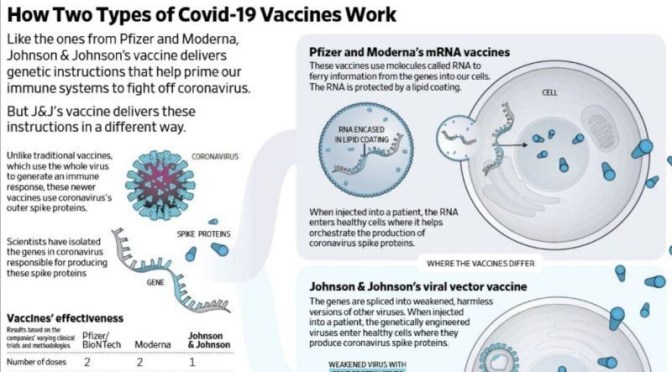
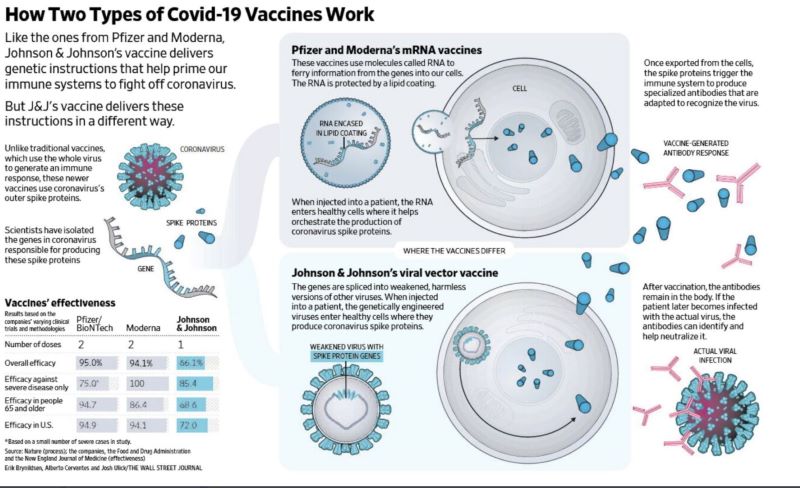
COVID-19 INFOGRAPHIC: ‘MRNA & VIRAL VECTOR VACCINE’ DIFFERENCES
PHYSICIAN Q&A: SCREENING FOR COLORECTAL CANCER
Colorectal cancer is comprised of colon cancer and rectal cancer, which originate in the lower portion of the large intestine and into the rectum. As with other cancers, screening for early detection should not be delayed. “The vast majority of the time, we don’t know exactly what causes any specific cancer,” says Dr. Jeremy Jones, a Mayo Clinic oncologist. “But there are a number of factors that can increase the risk of developing colon or rectal cancer.” Dr. Jones says one risk factor is increasing age. However, he adds that over the last 30 years younger patients have seen a 50% increased risk of developing colon and rectal cancers. In this Mayo Clinic Q&A podcast, Dr. Jones talks about risk factors, symptoms, treatment, health care disparities and the latest in colorectal cancer research. ____________________________________________

DOCTORS PODCAST: MEDICAL & TELEHEALTH NEWS (FEB 22)
A bi-weekly podcast on the latest medical, science and telehealth news.
 Doctors Without Waiting Rooms