
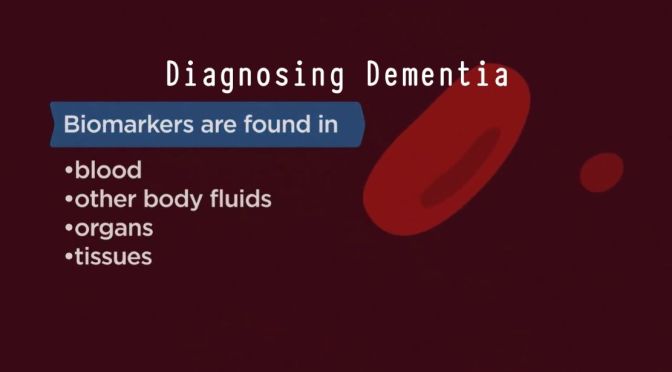
Biomarkers are measurable indicators of what’s happening in your body. They can be found in blood, other body fluids, organs, and tissues, and can be used to track healthy processes, disease progression, or even responses to a medication. Biomarkers are an important part of dementia research.
Monthly Archives: September 2022

DOCTORS PODCAST: MEDICAL & TELEHEALTH NEWS (SEP 19)
A weekly podcast on the latest medical, science and telehealth news.
Heart Disease: Symptoms & Types Of Cardiomyopathy
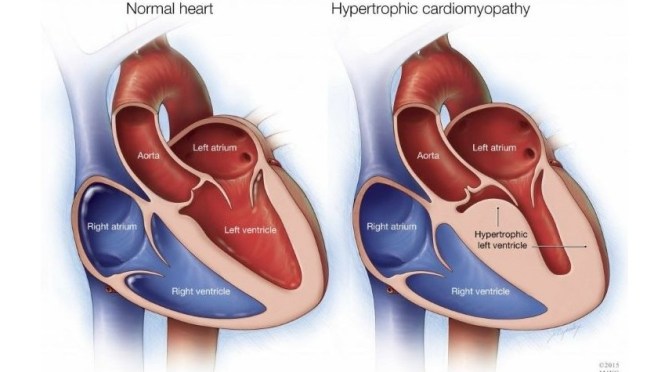
Cardiomyopathy is a disease of the heart muscle that makes it harder for the heart to pump blood to the rest of the body. Cardiomyopathy can lead to heart failure.
The main types of cardiomyopathy include dilated, hypertrophic and restrictive cardiomyopathy. Treatment — which might include medications, surgically implanted devices, heart surgery or, in severe cases, a heart transplant — depends on the type of cardiomyopathy and how serious it is.
Types
Symptoms
There might be no signs or symptoms in the early stages of cardiomyopathy. But as the condition advances, signs and symptoms usually appear, including:
- Breathlessness with activity or even at rest
- Swelling of the legs, ankles and feet
- Bloating of the abdomen due to fluid buildup
- Cough while lying down
- Difficulty lying flat to sleep
- Fatigue
- Heartbeats that feel rapid, pounding or fluttering
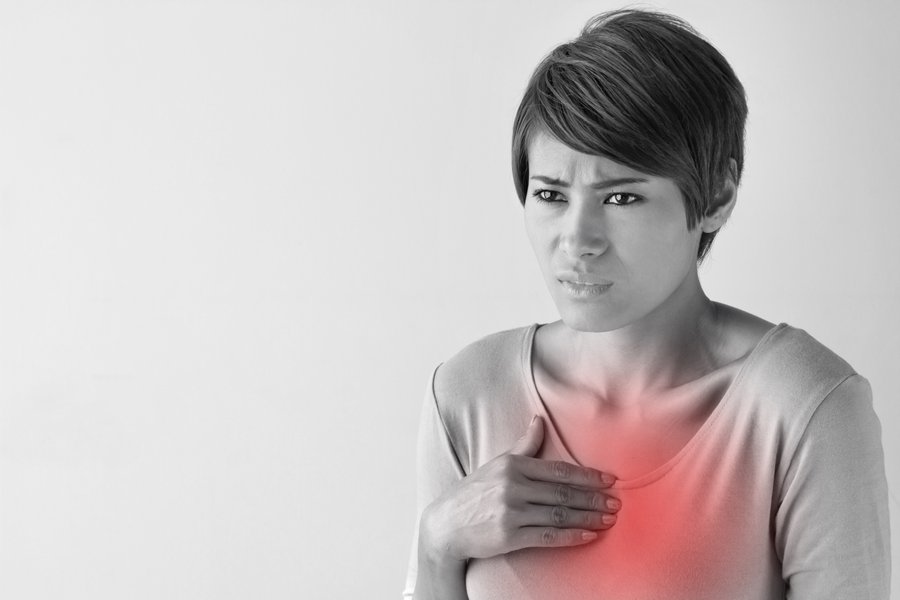
- Chest discomfort or pressure
- Dizziness, lightheadedness and fainting
Signs and symptoms tend to get worse unless treated. In some people, the condition worsens quickly; in others, it might not worsen for a long time.

Diet: Consuming Olive Oil Daily Lowers Heart Risks
Consuming just a half-tablespoon or more of olive oil a day is linked to a lower risk of dying from heart disease and other chronic health conditions, new research suggests.

The study included more than 92,000 women and men from the Nurses’ Health Study and the Health Professionals Follow-up Study, who filled out diet questionnaires every four years for 28 years. Olive oil intake was calculated from how much they reported using in salad dressings, on bread and other food, and in baking or frying.
Compared with participants who rarely or never consumed olive oil, those who consumed the most (about a half-tablespoon or more daily) had a 19% lower risk of dying from heart disease during the study. Researchers also noted lower death rates over all among people who substituted olive oil for a similar amount of margarine, butter, mayonnaise, or dairy fat. The findings, published Jan.18, 2022, in the Journal of the American College of Cardiology, lend further support for choosing olive oil — a key component of the heart-friendly Mediterranean diet.
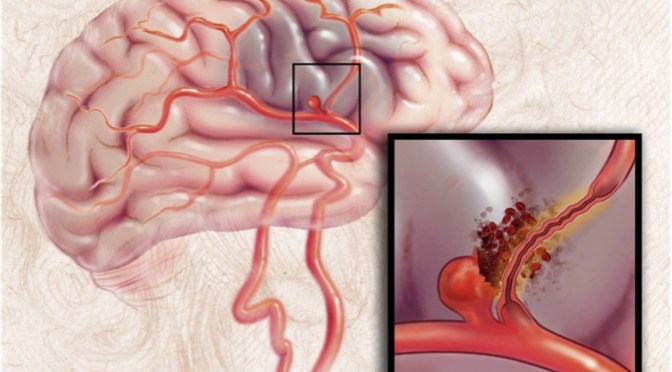
Strokes: Subarachnoid Hemorrhage Treatment
Subarachnoid hemorrhages account for approximately 1.2 million cases of stroke each year, and nearly 40% of those cases are fatal. Dr. Rabih Tawk, a Mayo Clinic neurosurgeon explains the early signs of a subarachnoid hemorrhage and how it’s treated.
Bleeding in the space between the brain and the tissue covering the brain.
Subarachnoid hemorrhage, a medical emergency, is usually from a bulging blood vessel that bursts in the brain (aneurysm). It may lead to permanent brain damage or death if not treated promptly.
The main symptom is a sudden, severe headache.
Hospital care is needed for supportive care and to stop bleeding and limit brain damage. Treatment may include surgery or catheter-based therapy.

Telemedicine: UCM Digital Health Aids NY Hospitals
Telemedicine could soon offer relief local emergency rooms desperately need.
UCM Digital Health offers a digitally integrated, whole person health solution that provides patients with immediate access to care on their terms.
UCM combines a digital front door platform, multi-disciplinary team of providers, and a 24/7 telehealth triage, treatment, and navigation service to provide a range of patient services, including emergent and urgent care, primary and specialty care, behavioral health, and more. Care begins digitally and can seamlessly integrate across other points of care for a simple patient experience.
UCM brings together clinical expertise, advanced technology and compassionate care to offer powerful advantages for insurers, employers, patients and providers.
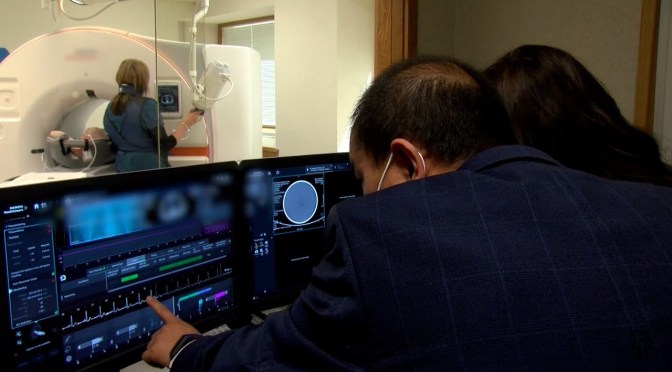
Artificial Intelligence: Its Benefits For Radiology
Using artificial intelligence in health care seems like a futuristic concept, but it’s something that’s being used now to complement the knowledge of doctors. Radiology was one of the first areas that saw a lot of AI applications.
Dr. Bradley Erickson, director of Mayo Clinic’s AI Lab, says in the case of radiology, machine learning is used to complete some of the more time-consuming work. Beyond that, the diagnostic capabilities of AI are what attracts a lot of the appeal. While imaging-related AI has seen a lot of advancements, Dr. Bhavik Patel, director of AI at Mayo Clinic Arizona, says the next step is looking at AI applications for preventive health and shifting the mindset from pipeline to platform thinking.
There are a broad area of applications (for AI), starting in radiology, but really spreading into the rest of the clinic, including cardiology and even pathology.
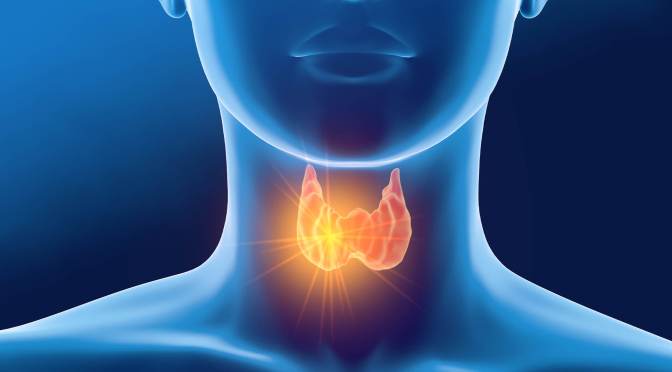
Medicine: Graves’ Disease Autoimmune Disorder
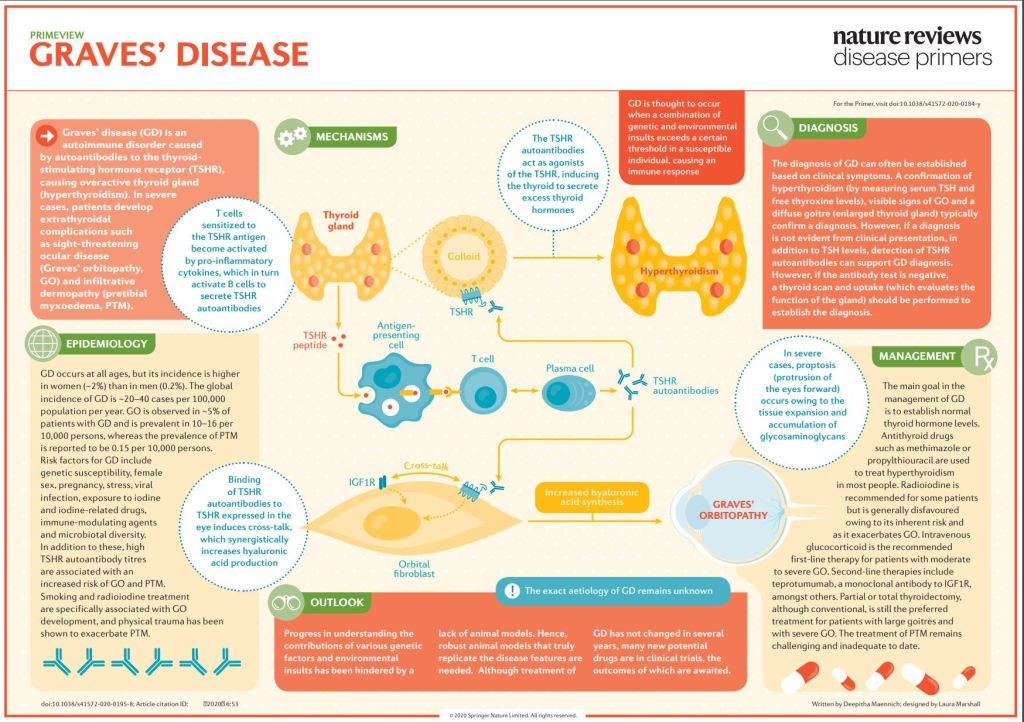
Graves’ disease is an immune system disorder that results in the overproduction of thyroid hormones (hyperthyroidism). Although a number of disorders may result in hyperthyroidism, Graves’ disease is a common cause.
Thyroid hormones affect many body systems, so signs and symptoms of Graves’ disease can be wide ranging. Although Graves’ disease may affect anyone, it’s more common among women and in people younger than age 40.
The primary treatment goals are to reduce the amount of thyroid hormones that the body produces and lessen the severity of symptoms.
Medical Conditions: Signs And Treatment Of Sepsis
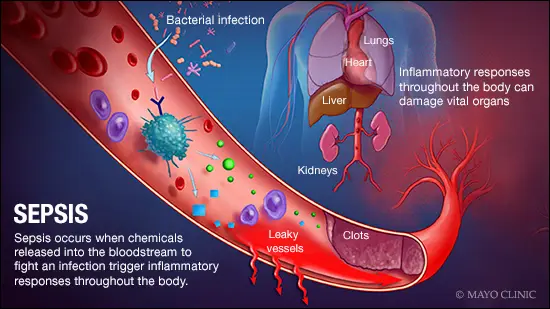
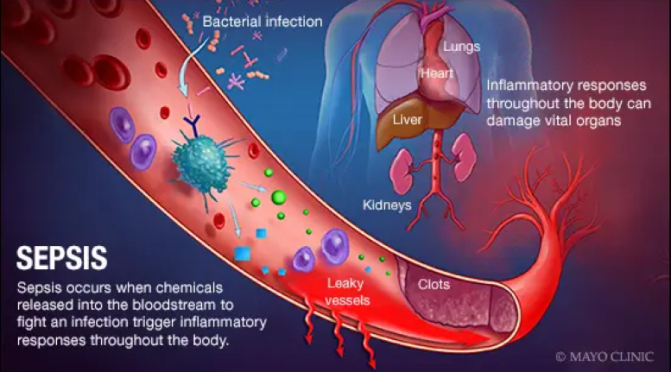
Sepsis occurs when the body’s response to an infection damages its own tissues. When these infection-fighting processes turn on the body, they cause organs to function poorly and abnormally.
As sepsis worsens, blood flow to vital organs, such as your brain, heart and kidneys, becomes impaired. Sepsis may cause abnormal blood clotting that results in small clots or burst blood vessels that damage or destroy tissues. If sepsis progresses to septic shock, blood pressure drops dramatically, which can lead to death.
Nearly 270,000 people in the U.S. die each year as a result of sepsis, and one-third of people who die in a hospital have sepsis, according to the Centers for Disease Control and Prevention.
Signs of sepsis
To be diagnosed with sepsis, you must have a probable or confirmed infection, and all of these signs:
- Change in mental status.
- Systolic blood pressure — the top number in a blood pressure reading — less than or equal to 100 millimeters of mercury, or mm Hg.
- Respiratory rate higher than or equal to 22 breaths per minute.
Signs of progression to septic shock include:
- The need for medication to maintain systolic blood pressure greater than or equal to 65 mm Hg.
- High levels of lactic acid in your blood, which means that your cells aren’t using oxygen properly.
Treatment
Early, aggressive treatment increases the likelihood of recovery.
A number of medications are used to treat sepsis and septic shock, including antibiotics, corticosteroids, painkillers and sedatives. Supportive care, including oxygen and dialysis, and surgery to remove the source of the infection, also may be needed.
People who have sepsis require close monitoring and treatment in a hospital ICU. Lifesaving measures may be needed to stabilize breathing and heart function.
COMMENTS:
The hospital is a dangerous places to be, and the most common cause of death there is sepsis. Sepsis is an underappreciated killer, and it’s getting more common because people are aging, devices are more commonly implanted into the body, immunosuppressive treatment is being used more commonly, and hospital acquired infections are increasingly resistant to treatment.
Sepsis can be caused by an overwhelming infection with bacteria, but can also be caused by viruses, fungi, and severe trauma. Low blood pressure is a common problem, and is associated with change in mental status, and increased breathing rate in raising a red flag for sepsis. Endotoxins play an important, if confusing, role. Endotoxins derive from Gram negative bacteria, but the most common bacterium causing sepsis is the gram positive staphylococcus aureus. With sepsis, though,the gastrointestinal tract may become more leaky, and Gram negative organisms may thereby gain access to the blood stream.
A ccmmon test to detect sepsis is the serum lactate, which becomes elevated if oxygen utilization is diminished, such as in sepsis. There is also a direct test for endotoxin in the bloodstream, performed by using LAL, or Limulus amebocyte lysate. This substance, derived from the cells of the blood of the horseshoe crab, is very sensitive to endotoxins, and coagulates in its presence. This test is also used to detect endotoxins in Biological products and devices, making horseshoe crab is quite valuable.
Maintaining general health, keeping up on your immunizations, wishing your hands, keeping cuts and burns free from infection, ovoid smoking, controlling diabetes and avoiding hospitals whenever possible are useful preventative techniques.
—Dr. C.
DOCTORS PODCAST: MEDICAL & TELEHEALTH NEWS (SEP 11)
A weekly podcast on the latest medical, science and telehealth news.
 Doctors Without Waiting Rooms