
DR. C REVIEWS MAJOR MEDICAL NEWS FOR THE WEEK ENDING JUNE 20, 2020.
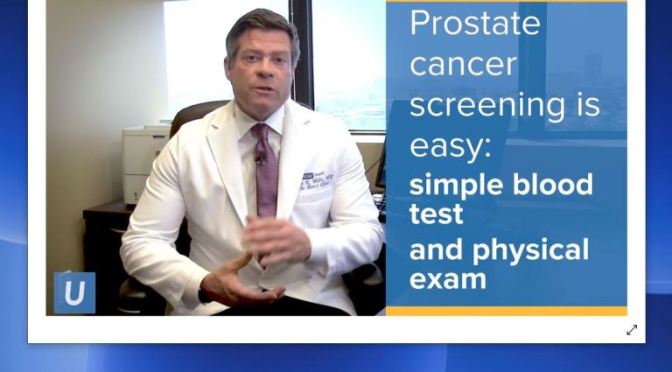
Dr. Jesse Mills, Director of The Men’s Clinic at UCLA talks about what to expect during a first prostate checkup.
COMMENTARY
Prostate checking, especially by PSA, has been controversial in recent years.
The naysayers have cited statistics that show too many unnecessary operations on slow-growing, non-life threatening cancers lowering quality-of-life.
My old urologist was following a prostate nodule with yearly checks with PSA tests. He retired, and the enlightened, younger urologist, who replaced him, thought PSA superfluous.
A friend, also a Doctor, was similarly advised, dropped the PSA screening, developed high grade prostatic Cancer, and died of it.
I continued checking my PSA every 6 months, risking a positive test, leading to biopsy, leading to unnecessary treatment.
The UCLA prostate checkup video touts Prostate MRI as an intermediate step, and, in my mind validates my choice of continuing PSA screening.
From the Wall Street Journal (June 16, 2020):
Health agencies have so far identified respiratory-droplet contact as the major mode of Covid-19 transmission. These large fluid droplets can transfer virus from one person to another if they land on the eyes, nose or mouth. But they tend to fall to the ground or on other surfaces pretty quickly.
Some researchers say the new coronavirus can also be transmitted through aerosols, or minuscule droplets that float in the air longer than large droplets. These aerosols can be directly inhaled.
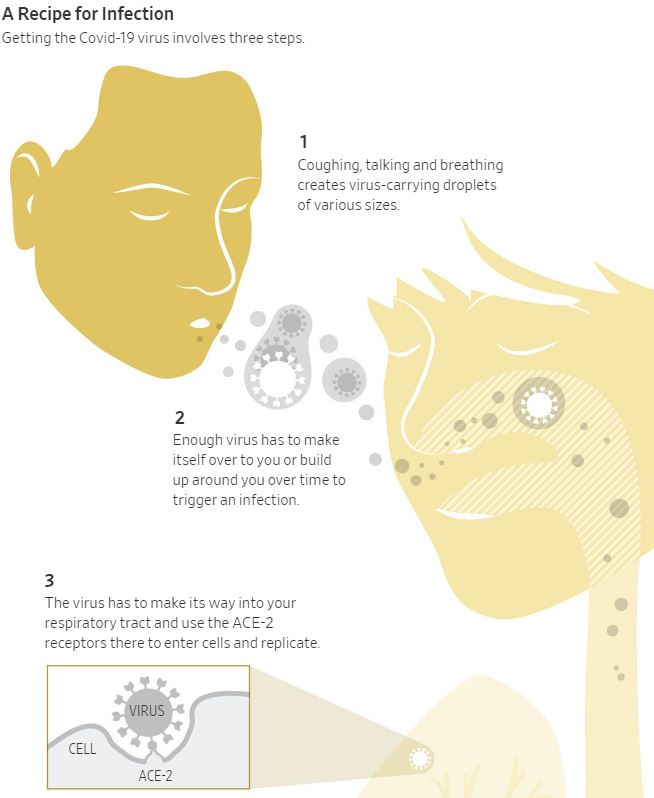
Sufficient ventilation in the places people visit and work is very important, said Yuguo Li, one of the authors and an engineering professor at the University of Hong Kong. Proper ventilation—such as forcing air toward the ceiling and pumping it outside, or bringing fresh air into a room—dilutes the amount of virus in a space, lowering the risk of infection.
Another factor is prolonged exposure. That’s generally defined as 15 minutes or more of unprotected contact with someone less than 6 feet away, said John Brooks, the Centers for Disease Control and Prevention’s chief medical officer for the Covid-19 response. But that is only a rule of thumb, he cautioned. It could take much less time with a sneeze in the face or other intimate contact where a lot of respiratory droplets are emitted, he said.

COMMENTARY
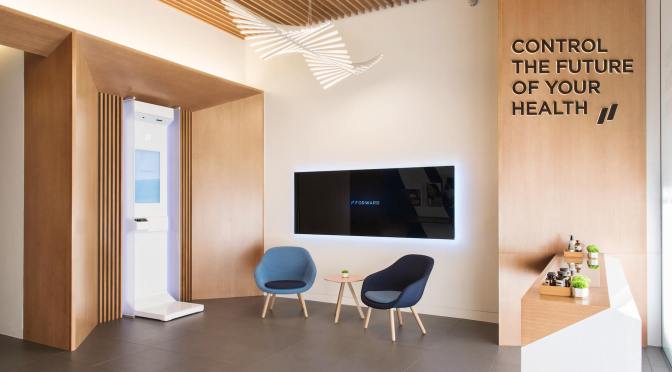
Forward Healthcare differs from a conventional primary care clinic in several, generally good ways.
Most importantly, they stress PREVENTATIVE care. Blood tests that monitor diabetes, metabolic syndrome, and anemia are done regularly, since they have a laboratory on premises. They have their own EMR (electronic medical record) platform, and their own telemedicine platform, which are downloaded on the initial visit.
They give out a “sensor kit” consisting of temperature monitor, Pulse-oximetry, and a BP monitor, which wirelessly sends information to medical records.
Telemedicine is available through their own Downloaded platform. Although I get the impression that Telehealth isn’t as central as I would have expected in a technology oriented operation, it is increasingly important.
The monthly membership fee of $149 pays for the above and unlimited Doctor Availability 24/7 without copay.
Concierge Medicine has the monthly/yearly fee and unlimited access, but has a copay. Both will utilize your insurance, and neither treats patients in the hospital or provides referral care.
Government Health care is coming, and with it longer waiting times, shorter Doctor interaction times, and probably less time for Preventative Health Care.
Systems like Forward Health and Concierge Medicine will be the upper tier of a 2-tier system.
Proactive attention to Health in my opinion is essential in the future if we are to have a healthy nation, and not “bankrupt the system”. Telehealth is growing in importance, and offers help in making medical expertise more convenient, widely available and for less cost.
I am happy to see progressive Systems like Forward Health offer a preventative option to the present, broken, reverse-incentivized, fee-for-service System.
From MD+DI (June 17, 2020):

Remote-care solutions like telehealth and wearable devices are included in the new approach that healthcare professionals will be embracing as they position their businesses to best serve patients in a COVID-19 world. Digital healthcare product solutions address critical issues for the remote delivery of care or the “hospital at home” that have been resonating long before we began looking at all our interactions through a social-distancing lens.
Wearables and On-Body Devices – Real-time data collection and communication are critical to digital health initiatives. More than half of survey respondents—52%—said they are currently developing or planning to develop wearable or on-body devices as part of their strategy. Another 33% said the same for patient-monitoring solutions.
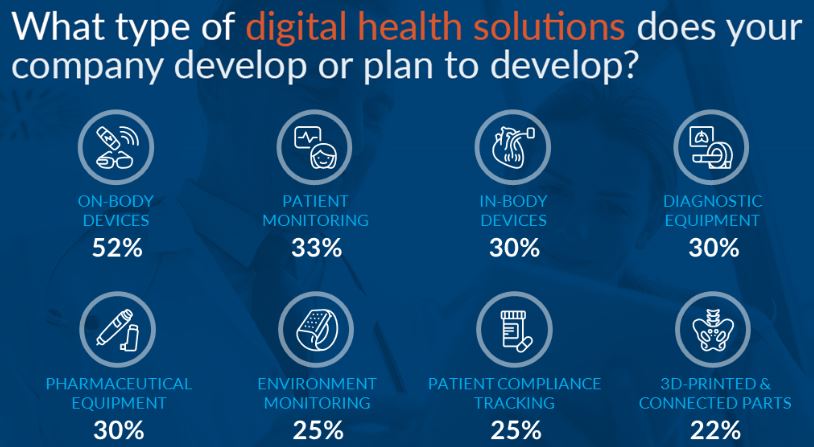
Miniaturization, flexible circuitry, and biometric capturing sensors are leading to exciting new devices that will help patients in recovery or with chronic issues. The data communicated from these solutions will equip healthcare providers and patients with the data that can transform healthcare.
Seamless technology integration – A range of emerging technologies, including artificial intelligence (AI), 5G, cloud-based applications, and a growing roster of IoMT devices.
More than nine in 10 healthcare solution providers agree that the collection and purposing of data should be standardized to enable interoperability between devices and within product platforms, according to the survey.
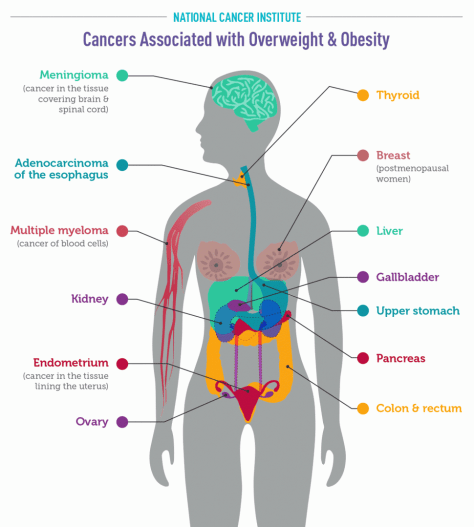
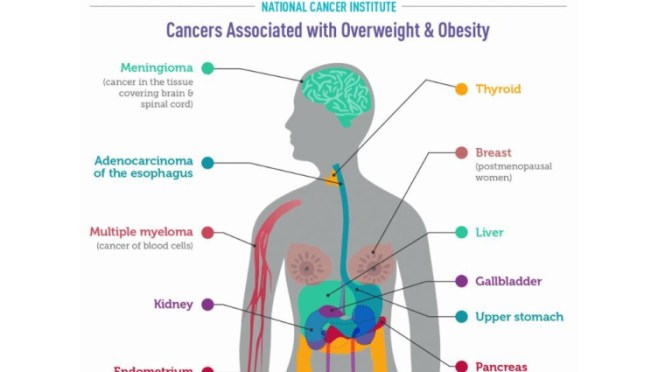
There is consistent evidence that higher amounts of body fat are associated with increased risks of a number of cancers (6), including:
COMMENTARY
Obesity increases the incidence of cancer, and complicates its treatment.
A healthy life style.,’including good sleep, diet and exercise, should prevent obesity in all but extreme genetic aberrations.
It is better to prevent problems than to grapple with them.
Stay healthy!
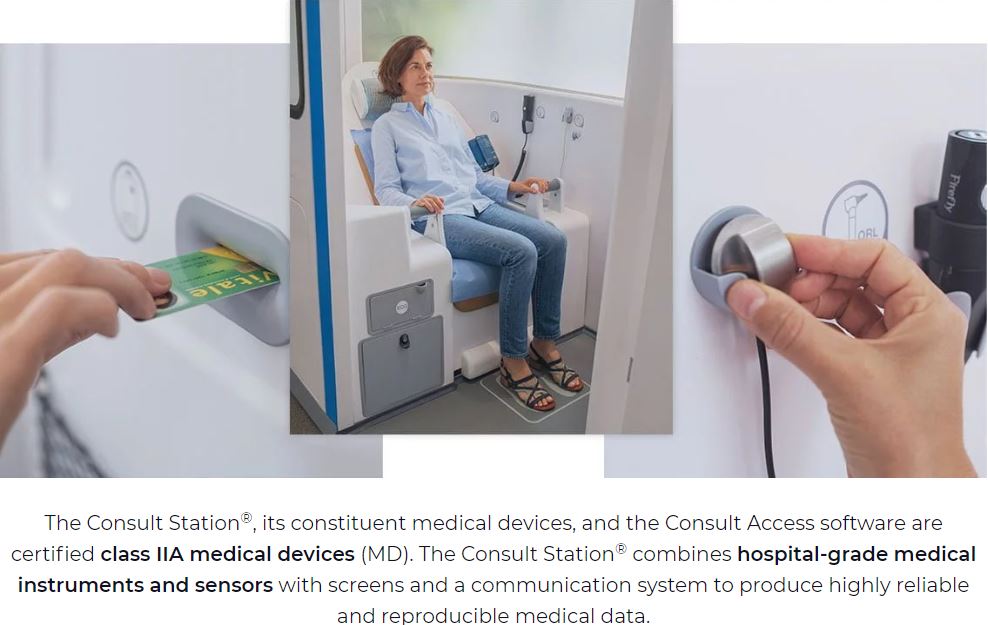
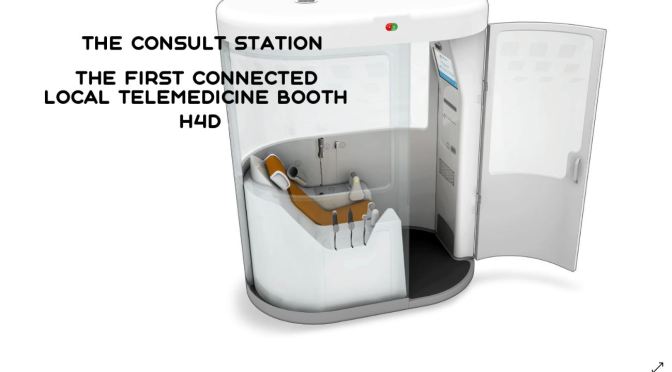
H4D facilitates access to healthcare by allowing patients to consult a doctor remotely in the Consult Station®, the first connected local telemedicine booth. This medical device allows quality healthcare to be delivered for primary care, occupational health, and general health promotion.
COMMENTARY
CONVENIENCE, SIMPLICITY, and SAFETY area all goals of TECHNOLOGY going forward.
The “hands-free” check-in for hospitals and hotels are convenient and safety, but require a certain level of familiarity with technology, and may be Hard for the elderly to use. I think about the airport check-in kiosks, and store check-out points. The solution is to have “helpers” stationed by to assist.
The Telemedicine booth, with devices for examination of the ears, nose, and throat, a stethoscope probe for the lungs, payment port, video camera, etc certainly offers convenience, but may need helpers for guidance, and to clean after every use.
I’m betting on a super I Phone in all areas, although cost and band width improvement will be needed.

COMMENTARY
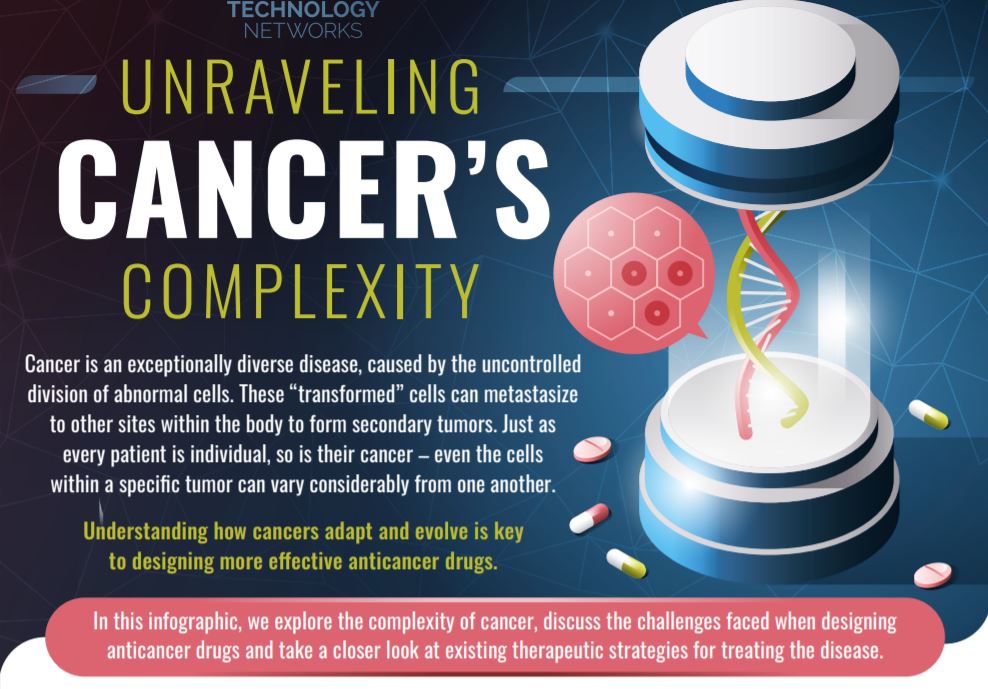
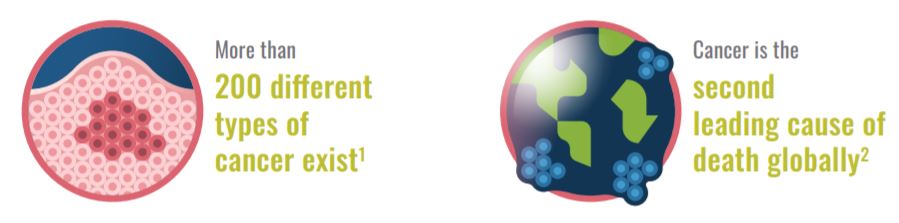
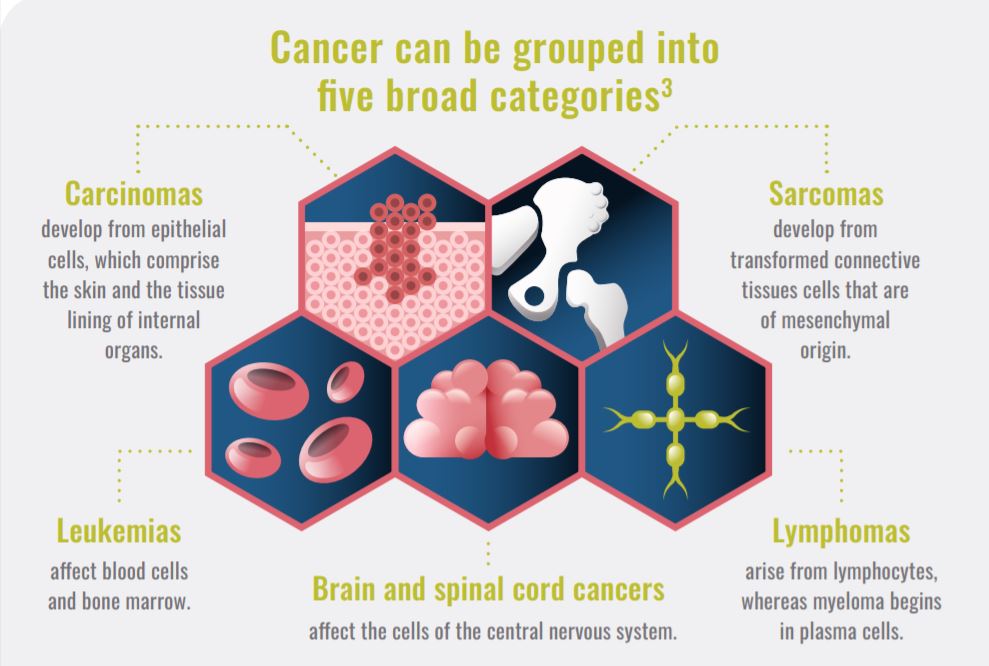
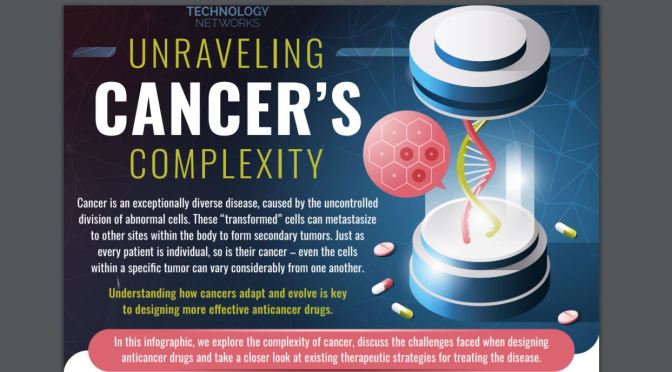
This infographic is a high-level discussion of cancer, with plenty of information to keep a Physicians’ interest.
The Human Body is a complex Community of individual cells that normally work together with admirable Harmony. Each individual cell is supplied with all its’ wants, and vigorously does its’ part for the Body.
Occasionally a ROGUE CELL escapes constraints and GOES ITS’ OWN WAY.
This has been happening from the beginning of multicellular life, and these MISCREANTS have EVOLVED to preserve themselves and have an amazing bag of TRICKS.
They are Very resourceful just like VIRUSES, which can also cause CANCER.
These twin threats give modern medical technology about all it can handle, and more.
PREVENTATIVE care offers a remedy.
Prevention is not at all complex, but of course requires thought, energy and planning. Prevention is difficult to square up with the easy, effortless, intuitive life we yearn for.
Do you have the resolve to give SLEEP, DIET and EXERCISE a chance?



 Doctors Without Waiting Rooms