A recent study of people with overweight or obesity and osteoarthritis showed that telehealth visits can be an effective way to provide care and may even help with weight loss, which can improve symptoms and prevent OA from worsening: https://t.co/xSSFxJmmfz#HarvardHealthpic.twitter.com/Qzoa7U4reD
Continuing the AMA’s “Look Forward/Look Back” series, AMA CXO Todd Unger talks with Meg Barron, the AMA’s vice president of digital health strategy, about the role of telehealth post-pandemic and a new program that can help practices optimize and expand their telehealth efforts.
“…telemedicine can improve through both sustaining innovation (incremental improvement upon what we are already doing for patients) and through disruptive innovation (simpler solutions for patients with simpler needs and/or patients we are not currently serving).”
Telemedicine as a Sustaining Innovation
Most telemedicine in its current form is a sustaining innovation. There has been incremental improvement in telecommunication technologies from the traditional phone to current videoconferencing software integrated with electronic medical records, development of secure platforms for short messaging service (SMS) between patients and providers, and introduction of connected devices that can monitor and transmit patients’ health data to their providers.
Disruptive Telemedicine
Beyond improving the way care is already delivered, telemedicine may also serve as a vehicle for disruption in overlooked health care markets, particularly low-end or new-market segments. Many customers are currently overserved by traditional care delivery in the form of regular visits (in-person or virtual) with a physician, which are structured to provide more than what they need and less of what they want.
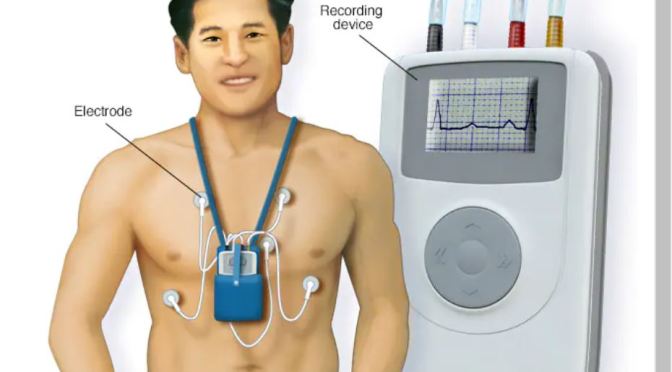
It’s like an auto mechanic running a diagnostic test on your car’s engine while it’s out of the garage and traveling down the road. Wearable heart monitors are valuable tools that cardiologists use to determine if you are experiencing atrial fibrillation, which is your heart beating at an irregular or rapid rhythm.
Cleveland Clinic National Survey Finds Some Men Prefer Seeing Their Doctor Virtually
National MENtion It® campaign examines shift toward the use of virtual healthcare after Cleveland Clinic sees 37,000 virtual visits in 2019 increase to 1.2 million in 2020.
A new national survey by Cleveland Clinic reveals that some men prefer seeing their doctor virtually, especially when it comes to discussing men’s health issues.
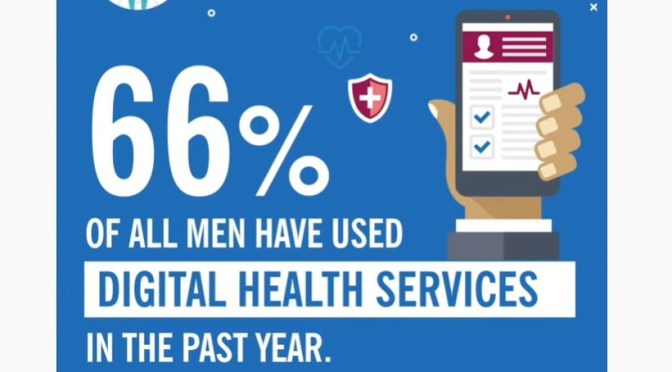
According to the survey, 44% of all men said they prefer discussing sexual health issues with a doctor online or over the phone because they are too embarrassed to do it in person, and 66% of all men have used digital health services in the past 12 months. Cleveland Clinic, which went from 37,000 virtual visits in 2019 to 1.2 million in 2020, is fully open for in-person care but continues to see the trend toward increased use of virtual healthcare in 2021.
An explosion of advances in digital technology, imaging, gene sequencing and AI will likely transform the annual physical into an even more virtual experience https://t.co/nyuH8A6tWB
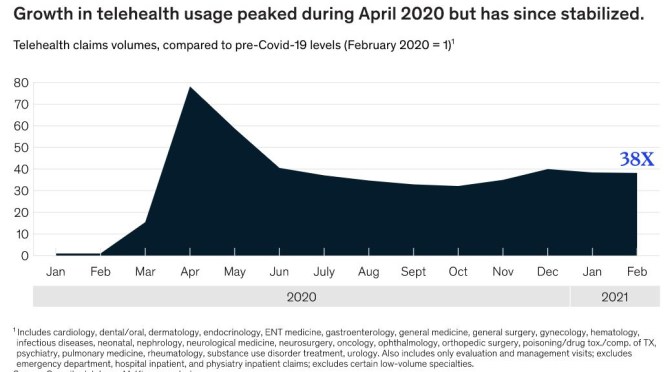
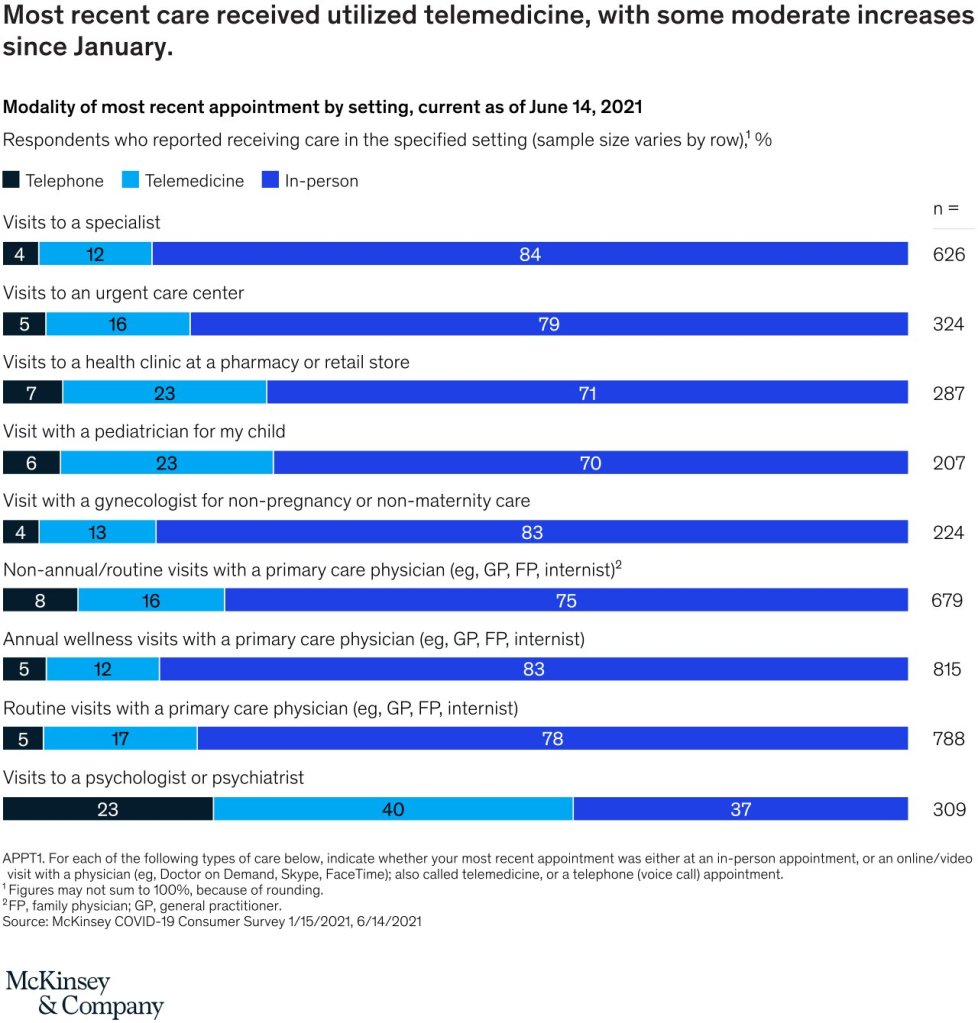
Telehealth utilization has stabilized at levels 38X higher than before the pandemic. After an initial spike to more than 32 percent of office and outpatient visits occurring via telehealth in April 2020, utilization levels have largely stabilized, ranging from 13 to 17 percent across all specialties.2 This utilization reflects more than two-thirds of what we anticipated as visits that could be virtualized.3
Similarly, consumer and provider attitudes toward telehealth have improved since the pre-COVID-19 era. Perceptions and usage have dropped slightly since the peak in spring 2020. Some barriers—such as perceptions of technology security—remain to be addressed to sustain consumer and provider virtual health adoption, and models are likely to evolve to optimize hybrid virtual and in-person care delivery.
Some regulatory changes that facilitated expanded use of telehealth have been made permanent, for example, the Centers for Medicare & Medicaid Services’ expansion of reimbursable telehealth codes for the 2021 physician fee schedule. But uncertainty still exists as to the fate of other services that may lose their waiver status when the public health emergency ends.
Investment in virtual care and digital health more broadly has skyrocketed, fueling further innovation, with 3X the level of venture capitalist digital health investment in 2020 than it had in 2017.4
Virtual healthcare models and business models are evolving and proliferating, moving from purely “virtual urgent care” to a range of services enabling longitudinal virtual care, integration of telehealth with other virtual health solutions, and hybrid virtual/in-person care models, with the potential to improve consumer experience/convenience, access, outcomes, and affordability.







 Doctors Without Waiting Rooms