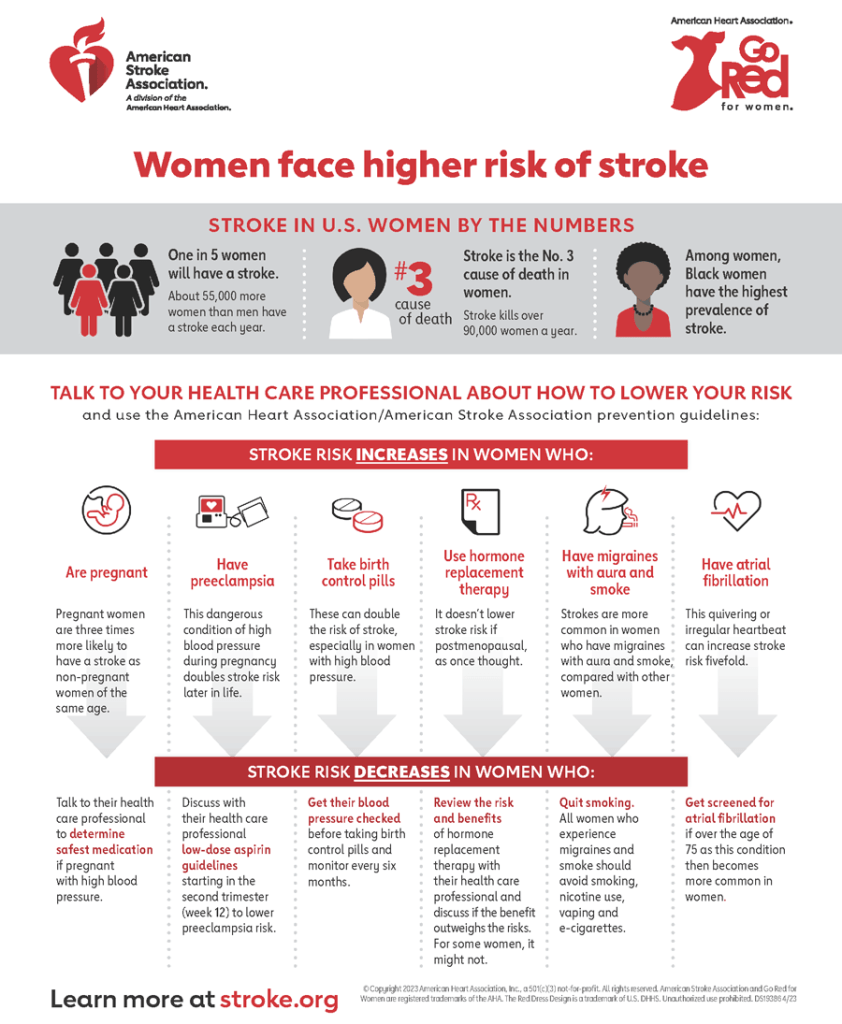
One in 5 women will have a stroke. About 55,000 more women than men have a stroke each year.
Stroke is the No. 3 cause of death in women. Stroke kills over 90,000 women a year.
Among women, Black Women have the highest prevalence of stroke.
Talk to your health care provider about how to lower your risk and use the American Heart Association/American Stroke Association prevention guidelines:
Stroke risk increases in women who:
Are pregnant. Pregnant women are three times more likely to have a stroke as women of the same age.
Have preeclampsia. This dangerous condition of high blood pressure during pregnancy doubles stroke risk later in life.
Take birth control pills. These can double the risk of stroke, especially in women with high blood pressure.
Use hormone replacement therapy. It doesn’t lower it, like once thought.
Have migraines with aura and smoke. Strokes are more common in women who have migraines with aura and smoke, compared with other women.
Have atrial fibrillation. This quivering or irregular heartbeat can increase stroke risk fivefold. After age 75, it’s more common in women than men.
Stroke risk decreases in women who:
Talk to their health care provider to determine safest medication if pregnant with high blood pressure.
Discuss with their health care provider low-dose aspirin guidelines starting in the second trimester (week 12) to lower preeclampsia risk.
Get their blood pressure checked before taking birth control pills and monitor every six months.
Don’t use hormone replacement therapy to prevent stroke if postmenopausal.
Quit smoking if they have migraines with aura.
Get screened for atrial fibrillation if over age 75.
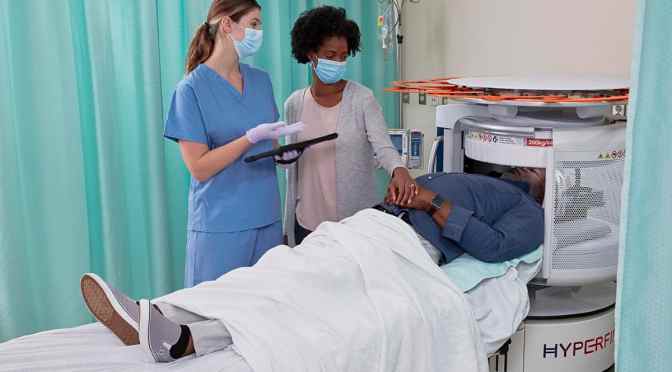
Recently, low-field MRI scanners have become available that are portable, are cryogen-free, are easy to use, provide rapid patient loading and unloading, have minimal power requirements, and have relatively low purchase prices and maintenance costs. For some indications, including ischemic stroke, these MRI scanners are a welcomed addition to the clinical armamentarium, as they have the potential to improve some aspects of clinical care over the current standard of care.
For one, they offer rapid “point-of-care” imaging diagnosis. Owing to their reduced cost and portability, these scanners could be deployed in a myriad of new settings, such as at-large public gatherings (e.g., sporting events or rock concerts), rural health care centers, emergency rooms, and assisted living facilities. Future innovations in motion correction, noise remediation, and image data upload capabilities suggest the eventual use of these scanners in ambulances or even on the battlefield.
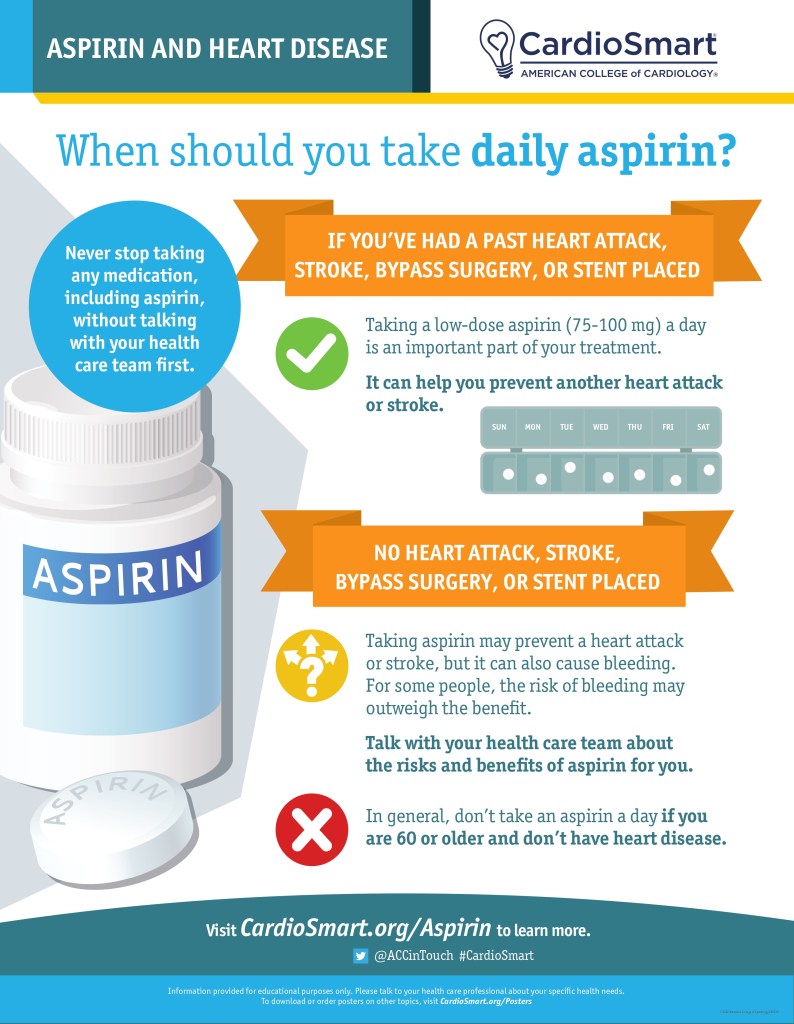
If you’ve had a heart attack or stroke: Taking a low-dose aspirin a day is an important part of your treatment. It can help you prevent another heart attack or stroke.
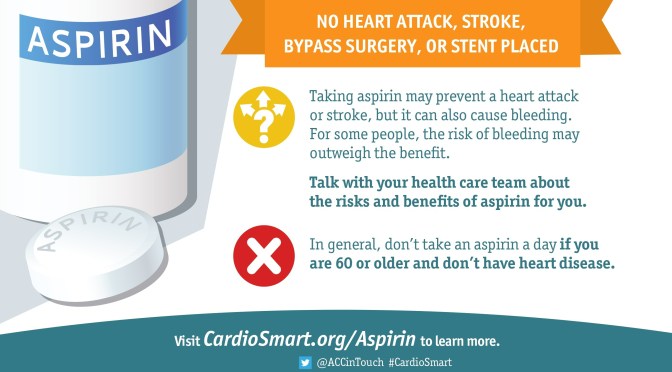
If you haven’t had a heart attack or stroke: Taking an aspirin a day may prevent heart attack or stroke, but it can also cause bleeding. Talk with your health care team about the risks and benefits of aspirin for you. In general, don’t take a daily aspirin if you are 60 or older and don’t have heart disease.
Low vitamin D levels were linked with an increased risk of both dementia and stroke over the following 11 years. Based on this observational study, people with low vitamin D levels were found to have a 54% greater chance of developing dementia compared with people whose levels were normal.
A study published online April 22, 2022, by The American Journal of Clinical Nutrition suggests vitamin D deficiency may raise risk for dementia and stroke.
The study analyzed more than 294,000 people (most of them women over 60) living in the United Kingdom. Using blood tests on all participants and neuroimaging tools on about 34,000, researchers looked for associations between vitamin D levels and risks of dementia and stroke. A normal blood vitamin D level was defined as at least 50 nanomoles per liter (nmol/L); a deficiency was defined as less than 25 nmol/L.
A transient ischemic attack (TIA) is sometimes called a “mini-stroke.” It is different from the major types of stroke, because blood flow to the brain is blocked for only a short time—usually no more than 5 minutes.1
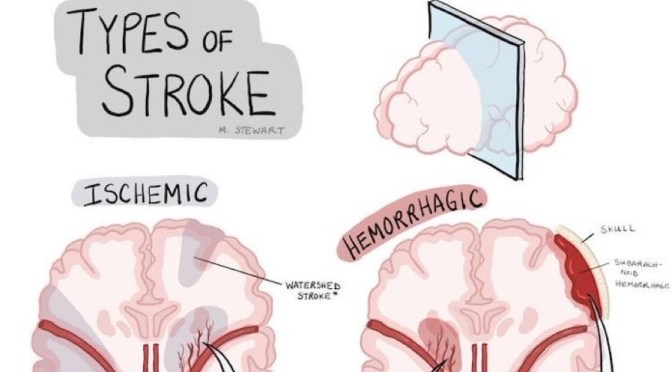
Ischemic stroke
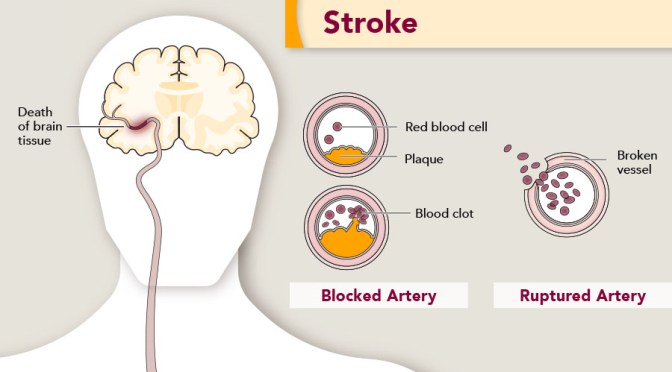
Most strokes are ischemic strokes.2 An ischemic stroke occurs when blood clots or other particles block the blood vessels to the brain.
Fatty deposits called plaque can also cause blockages by building up in the blood vessels.
Hemorrhagic stroke
A hemorrhagic stroke happens when an artery in the brain leaks blood or ruptures (breaks open). The leaked blood puts too much pressure on brain cells, which damages them.
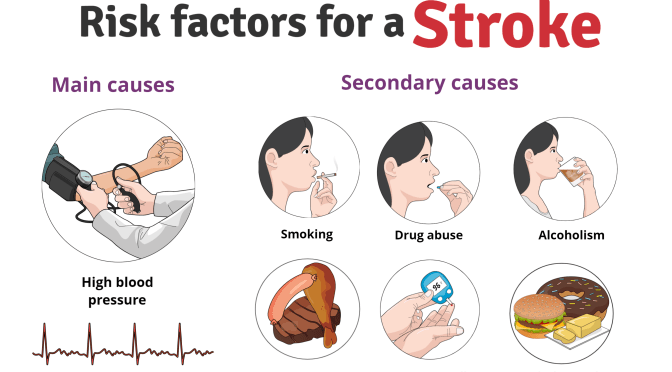
High blood pressure and aneurysms—balloon-like bulges in an artery that can stretch and burst—are examples of conditions that can cause a hemorrhagic stroke.
Transient ischemic attack (TIA or “mini-stroke”)
For Blanche Teal-Cruise, a smoker for 40 years who also had high blood pressure, the transient ischemic attack (sometimes called a mini-stroke) she had on the way to work was a wake-up call. Read Blanche’s story.
TIAs are sometimes known as “warning strokes.” It is important to know that
A TIA is a warning sign of a future stroke.
A TIA is a medical emergency, just like a major stroke.
Strokes and TIAs require emergency care. Call 9-1-1 right away if you feel signs of a stroke or see symptoms in someone around you.
There is no way to know in the beginning whether symptoms are from a TIA or from a major type of stroke.
Like ischemic strokes, blood clots often cause TIAs.
More than a third of people who have a TIA and don’t get treatment have a major stroke within 1 year. As many as 10% to 15% of people will have a major stroke within 3 months of a TIA.1
Recognizing and treating TIAs can lower the risk of a major stroke. If you have a TIA, your health care team can find the cause and take steps to prevent a major stroke.
Sitting too much can boost #stroke risk. But adding more movement—even low-effort activity such as doing household chores—may help lower that risk. #HarvardHealthhttps://t.co/y8qviVinxG
The study involved 7,607 adults who wore a hip-mounted accelerometer (a device that records how fast you move) for a week. Their average age was 63. During a follow-up period averaging 7.4 years, 246 of the participants experienced a stroke.
People who sat for 13 or more hours per day during the initial week of motion tracking were 44% more likely to have a stroke compared with those who’d spent less than 11 hours per day sitting still. In addition, longer bouts of sitting (more than 17 minutes at a time) were linked to a higher risk than shorter bouts (less than eight minutes).
Duke’s Telestroke Network gives patients and doctors at five NC and VA hospitals access to Duke stroke specialists 24/7. Now, patients at these hospitals get the immediate care they need.
Stroke is one of the leading causes of death and disability in the U.S. with almost 800,000 cases diagnosed each year. Dr. David Miller, director of the Comprehensive Stroke Center at Mayo Clinic in Florida, explains how to reduce your stroke risk..
Stroke is far more common than you might realize, affecting more than 795,000 people in the U.S. every year. It is a leading cause of death and long-term disability. Yet until now, treatment options have been limited, despite the prevalence and severity of stroke.
Not so long ago, doctors didn’t have much more to offer stroke victims than empathy, says Kevin Sheth, MD, Division Chief of Neurocritical Care and Emergency Neurology. “There wasn’t much you could do.” But that is changing. Recent breakthroughs offer new hope to patients and families. Beating the Clock Think of stroke as a plumbing problem in the brain. It occurs when there is a disruption of blood flow, either because of a vessel blockage (ischemic stroke) or rupture (hemorrhagic stroke).
In both cases, the interruption of blood flow starves brain cells of oxygen, causing them to become damaged and die. Delivering medical interventions early after a stroke can mean the difference between a full recovery and significant disability or death. Time matters. Unfortunately, stroke care often bottlenecks in the first stage: diagnosis. Sometimes, it’s a logistical issue; to identify the type, size, and location of a stroke requires MRI imaging, and the machinery itself can be difficult to access.
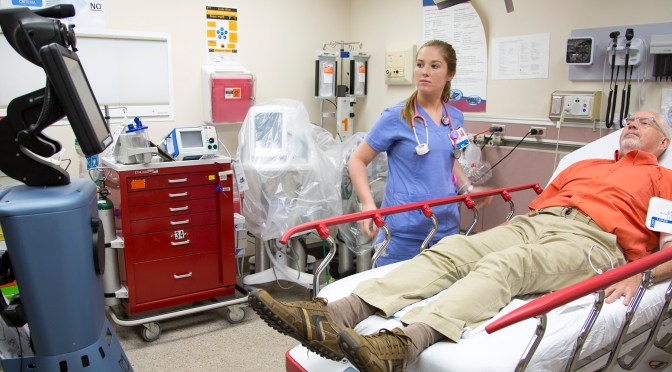
MRIs use powerful magnets to create detailed images of the body, which means they must be kept in bunker-type rooms, typically located in hospital basements. As a result, there is often a delay in getting MRI scans for stroke patients. Dr. Sheth collaborated with a group of doctors and engineers to develop a portable MRI machine. Though it captures the images doctors need to properly diagnose stroke, it uses a less powerful magnet. It is lightweight and can be easily wheeled to a patient’s bedside.
“It’s a paradigm shift – from taking a sick patient to the MRI to taking an MRI to a sick patient,” says Dr. Sheth. Stopping the Damage Once a stroke has been diagnosed, the work of mitigating the damage can begin. “Brain tissue is very vulnerable during the first hours after stroke,” says vascular neurologist Nils Petersen, MD. He and his team are using advanced neuro-monitoring technology to study how to manage a patient’s blood pressure in the very acute phase after a stroke.
Dr. Petersen’s research shows that optimal stroke treatment depends on personalization of blood pressure parameters. But calculating the ideal blood pressure for the minutes and hours after a patient has a stroke can be complicated. It depends on a variety of factors—it is not a one-size-fits-all scenario. Harnessing the Immune System Launching an inflammatory reaction is how the body responds to injury anywhere in the body – including the brain, following stroke. However, in this case, the resulting inflammation can sometimes cause even more damage.
But what if that immune response could be used to the patient’s advantage? “We’re trying to understand how we can harness the immune system’s knowledge about how to repair tissues after they’ve been injured,” says Lauren Sansing, MD, Academic Chief of the Division of Stroke and Vascular Neurology. Her team is working to understand the biological signals guiding the immune response to stroke.
That knowledge can then direct the development of targeted therapeutics for the treatment of stroke that minimize early injury and enhance recovery. “We want to be able to lead research efforts that change the lives of patients around the world,” says Dr. Sansing.
Learn about these developments and more in the video above.





 Doctors Without Waiting Rooms