

Tag Archives: Health

Inflammation: Three Ways It Affects Your Health
Acute inflammation happens as a part of our defense mechanism to clear out pathogens. So when a virus or bacteria invades us, we need to quickly mount an acute inflammatory response to get rid of the pathogen. Sometimes, that acute immune response isn’t enough to get rid of the pathogen. That’s when we elevate the level to the adaptive immune response. That’s when you involve specific lymphocytes, T and B cells, to fight off the infection.
So inflammation is a necessary process for dealing with pathogens but sometimes, it can also turn against us. Chronic inflammation happens because the body fails to get rid of the cause of the inflammation, such as viruses and bacteria. In those conditions, such as, you know, chronic infection with HIV or hepatitis virus or lung COVID, in which case we there may be a persistent viral reservoir that’s causing this chronic inflammation, the inflammation itself becomes the enemy.
Even though inflammation evolve to counter pathogens, it’s also engaged by other causes, and so having this amount of fat, for example, alone is able to trigger the immune system and induce the chronic inflammatory response that then fuels further problems to happen because the body is sort of trying to fight off a non-existent infection and therefore, it can sort of engage a chronic state of inflammation.
I can’t think of a disease which doesn’t involve inflammation, but we are now learning more and more about the physiological role of inflammation. Homeostasis ensures that we have a normal operation of different physiological functions like heart rate, breathing and glucose levels or insulin levels. Those two system, the inflammatory system and the homeostasis, they work together to maintain each other. Sometimes, the inflammatory response has to override the homeostatic response.
That includes things like adaptation to a different diet. The immune cells are now known to be able to sense differences in dietary conditions and adapt the intestine for future absorption of nutrients. This kind of events that are not necessarily at all related to pathogens, but for maintaining physiology. Inflammatory responses are integral in order to maintain health. So a molecular-level understanding of inflammation is necessary to understand the logic by which these systems function, and also it provides the pharmaceutical target for future therapies of inflammatory diseases.
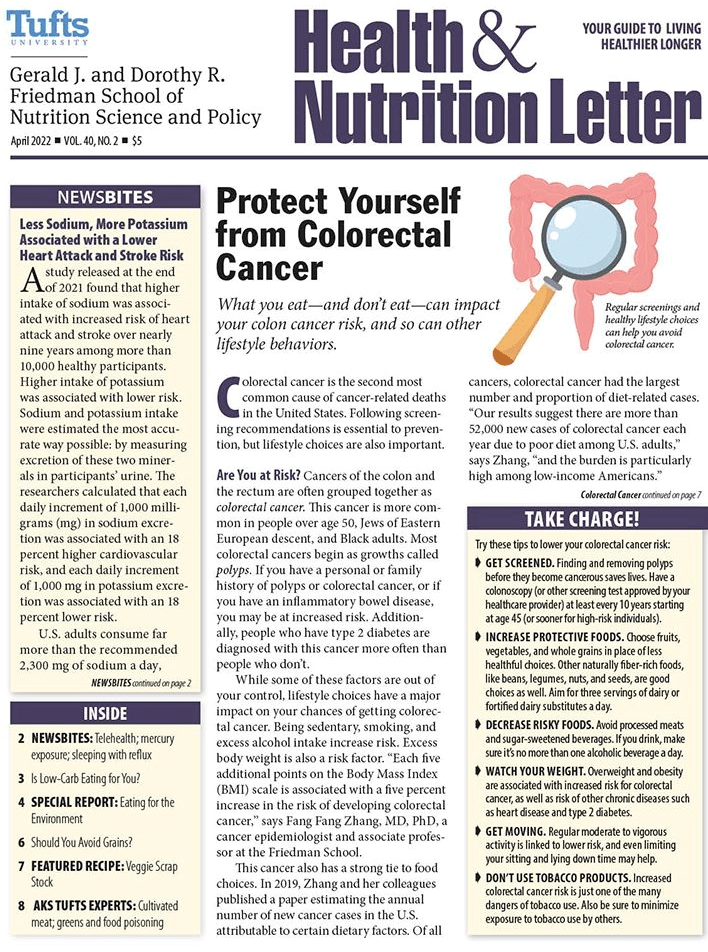
Diet News: Tufts Health & Nutrition Letter (Mar ’22)
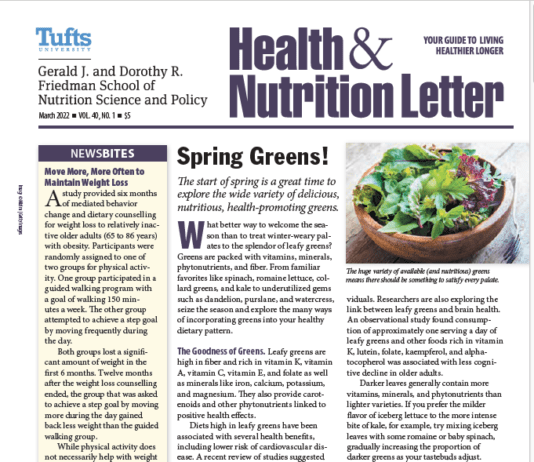
| This month, read about: |
| Spring Greens!NEWSBITES: Vitamin B12 and depression; vegetables for bone healthChrononutritionYour Amazing Digestive SystemDiet and Your ThyroidAsk Tufts Experts: Nutrition Label Nutrients … Diet and Diverticulitis |
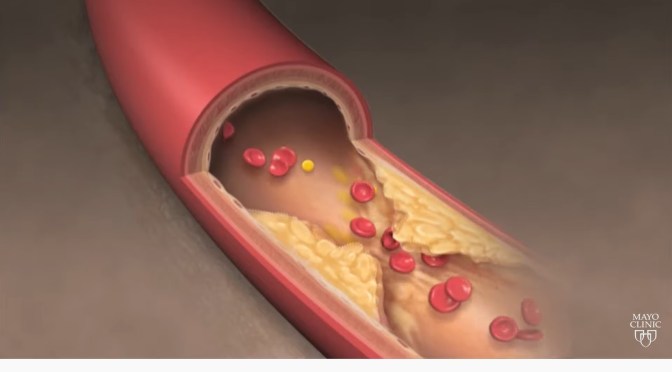
Diet: What You Need To Know About Cholesterol
Mayo Clinic Minute – What you need to know about cholesterol.
Cholesterol is any of a class of certain organic molecules. A cholesterol is a sterol, a type of lipid. Cholesterol is biosynthesized by all animal cells and is an essential structural component of animal cell membranes. When chemically isolated, it is a yellowish crystalline solid.
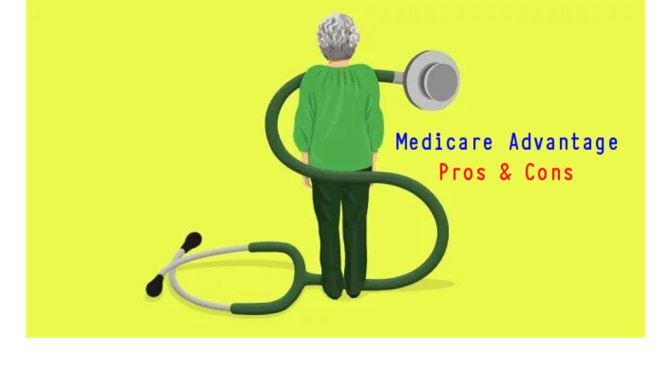
Healthcare: Pros & Cons Of Medicare Advantage
Medicare Advantage is an all-in-one managed care plan, typically an HMO or PPO. Advantage plans provide the benefits of Part A and B, and most also include Part D, or prescription drug coverage. Some offer extra benefits not available through Original Medicare, such as fitness classes or vision and dental care.
If you opt for Medicare Advantage, you typically continue to pay your Part B premium as usual, but you will pay little or no additional premiums for your coverage. You generally have copays or coinsurance, but once you reach your out-of-pocket limit, the plan will pay 100 percent of your medical costs covered under Medicare for the rest of the year. The out-of-pocket limit does not apply to prescription drugs or extra benefits.
To keep premiums low, Advantage plans generally require you to get your care from a network of doctors, hospitals, and other providers, and you typically need pre-authorization for specialized care.
Read more
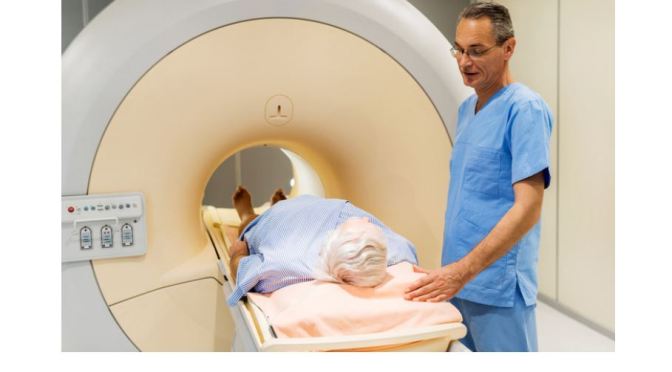
Medicine: CT Scans & Radiation Exposure
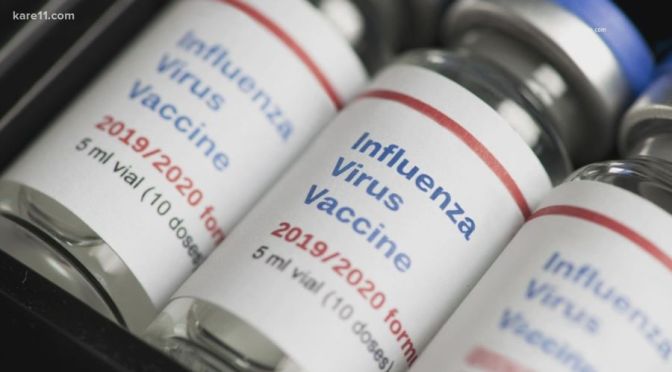
Health: Distinguishing Between Flu & Covid-19
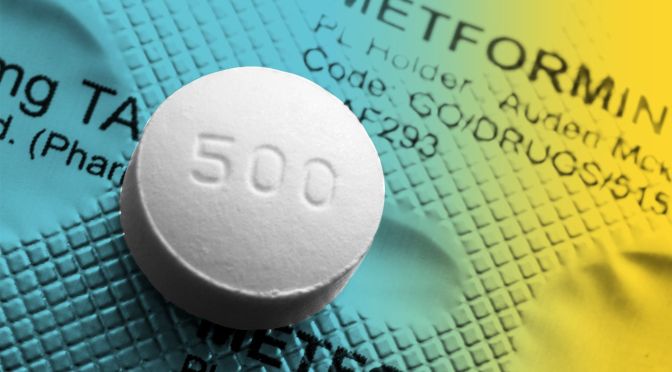
Medicine: Is Metformin A Wonder Drug? (Harvard)

Health: Preventing Deadly Falls Among The Elderly
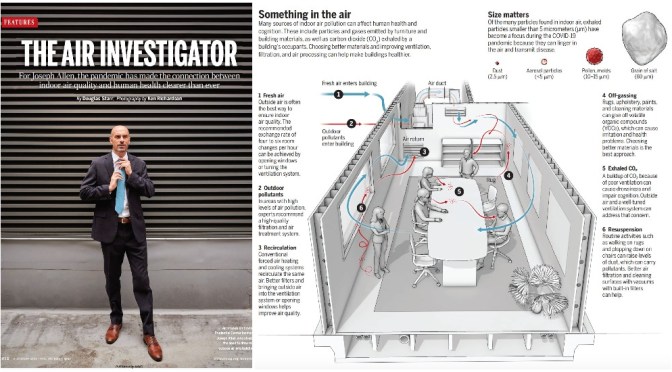
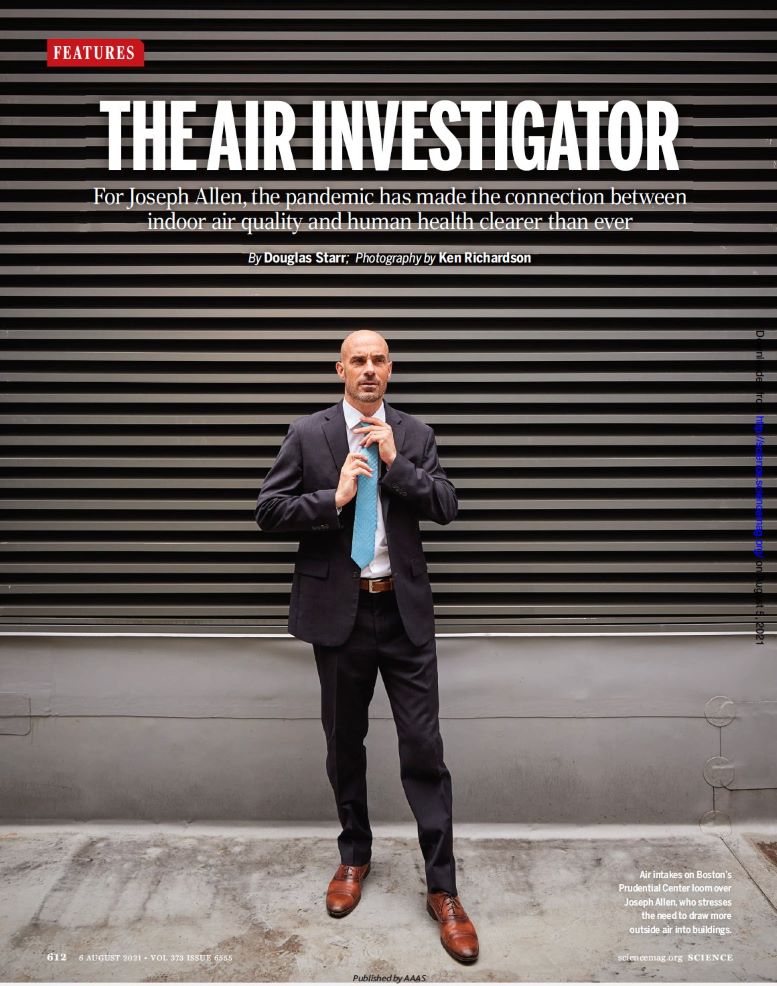
SCIENCE: CLEANING INDOOR AIR WILL IMPROVE HUMAN HEALTH AND COGNITION

COMMENTARY:
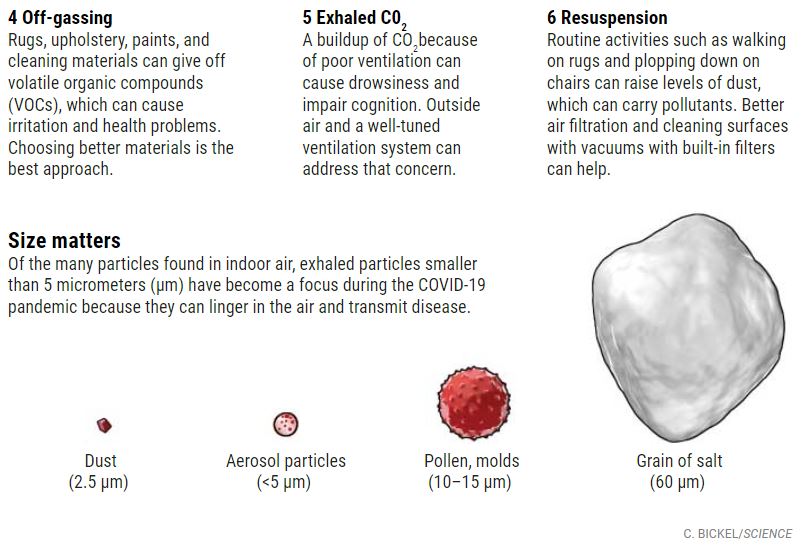
Joseph Allen, the “air investigator”, was apparently on board early in the COVID-19 epidemic, stressing the importance of suspended air particulates, less than 2 microns in size, causing transmission of the disease.
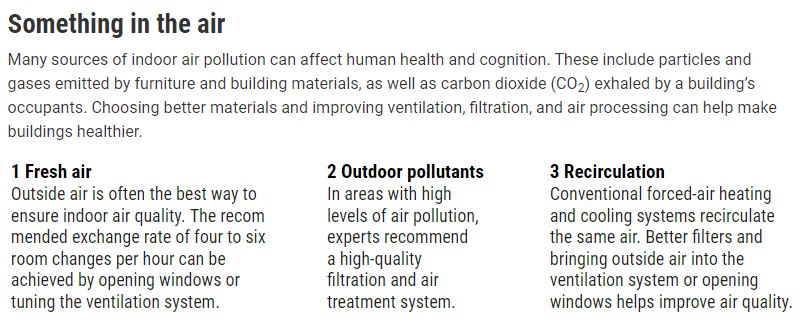
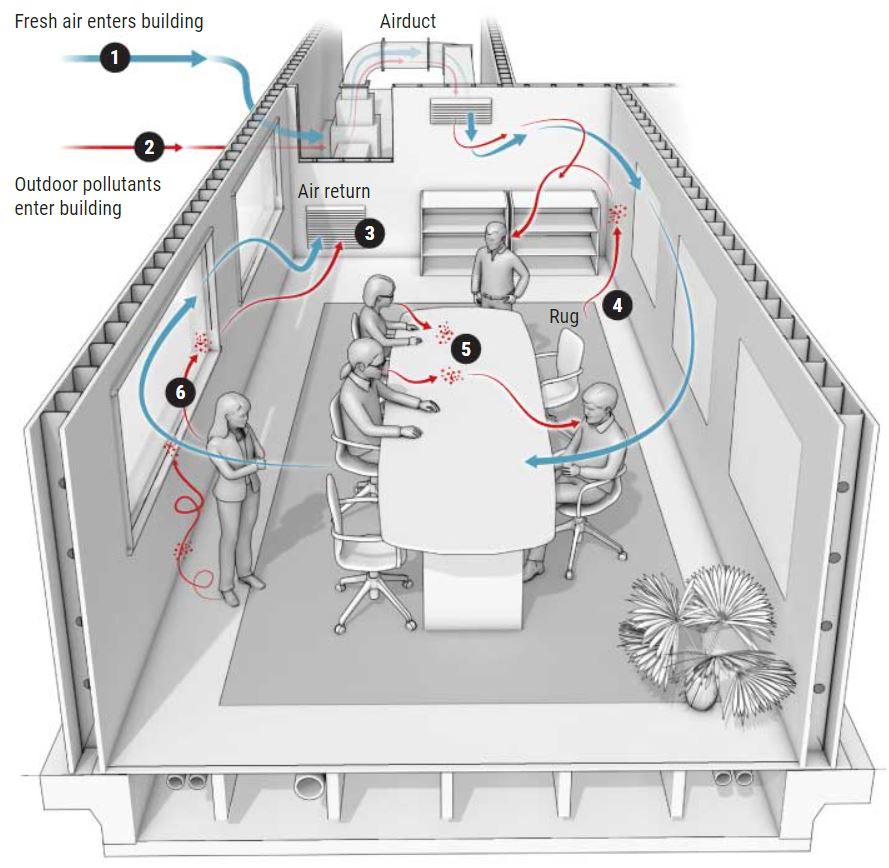
His article in Science: “clean indoor air will improve human health and cognition” is well worth reading, or at least inspecting the info graphic. As a practicing allergist, I was aware that inside dust mite particles and mold spores made allergies worse. We had a service where we would go into homes and sample the air. An excess of certain Indoor mold spores, compared with those outside, would indicate a “problem home”. We would then try to find the water leakage source that produced the molds.
I also had a patient who could not tolerate a new house, with its carpets and other artificial materials. The only place where she felt better was in an old seaside house 100 miles south of San Francisco. I thought there were some psychological factors, but who knows? Volatile organic compounds, VOCs, probably affect some people more severely.
Beginning shortly after the energy crisis in the 80s, the “sick building syndrome”, characterized by headache and fatigue in certain buildings, was on the news. The eventual solution was to create better ventilation, with a reduction of CO2 and VOCs in those buildings. In addition, federal agencies began banning certain artificial fabrics that out-gassed VOCs.
There was eventually less talk about sick building syndrome, except for the occasional air system which was contaminated with Legionella bacteria.
The present article stresses accumulation of CO2 and VOCs In the stale air in the individual home or office as a cause of diminished attention and productivity.
CO2 monitors still cost about $200, and so I think I am going to just try to increase the ventilation in my office, where I get sleepy in the afternoon, by opening the windows and sliding doors. I wonder about the indoor CO2 in Scandinavian winters, where depression is increased.
 Doctors Without Waiting Rooms