Tag Archives: Aging

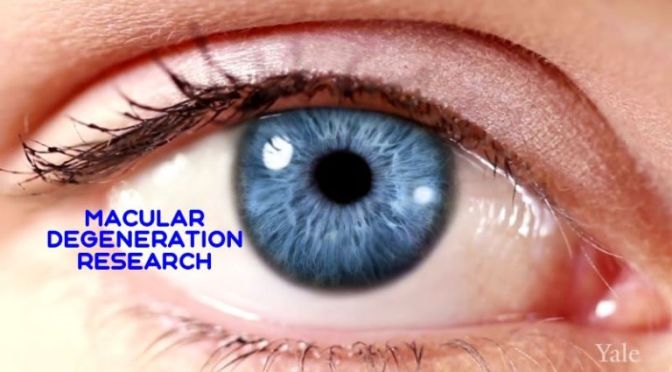
Infographic: Age-Related Macular Degeneration

An eye disease that causes vision loss.

Macular degeneration causes loss in the center of the field of vision. In dry macular degeneration, the center of the retina deteriorates. With wet macular degeneration, leaky blood vessels grow under the retina.

Blurred vision is a key symptom.

A special combination of vitamins and minerals (AREDS formula) may reduce disease progression. Surgery may also be an option.

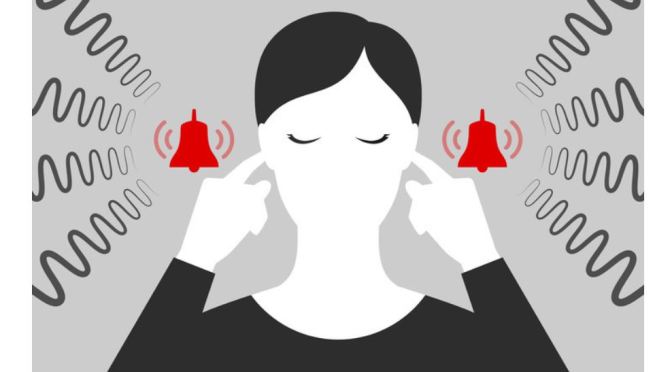
Ear Health: Causes And Treatments For Tinnitus

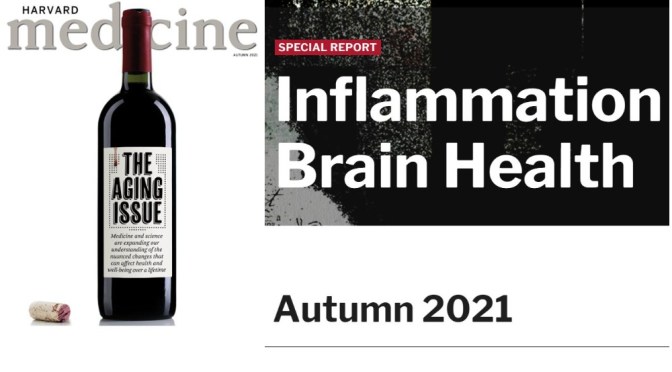
‘HARVARD MEDICINE’: THE AGING ISSUE – AUTUMN 2021

Medicine: Is Metformin A Wonder Drug? (Harvard)

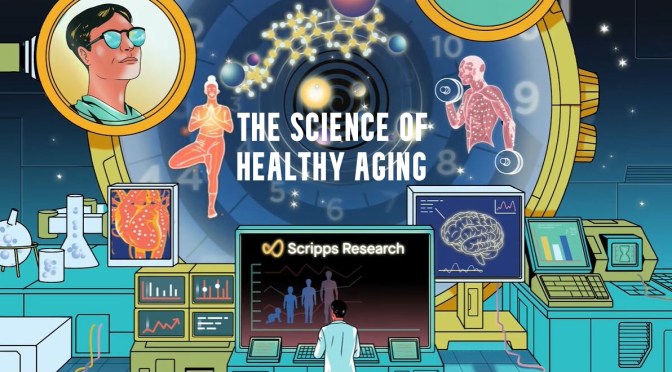
RESEARCH: ‘THE SCIENCE OF HEALTHY AGING’ (SCRIPPS)

Although growing older comes with a number of major life changes, science can help inform the things we do in the here in and now to forestall the most serious features of the aging self, promoting healthspan and not just lifespan.

Summer 2021
  • Build Muscle – Muscle mass is one the best predictors of health and longevity. Muscle tissue is known to release its own chemicals called myokines, which can have benefits that span cognition, immunity and anti-cancer activity. By performing regular, resistance-based exercise that prioritizes strength, we can delay the loss of bone density and risk of physical injuries.
  • Vitamin D – Commonly known as the sunshine vitamin, vitamin D is in fact a critical hormone that helps maintain healthy bones, boost our immune system and improve our cardiovascular function. With age, the production of vitamin D in the skin can become less efficient, so if we don’t spend enough time outdoors, our risk of vitamin D deficiency may increase.
  • Neurodegenerative Diseases – One of the most unsettling aspects of aging is the potential for neurodegenerative disease. These conditions are increasingly prevalent in those with diabetes, suggesting that the brain’s blood flow and energy supply may be compromised. Research indicates that regular physical exercise, a healthy whole foods diet and staying intellectually active could at least slow the rate of decline.
  • Mindfulness – As we get older, major arteries can become thicker and less flexible, leading to increased blood pressure and undue strain on the heart. A regular mindfulness practice such as yoga or meditation has been shown to stem the release of stress hormones like cortisol and adrenaline. By freeing us from this “fight-or-flight” state, this habit can improve blood flow and reduce the risk of heart attack and stroke.
  • Stay Social – As social animals, maintaining a strong sense of community and close personal relationships into old age are underestimated contributors to longevity. While social isolation in seniors can result in significant physical and mental decline, research suggests that close loved ones offer important emotional support and behavioral modifications that can overcome periods of high stress.
  • Metabolism – “My metabolism is slowing down!” That’s what we often hear, as the aging body becomes less effective at using energy, placing us at risk of obesity and type 2 diabetes. By maintaining our muscle mass and reducing sugar consumption, we can support hormonal health, preserve our metabolism and keep our vitality into those advanced years. As scientists continue to find ways to extend our lives, paying attention to these keys to healthy aging can help increase the quality of those extra years.

Read more

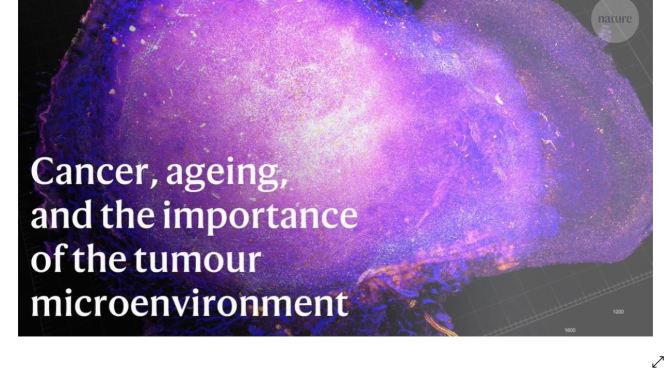
Cancer: Aging & Tumor Microenvironments

Professor Ashani Weeraratna has been studying the cancer microenvironment in her lab for the past 17 years. Taking into account that the tissues in our bodies change as we age is important when researching cancer biology. She hopes that gaining a better understanding of how the growth of cancer cells is affected by their direct cellular ‘neighbourhood’, especially when we age, could be key to developing better treatments for patients with cancer. Read more in

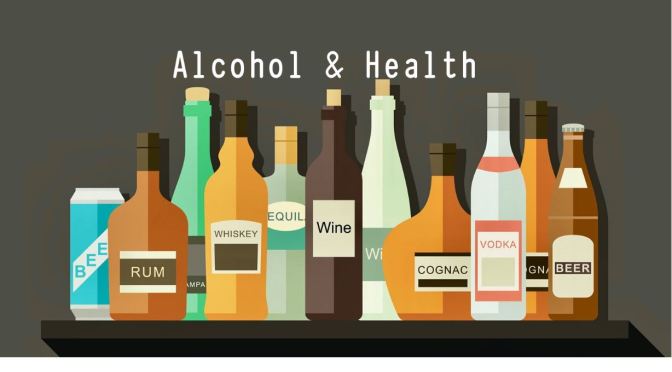
Doctor’s Journal: ‘Alcohol And Health’

Alcohol has been used by mankind since before recorded history. It causes a pleasant slowdown of the nervous system, Lessening inhibition  and loosening the tongue, making it the perfect lubricant for social interaction. Unfortunately, it is a metabolic poison.

Excess alcohol use is common enough to have resulted in its prohibition in the United States in the 20s. The side effects of this prohibition proved worse than its benefits, and alcohol currently enjoys the status of one of the few legally permitted Psychoactive drugs.

After diligently searching for beneficial effects of alcohol, society discovered that mild drinking promotes longevity. It is difficult to drink just the right amount of alcohol, and  There is little doubt that excessive drinking is deleterious to the body.

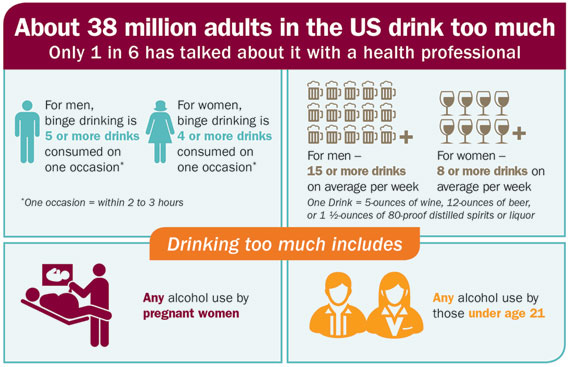
The liver is the organ responsible for getting rid of alcohol. Unfortunately, liver function gradually declines with age, so that the older you get the less alcohol you can tolerate. 14 drinks a week is the suggested upper limits for alcohol’s benefit, and this number shrinks as you get older.

I became interested in alcohol in the elderly because of a friend whose doctor discovered that his red blood cells were enlarged. This can be due to alcohol in at least two different ways. If you drink too much alcohol, you need less calories, and often have a poor diet as a result. B12 (and folic acid) deficiency can result and may cause large red blood cells.

I also learned that alcohol can directly caused large red blood cells because of the toxic effects on the bone marrow, where Red blood cells are made. The very young also have more difficulty with alcohol. Early in my career I discovered 2 young infants who had convulsions after getting into their parents wine closets. These convulsions turned out to be caused by a low blood sugar which developed because glucose, the common blood sugar, is consumed in the process of burning, or metabolizing, alcohol.

My own use of alcohol has been progressively declining with age. I feel good with less alcohol for a shorter time the older I get.

—Dr. C.

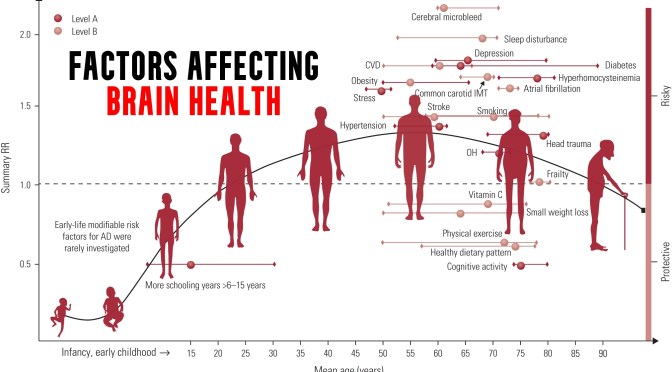
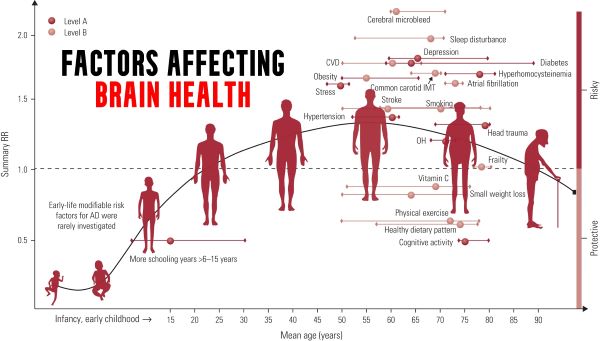
INFOGRAPHIC: ENHANCING BRAIN HEALTH ACROSS AN INDIVIDUAL’S LIFESPAN

Opportunities for enhancing brain health across the lifespan

Published online by Cambridge University Press:  22 March 2021

Summary

As we age, there are characteristic changes in our thinking, reasoning and memory skills (referred to as cognitive ageing). However, variation between people in the timing and degree of change experienced suggests that a range of factors determine individual cognitive ageing trajectories. This narrative review considers some of the lifestyle factors that might promote (or harm) cognitive health. The focus on lifestyle factors is because these are potentially modifiable by individuals or may be the targets of behavioural or societal interventions. To support that, the review briefly considers people’s beliefs and attitudes about cognitive ageing; the nature and timing of cognitive changes across the lifespan; and the genetic contributions to cognitive ability level and change. In introducing potentially modifiable determinants, a framing that draws evidence derived from epidemiological studies of dementia is provided, before an overview of lifestyle and behavioural predictors of cognitive health, including education and occupation, diet and activity.

Read more