THE DOCTORS 101 CHRONIC SYMPTOMS & CONDITIONS #9: “Choking” (Food-Related)

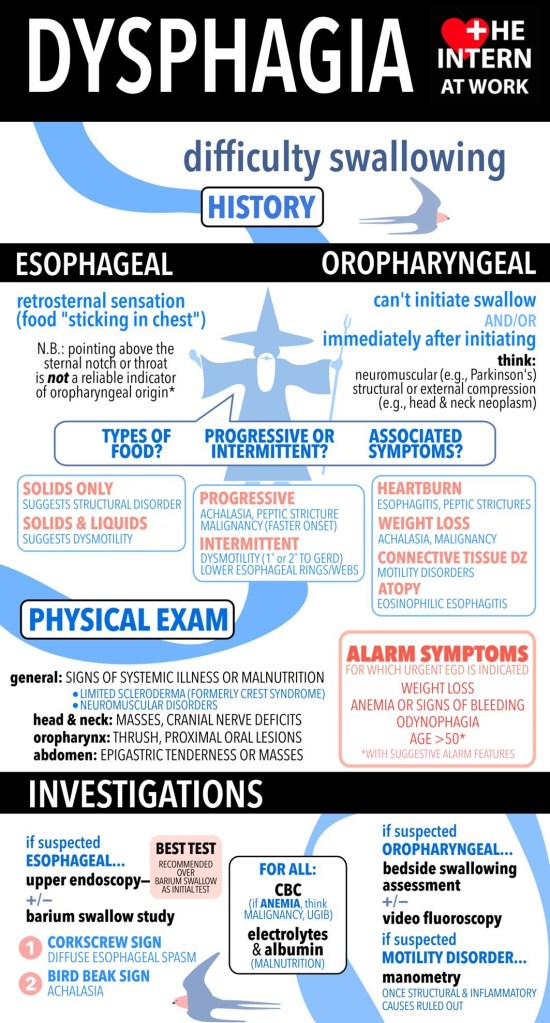
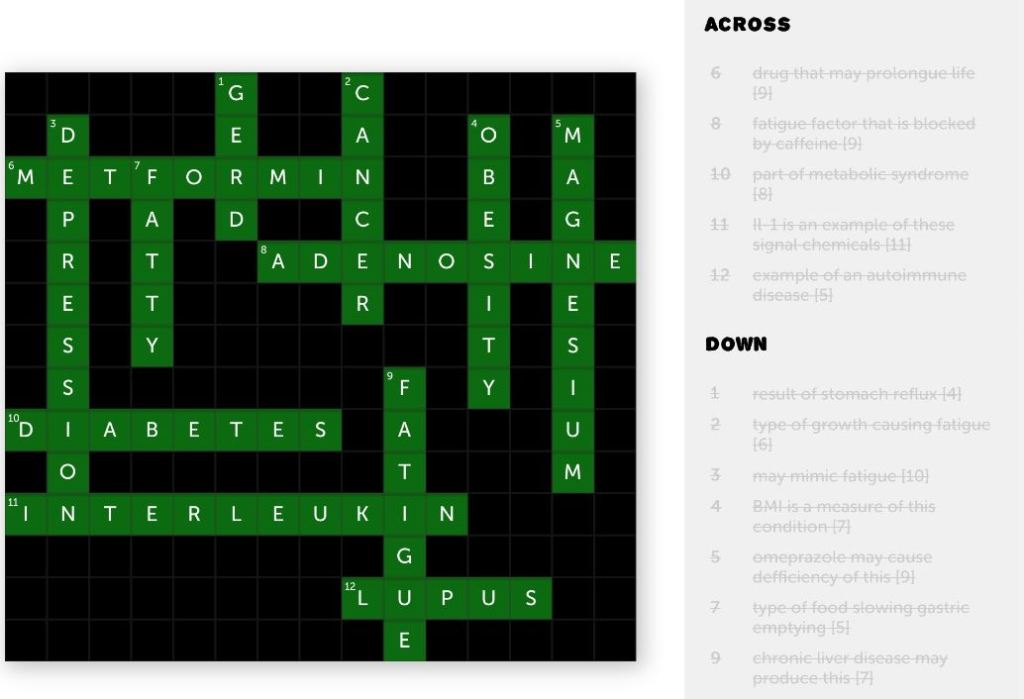
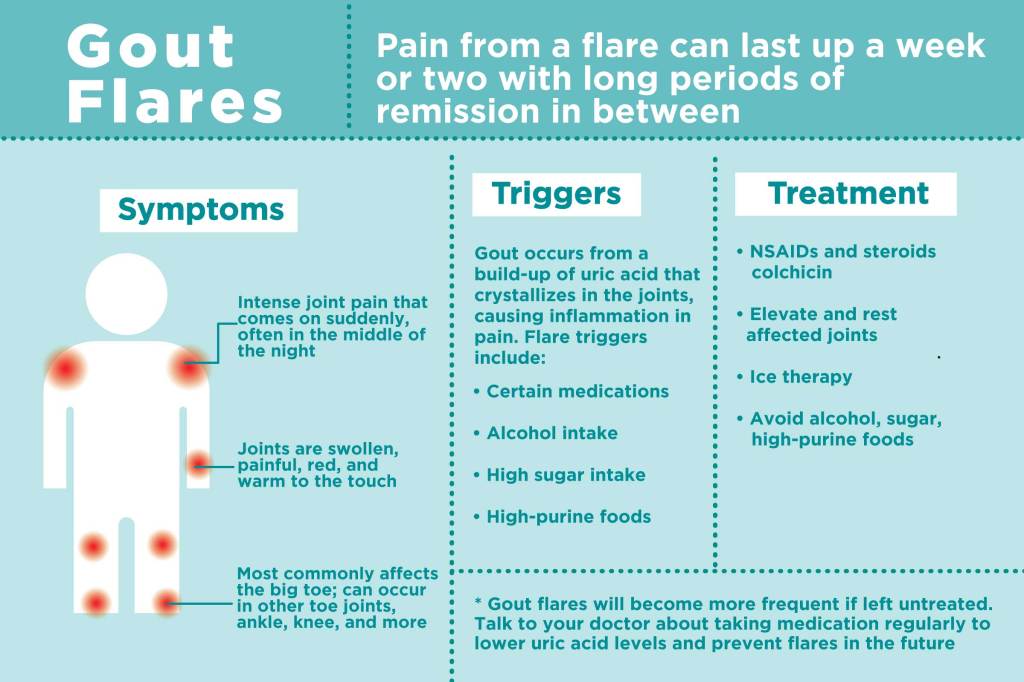
DYSPHAGIA covers a wide range of troubles, symptoms and diseases, as indicated from the excellent Infographic posted August 21, 2020. I have already discussed GERD, or trouble with the food coming back up after being swallowed.
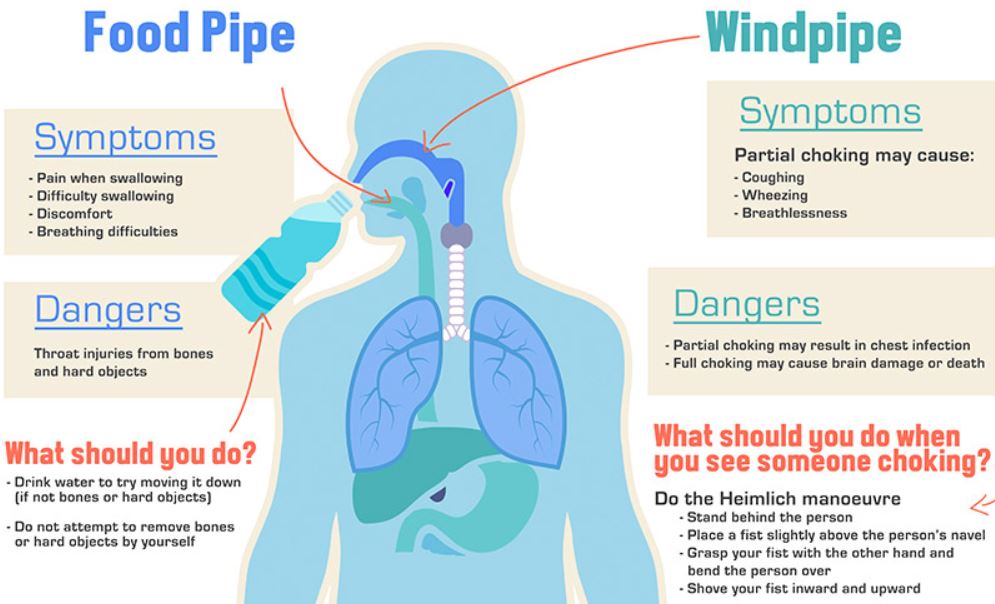
This post will be on “choking”, or getting the food into the Airway instead of the Esophagus, or swallowing tube. In the future, I will develop a post in “swallowing difficulties”, or trouble getting the food to pass easily and freely down the esophagus into the stomach.

CHEWING the food properly is rare in our rushed, fast-food society, but it is very important, the first part of the digestion process. Mastication breaks the food into smaller particles that are easier to digest, and also EASIER TO SWALLOW. Saliva flows as you chew, and contains Ptyalin, an enzyme which breaks down starch into absorbable sugars.

Chewing also SLOWS down the rate of eating, improves enjoyment, and allows more time for the stomach to send Satiety signals to the brain. This leads to less overeating and weight gain. In children, chewing is said to aid in jaw development and to reduce dental crowding and need for Orthodontia.

Some people have trouble in Initiating the swallowing process. This can be caused by neurological problems like Parkinson’s Disease. It can also be Psychological, a reflection of fear of discomfort on swallowing.

I have the opposite problem, a tendency to swallow too eagerly and rapidly, causing me to choke on liquids, sometimes even on water. I went to an ENT specializing in swallowing problems. He checked the sensitivity of my throat to touch, and found it normal.

Apparently LESSENED sensitivity is the main concern, which would
lead to Aspiration of food. The only guidance he gave me was to eat and drink more slowly. I find that I am most likely to choke when I drink wine, or a tasty beverage which I tend to “slurp” so as to fan the aroma out broadly in my mouth. I am having a hard time breaking myself of that habit.
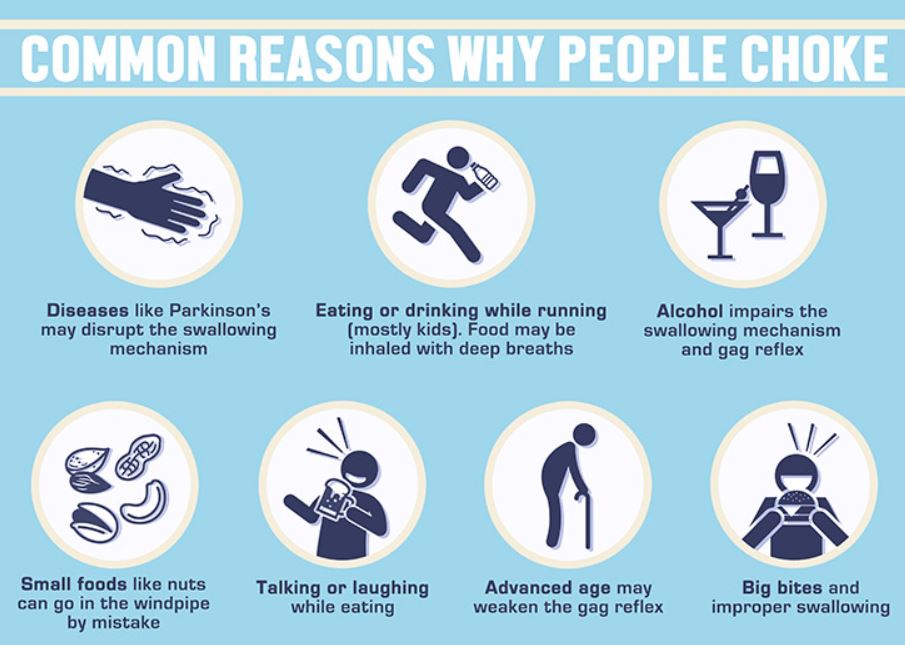
Sometimes I find that residual amounts of food builds up in the back of my throat, probably by my epiglottis. I worry about nuts especially. If I don’t drink some water to flush it away, I am likely to choke on it. I guess that is the reason people are told to offer some water to a person who is choking.

I seem to be choking more as I get older, which is reasonable. Swallowing requires an amazingly intricate coordination and motion in the throat area, especially in getting the epiglottis, the little door that closes off the windpipe, to close properly.

My other dexterities are fading, why should swallowing be an exception? Pill swallowing is getting more frequent and more problematic at the same time.

Tablets are worse than capsules, maybe because they are not as slick. There is one size in particular that tends to get stuck in the back of my throat just above the uvula. I sometimes have to cough a lot and choke the offending object back up. One more reason to constantly try to cut down the number of pills.

There is one good thing about this problem, however. I now take the pills separately with a big swallow of water, improving my Hydration.
–Dr. C.

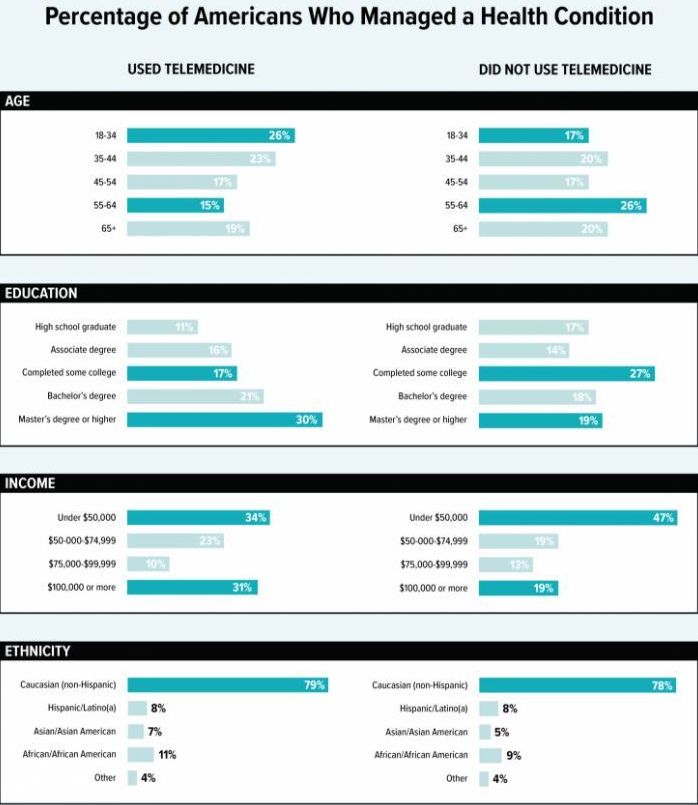
Surveys: Telemedicine Surges With “Chronic Condition” Patients

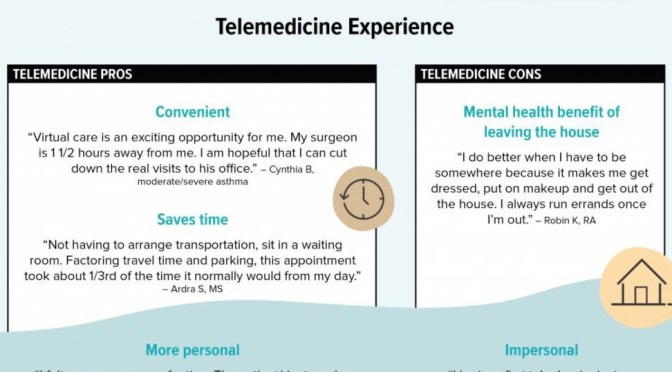
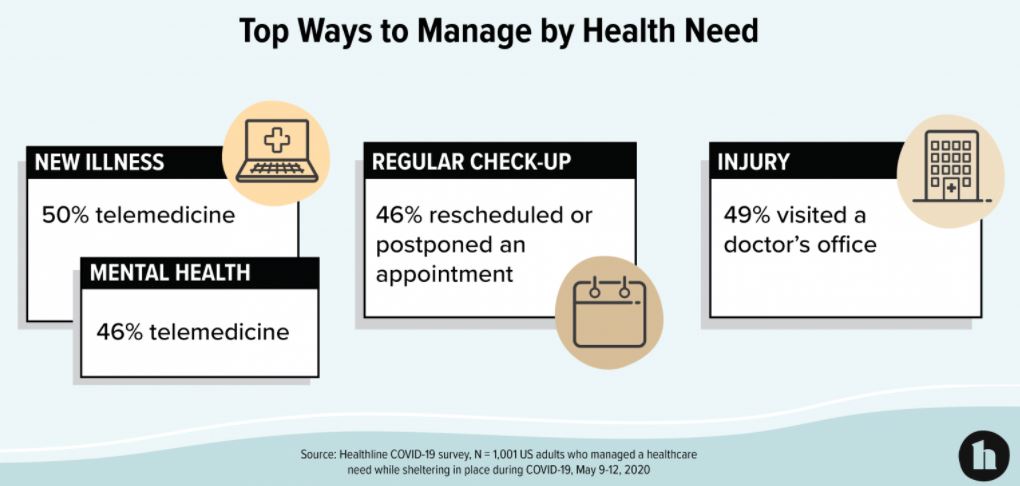
Though people living with a chronic condition have a vast range of experiences, our data show that the most common way they managed their condition between March and May 2020 was through telemedicine (45 percent). Only 8 percent had used it before… 

Read more

STANFORD: RESEARCHERS FIND WAY TO “REGROW” NEW CARTILAGE IN JOINTS

The Stanford researchers figured out how to regrow articular cartilage by first causing slight injury to the joint tissue, then using chemical signals to steer the growth of skeletal stem cells as the injuries heal. The work was published Aug. 17 in the journal Nature Medicine.

“Cartilage has practically zero regenerative potential in adulthood, so once it’s injured or gone, what we can do for patients has been very limited,” said assistant professor of surgery Charles K.F. Chan, PhD. “It’s extremely gratifying to find a way to help the body regrow this important tissue.”

STANFORD MEDICINE (Aug 17, 2020): Researchers at the Stanford University School of Medicine have discovered a way to regenerate, in mice and human tissue, the cushion of cartilage found in joints.

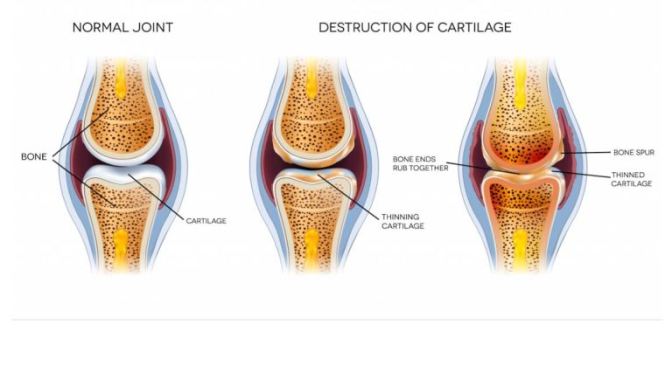
Loss of this slippery and shock-absorbing tissue layer, called articular cartilage, is responsible for many cases of joint pain and arthritis, which afflicts more than 55 million Americans. Nearly 1 in 4 adult Americans suffer from arthritis, and far more are burdened by joint pain and inflammation generally.

Read full article

COMMENTARY

Stanford has come up with a Promising new approach to the surgical treatment of osteoarthritis. Unfortunately for the suffering public, this approach is still in the rodent experimental stage.

The pain of osteoarthritis is caused by the LOSS of the CARTILAGE which insulates the bone of the joints. The wonderful cartilage coating prevents the pain which would result from the rubbing of bone on bone. The best solution in osteoarthritis would be to replace the cartilage, and I have no doubt that this will be possible some day.

STEM CELLS is the theoretical method most commonly imagined when it comes to replacing lost tissue.. Brain cells, cardiac muscle cells, and pancreatic islet cells are some of the research areas. The development of stem cells from the cells of the Patient herself (iSCs) obviates the need for immunosuppression, which plagues allographs ( stem cells or organs from other humans).

Recently, in situ transformation of neighboring cells has been described, which sidesteps the need to introduce any cells. For instance the transformation of astrocytes (a type of brain cell) into neuronal stem cells of the dopamine lineage would be a great boon to Parkinson’s disease.

The Stanford method somewhat resembles this last-mentioned technique. An injury is created where the cartilage is desired. Like any injury, bleeding, clotting, and cell infiltration follows, destined to form a scar. However, the researchers added BMP-2, which in this milieu causes the pro-fibroblasts to head toward the bone (osteoblast) lineage. Since cartilage forms first in a tissue destined to be bone, they then added a VEGF antagonist, which interrupts the transformation in the desired cartilage stage. Both BMP-2 and anti-VEGF have already been approved for use, facilitating the development of this attractive therapy.

The researchers have even identified an excellent potential Patient Population: Osteoarthritis patients scheduled for surgical removal of the first metacarpal articulation with the wrist. They could do their procedure on this area, and if there is no benefit, They could just go ahead with the original plan of removal. The thumb happens to be one of my most painful arthritic areas.

I will most interestedly follow their research.

–Dr. C.

Dr. C’s Medicine Cabinet: Benefits Of “Nootkatone”

INSECTS are mainly pests. Except for the very commercially valuable Pollinators, Honeybees, the other useful insects, like ladybugs, dragonflies and spiders are beneficial because they eat other insects. It is very exciting, then, to hear about a pleasantly-smelling insect repellent that is quite harmless to Humans.

NOOTKATONE, after you get used to its ugly spelling, has an aromatic, Grapefruit-like smell. It was discovered while researching the CEDAR family. We all know of the association between Cedar and storage. One of my prized possessions was a Cedar chest for storing our families ski clothes.

Whenever I hear of a non-toxic chemical that repels and sometimes kills mosquitos, ticks, bedbugs and fleas, and yet is so harmless as to be used in perfumes, I like to hear of a proposed MECHANISM OF ACTION.

Nootkatone is thought to work by stimulating octopamine receptors, which insects use to make their muscles work. The muscles just keep on contracting and the insects die. The only problem is that Nootkatone is mainly a repellant, and a weaker insecticide.

Another good quality of Nootkatone is that the effect lasts several hours, in contrast to citronella and the other plant oils. Interestingly, the substance was isolated from grapefruit some 25 years ago, while looking for a repellant for the tick of Lyme disease.

Anaplasmosis and Rocky mountain spotted fever are 2 other tick-transmitted diseases present in America. Nootkatone is particularly effective against ticks, and is now EPA-approved.

–Dr. C.

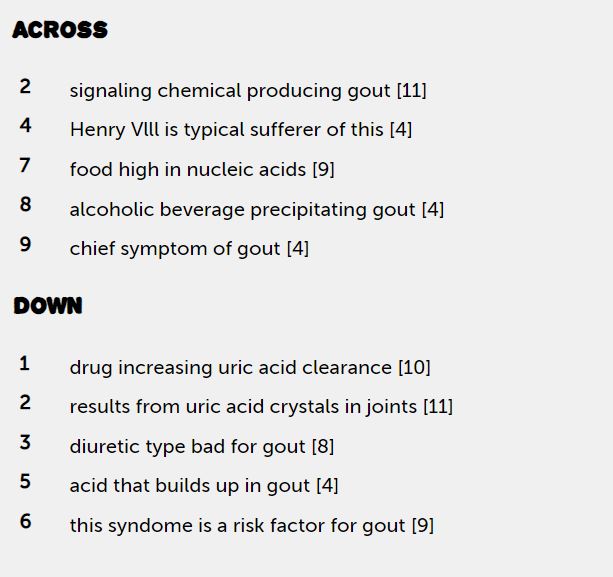
THE DOCTORS 101 CHRONIC SYMPTOMS & CONDITIONS #8: GOUT (GOUTY ARTHRITIS)

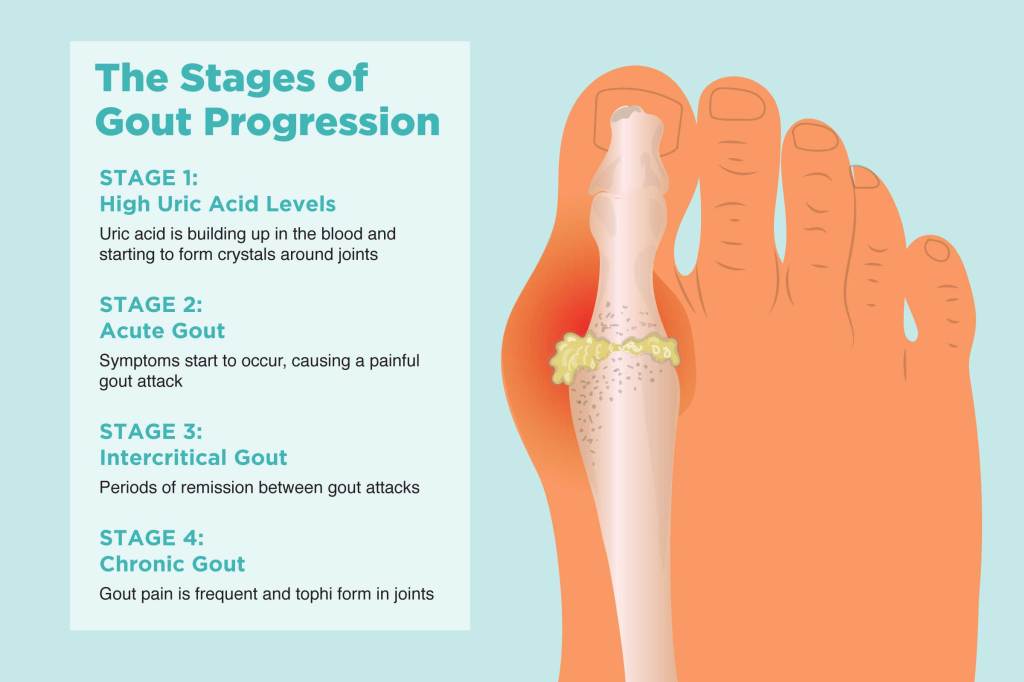
If you develop severe big toe pain in the middle of the night, and it is so tender that you can’t even stand the pressure of the sheet on it, you may have GOUT, an increasingly common form of ARTHRITIS.

And you would be in famous company: King Henry Vlll, Isaac Newton, and Benjamin Franklin all had Gout. There is even a famous dialogue between Franklin and his Tormentor.

Gout is caused by a buildup of URIC ACID in the bloodstream. This buildup can be caused by eating too much nucleic-acid-containing foods, like meats, “sweetbreads” and shellfish, and drinking too much alcohol, especially beer.

Reduced Clearance of Uric acid in the kidneys may contribute, and may be responsible for some of the familial tendencies of gout. The uric excess acid in the blood stream gets into joint tissues, most famously the big toe, although ankles, knees and other joints may be involved.

When deposited in joint tissues, the uric acid crystals attract inflammatory cells, which secrete their Interleukins and produce all of the symptoms of painful, red and swollen joints.

Risk factors include Obesity, diabetes, and the usual suite of problems of the METABOLIC SYNDROME. Just look at a picture of Henry Vlll with a mug of beer in one hand, and a leg of mutton in the other, and your big toe will start to hurt.

Dietary regulation is one of the best ways of reducing PURINE AND PYRIMIDINE intake and consequently the metabolic BYPRODUCT, Uric Acid, in the circulation.

There are DRUGS, called uricosurics, which will cause the kidneys to Clear more Uric acid, and other drugs, such as thiazide diuretics, which will reduce clearance and excretion of gout’s causative agent.

Yes, UNHEALTHFUL EATING CAN BE PAINFUL.

–DR. C

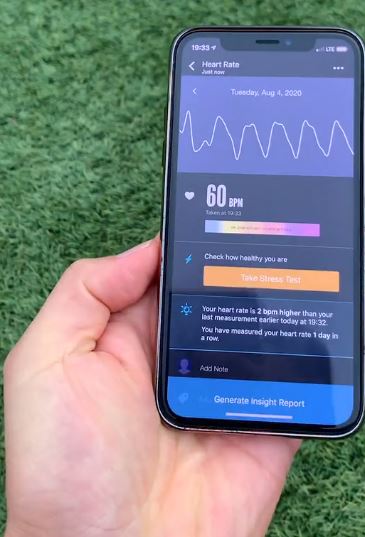
Technology: SCIENTISTS DEVELOP SMARTPHONE APP TO DETECT “DIABETES” (UCSF)

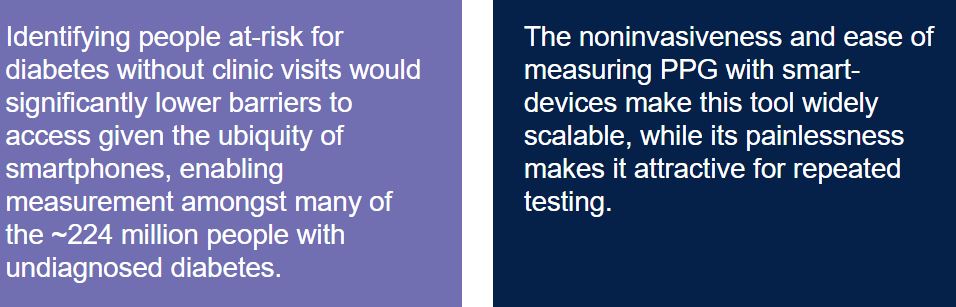
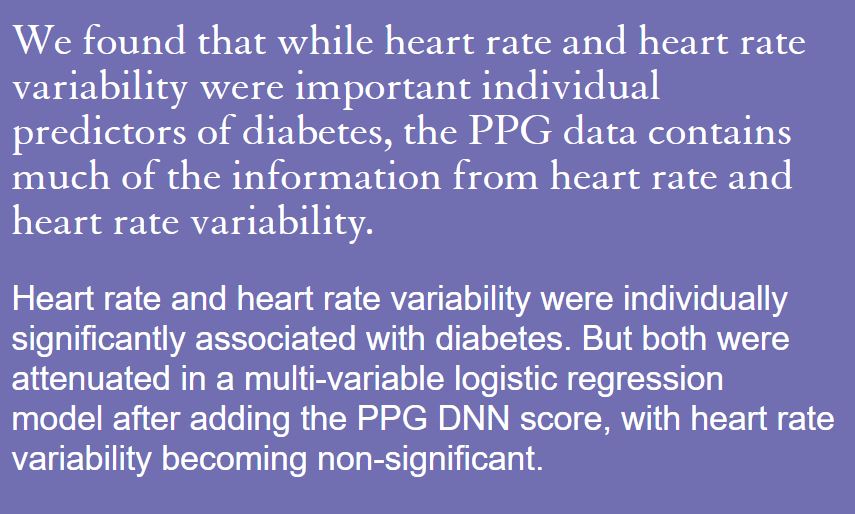
Overall, the algorithm correctly identified the presence of diabetes in up to 81 percent of patients in two separate datasets. When the algorithm was tested in an additional dataset of patients enrolled from in-person clinics, it correctly identified 82 percent of patients with diabetes.  

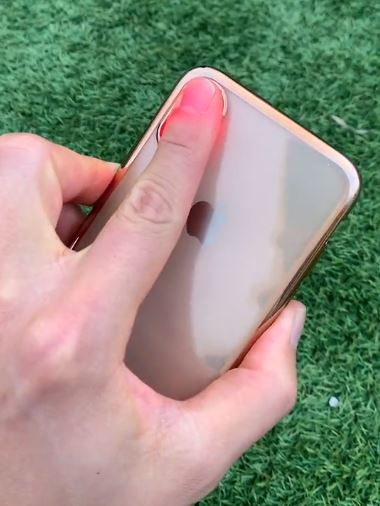
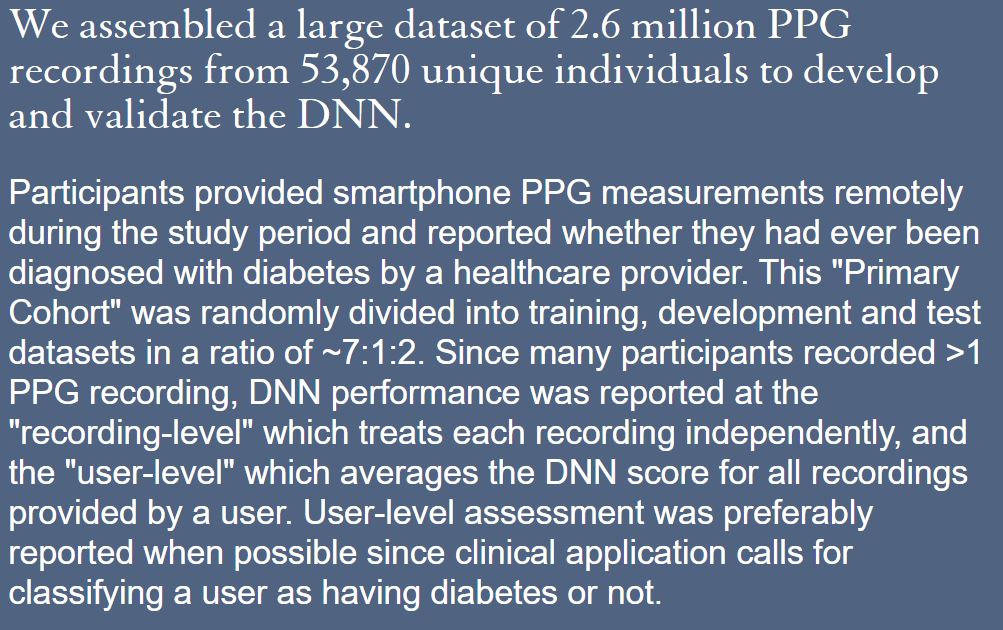
In the Nature Medicine study, UCSF researchers obtained nearly 3 million PPG recordings from 53,870 patients in the Health eHeart Study who used the Azumio Instant Heart Rate app on the iPhone and reported having been diagnosed with diabetes by a health care provider. This data was used to both develop and validate a deep-learning algorithm to detect the presence of diabetes using smartphone-measured PPG signals.  

Among the patients that the algorithm predicted did not have diabetes, 92 to 97 percent indeed did not have the disease across the validation datasets. When this PPG-derived prediction was combined with other easily obtainable patient information, such as age, gender, body mass index and race/ethnicity, predictive performance improved further.

Read more

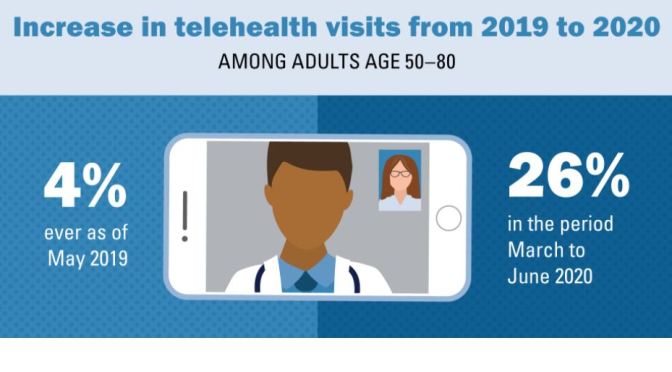
Telehealth: Older Adults increase Use Of Virtual Visits from 4% To 26% (2020)

From 2019 to 2020, there was a substantial increase in the proportion of older adults who reported that their health care providers offered telehealth visits. In May 2019, 14% of older adults said that their health care providers offered telehealth visits, compared to 62% in June 2020.

Similarly, the percentage of older adults who had ever participated in a telehealth visit rose sharply from 4% in May 2019 to 30% in June 2020. Of those surveyed in 2020, 6% reported having a telehealth visit prior to March 2020, while 26% reported having a telehealth visit in the period from March to June 2020.

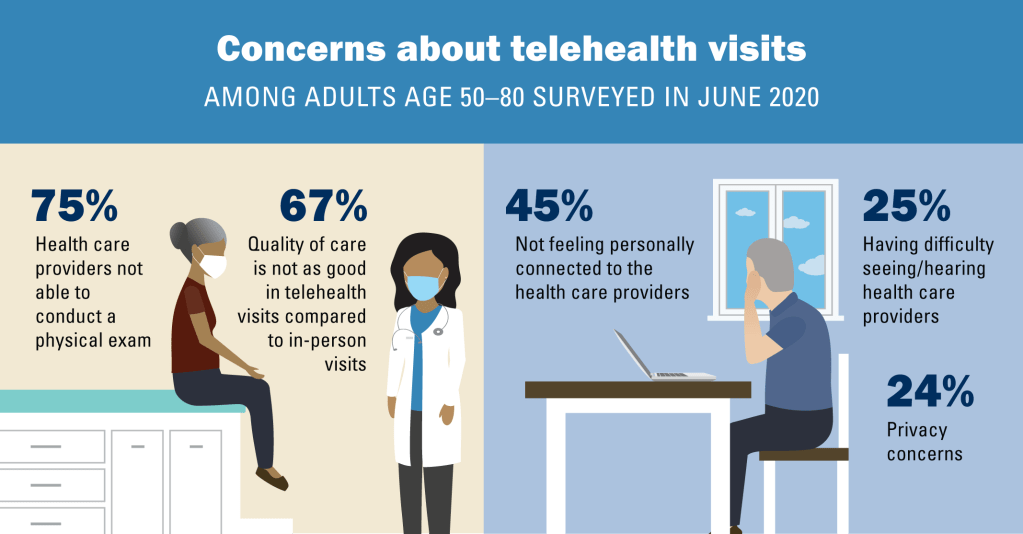
Over the past year, some concerns about telehealth visits decreased among adults age 50–80 whether or not they had a telehealth visit. Older adults’ concerns about privacy in telehealth visits decreased from 49% in May 2019 to 24% in June 2020, and concerns about having difficulty seeing or hearing health care providers in telehealth visits decreased from 39% in May 2019 to 25% in June 2020. Concerns about not feeling personally connected to the health care provider decreased slightly (49% to 45%).

Read more

Empowering Patients Through Education And Telemedicine