Category Archives: Reviews

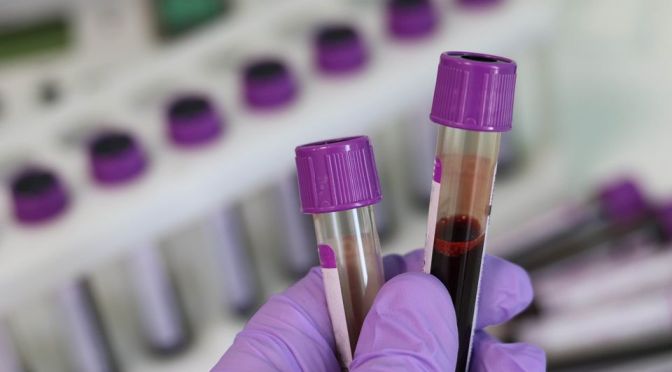
Tests: The Comprehensive Metabolic Panel Report

This is a big one, and produces a lot of information.
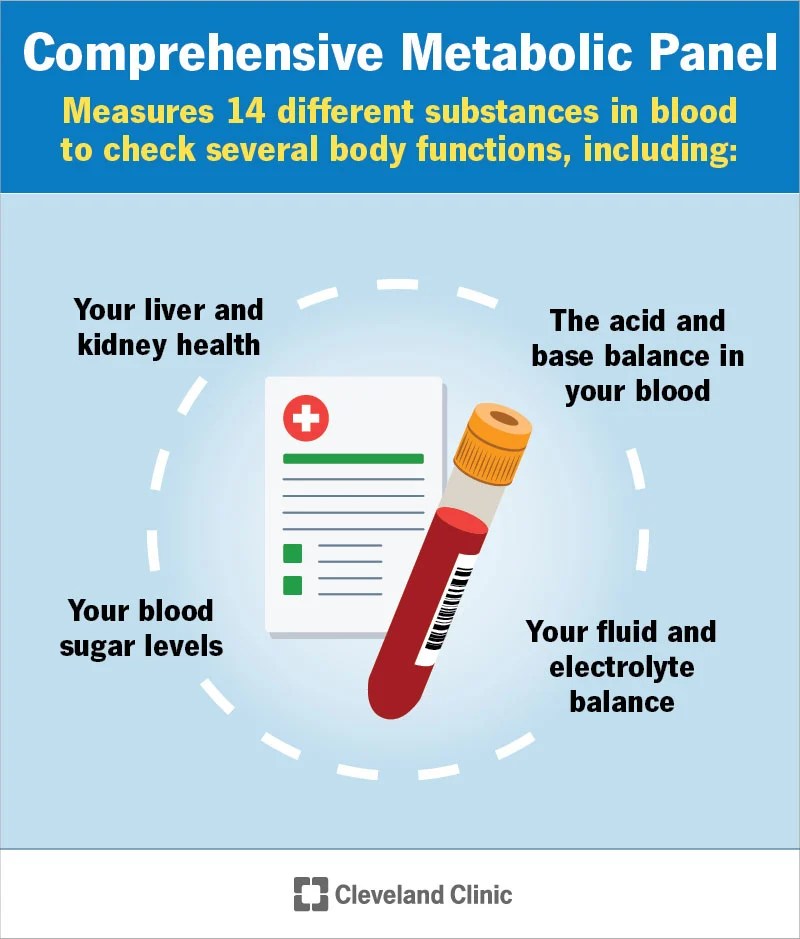
Your metabolism is the workhorse of your body, and this panel measures certain critical chemicals and waste products that make metabolism and life possible.

Sodium -The main element in the fluid outside your cells. It draws water into vessels, supporting blood pressure. Drinking water is critical to life, and a recent study used the serum sodium as a proxy to indicate whether you are drinking an adequate  amount. If the level is below 142 mmol/dl,  you are adequately  hydrated and your life expectancy is higher.

Potassium – The main element in cells. There is a pump in the membrane of the cell that pumps potassium into the cell, and sodium out, to maintain a critical electrical charge across the cell membrane. Even small deviations in serum potassium can be worrisome.

Chloride – The anion that Electrically balances sodium and potassium. Can be important in acidosis.

Glucose – The major Energy source of the body. Too little, and you pass out. Too much is a long-term stress on the body, as in diabetes.

Carbon dioxide – As bicarbonate, important in adjusting the acidity of fluids outside the cell.

Anion gap – an important check for doctors.

BUN – A Measure of excess protein in the diet, and can be very elevated in kidney disease. I usually have an elevated BUN, because I eat a lot of protein due to  my age. My creatinine is always normal.

Calcium – important for bones, and many other processes, including cellular signaling.

Albumin – An important blood protein that supports blood pressure.

Creatinine – A waste product that is used as a measure of kidney function.

AST (SGOT) – A liver enzyme used to measure inflammation of the liver.

ALT (SGPT) – A counter check to the AST.

Estimated GFR – Based on creatinine, it is a measure of kidney function.

Total protein – Includes albumin + the amount of globulin. The latter includes proteins involved in immunity, measured by subtracting the albumin from the total protein.

The metabolic panel is used to give clues to a whole host of diseases such as diabetes, liver disease, Kidney disease, immune deficiencies, endocrine diseases, vitamin and mineral deficiencies, and the like. It is so useful that Medicare pays for it, usually.

—Dr. C.

Screening Tests: What Makes Up A Urinalysis?

The urinalysis is a very good screening test, and therefore often ordered with an annual physical examination. It gives insight into a very vital organ, the kidney.

It is the definitive test for a urinary tract infections, which are very common particularly in women, with their short urethras, and is also very good at reflecting abnormalities in the body of various sorts.

Urine color– very helpful in many conditions, such as liver disease, hemolytic anemia, porphyria, and Homocystinuria. When I had my bladder cancer bleed, the urine was red in color of course.

Clarity – The presence of many small particles, such as white blood cells or bacteria will make the urine cloudy.

Urine specific gravity – Will be high if you’re drinking insufficient water.

Urine pH — Will be out of range in several conditions, such as urine infections and somatic acidosis, which can happen in diabetes.

Urine protein – Gets into the urine in some kidney conditions such as nephrosis.

Urine glucose – Is positive mainly in diabetes, which was very important to follow when I was practicing in order to follow the diabetes. It is still important in the early pick up of diabetes and people that didn’t know they had it. Blood sugars are much more used these days to follow diabetes.

Urine ketones – Can indicate out of control diabetes. Can also Occur with certain very low carbohydrate diets; keto diets are named for this effect.

Urine blood -A counter check to the microscopic examination for red blood cells.

Urine nitrite – Elevated with urinary tract infections, a check on microscopic white blood cells.

Urinary Urobilinogen – Elevated in certain liver diseases.

Urinary leukocytic esterase -A check on urinary white blood cells

Urinary microscopic examination:

Urinary RBC – Elevated in urinary tract bleeding in certain  kidney and bladder diseases.

Urinary WBC – Elevated with urinary tract infections

Transitional epithelial cells – Sometimes have significance to doctors

Urinary bacteria – Of course Indicates urinary tract infection

Urinary yeast and hyphae – May indicate a fungal infection.

The urinalysis I obtained when my red urine due to my bladder cancer alarmed me showed Red urine color 30 mg/dL urine proteins, large amount of blood, 10-15  red blood cells, (elevated) and a few bacteria and yeast, a spurious finding.

When you go in for a general physical, assuming that you are well, it is always comforting to have a negative urinalysis, a broad screening test for all kinds of different problems.

— Dr, C

Ear Health: Diagnosing And Managing ‘Tinnitus’

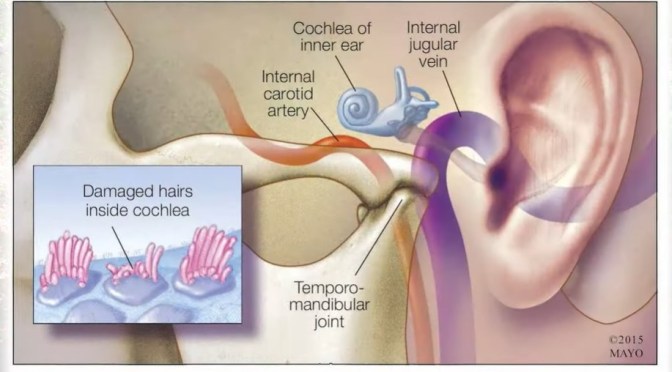
Mayo Clinic – About 1 in 5 people experience the perception of noise or ringing in the ears. It’s called tinnitus. Dr. Gayla Poling says tinnitus can be perceived a myriad of ways. Hearing loss can be age-related, come from a one-time exposure, or exposure to loud sounds over a lifetime.

Dr. Poling says the tiny hairs in our inner ear may play a role. Dr. Poling says there’s no scientifically proven cure for tinnitus, but there are treatment and management options. Other options include using a sound generator or using a fan at night. If ringing in your ears bothers you, start by seeing your health care provider for a hearing test.

Read more

Prostate Cancer: A PSMA Scan Predicts Recurrence

“We found that the information we could get from PSMA scanning in patients with newly-diagnosed prostate cancer before surgery was at least as reliable and useful as other information from biopsy, PSA levels, or clinical exam for predicting how patients would do after surgery or other treatment,” says Farshad Moradi, a radiologist at Stanford who co-authored the study.

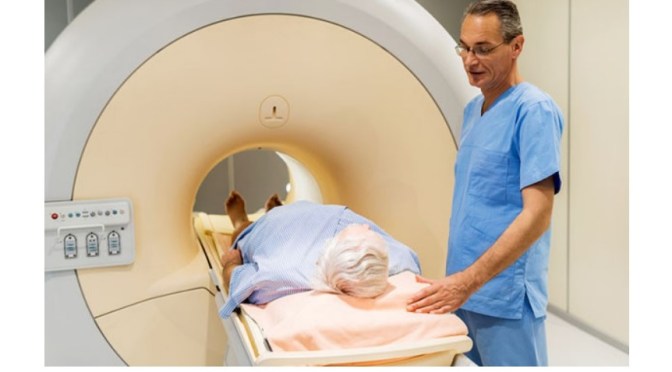
In December, scientists at Stanford University reported promising findings with a new technology that lights up prostate tumors on specialized imaging scans. The approach relies on a minimally-radioactive tracer that travels the body hunting for cancer cells.

Called 68Ga-PSMA-11, and delivered intravenously, the tracer binds exclusively with a protein called prostate- specific membrane antigen (PSMA). Prostate cancer cells contain far more of this protein on their surfaces than normal prostate cells do. Tumors flagged by 68Ga-PSMA-11 show up on an imaging scan like lit matches in a dark room. Doctors are already using PSMA scans to diagnose early metastatic cancer, and the tracer can also be used to ferry drugs directly into malignant tumors.

Read more

EPIGENETICS & AGING: DNA BREAKAGE & REPAIR EFFECTS

Harvard Medical School – A 13-year international study in mice demonstrates that loss of epigenetic information, which influences how DNA is organized and regulated, can drive aging independently of changes to the genetic code itself.
It also shows that restoring the integrity of the epigenome reverses age-related symptoms.

Learn more at https://hms.harvard.edu/news/loss-epi…

INFOGRAPHIC: OBESITY AND CARDIOVASCULAR DISEASE

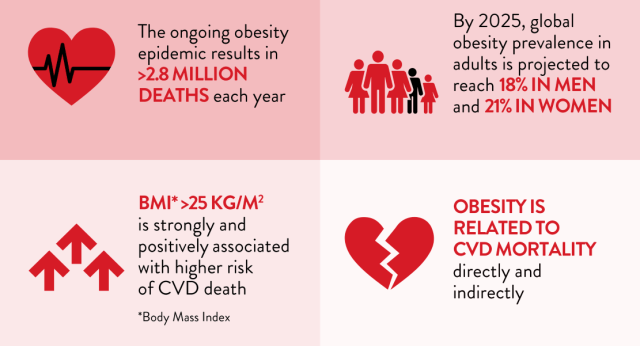
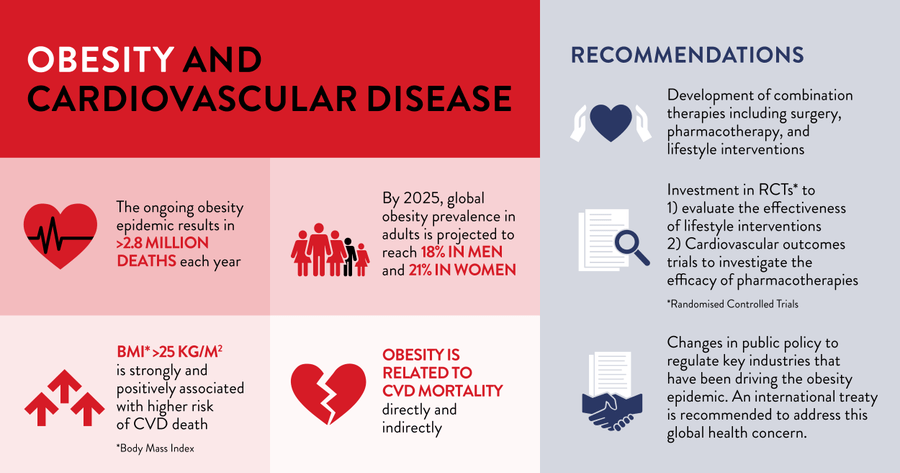
Our new position paper with @worldheartfed summarises the relationship between obesity and cardiovascular disease (#CVD) mortality.

World Obesity Federation (January 2023) – The ongoing obesity epidemic represents a global public health crisis that contributes to poor health outcomes, reduced quality of life, and >2.8 million deaths each year. Obesity is relapsing, progressive, and heterogeneous. It is considered a chronic disease by the World Obesity Federation (WOF) and a chronic condition by the World Heart Federation (WHF).

People living with overweight/obesity are at greater risk for cardiovascular (CV) morbidity and mortality. Increased adiposity (body fat), particularly visceral/abdominal fat, is linked to CV risk and CV disease (CVD) via multiple direct and indirect pathophysiological mechanisms. The development of CVD is driven, in part, by obesity-related metabolic, endocrinologic, immunologic, structural, humoral, haemodynamic, and functional alterations.

Learn more: http://bit.ly/3THvOZa

Cardiology: When Chest Discomfort Is Serious

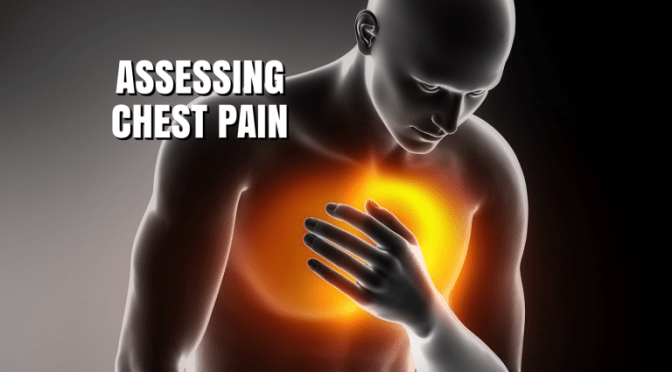
Mayo Clinic – Chest discomfort and pain account for more than 6.5 million emergency department visits in the U.S. each year. Discomfort can be the first sign of a serious heart event or a symptom of other medical conditions. Dr. Regis Fernandes, a Mayo Clinic cardiologist, says people should seek medical care at the first sign of chest pain.

Reviews: The Lancet On Top Five Health Priorities

The Lancet (January 2023) – For our 200th anniversary year we have identified five Spotlight subjects of particular importance. Watch as Richard Horton, Editor-in-Chief, and other Lancet Editors around the world outline these Spotlights and discuss priorities for the future of health.

The Lancet Infectious Diseases | Journal | ScienceDirect.com by Elsevier

This year, we draw attention to the most critical issues impacting health globally, the extraordinary people involved in tackling them, and the voices of those most impacted. For five Spotlights, we will run a programme of activities to bring these issues to life and convene the right people and resources in order to drive change in these areas.

Spotlight on Universal Health Coverage
Ensuring all populations globally have access to affordable, quality health care

Spotlight on Research for Health
Prioritising evidence to guide and inform decision making

Spotlight on Child and Adolescent Health
Prioritising the health needs of children and adolescents now

Spotlight on Health and Climate Change
Tackling climate change through the lens of human health

Spotlight on Mental Health
Implementing sustainable global mental health in a fragmenting world