Category Archives: Men’s Health

THE DOCTORS 101 CHRONIC SYMPTOMS & CONDITIONS #39: Chronic Fatigue (CFS)

Fatigue is a common symptom and I have discussed it previously; look for “energy and fatigue”. Certain individuals, usually in their 30s and 40s, develop severe fatigue that is unrefreshed by sleep, and interferes with their normal activity.

Sometimes CFS is accompanied by sore throat, swollen glands, and Headache. The doctor usually finds no physical,laboratory or clinical abnormalities. If This fatigue continues on for many months, and is life-changing it has been called chronic fatigue syndrome, or CFS.
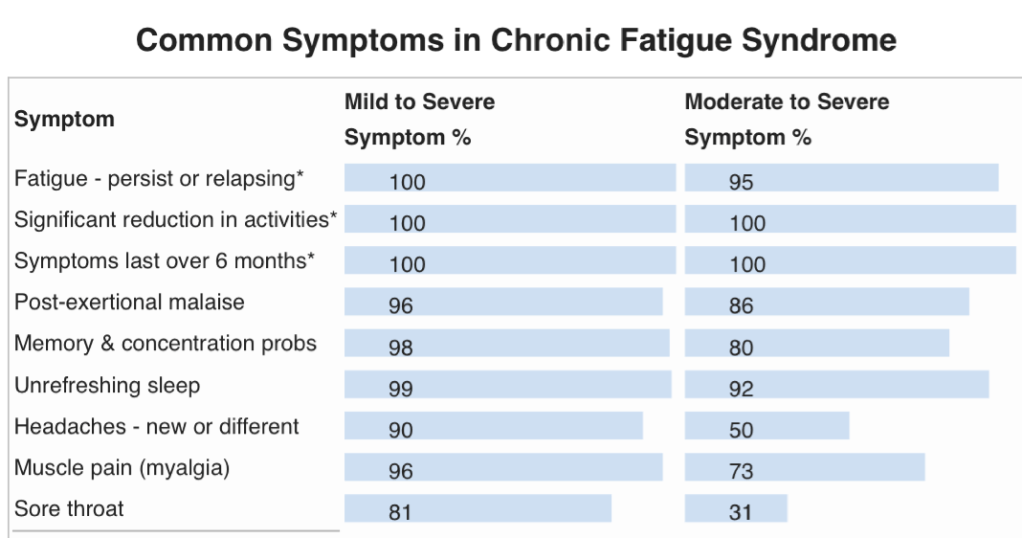
There is another similar chronic problem that is called fibromyalgia, and some authorities think of them as the same problem. To be diagnosed as CFS, The patient needs to have difficulties with memory, focus and concentration, or dizziness that worsens with moving from laying or sitting to standing.

I had had two such patients when I was in practice, Who were sent to me to rule out allergies. I found no such allergies and tried to encourage a healthy lifestyle including good sleep, diet, and exercise. My patients seem to get better with some exercise, although exercise often causes more fatigue according to the literature.

I have heard many causes postulated for this condition such as hormonal difficulties, immune system problems, or psychological factors. Infections particularly have been suspected such as cytomegalovirus, herpesviruses, or Epstein-Barr virus, but nothing consistent has shown up.

Since sleep does not restore energy, consulting a sleep center to rule out sleep apnea is reasonable. Such a condition following in the wake of COVID-19 would probably be attributed to that condition. Perhaps CFS is indeed due to an as yet undiscovered viral infection. Please check out the accompanying Mayo clinic summary.

—Dr. C.

Read more

MEDICINE: BASEBALL GREAT CAL RIPKEN JR.’S ‘ROBOTIC RADICAL PROSTATECTOMY’

Known as the Ironman, Hall of Famer Cal Ripken Jr. was diagnosed with prostate cancer during the COVID-19 pandemic. Partnering with the Brady Urological Institute, Mr. Ripken had a successful robotic radical prostatectomy to remove his tumor and is now deemed cancer free. Watch urologic surgeon Mohamad Allaf and Cal Ripken Jr. discuss his prostate cancer journey at Johns Hopkins and share his powerful message to men across the world.

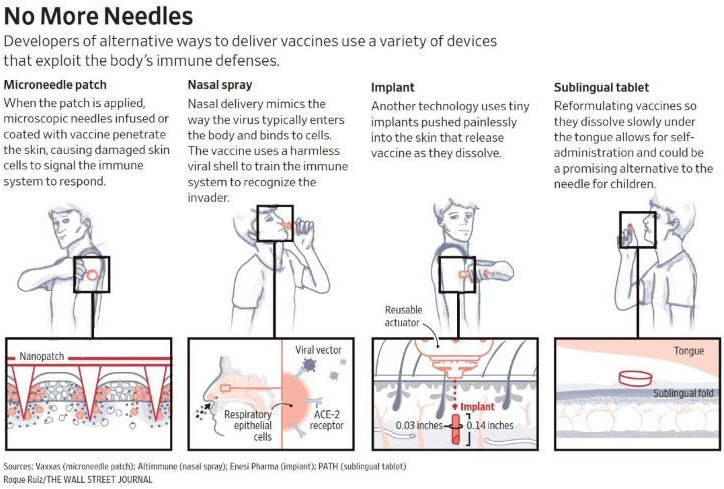
INFOGRAPHIC: ‘VACCINES WITHOUT NEEDLES’ (WSJ)

Technologies in development for delivering vaccines include Enesi’s dissolving implants, microneedle patches, electrical-pulse systems, nasal sprays and even pills. 

Some firms are developing their own vaccines against Covid-19, while others are aiming to reformulate some of the dozens already in development or being rolled out world-wide. Some are sitting this pandemic out in the hope of being ready for the next one.

All are in the early to mid-stages of development and clinical testing, suggesting it might be months if not years before they come to market. Big pharmaceutical companies have so far shown limited interest.

Read more

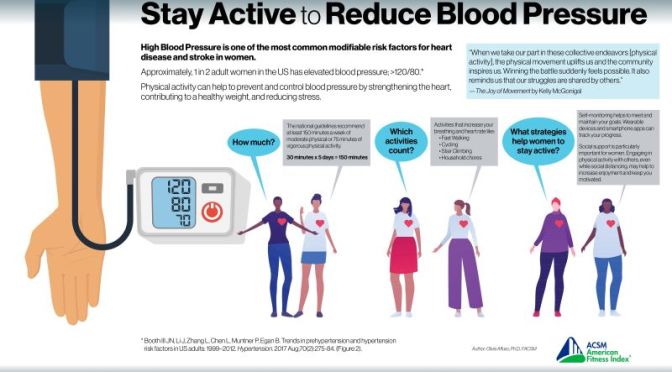
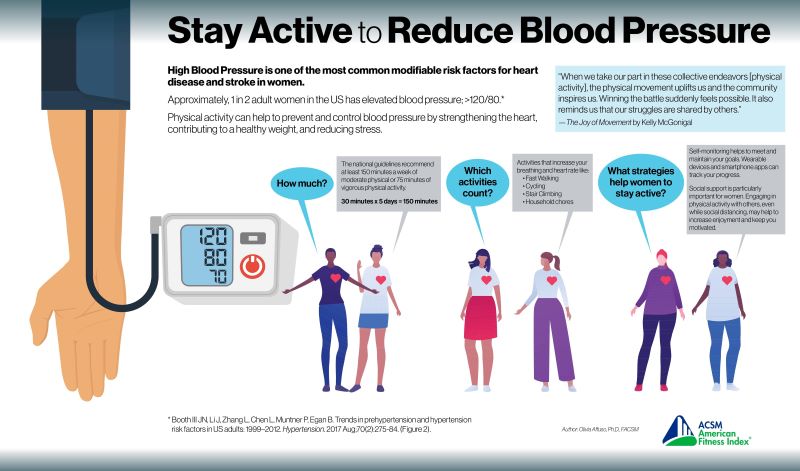
INFOGRAPHIC: ‘STAY ACTIVE TO LOWER BLOOD PRESSURE’

Click here to enlarge
  • High blood pressure is one of the most common modifiable risk factors for heart disease and stroke in women.
  • Approximately, 1 in 2 adult women in the US has elevated blood pressure (>120/80).
  • Physical activity can help to prevent and control blood pressure by strengthening the heart, contributing to a healthy weight, and reducing stress. 

Read more

THE DOCTORS 101 CHRONIC SYMPTOMS & CONDITIONS #38: HEMATURIA

Pink urine! You can imagine my shock. What could it be? I exercise more than 1½ hours a day. Could it be myoglobin? I put beets in my daily osterizer “shake”: could the color be from the anthocyanins from beets?

I took a urine specimen to the lab, and the color turned out to be from Hemoglobin, the most likely cause all along. There were lots of red blood cells in my urine and the test strip was strongly positive for Hemoglobin. I called a urologist, who said I needed a Urine culture for infection, and a “CT Urogram”, to check for cancer, kidney stones and other problems.

You should always check with your doctor with Hematuria, and I am no exception. My Urology appointment was in 1 week. I got a urine culture, Cell cytology (for cancer), a CT Urogram, and a urine culture before the visit. I wanted to save time by scheduling a Cystoscopy at the time of the first visit, but couldn’t arrange it.

I went for the appointment. They took a blood pressure, but didn’t check my urine, which I thought was negligent. I had been regularly checking my urine for blood by a test strip, and it was negative. The appointment lasted only minutes. My old urologist always checked my urine on every visit, regardless of whether it was a regular check or to consult for a problem. If I were a Urologist, you can be sure I would have my microscope ready, have the nurse collect the urine, spin it down, and put the sediment under the microscope for me to check.

When I was in medical practice as an allergist, I would have my nurse check any sputum the patient produced smeared on a slide, stained and dried. Microscopic examination of urine and sputum takes only seconds and yields lots of information. In my opinion, 50 years of Insurance surveillance and governmental regulations, including restrictions on lab work done in the doctor’s office and Hippa privacy laws, have handicapped Doctors and are partly responsible for the costly, dysfunctional system that is modern medicine.

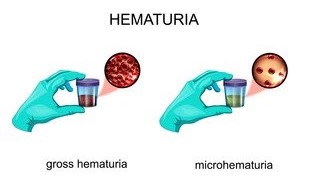
Sorry for the Sermons. Visible blood in the urine-Gross Hematuria- requires that you see your Doctor and find the cause of that blood. Please see the 2 appended Mayo Clinic articles for more detail.

–Dr. C.

PHYSICIAN Q&A: SCREENING FOR COLORECTAL CANCER

Colorectal cancer is comprised of colon cancer and rectal cancer, which originate in the lower portion of the large intestine and into the rectum. As with other cancers, screening for early detection should not be delayed. “The vast majority of the time, we don’t know exactly what causes any specific cancer,” says Dr. Jeremy Jones, a Mayo Clinic oncologist. “But there are a number of factors that can increase the risk of developing colon or rectal cancer.” Dr. Jones says one risk factor is increasing age. However, he adds that over the last 30 years younger patients have seen a 50% increased risk of developing colon and rectal cancers. In this Mayo Clinic Q&A podcast, Dr. Jones talks about risk factors, symptoms, treatment, health care disparities and the latest in colorectal cancer research. ____________________________________________

COVID-19: PENN MEDICINE EXPLAINS MRNA VACCINES

Vaccines are about to change the world…again. mRNA Vaccines are currently being used to battle COVID-19, and have the potential to eradicate diseases like HIV, herpes, sickle cell anemia, and even cancer. Learn how the vaccines work and where the technology could be headed in this explainer video.

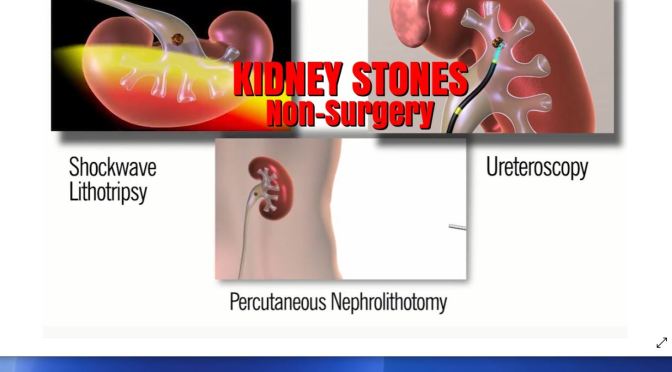
MEDICINE: ‘NON-SURGICAL TREATMENT OF KIDNEY STONES’ (CLEVELAND CLINIC)

Observation is a non-surgical approach in which we allow the stone to pass on its own. The smaller the stone, the better the chance that it will pass. The benefit of observation is that you avoid having surgery.

Read more

COVID-19: RACE TO UPDATE VACCINES FOR VARIANTS

Just two months ago, the incredible performance of new vaccines from Moderna and Pfizer had people cheering for an imminent end to the pandemic. But an onslaught of fast-spreading and potentially dangerous mutations of the virus changed that. 

So now, even as pharma companies ramp up production in the early stages of a massive rollout, they are racing to retool their vaccine strategies. Robert Langreth reports that booster shots could give drugmakers a lucrative new revenue stream.

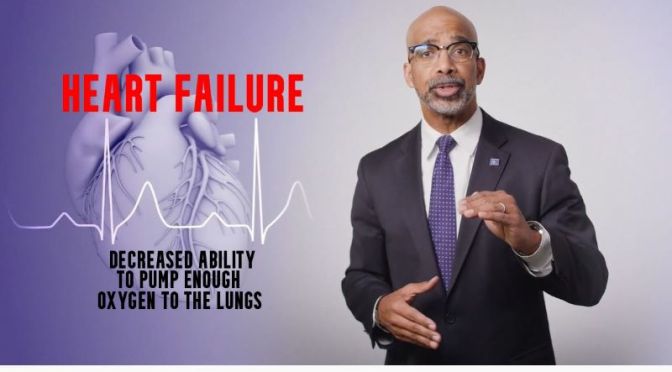
Heart Failure: ‘What It Is & How To Treat It’ (Video)

The heart is a hero. It works relentlessly to deliver oxygen and nutrients to the body. But just like all heroes, sometimes it gets tired, and can’t do its job as well. This is called heart failure – the inability for the heart to pump enough blood and oxygen to the lungs and rest of the body. In this video, Northwestern Medicine cardiologists Clyde W. Yancy, MD, MSc and Jane E. Wilcox, MD, MSc explain what heart failure is and the integrated and collaborative approach used to diagnose, stage and treat heart failure at Northwestern Medicine. For more information, visit http://heart.nm.org