Dr. C’s Journal: Flat Feet And Overpronation

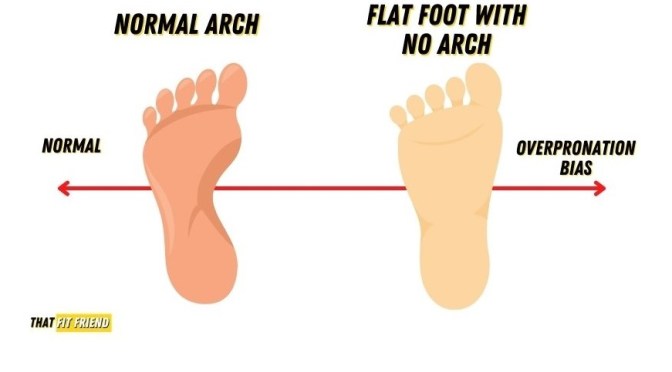
Flat feet will exempt you from the draft, but that is where are their benefit stops. This condition can be inherited, but the arch can also fail to develop during puberty.

The entire bottom of the foot will contact the ground when walking if you have flat feet.

Overpronation happens when the way you walk causes the arches of the feet to flatten even more, putting a strain on the muscles, tendons, and ligaments that support your arches. Overweight and running a lot on hard surfaces accentuates this problem, and pain in the ligaments in the arch of the foot is the result.

Overpronation may be indicated by excessive wear on the inside of the heels and soles of your shoes, and can cause all kinds of problems such as Achilles tendinitis, iliotibial band syndrome, plantar fasciitis, shin splints, and even knee, hip, or back pain. these things may  develop in compensation to overpronation while walking.

As an older person, I have pretty much given up tennis and running, and walk rapidly for long (for me) distances in order to get sufficient exercise. Without noticeably increasing my walking, I have recently developed tenderness in the arch of my left foot that made walking painful. Curling my toes, and walking on the outside of my feet seemed to alleviate the pain. This is an exercise that I remember from my childhood, and may have been shown me because of my moderately flat feet.

Swimming for Exercise, and decreasing the amount of walking seems to have corrected the condition at least temporarily, but I have also ordered some orthotic inserts for my shoes as an arch support, in case I need them going forward. I have been told that if this is insufficient I can go to a specialty store and order some special shoes that might help. I have not mentioned painkillers such as NSAIDs, because I try to avoid them

Please check with the accompanying references for more information about flat feet and over pronation.

—Dr. C.
Read more

Eye Disorders: The Types And Causes Of Myopia

Image

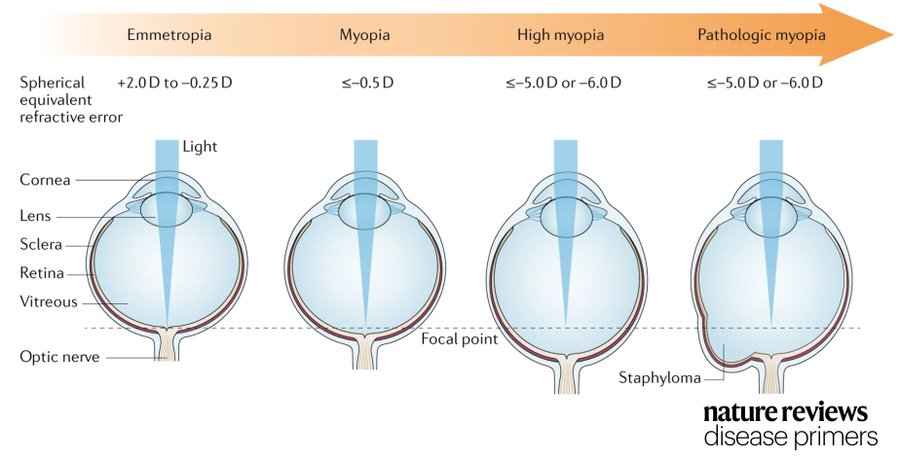
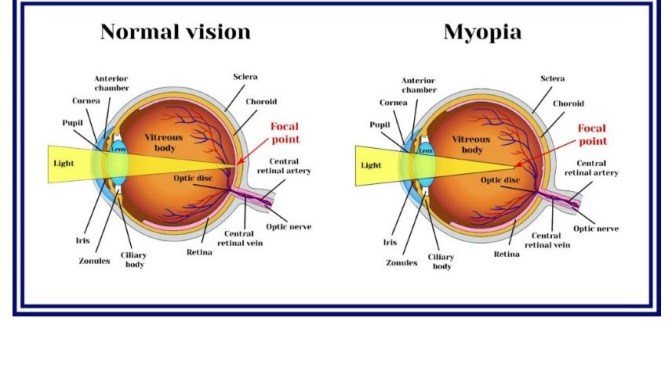
Myopia, also known as short-sightedness or near-sightedness, is a very common condition that typically starts in childhood. Severe forms of myopia (pathologic myopia) are associated with a risk of other associated ophthalmic problems. This disorder affects all populations and is reaching epidemic proportions in East Asia, although there are differences in prevalence between countries.

Myopia is caused by both environmental and genetic risk factors. A range of myopia management and control strategies are available that can treat this condition, but it is clear that understanding the factors involved in delaying myopia onset and slowing its progression will be key to reducing the rapid rise in its global prevalence.

To achieve this goal, improved data collection using wearable technology, in combination with collection and assessment of data on demographic, genetic and environmental risk factors and with artificial intelligence are needed. Improved public health strategies focusing on early detection or prevention combined with additional effective therapeutic interventions to limit myopia progression are also needed.

Read more

Dr. C’s Journal: Plantar Fasciitis And Foot Pain

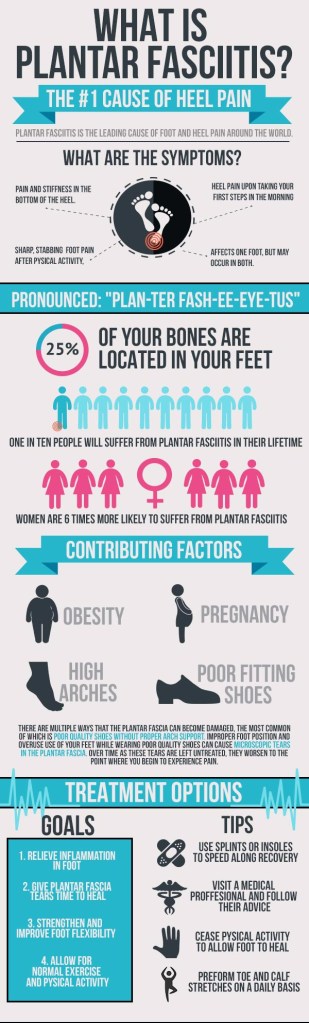
Our feet are subjected to such abuse that it is amazing we don’t have more problems with them. But problems there are, and I have been having some. I will be exploring the different types and causes of foot pain  beginning with this article on plantar fasciitis.

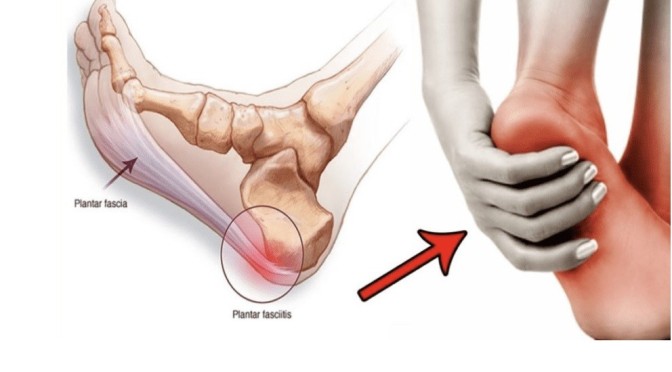
The plantar fascia is a triangular web of connective tissue on the bottom of the foot that begins at the heel and fans out to attach to the toes. With repeated stress, it can become torn or inflamed and caused pain.

The pain of plantar fasciitis is usually centered around the heel, on the bottom of the foot. It is often absent first thing in the morning, produces a stabbing pain on first walking, and goes away with activity; you can “walk it off”. Plantar fasciitis is usually slow to heal and may take several months

The doctor will usually make the diagnosis by your story(history), and the localization of the pain. X-rays, CT scans, and MRIs or necessary only if there’s a suspicion of a stress fracture.

Conservative treatment focuses upon stretching exercises and orthotics, but there are various types of injections, shockwave therapies, ultrasonic tissue repairs, and surgeries that some people need.

A particularly interesting treatment cited was the injection of platelet rich plasma from your own blood to promote healing. I recently read that this technique, in addition to a collagen scaffold  is currently used to treat rupture of the anterior cruciate ligament of the knee.

Of course, prevention is the ideal. Maintaining a healthy weight is important. Supportive shoes, with thick soles and good arch support will help. stretching exercises are also helpful as a preventative.

Please check with the Mayo Clinic article for more information.

—Dr. C.

Read more

Prostate Cancer: Its Signs And Advanced Symptoms

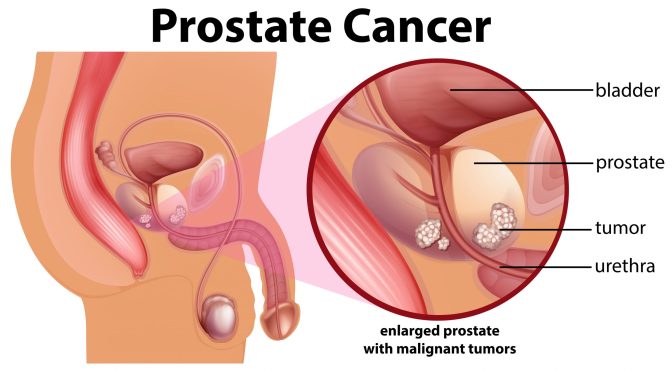
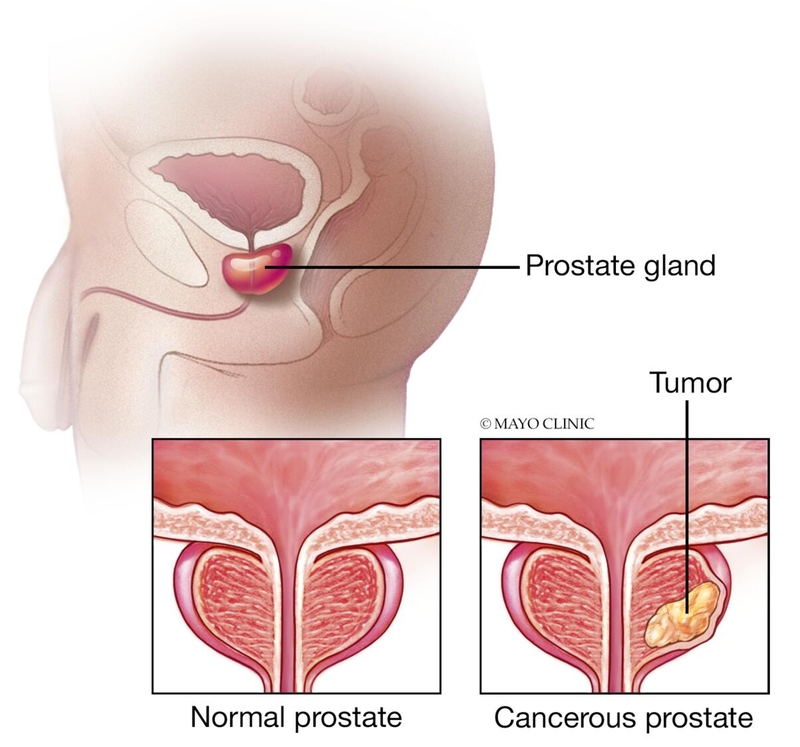
Prostate cancer is one of the most common types of cancer. Many prostate cancers grow slowly and are confined to the prostate gland, where they may not cause serious harm. 

Image

However, while some types of prostate cancer grow slowly and may need minimal or even no treatment, other types are aggressive and can spread quickly.

Prostate cancer that’s detected early — when it’s still confined to the prostate gland — has the best chance for successful treatment.

Prostate cancer may cause no signs or symptoms in its early stages. When it’s more advanced may cause signs and symptoms such as:

  • Trouble urinating
  • Decreased force in the stream of urine
  • Blood in the urine
  • Blood in the semen
  • Bone pain
  • Losing weight without trying
  • Erectile dysfunction

Read more

COMMENTARY:

PSA screening will pick up prostate cancer very efficiently. However, it will also pick up slow growing cancer that might never be require treatment, and responding to the positive test could cause problems ranging from pain and convenience to erectile dysfunction and incontinence.

It takes 1000 men screened to produce one life-saving treatment for prostate cancer.

Risk reward analysis means that the younger you are, the more reasonable is a test, since you have many more years of potential life. The older you are, conversely, the less you have to gain. The problem is that most cancers are slow growing, and might never cause a problem, especially if you have only a few years left to live.

Most experts recommend a test when a man reaches the age of 45, but reserve annual testing for those who are at high risk, such as having a brother or father with aggressive prostate cancer.

When a man reaches the age of 70, most experts would decline to test.

Sometimes, emotional considerations present themselves; worry is very much a disease. For instance, the best man at my wedding stopped getting his PSA test about three years before he was diagnosed with fatal metastatic prostate cancer. I am inclined to continue getting my annual prostate test, and would worry if I didn’t.

A recent study in the journal Cancer reported that more than half of a group of men 75 years and older had PSA tests and biopsies.

As an interesting aside, the PSA test is the only test I have ever had rejected by Medicare, presumably because of this expert opinion factoring in the cost benefit analysis of using the test.

—Dr. C.

Skin Conditions: Five Types Of Contact Dermatitis

Contact dermatitis (CD) is among the most common inflammatory dermatological conditions and includes allergic CD, photoallergic CD, irritant CD, photoirritant CD (also called phototoxic CD) and protein CD. Occupational CD can be of any type and is the most prevalent occupational skin disease. Each CD type is characterized by different immunological mechanisms and/or requisite exposures. Clinical manifestations of CD vary widely and multiple subtypes may occur simultaneously. The diagnosis relies on clinical presentation, thorough exposure assessment and evaluation with techniques such as patch testing and skin-prick testing. Management is based on patient education, avoidance strategies of specific substances, and topical treatments; in severe or recalcitrant cases, which can negatively affect the quality of life of patients, systemic medications may be needed.

Covid-19: China Approves The First Inhaled Vaccine

The vaccine, called Convidecia Air, changes the liquid form of the vaccine into an aerosol using a nebuilzer. The vaccine can then be inhaled through the mouth using the nebulizer machine. The needle-free vaccine “can effectively induce comprehensive immune protection in response to SARS-CoV-2 after just one breath,” Cansino said in a statement.

In July, Chinese scientists published a pre-print study showing that people who received one booster dose of Cansino’s inhaled vaccine after two doses of the inactivated jab from Chinese maker Sinovac developed more antibodies than people who received three Sinovac shots. Four weeks after receiving the inhaled booster, 92.5% of people had developed neutralizing antibodies for Omicron.

Those who got three doses on Sinovac’s jab did not demonstrate any neutralizing antibodies for Omicron, either four weeks or six months after getting a booster.

Read more

COMMENTS:

Spray vaccines will be our best chance to stop Covid.

However, there are two big problems that have to be solved.

The first problem is keeping up with the blitzkrieg mutation capacity that Covid has. Our best chance to do that is with the mRNA technology, which permits vaccine generation with minimal delay. However, mRNA vaccines are too fragile to be suitable for a nasal or oral spray. The particles would be destroyed before they could activate the mucosal immune system.

But it is still possible, using laboratory technology to convert this mRNA into peptides and proteins suitable for use as a spray. Using AI to generate three dimensional shapes, surely a  stable molecule of suitable configuration and stability could be eventually generated.

The second appears to have been partially solved by the Chinese, according to the Fortune  article, namely getting an injectable vaccine into a suitable form and dose to survive the bodies mucosal clearance mechanisms and enzymes, designed to keep foreign sprays and mists out of the body, in enough concentration to stimulate the mucosal immune system.

Our bodies have developed a parallel Defense system using a unique immunoglobulin, IGA, and  special support cells. When stimulated, immunity bristles as a first line of defense to deny incoming viruses entrance to the body. This is what is needed to prevent infection from occurring in the first place, so extremely important for a highly infectious and potentially lethal virus such as Covid.

The Chinese, with their autocratic system,  have a better chance of making everybody take this vaccine, even though it requires a cumbersome liquid nebulizer to generate the mist.

Better would be a handheld inhaler, and, hopefully, this is what some dozen pharmaceutical corporations, working on a nasal or inhaled vaccine , are aiming for.

—Dr. C.

Colorectal Cancer: ‘Miss Rate’ Lowered 50% Using AI

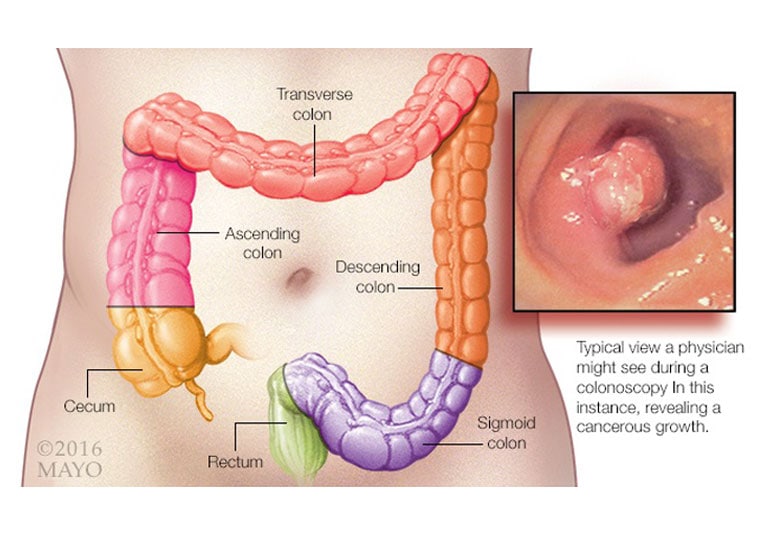
“Colorectal cancer is almost entirely preventable with proper screening,” says senior author Michael B. Wallace, M.D., division chair of Gastroenterology and Hepatology at Sheikh Shakhbout Medical City in Abu Dhabi, United Arab Emirates, and the Fred C. Andersen Professor at Mayo Clinic in Jacksonville, Florida. “The substantial decrease in miss rate using AI reassures health care providers on the decreased risk of perceptual errors.”

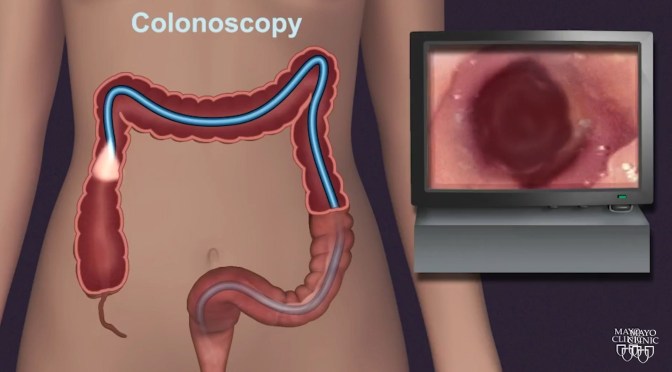
The most relevant cause of post-colonoscopy colorectal cancer (CRC) is the miss rate of colorectal neoplasia — the rate at which neoplastic lesions are not detected in a screening or surveillance colonoscopy. Some studies suggest that 52% to 57% of post-colonoscopy CRC cases are due to missed lesions at patients’ colonoscopies. It’s estimated that 25% of neoplastic lesions are missed following screening colonoscopy.

Mayo Clinic Gastroenterology and Hepatology, in collaboration with colleagues from around the world, found that using artificial intelligence (AI) in colorectal cancer screening produced a 50% reduction in the miss rate for colorectal neoplasia. Results of the study were published in the July 2022 edition of Gastroenterology.

Read more

Osteoarthritis: Increased Walking Lowers Knee Pain

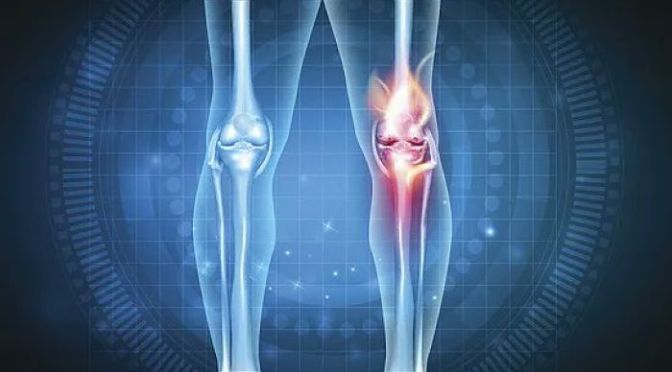
People with knee osteoarthritis may reduce their risk of knee pain by walking more, according to a study published online June 8, 2022, by Arthritis & Rheumatology.

photo of three mature adults walking for fitness

Researchers looked at the walking habits of more than 1,200 people with knee osteoarthritis (average age 63, 45% men). They were asked how often they walked for exercise since age 50 and whether they had frequent knee pain. X-rays were done to assess structural knee damage.

The investigators first looked at participants who did not report regular knee pain. They found that among this group, those who walked for exercise were less likely to later develop knee pain (26%) at the follow-up eight years later compared with those who did not walk for exercise (37%).

Read more

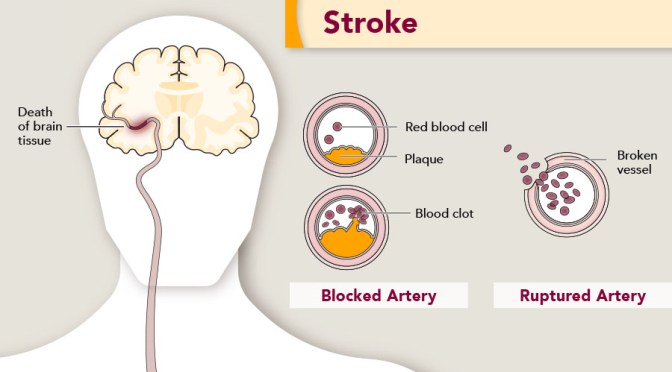
Stroke: Long Periods Of Sitting Increases Risks

The study involved 7,607 adults who wore a hip-mounted accelerometer (a device that records how fast you move) for a week. Their average age was 63. During a follow-up period averaging 7.4 years, 246 of the participants experienced a stroke.

People who sat for 13 or more hours per day during the initial week of motion tracking were 44% more likely to have a stroke compared with those who’d spent less than 11 hours per day sitting still. In addition, longer bouts of sitting (more than 17 minutes at a time) were linked to a higher risk than shorter bouts (less than eight minutes).