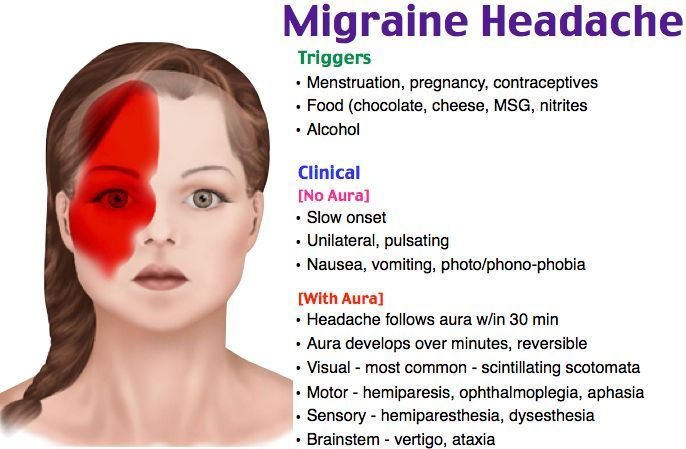
Migraine Headache in its classic form is a unique syndrome, or grouping of symptoms. There is often a PRODROME of anxiety, mood changes or fatigue a day or two before the Headache. There may also be an AURA, such as visual or other sensory symptoms, preceding the headache by minutes.
The Headache is often ONE-SIDED (hence the name, HeMigraine). The Headache is SEVERE, and accompanied by NAUSEA AND VOMITING, a “sick” Headache.
There are a variety of TRIGGERS, such as ripened Cheeses, Red wine, Nitrate-containing foods like hot dogs and pepperoni, and missing your cup of coffee. Stress and Hormonal Changes (menstrual periods) may trigger Migraine.
Migraine often has a FAMILY HISTORY. If one parent has migraine, the risk is 50%, and if both parents, 75%. It is more common in women. During the Headache, Migraine sufferers often seek out a quiet, dark room, and avoid stimulation.
My own experience with Migraine is with isolated OPHTHALMIC MIGRAINE. I have the aura, but luckily have no pain. In my day, 50 years ago, Migraine was considered a Vascular Headache Problem, with Vasodilation being the cause. Many triggers result in Vasodilation.
After a half century of intense study, including the discovery of Calcitonin Gene Related Product (CGRP) in the blood during Migraine, It is now considered a NEUROVASCULAR Headache Problem, and there is optimism for future progress.
TREATMENT can be to abort, to shorten the attack after the warning Prodrome or Aura start. If the attacks are too frequent, such as several times a week,
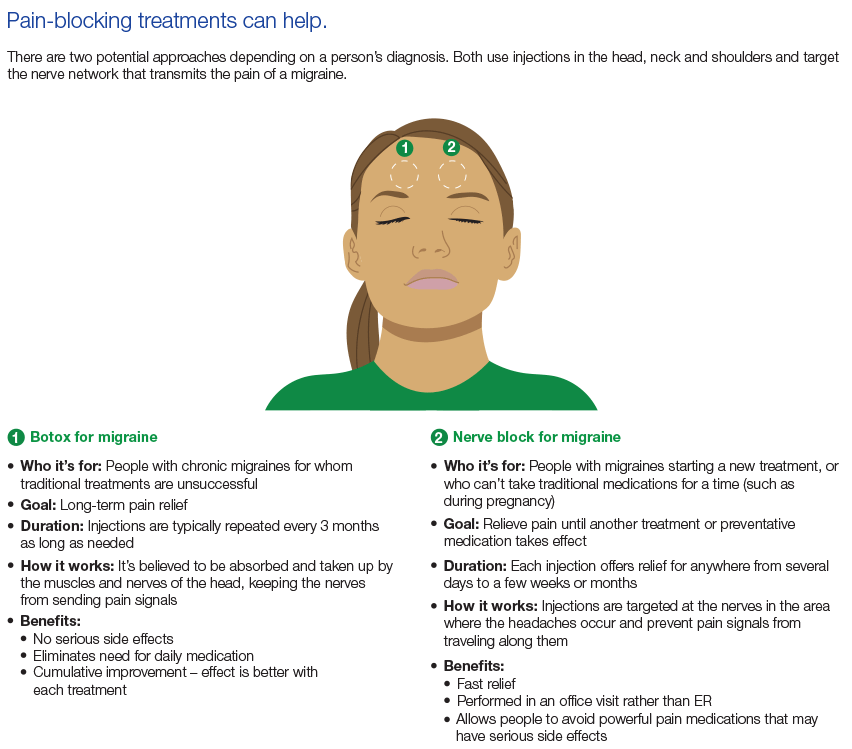
PREVENTATIVE treatment may be needed. Medications include a host of chemicals, including Hormones, and most recently, CGRP. Many of these chemicals are vasoconstrictors, which narrow blood vessels.
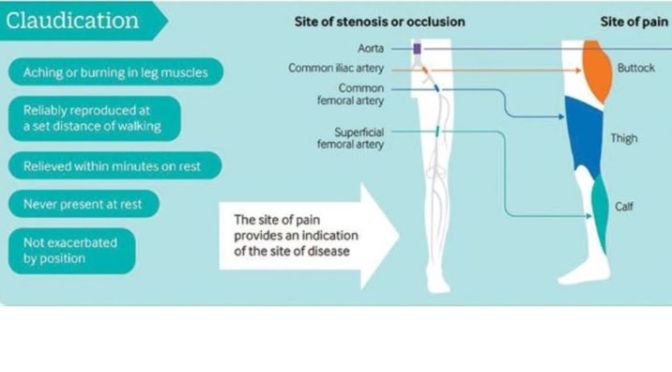
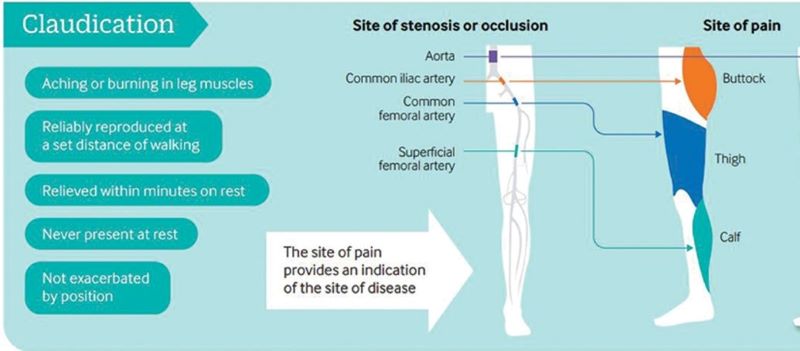
Exercise training is a safe, effective and low-cost intervention for improving walking ability in patients with IC. Additional benefits may include improvements in QoL, muscle strength and cardiorespiratory fitness. Clinical guidelines advocate supervised exercise training as a primary therapy for IC, with walking as the primary modality.
However, evidence is emerging for the role of various other modes of exercise including cycling and progressive resistance training to supplement walking training. In addition, there is emerging evidence for home-based exercise programmes. Revascularisation or drug treatment options should only be considered in patients if exercise training provides insufficient symptomatic relief.
Abstract
Peripheral artery disease (PAD) is caused by atherosclerotic narrowing of the arteries supplying the lower limbs often resulting in intermittent claudication, evident as pain or cramping while walking. Supervised exercise training elicits clinically meaningful benefits in walking ability and quality of life. Walking is the modality of exercise with the strongest evidence and is recommended in several national and international guidelines. Alternate forms of exercise such as upper- or lower-body cycling may be used, if required by certain patients, although there is less evidence for these types of programmes. The evidence for progressive resistance training is growing and patients can also engage in strength-based training alongside a walking programme. For those unable to attend a supervised class (strongest evidence), home-based or ‘self-facilitated’ exercise programmes are known to improve walking distance when compared to simple advice. All exercise programmes, independent of the mode of delivery, should be progressive and individually prescribed where possible, considering disease severity, comorbidities and initial exercise capacity. All patients should aim to accumulate at least 30 min of aerobic activity, at least three times a week, for at least 3 months, ideally in the form of walking exercise to near-maximal claudication pain.
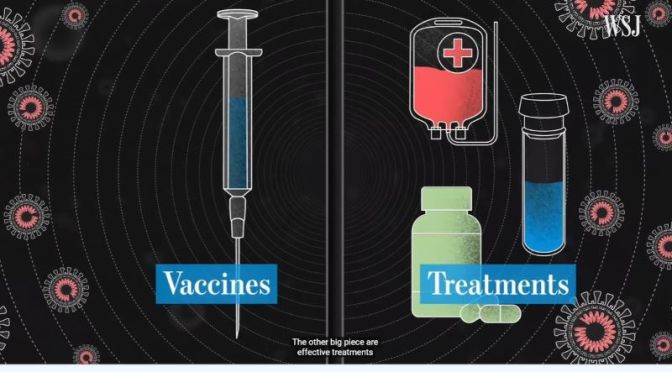
Health experts say having a vaccine is just one front in a two-front battle against COVID-19. The other is effective treatments for those who are already sick with the disease. WSJ breaks down the three most promising types in development. Photo Illustration: Jacob Reynolds/WSJ.
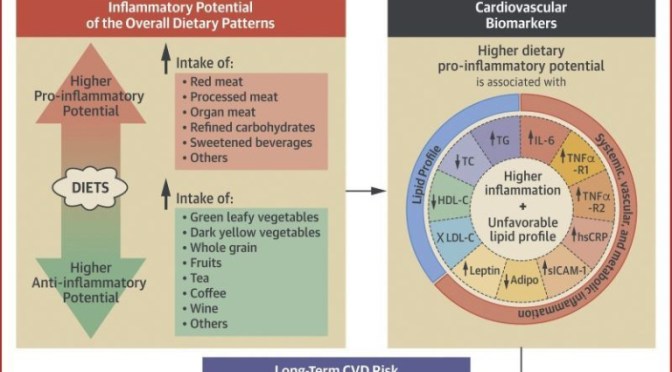
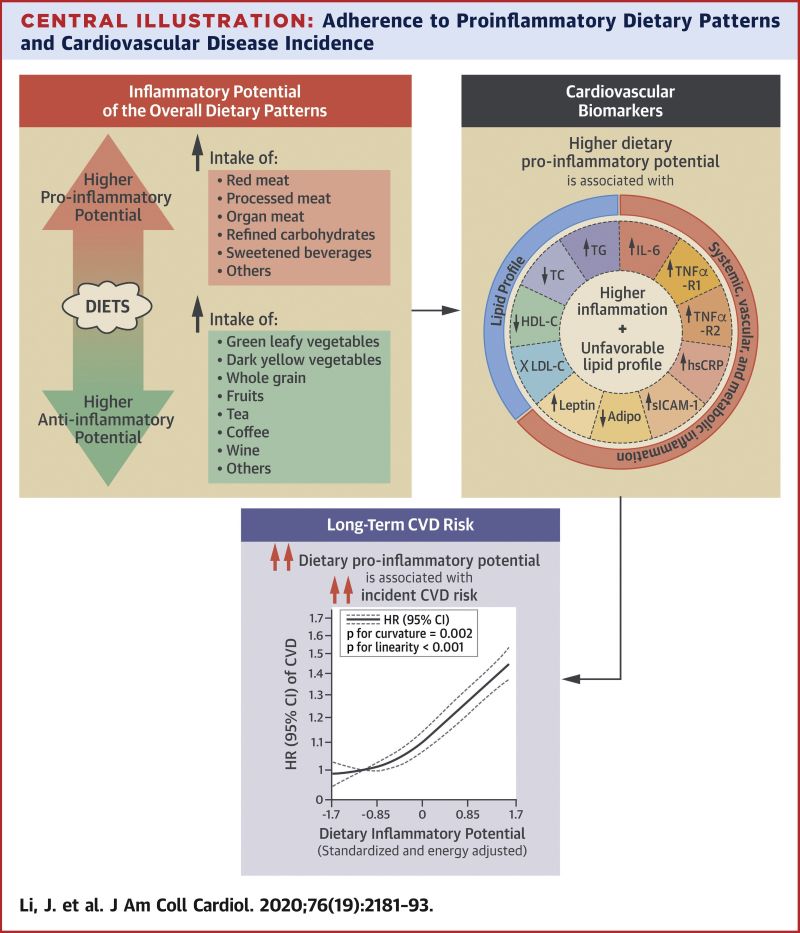
Dietary patterns with a higher proinflammatory potential were associated with higher CVD risk. Reducing the inflammatory potential of the diet may potentially provide an effective strategy for CVD prevention.
Background
Inflammation plays an important role in cardiovascular disease (CVD) development. Diet modulates inflammation; however, it remains unknown whether dietary patterns with higher inflammatory potential are associated with long-term CVD risk.
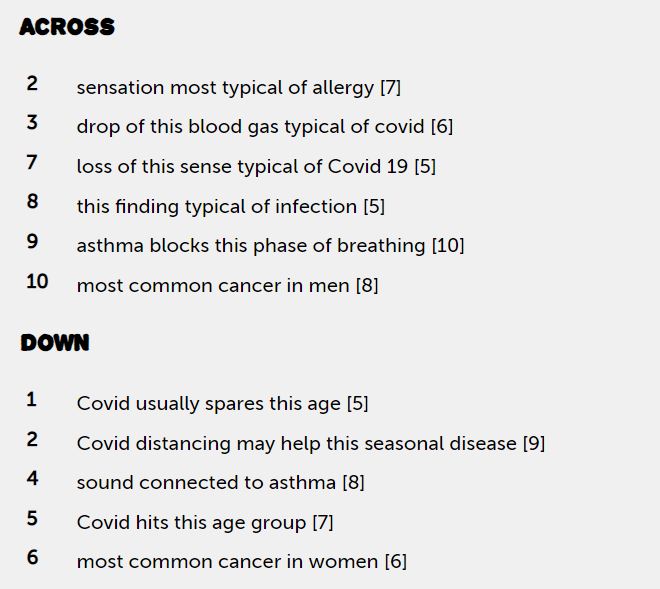
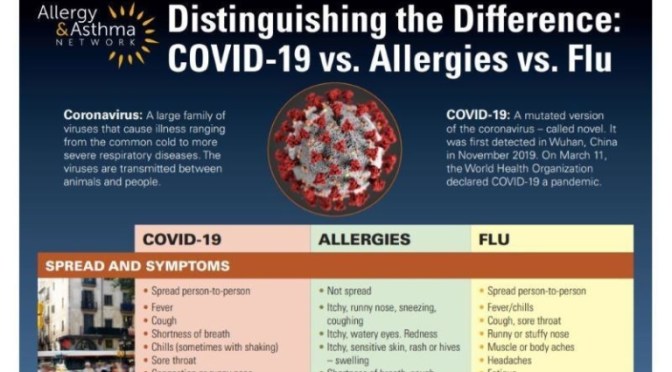
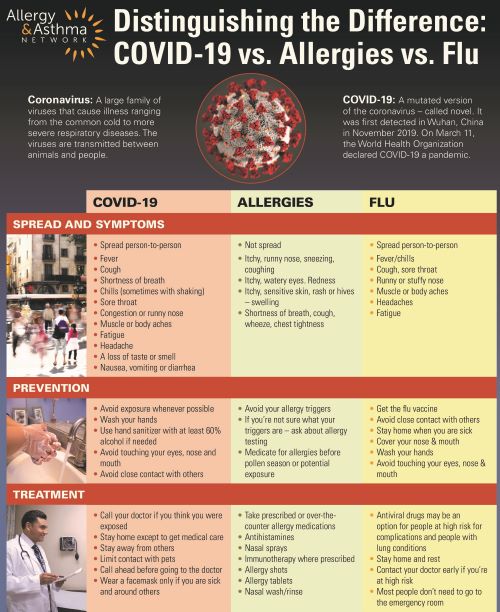
The infographic by the allergy and asthma foundation aims to distinguish between Covid, Influenza and allergy. I would like to discuss more than symptoms. Covid and Influenza are both caused by invading infectious viruses.
Allergy is an over-response by the sensitized body to harmless proteins from the environment Covid and Influenza viruses cause direct damage to the lining membranes of the respiratory tract provoking a protective response by the body which produces inflammation in the nose and lung. Rhinitis, bronchitis and pneumonia result, depending on the site of the inflammation.
The symptoms of Allergy are far different from both Influenza and covid. ITCHING of the nose, eyes and skin is the hallmark of allergic Rhinitis, allergic conjunctivitis and Hives, respectively. Influenza or Covid Infection of the nose, eyes and airways can produce sneezing, redness, coughing and difficulty breathing, but not usually itching.
Fever is characteristic of Influenza and Covid, but not of uncomplicated Allergy. Asthma can result from either infection or allergy, but is a separate beast, caused by release of different inflammatory cytokines.
The ASTHMATIC REACTION shows itself in the BLOCKAGE of breathing of air OUT of the lung, on EXHALATION. This blockage on exhalation in asthma is heard as wheezing, a musical sound. Just ask the wheezing person to take a deep breath IN, which should be easier, and then breathe out as fast as possible, which should be slower and more difficult. Fever is not a feature of uncomplicated Asthma. Influenza and Covid.
Both produce FEVER, fatigue, aching and usually coughing. Covid has the greater linkage with Coughing, which often progresses to Shortness of breath. Both Influenza and Covid can produce a sore throat and runny nose. LOSS OF SENSE OF SMELL is unique to Covid, although if your nose is stuffy, the sense of smell can be impaired. Influenza preys on the very young, which are generally spared from Covid.
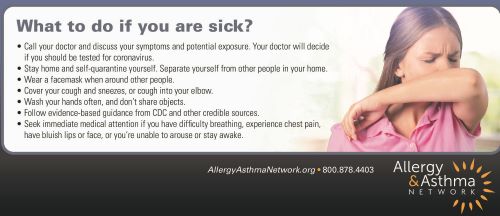
If you are careful about social distancing and wear masks in public, and get sick, Covid is more likely, since COVID IS MORE CONTAGIOUS THAN INFLUENZA. Covid protections will probably result in fewer cases of Influenza this winter.
To summarize,both the “flu” and Covid 19 are infectious conditions, vastly different from allergy, which is a derailed body defense mechanism. Any of the three can result in an asthmatic reaction, though the fever of influenza often lessens the Asthmatic response to that condition.. Covid is much more contagious and severe than influenza and can cause more widespread organ damage. Be sure to practice MASK WEARING AND SOCIAL DISTANCING.
If you have asthma and it worsens, in my opinion, this favors covid. My asthmatic patients often got better with the fever of Influenza. If you have a CHILD that gets sick, it is more likely to be Influenza than Covid.
The number of older people, including those living with dementia, is rising, as younger age mortality declines. However, the age-specific incidence of dementia has fallen in many countries, probably because of improvements in education, nutrition, health care, and lifestyle changes.
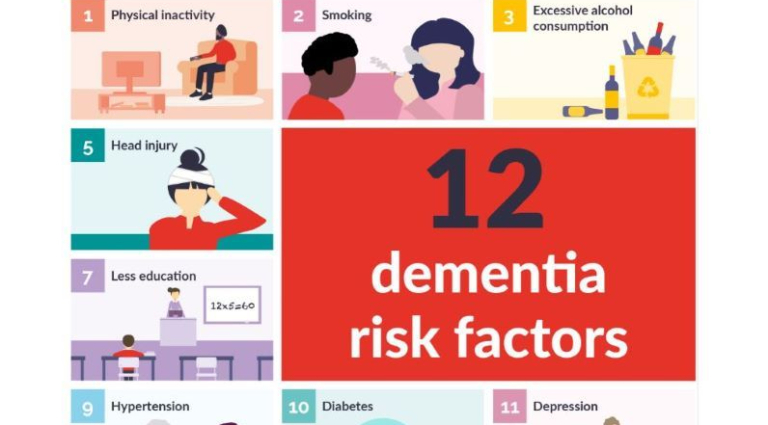
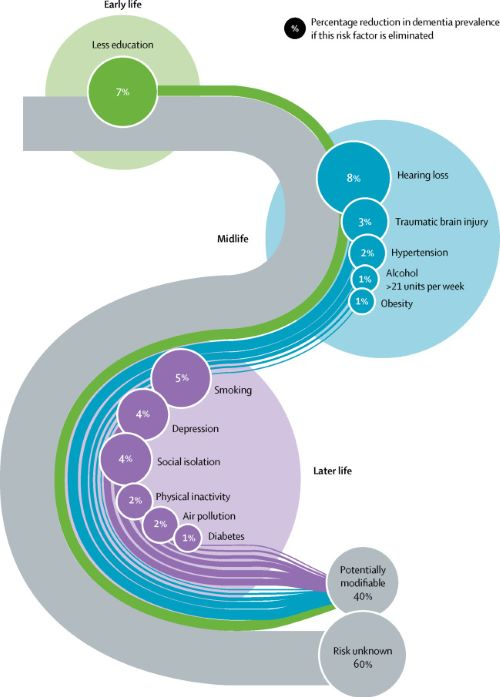
Overall, a growing body of evidence supports the nine potentially modifiable risk factors for dementia modelled by the 2017 Lancet Commission on dementia prevention, intervention, and care: less education, hypertension, hearing impairment, smoking, obesity, depression, physical inactivity, diabetes, and low social contact.
We now add three more risk factors for dementia with newer, convincing evidence. These factors are excessive alcohol consumption, traumatic brain injury, and air pollution. We have completed new reviews and meta-analyses and incorporated these into an updated 12 risk factor life-course model of dementia prevention. Together the 12 modifiable risk factors account for around 40% of worldwide dementias, which consequently could theoretically be prevented or delayed.
The potential for prevention is high and might be higher in low-income and middle-income countries (LMIC) where more dementias occur. Our new life-course model and evidence synthesis has paramount worldwide policy implications. It is never too early and never too late in the life course for dementia prevention. Early-life (younger than 45 years) risks, such as less education, affect cognitive reserve; midlife (45–65 years), and later-life (older than 65 years) risk factors influence reserve and triggering of neuropathological developments.
Culture, poverty, and inequality are key drivers of the need for change. Individuals who are most deprived need these changes the most and will derive the highest benefit.
Lancet’s 2017 Metanalysis mentions 9 Dementia risk factors. The 2020 Paper adds 3 additional factors. TRAUMATIC BRAIN INJURY, ALCOHOLISM, and AIR POLLUTION.
The inclusion of Trauma, with a 3% weighting, may be due to the increased awareness of TBE stemming from football injuries. The preventable 12 Factors are still in the minority. 60% of the factors are not preventable, since they are Genetically determined.
LESS EDUCATION, HEARING LOSS and SOCIAL ISOLATION, 3 of the original 9 factors,all lead to less brain stimulation, and can be unified under the idea of COGNITIVE RESERVE. If a person starts with less Cognition, it is reasonable to think he would be Demented sooner.
Together, less education, hearing loss, and social isolation account for almost Half of the correctable conditions. SMOKING is one of those things which impact almost every human disorder. It is amazing that cigarettes are still manufactured. In fact, their use is actually Increasing,especially the Far East, where they probably account for much of the escalating problem with Dementia in that region.
Our favorite causes, Sleep, Diet, and Exercise, apparently play only a minor role in Dementia. Sleep is completely dismissed in this report. The fact that both Sleeping less than the Ideal 7-8 hours, and more than that amount is thought to correlate with health problems is probably the main reason for the omission.
My own opinion is that people who are in poor health may need more sleep, and therefore sleep longer. My own sleep is interrupted 3-5 times per night, so it is not surprising that I need an hour extra to feel rested. Any less than 9-10 hours, and I need a nap, which in my opinion is a sign of insufficient nighttime sleep. Poor sleep may be a factor in metabolic syndrome, often leading to DIABETES, OBESITY, and HYPERTENSION, which are factors in Dementia, mentioned in the article as bit players.
PHYSICAL INACTIVITY is mentioned as a minor factor in Dementia, but exercise, studied as a treatment of dementia, was found to improve only strength. Diet is not mentioned, but does contribute to OBESITY, which is a minor factor. Dementia is a great emotional and economic burden, afflicting many otherwise happy families with misfortune.
The Lancet metanalysis is admirable. But don’t forget the healthy lifestyle emphasizing Sleep Diet and Exercise; and exercise includes cognitive exercise. Anything we can do to avoid dementia is worthwhile. –
–Dr.C.
Empowering Patients Through Education And Telemedicine




 Doctors Without Waiting Rooms