TELEMEDICINE: “DOXY.ME” IS A FREE, LOW-TECHNOLOGY ENTRY FOR VIRTUAL VISITS

  • Simple and convenient to use – See your doctor from anywhere, just click their personalized room link (like doxy.me/YourDrsName) to join them for a video call.
  • No downloads or accounts – No need to download software or create an account. Just use a browser on a computer or device with a camera and microphone.
  • Private and secure – All data is encrypted, your sessions are anonymous, and none of your information is stored. We adhere to HIPAA, PIPEDA, and GDPR data privacy requirements.

WEBSITE

WOMEN’S HEALTH: RISK FACTORS AND PREVENTION OF OSTEOPOROSIS

I have heard the same story over and over. You get older, you trip over your dog or on the edge of a rug, you fall and break your hip, and in treatment or convalescence, you get a pneumonia and die, or at least you get weaker, setting you up for the next fall. Your course is downhill.

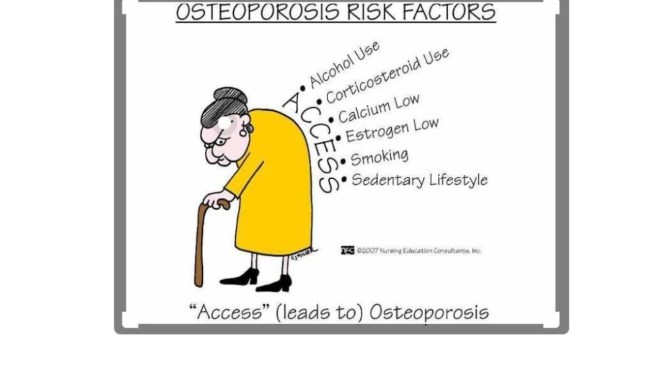
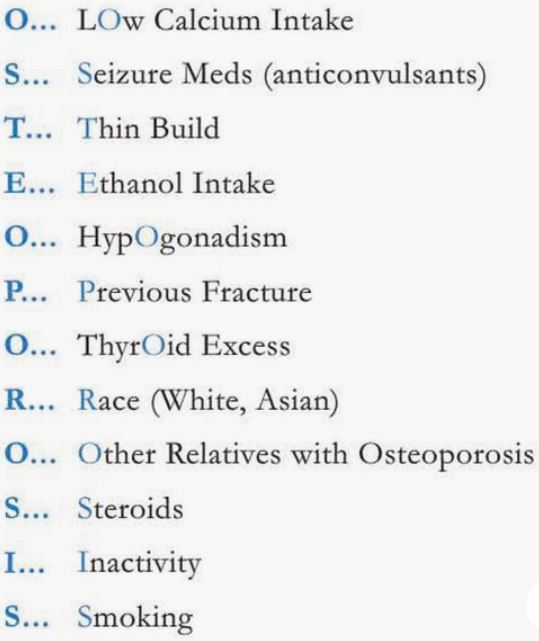
The culprit is often OSTEOPOROSIS. Osteoporosis is a disease characterized by loss of bone mass, as opposed to Osteomalacia, discussed in a recent podcast on this site, which is softening of bone The word itself is a MEMONIC for the RISK FACTORS; Then comes WHAT TO DO.

The RISK FACTORS and Prevention Strategies can be remembered in the following mnemonic:

Osteoporosis prevention begins when you are a child, with healthy diet rich in Calcium, and lots of exercise. Your bone mass peaks in the early 20s. While you are young, in your reproductive years, your reproductive hormones, Estrogen and Testosterone protect you.

Women should develop a Preventative strategy during menopause. Being THIN, like i am, is generally a marker of good health, much better than being Fat.

But especially as you get older and Lose muscle mass, Osteoporosis can become a problem, maybe because your bones don’t get the stress required to keep them strong.

BONE DENSITY DECLINES WITH AGE. I get a DEXASCAN as often as my insurance allows, about every 2 years, and am due this summer.

More and more treatments for Osteoporosis are emerging, if your bone loss becomes severe enough.

KEEP IN CONTACT WITH YOUR DOCTOR.

–Dr. C

DIET STUDIES: HIGH-SUGAR DIETS SUPPRESS DOPAMINE, LEADING TO OVEREATING

From Phys.org/Univ. of Michigan (June 9, 2020):

High-Sugar Diet Dampens Release of Dopamine Causing Overeating - Univ of Michigan - Credit Christina May and Monica Dus

“On a high-sugar diet, we find that the fruit flies’ dopaminergic neurons are less active, because the high sugar intake decreases the intensity of the sweetness signal that comes from the mouth,” Dus said. “Animals use this feedback from dopamine to make predictions about how rewarding or filling a food will be. In the high-sugar diet flies, this process is broken—they get less dopamine neuron activation and so end up eating more than they need, which over time makes them gain weight.”

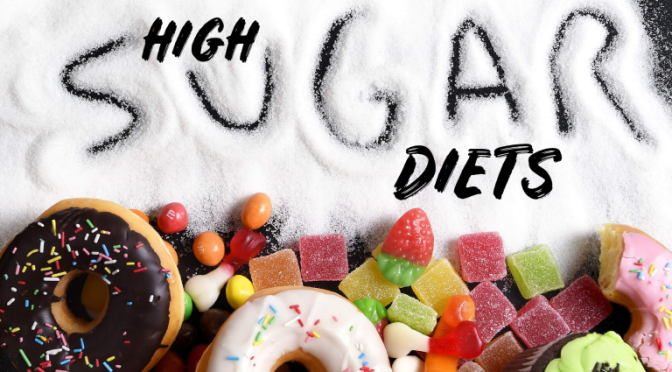
It is well known that consuming food and drink high in sugar is not great for us, but scientists are continuing to unravel the intricacies of how the sweet stuff drives negative health outcomes. The latest finding comes from researchers at the University of Michigan, who through studies in fruit flies have found that excess amounts of sugar can shut down crucial neural circuits linked to regulating satiety, possibly leading to overeating in humans.

Read entire article

COMMENTARY

SUGAR IS A POISON.

A novel illustration of sugars’ lethality was the Georgia sugar refinery explosion in 2008, which killed 14 people. Finely ground sugar is flammable.

Sugar appeared early in civilization, but it was expensive, sparing all but the wealthy of its’ depredations, mainly tooth decay.  Only with the post WWII expansion of wealth was it consumed excessively to produce the diseases of overeating. The developed world now consumes over 70 pounds of sugar per person, amounting to over 250 CALORIES PER DAY!

This  article shows how SUGAR acts like a DRUG In its INTERFERENCE with the DOPAMINERGIC Reward system. The neurons send less signal, so you need MORE SUGAR to satisfy.

The metabolic systems through which overeating and sugar causes the OBESITY, DIABETES, VASCULAR DISEASE and Early DEMENTIA are convoluted.The best detailed explication is in the NEJM article in intermittent fasting, a healthful practice that is the polar opposite of overeating.

Two very important metabolic mechanisms are discussed, the mTOR system and the Sirtuin system. These systems are important for NUTRIENT SENSING and repair, and conserved in all animals. They worked just fine in our early ancestors.

It seems that primitive man was not blessed (or is it cursed) with easy overabundance or food, and actually spent hours or days in Hunger. When times were good, his body put on muscle, and stored fat against the hard times to come. This is called ANABOLISM. When times were bad, his body went into repair mode, and used the fat for energy. This is called CATABOLISM.

Anabolism has evolved expressly for Young Animals, where extra food is welcome for Growth. After the growing and Reproductive years, our Bodies’ evolutionary “warrant” expires, since the genes it carries have already been spread. Our older bodies are left to deal with machinery more suited to an earlier vibrancy. Our metabolism didn’t evolve to deal with the calories we shove into our aging Bodies. Many mechanisms beneficial in the young prove harmful later on. This divergence has been called “ antagonistic pleiotropy”.

Whatever the explanation, the observation remains: if adults eat more than they can use, they gain weight. With insufficient exercise, this weight is fat. With excessive fat, the joints, blood vessels, liver, heart and brain suffer,  and lifespan is shortened.

RETHINK YOUR LIFESTYLE AS SOON AS POSSIBLE. AVOIDING SUGAR, and ALL THINGS CONTAINING SUGAR is as good a place as any to start. You will be rewarded by being able to fully taste and enjoy the natural sweetness of many REAL FOODS, and afforded a longer life to partake in this pleasure.

—Dr. C.
STUDY: “FRAGMENTED SLEEP” INCREASES INFLAMMATION & HARDENING OF THE ARTERIES

From UC Berkeley (June 4, 2020):

UC Berkeley Logo

“We’ve discovered that fragmented sleep is associated with a unique pathway — chronic circulating inflammation throughout the blood stream — which, in turn, is linked to higher amounts of plaques in coronary arteries,” said study senior author Matthew Walker, a UC Berkeley professor of psychology and neuroscience.

Disrupted nightly sleep and clogged arteries tend to sneak up on us as we age. And while both disorders may seem unrelated, a new UC Berkeley study helps explain why they are, in fact, pathologically intertwined.

Some tips to improve sleep quality

  • Maintain a regular sleep routine, going to bed and waking up at the same time each day.
  • As part of a nightly wind-down routine, avoid viewing computer, smartphone and TV screens in the last hour before bedtime, and keep phones and other digital devices out of the bedroom.
  • Engage in some form of physical exercise during the day.
  • Get exposure to natural daylight, especially in the first half of the day.
  • Avoid stimulants, like caffeine, and sedatives, like alcohol, later in the day.

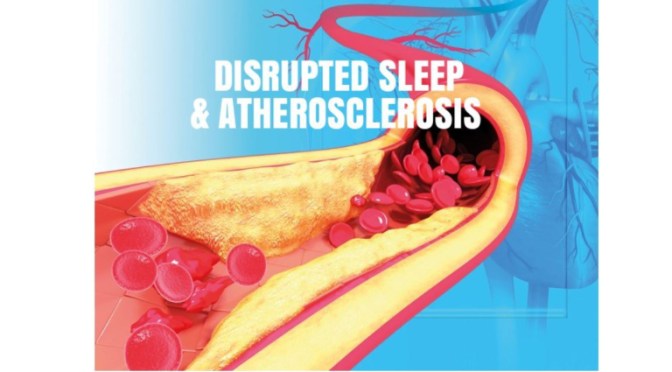
UC Berkeley sleep scientists have begun to reveal what it is about fragmented nightly sleep that leads to the fatty arterial plaque buildup known as atherosclerosis that can result in fatal heart disease.

Read full article

COMMENTARY

“How much sleep do we need”, and “Sleep Hygine” were past topics on this site, and my own sleep fragmentation was mentioned. This study correlates sleep fragmentation in the elderly with increased blood vessel disease compared to elderly people who have no interruptions in their sleep.

The elderly have several obstacles to a good, full night’s sleep, although a fair number of my friends claim the blessings of sleeping soundly. As we get older, we lose the deepest sleep we enjoyed as children, and there is some loss of REM sleep as well. The elderly sleep more lightly.

Diseases begin to accumulate as we get older, and These DISORDERS and their TREATMENT can disrupt sleep. I mentioned My BPH with it’s blockage of flow, leading to incomplete emptying of my bladder. This led to FREQUENT URINATION and frequent arousal at night.

With aging, the tissues in the throat become more flabby, and if you SLEEP on your BACK, your inhalation may be blocked. This may result in OBSTRUCTIVE SLEEP APNEA, where your breathing  and sleep are interrupted repeatedly. The associated SNORING may interrupt the sleep of your partner, or even the sleep of those in the next room.

GERD, where you choke on regurgitated stomach contents, is more common in the elderly.

Chronic Heart, lung and Kidney disease can interfere with sleep.
SLEEP DEPRIVATION leads to a variety of problems, such as the inflammation and Arterial blockage highlighted in the above article.

Sleep is intimately connected with DIET and EXERCISE. As one of the PILLARS of HEALTH,  It s well worth discussing with your Doctor and following her instructions.

—Dr. C.

PODCASTS: TELEMEDICINE TECHNOLOGY CAN LEAVE MANY PATIENTS BEHIND

Amid the Covid-19 pandemic, more doctors are turning to telemedicine. That’s a problem for tens of millions on the wrong side of the digital divide.

SPEAKING ON A landline, the patient complained of an itchy eye. On the call’s other end, physician Carla Harwell considered the possibilities, from seasonal allergies to vision-damaging herpes. Luckily, the elderly patient’s daughter was visiting during the phone consultation, so Harwell asked her to text a picture of her mom’s eye. The photo shocked Harwell. It was the worst case of bacterial conjunctivitis the doctor had ever seen.

Without the picture, Harwell would have told the octogenarian patient to call back in a few days or come to her office, risking an in-patient visit during the Covid-19 pandemic. She certainly wouldn’t have prescribed the antibacterial eye drops needed to treat the infection. “I probably would not have prescribed anything,” Harwell says. “That’s a scary thought.”

Read more

COMMENTARY

Telehealth is here, will remain after the pandemic, and is useful in many situations.

Being older, poorer, minority, Linguistically challenged, rural, less informed and less Tech-savvy reinforce each other in comprising Barriers to proper Medical care of ANY kind, especially Telemedicine. These handicaps will hopefully improve with time, and should be A societal priority.

Special internet-connected roving Aid-mobiles in afflicted areas is one feasible idea that would help. Responding to a lesser “911” number, the health-van could go to the calling persons location,  help the person to the van, take pictures and other data for a Telehealth Doctor to evaluate, and facilitate treatment.

A neighborhood Telehealth site is also workable, and was a precondition to Rural Telehealth access, pre-pandemic.
If you are reading this message, congratulations! You are increasing your information, technical facility and your access to better Healthcare.

—Dr. C.

PODCAST: “MEDDIET” ALTERS GUT MICRIOBIOME IN OLDER PEOPLE, IMPROVES FRAILTY, COGNITION, INFLAMMATION

We observed that increased adherence to the MedDiet modulates specific components of the gut microbiota that were associated with a reduction in risk of frailty, improved cognitive function and reduced inflammatory status. 

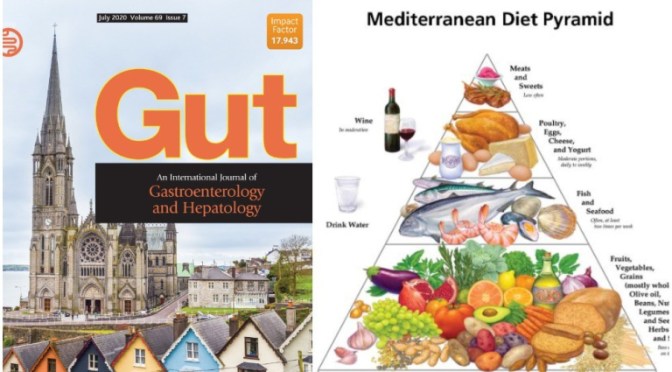
Dr Philip Smith, Digital and Education Editor of Gut and Consultant Gastroenterologist at the Royal Liverpool Hospital interviews Professor Paul O’Toole; who is Professor of Microbial Genomics, Head of School of Microbiology and Principal Investigator in APC Microbiome Ireland, an SFI funded centre at University College Cork, Ireland, on “Mediterranean diet intervention alters the gut microbiome in older people reducing frailty and improving health status: the NU-AGE 1-year dietary intervention across 5 European countries” published in paper copy in Gut in July 2020.

Read full study

COMMENTARY

Diet is one of the 3 pillars ( or 4, if you don’t consider intellectual stimulation a form of exercise) of health. And there are 3 prime dimensions to diet: Quality, Quantity, and Timing. This excellent study addresses the Quality of the diet. Vegetables, fruits and whole grains are the foundation.

Dietary Fiber is the main difference between the healthful Mediterranean diet and the highly processed diet so common in America.

How can you be sure you are eating enough fiber? Read on.
On almost all cans and boxes, you will find a nutritional statement, by law. Assuming that the contents are “real food”, and preferably “organic”, look for the “fiber” in grams, and the “calories” in 100’s, and mentally divide the grams of fiber by 100s  of calories, and you get a number. Let’s say that your fiber for the day totals “25” gms. and your calories for the day Totals 2500; that is “25” hundred calories. Divide the 25 grams by the 25 hundred calories, and you get “1”. Anything less than 1 is low in fiber.

25 grams of fiber is about the daily recommendation for fiber. 25 hundred calories is a ballpark figure for an average diet.
PORTION SIZE DOESN’T MATTER, since your dividend is a ratio.
The bacteria in your MICROBIOME feed on the fiber, and the higher and more diverse the fiber ( within reason. Hay is high in fiber) the healthier the food.

Blueberries are good for a fruit at 4-5 gms. of fiber per hundred calories. Broccoli is a good vegetable at 10 gms fiber per hundred calories, carrots about 3, and so on.

Sugar is the perfect “bad” food, at no fiber for as many calories as you can pack in. It makes you Want more, and “desensitizes” your taste buds to the natural sweetness of fruit, or even vegetables.

HIGH FIBER foods are MORE FILLING, leading you to eat less.
Civilization and Capitalism pushes too much food and too many calories at us. Overeating , obesity, and many of the modern illnesses is the result.
Generally, fresh fruits and vegetables are preferred, though cooking doesn’t do much harm, other than some vitamin loss that can be replaced.

Whole grain cereals have fiber in addition to other nutrients. Also, the complex carbohydrates in whole grains  are released more slowly than wIth refined cereals. This floods your blood less rapidly with glucose, and elicits a Less precipitous insulin response. This results in a lower, healthier  “glycemic Index”.

Vegetables, fruits Legumes, seeds, nuts and their oils are the mainstay of the Vegan diet, which is healthful If enough protein and essential fats are ingested.

Fish, eggs, milk and cheeses are other components of the Mediterranean diet.

I take many of my daily Vegetable and fruits and  liquefy them in a food blender. Drinking my daily vegetables and fruits is a tasty and convenient way to improve my diet. I Savor individually those items I find most tasty, like nuts, apples, avocado, And fruit in season. This exercises my jaws, which is probably healthy.

YOUR MICROBIOME helps you in many ways that science is just beginning to understand. A healthy Microbiome is a DIVERSE Microbiome. FIBER is the food of the Microbiome, and a diversity in dietary fiber leads to a diverse Microbiome. A diverse, happy Microbiome produces many biological substances, like neurotransmitters, and probably communicates with the brain directly through the gut-brain Axis.

The Podcast on the 1 year Meddiet showed how directly a diet can BENEFIT HEALTH STATUS.

-Dr. C.

TELEHEALTH: OLDER ADULTS INCREASINGLY FIND VIRTUAL VISITS SAME AS IN-PERSON

From the John A. Hartford Foundation:

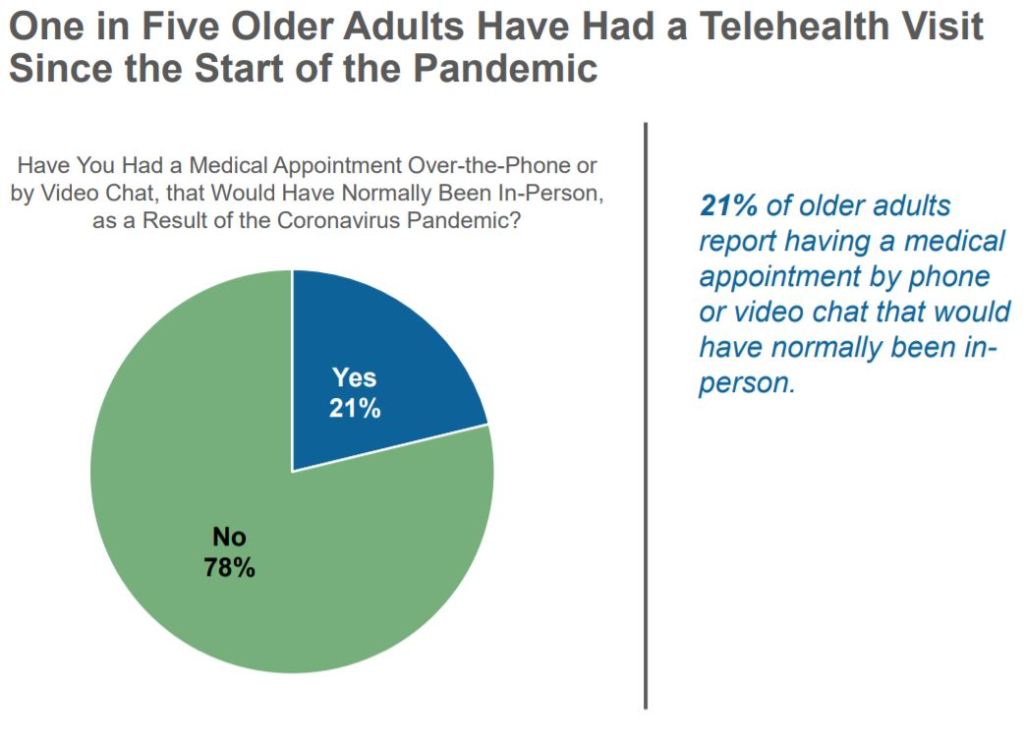
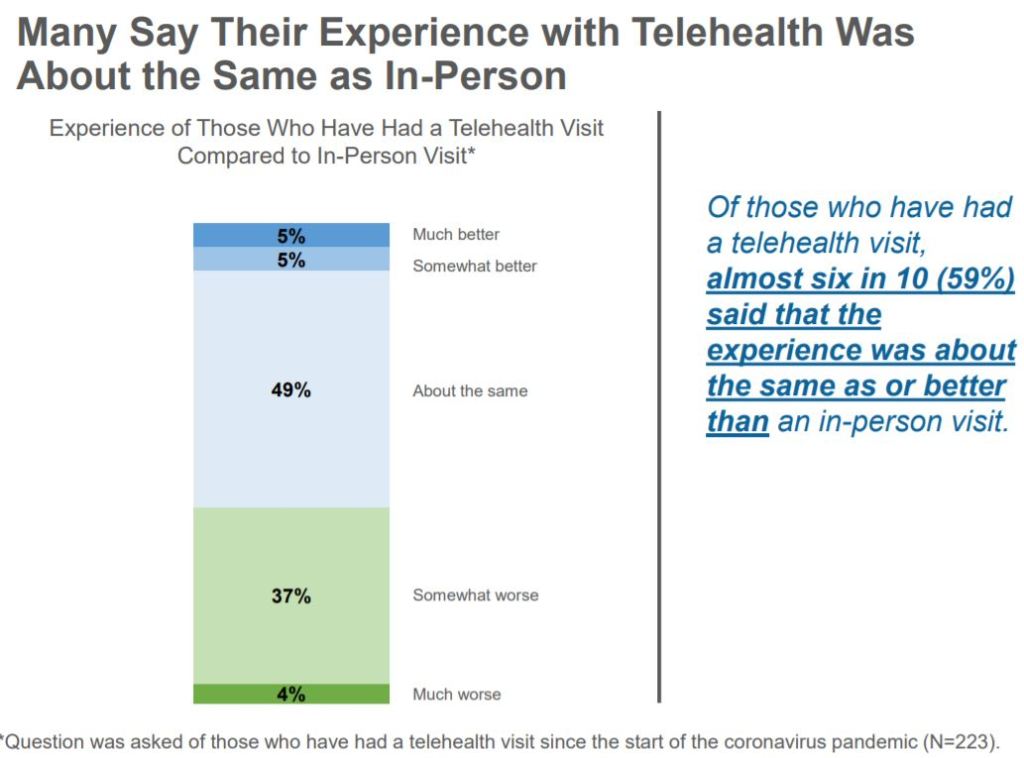
While the benefits of telehealth are myriad and more apparent than ever, our survey revealed that 41% of older adults did not see telehealth as living up to the in-person experience. Providers must optimize the technology so that it caters to the less tech-savvy patient and caregivers—especially, if it is their only means of accessing health care—so that it replicates the in-person visit as close as possible. 

survey we recently conducted shows that more than half of US adults age 70 and older (55%) experienced a disruption in their medical care during the first month of social distancing due to COVID-19. These older adults were most likely to delay primary or preventive care, and that’s alarming. Even more worrying, 15% of older adults put off essential medical treatment because of the pandemic. We don’t need medical degrees to know that delaying necessary care does not make the outcomes better.

As older adults continue to delay getting needed care, the problem will compound—increasing pent-up demand for services will ultimately vex health systems as patients’ conditions worsen. We think about the 4Ms of age-friendly care – what Matters, Medication, Mentation and Mobility – and how the pandemic may be delaying the assessments and interventions needed to prevent medication errors or to preserve cognitive and functional status.

Read full article