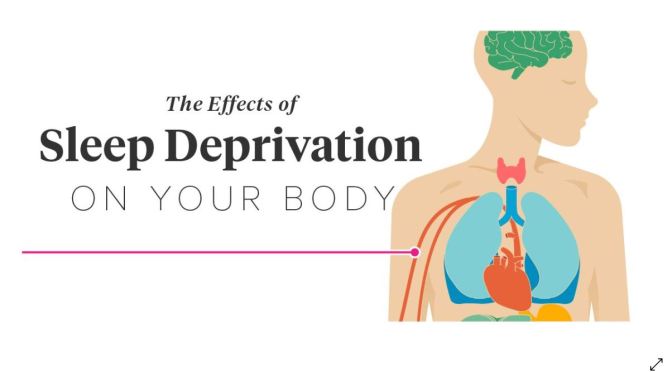
“We took an unbiased approach and searched throughout the body for indicators of damage from sleep deprivation. We were surprised to find it was the gut that plays a key role in causing death,” said senior study author Dragana Rogulja, assistant professor of neurobiology in the Blavatnik Institute at HMS.
The first signs of insufficient sleep are universally familiar. There’s tiredness and fatigue, difficulty concentrating, perhaps irritability or even tired giggles. Far fewer people have experienced the effects of prolonged sleep deprivation, including disorientation, paranoia, and hallucinations.
Total, prolonged sleep deprivation, however, can be fatal. While it has been reported in humans only anecdotally, a widely cited study in rats conducted by Chicago-based researchers in 1989 showed that a total lack of sleep inevitably leads to death. Yet, despite decades of study, a central question has remained unsolved: Why do animals die when they don’t sleep?
Now, Harvard Medical School (HMS) neuroscientists have identified an unexpected, causal link between sleep deprivation and premature death.
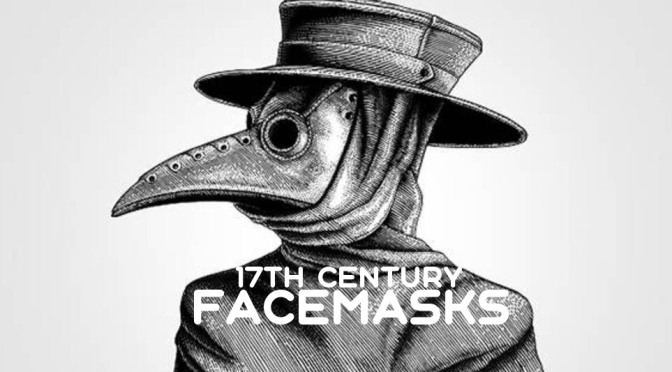
Originating during the Black Death of the Middle Ages, face coverings to protect against the transmission of disease are not just medical requirements; they’re now a fashion statement. Mark Phillips talks with medical historian Mark Honigsbaum (“The Pandemic Century”) about the purpose and style of facemasks.
COMMENTARY
Medicine has always operated in the context of theory, which is easier to generate than fact. The medieval physician with the “bird mask” thought he was protecting himself from “miasma”, which was theorized to be the means by which PLAGUE was spread. In fact, the masks’ main function was to hide his identity from his Patient, whom he could not help. The painting makes him appear to be the Grim Reaper himself.
The story of Guaiac, another illustration medieval medicine, is entwined with Syphillis, the stigmatizing STD of post Columbian Europe. Each country blamed Syphillis on its’ rival- the English called it the French disease, for instance-until they were able to blame it on the “new world”. Since it came from the Americas, so must its’ HERBAL REMEDY, according to theory.
GUAIAIC, the resin from the small tree from the Caribbean, became a popular cure. It might have even lessened suffering from Siphillis, since it was used instead of the highly toxic MERCURY.
Guaiac eventually found a use in Criminology, as a test for blood at the crime scene. When Guaiac is mixed with a suspicious spot and peroxide, it changes color rapidly to a bright blue. Medicine later used Guaiac as a test for hidden (occult) Blood In the stool; a positive, brilliant blue test throws suspicion on intestinal cancer as the culprit.
We come full circle to present day mask usage in the Covid epidemic. Some countries outlaw masks because masks interfere with criminal investigation. This interdict had to be relaxed during The Pandemic. How convenient for the rioters and looters in Minnesota!
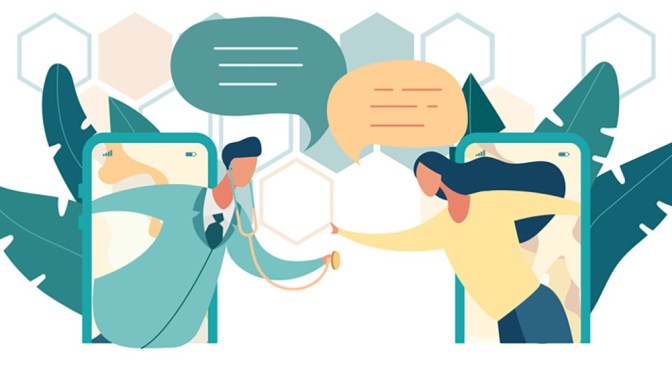
Penn Neurology shares tips to help you complete a successful telemedicine visit. Learn what items you should have readily available for your Neurology appointment, as well as how to position your device, choose your lighting and more.
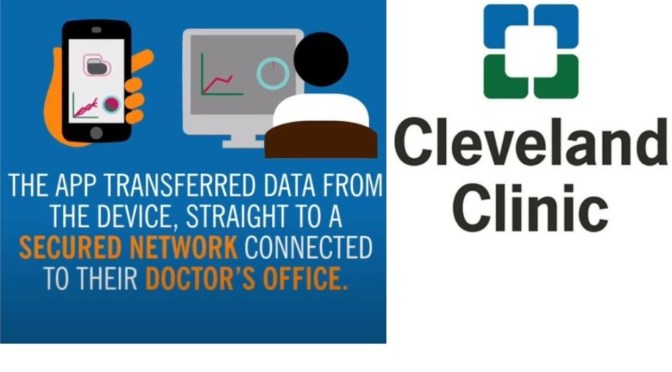
In a first of its kind study, Cleveland Clinic researchers found Bluetooth-enabled pacemakers successfully transferred information to doctors 95% of the time through an app on the patient’s smartphone or tablet. In comparison, traditional bedside consoles were successful 77% of the time.
TELEMEDICINE is here to stay! With all its’ advantages Patients will demand It!
This video is one of the few to highlight WOMENS’ HEALTH as an appropriate field for Telehealth. A remote visit first may at least let the Doctor order some tests that will accelerate your care.
Urinary problems can also be appropriate for telemedicine; the MEDICAL HISTORY is such a VALUABLE DIAGNOSTIC TOOL!
Psychological and Psychiatric care could be completely remote, by telemedicine. The Doctor could save on expenses, and deliver care less expensively.
Distance disappears as a barrier to Consultations and second opinions. A University medical center or prestigious multi specialty Clinic are on your doorstep.
Of course, barriers remain in the form of regulations, litigation, bureaucracy, and Insurance, but these can be overcome, if the Will is there.
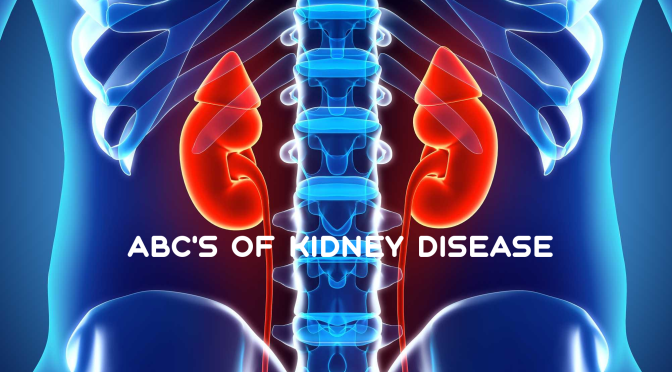
ABC’s of Kidney Disease. An educational video to help better the lives of people living with kidney disease and those interested in learning about kidney disease.
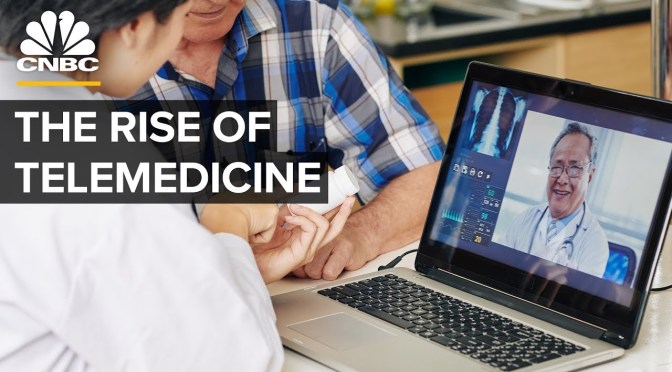
The coronavirus pandemic has overwhelmed hospitals, physicians and the medical community. That’s pushed telemedicine into the hands of providers and patients as the first response for primary care. Telemedicine isn’t new to the medical community, however it hasn’t been embraced due to insurance coverage, mindset and stigma. Here’s how it works and what it means for the future of health care.
COMMENTARY
The safety and convenience of Telemedicine have been amply illustrated by Covid 19. It’s place in the future of Medicine would seem to be assured.
Once the epidemic is over, however, some sticky details, waved away by fiat during the early days, must be addressed.
Will Payment parity be allowed by the Health insurance companies (And Medicare) be continued? Will cross-border Practice still be allowed by the states. Will more Doctors modernize? Will lawyers (and litigious patients) restrain themselves? Stay Tuned!
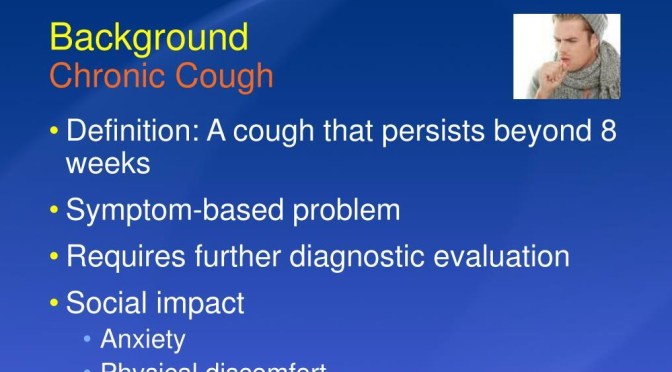
On the Mayo Clinic Radio program, Dr. Kaiser Lim, a Mayo Clinic pulmonary and critical care physician, explains chronic cough and how it can be treated.
If you have had a cough for more than 8 weeks, the good news is that you don’t have Covid 19. The bad news is that you need a Medical evaluation, tests and imaging to find out what is going on.
COUGH is not a disease, but is a manifestation, a SYMPTOM of a disease.
Your Primary Care Doctor will do a Medical History, an examination and a chest X-Ray which may allow her to DIAGNOSE what disease or problem Is causing the cough, and allow her to treat it.
If you continue to cough, you will be referred to a specialist, such as an Allergist or a Pulmonologist. ENT (sinusitis) and Gastroenterology (GERD) are 2 other medical fields often involved.
Usually blessed relief comes when Chronic Cough is properly diagnosed and treated, but a few Patients continue to suffer, challenging the best of medical care. 2 of my friends continue to cough after Medical School Level evaluations.
Nature continues to hide some of her secrets from Medical Science.
From a Permanente.org online article (May 11, 2020):
“Our patients are glad we offer telehealth options because they don’t want to come to the medical centers. This allows them to stay home andstay safe,” Dr. Lee says. “Before, telehealth was a choice and convenience, but now it’s one of the ways patients remain healthy with social distancing.”
The majority of telehealth visits are phone appointments, but Dr. Lee says video usage is increasing as more patients become comfortable with the platform.
Telehealth can also include services such as remote patient monitoring, which allows patients to take blood pressure measurements and blood sugar readings at home so that their care teams can monitor ongoing health conditions. In the case of the Kaiser Permanente Mid-Atlantic States region, doctors also use telehealth to do rounds virtually for patients who have suspected or confirmed COVID-19.
Patients at higher risk for complications are given pulse oximeters so their doctor can monitor for signs of severe respiratory infection before other symptoms might indicate a need for additional care, including hospitalization.
COMMENTARY
TELEHEALTH is HERE TO STAY. It came in with the telephone, and has been gaining in recent decades. The distancing and Patient convenience so characteristic of Telehealth made it a natural fit for Covid 19, which has accelerated its’ adoption.
Your CLINICAL HISTORY, led by the Story of your Present Illness, has since time immemorial been the MOST IMPORTANT ELEMENT leading to accurate DIAGNOSIS. During a TELEMEDICINE VISIT, your doctor must make the MOST out of your clinical history. She can’t do a proper Physical Exam, although she can usually see you, and maybe direct a SELF exam. Teledata, such as EKG,B.P., and blood sugar will become increasingly available.
Your Doctor can usually get enough information to order Lab work and Imaging; and prolix ordering can be tempered, since a good HISTORY of the PRESENT ILLNESS, systems review, past and family history can narrow the diagnostic possibilities considerably. The pressure of time and demanding computer Records may lead the overworked Doctor to use Lab Tests to make up for insufficient Medical History.
Integrated medical systems, such as Kaiser, can also easily access your past medical information, one of the advantages of having everything under one roof.
Informed Patients, SELF-EDUCATING themselves from the vast trove of medical information on the internet (and maybe DWWR) can author their own MEDICAL NARRATIVE, or at least make the Doctors job easier.
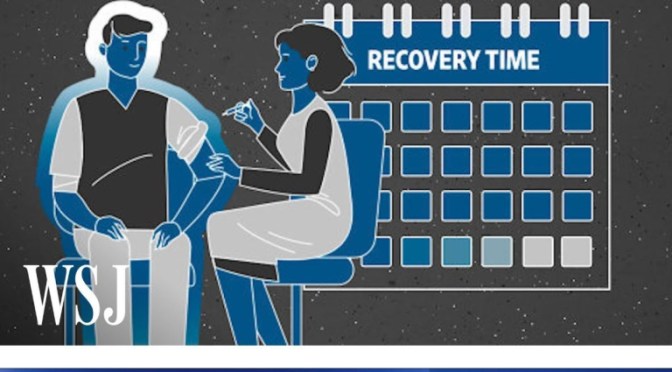
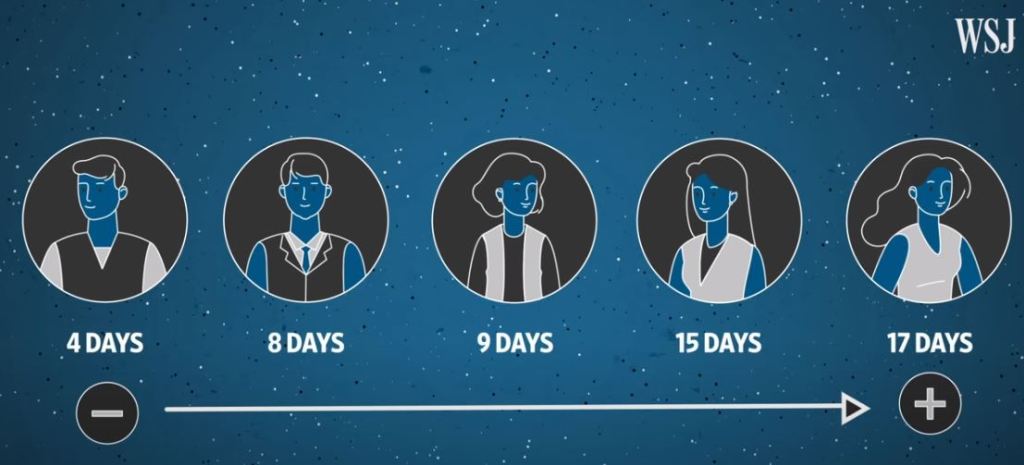
Understanding how the body clears the new coronavirus is becoming more important as the U.S. begins to reopen. WSJ’s Daniela Hernandez explains how the body fights infection and why feeling better doesn’t equal being virus-free. Photo illustration: Laura Kammermann
COMMENTARY
This excellent video is well worth watching and listening to. It revisits how the immune system, both innate and adaptive responds to SARS CoV and other viruses.
It shows graphically how long the body takes to clear the the Covid 19 virus.
And it makes me, a susceptible 88 year old, even more alert to infection. We should keep our guards up.
Even if an effective vaccine is found, it will probably take its place, incorporated into influenza vaccine as an annual immunization.
Dr. C.
Empowering Patients Through Education And Telemedicine



 Doctors Without Waiting Rooms