Tag Archives: Telehealth

PODCASTS: TELEMEDICINE TECHNOLOGY CAN LEAVE MANY PATIENTS BEHIND

Amid the Covid-19 pandemic, more doctors are turning to telemedicine. That’s a problem for tens of millions on the wrong side of the digital divide.

SPEAKING ON A landline, the patient complained of an itchy eye. On the call’s other end, physician Carla Harwell considered the possibilities, from seasonal allergies to vision-damaging herpes. Luckily, the elderly patient’s daughter was visiting during the phone consultation, so Harwell asked her to text a picture of her mom’s eye. The photo shocked Harwell. It was the worst case of bacterial conjunctivitis the doctor had ever seen.

Without the picture, Harwell would have told the octogenarian patient to call back in a few days or come to her office, risking an in-patient visit during the Covid-19 pandemic. She certainly wouldn’t have prescribed the antibacterial eye drops needed to treat the infection. “I probably would not have prescribed anything,” Harwell says. “That’s a scary thought.”

Read more

COMMENTARY

Telehealth is here, will remain after the pandemic, and is useful in many situations.

Being older, poorer, minority, Linguistically challenged, rural, less informed and less Tech-savvy reinforce each other in comprising Barriers to proper Medical care of ANY kind, especially Telemedicine. These handicaps will hopefully improve with time, and should be A societal priority.

Special internet-connected roving Aid-mobiles in afflicted areas is one feasible idea that would help. Responding to a lesser “911” number, the health-van could go to the calling persons location,  help the person to the van, take pictures and other data for a Telehealth Doctor to evaluate, and facilitate treatment.

A neighborhood Telehealth site is also workable, and was a precondition to Rural Telehealth access, pre-pandemic.
If you are reading this message, congratulations! You are increasing your information, technical facility and your access to better Healthcare.
—Dr. C.

TELEHEALTH: OLDER ADULTS INCREASINGLY FIND VIRTUAL VISITS SAME AS IN-PERSON

From the John A. Hartford Foundation:

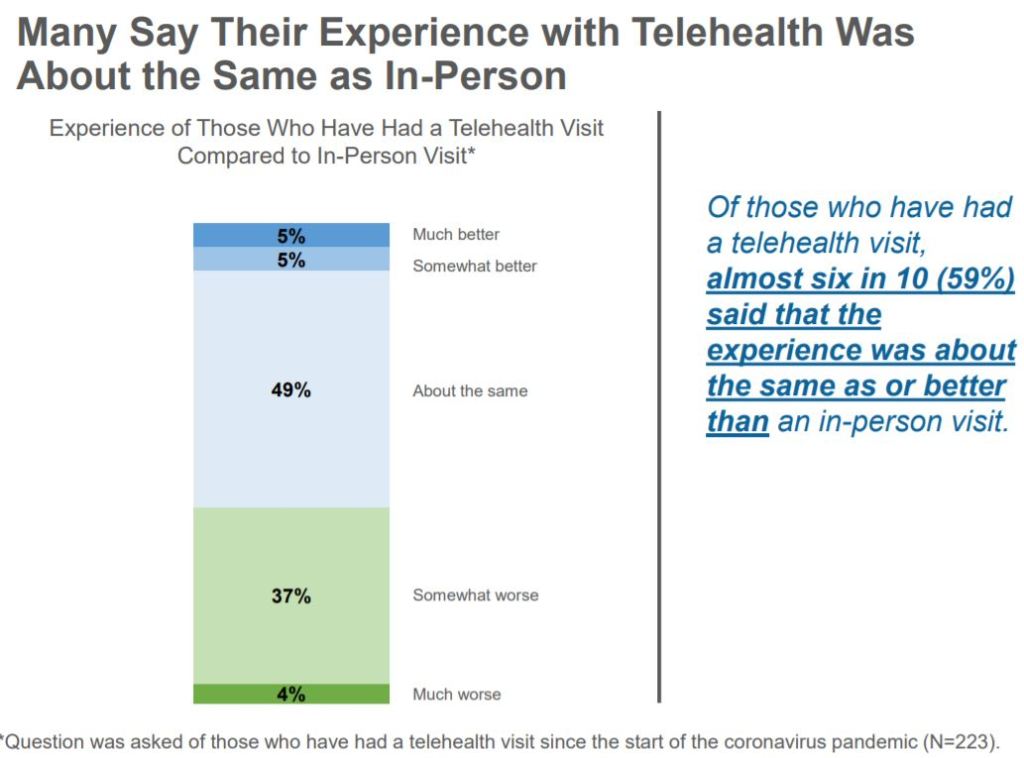
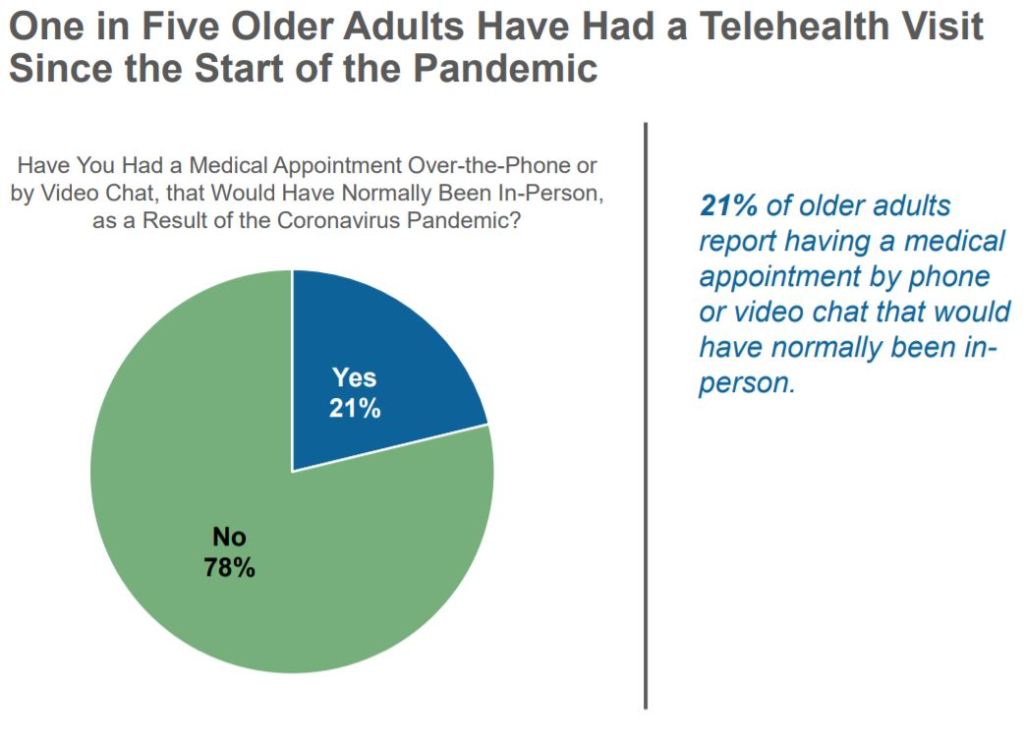
While the benefits of telehealth are myriad and more apparent than ever, our survey revealed that 41% of older adults did not see telehealth as living up to the in-person experience. Providers must optimize the technology so that it caters to the less tech-savvy patient and caregivers—especially, if it is their only means of accessing health care—so that it replicates the in-person visit as close as possible. 

survey we recently conducted shows that more than half of US adults age 70 and older (55%) experienced a disruption in their medical care during the first month of social distancing due to COVID-19. These older adults were most likely to delay primary or preventive care, and that’s alarming. Even more worrying, 15% of older adults put off essential medical treatment because of the pandemic. We don’t need medical degrees to know that delaying necessary care does not make the outcomes better.

As older adults continue to delay getting needed care, the problem will compound—increasing pent-up demand for services will ultimately vex health systems as patients’ conditions worsen. We think about the 4Ms of age-friendly care – what Matters, Medication, Mentation and Mobility – and how the pandemic may be delaying the assessments and interventions needed to prevent medication errors or to preserve cognitive and functional status.

Read full article

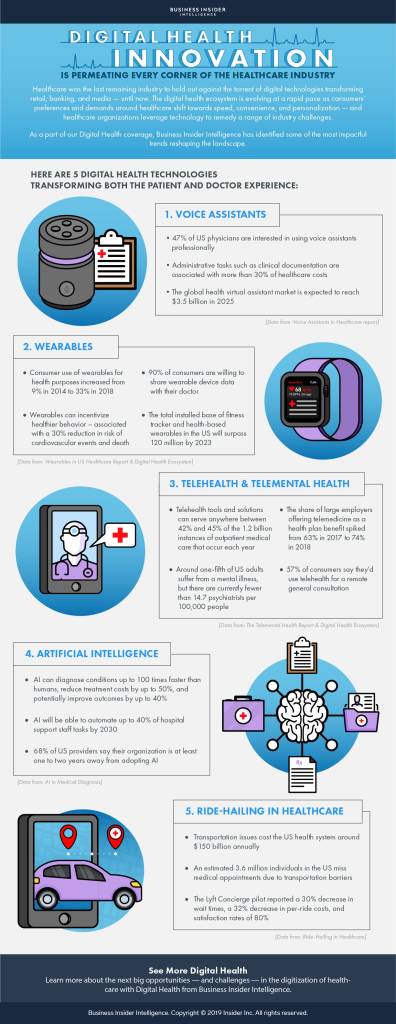
INFOGRAPHICS: “DIGITAL HEALTH TECHNOLOGIES IMPROVING PATIENT CARE”

COMMENTARY

The technology of telemedicine will predictably and steadily get better.
Medical assistants, mostly human at present, are commonplace, notably in specialty offices, and machines using improving voice-to-text transcription are getting better.

Wearable devices are proliferating and hopefully coming down in cost, and platform technology is improving though still glitchy.

Patients generally accept Telemedicine. They like the saving of travel time and infection exposure.

Doctors may drag their feet because the increased effort and legal exposure is not compensated by increase in payment. On the contrary, pre-Covid compensation was LESS for a televisit. Continuing Parity would help.

The politicians at the state level should eventually make licenses valid across state borders.

The big wild card is the Legal Profession. Unless they develop restraint( and litigious patients reform), there could be a feeding Frenzy, which would delay implementation of a very good idea.

Eventually telemedicine deserves to be 50% or more of medical practice.

—Dr. C.

TELEHEALTH: “Smartphones Used to Monitor Heart Patients with Pacemakers”

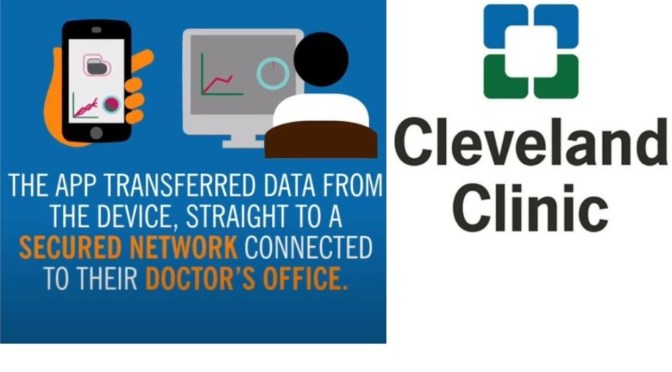
In a first of its kind study, Cleveland Clinic researchers found Bluetooth-enabled pacemakers successfully transferred information to doctors 95% of the time through an app on the patient’s smartphone or tablet. In comparison, traditional bedside consoles were successful 77% of the time.

Read more

VIDEO: “IS TELEMEDICINE THE FUTURE OF HEALTH CARE?”

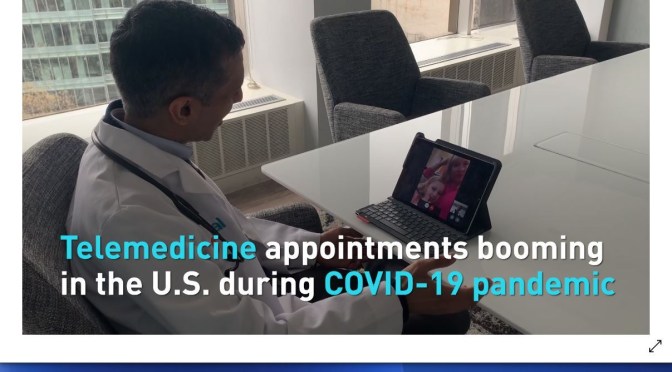
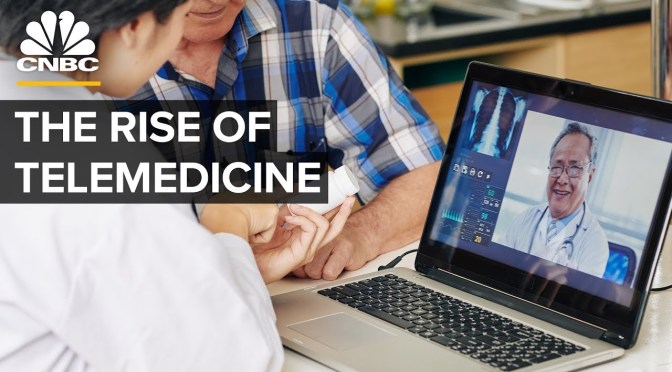
The coronavirus pandemic has overwhelmed hospitals, physicians and the medical community. That’s pushed telemedicine into the hands of providers and patients as the first response for primary care. Telemedicine isn’t new to the medical community, however it hasn’t been embraced due to insurance coverage, mindset and stigma. Here’s how it works and what it means for the future of health care.

COMMENTARY

The safety and convenience of Telemedicine have been amply illustrated by Covid 19. It’s place in the future of Medicine would seem to be assured.

Once the epidemic is over, however, some sticky details, waved away by fiat during the early days, must be addressed.

Will Payment parity be allowed by the Health insurance companies (And Medicare) be continued? Will cross-border Practice still be allowed by the states. Will more Doctors modernize? Will lawyers (and litigious patients) restrain themselves?
Stay Tuned!

—Dr. C.

OPINION: HEART AND BRAIN HEALTH ARE LINKED FOR LIFE

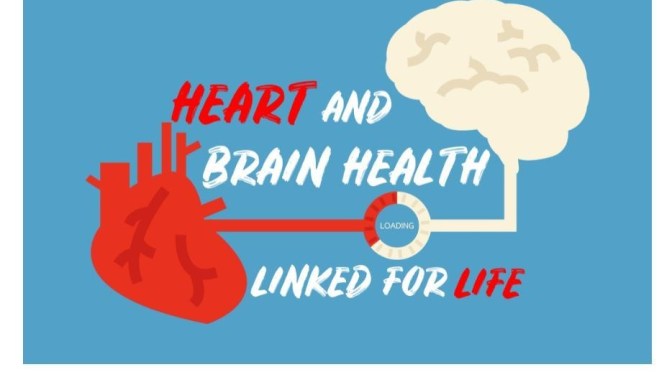
Your heart and your brain are your two most vital organs, and if you enjoy life, they should be a top priority. These amazing structures are tethered to life-giving support by your arteries, just as the new you was tethered by your ubilical cord.

Life is fragile, hanging by a thread, or an artery. over the span of your life, These arteries can become plugged by fatty deposits called plaques. A healthy life style-SLEEP, DIET and EXERCISE– could slow down or prevent this atherosclerosis.

But everybody should know about the symptoms of HEART ATTACK and STROKE (1) and how to respond if the arteries sustaining your heart or brain become blocked.

You should be familiar with the hospitals in your area. How close are they? What are their capabilities? Are they Class 1 for heart attacks and stroke? Do they have a CATH LAB?

SPEED is important. Within minutes of the BLOCKAGE of an ARTERY to your heart or brain, vital cells start to die. The goal is to remove the blockage as soon as possible. CALL 911 as soon as you have heart attack or stroke symptoms. Don’t be afraid of the ER because of Covid, since almost all now use TELEMEDICINE SCREENING to keep infected patients segregated.

Alas, for many people, such PREVENTATIVE MEDICINE requires too much SELF DISCIPLINE AND CONVICTION. America has an epidemic of OBESITY and an avalanche of tasty FAST FOODS provided by a CONSUMER SOCIETY that is ever-attentive to the latest fads and trends.

DR. C

TELEMEDICINE 2020: guidance to move forward in a POST-PANDEMIC world

From a John Locke Foundation article (May 13, 2020):

A combination of stay-at-home orders, recommendations from health professionals, and the rollback of restrictive telehealth regulations boosted the use of telehealth.

….with an eye toward the future, the authors offer recommendations for all interested parties to consider moving forward. These recommendations were informed by our research and a stakeholder meeting of industry groups who work with telehealth. These groups included Doctor on Demand, the American Medical Association, and the Center for Connected Health Policy. The paper’s recommendations are as follows:

  1. Data on COVID-19 telehealth administration and programs must be collected and analyzed.
  2. Regulatory flexibility should be built into telehealth to accommodate the range of use cases.
  3. Telehealth services should be utilized for primary care to reduce service redundancies.
  4. States should be empowered to move away from parity models to reduce the cost of telehealth services.
  5. Telehealth services should be available to the medically underserved.
  6. Innovation, privacy, and data security in telehealth services should be the norm.

Read more

COMMENTARY

Telemedicine  is an “almost perfect” extension of Medical Care for the Covid epidemic (1). As we ease away from Panic, we will not be abandoning distancing, cleanliness, and other personal measures that keep us well. SARS-CoV-2, or the next Pandemic Virus will be lurking in the background. 

Likewise, Medicine will always embrace Telemedicine for its’ convenience, safety, and efficiency, if we can overcome the roadblocks discussed in the above article.

One efficiency in particular, discussed in the previous RPA( from Australia) article stood out; the use of Nurse-triage to direct telephone (or someday audio-visual) Patients to the most appropriate destination; ER, Urgent Care, after-hours clinic, or home care.

The Schmidtt-Thompson protocol ( which guides triage) has been used since 1980, having stood the test of time and lawyers. It is available in electronic form, and when fully automated, it should be made available without cost.

Just imagine all of the unnecessary ER visits And Physician Visits potentially saved!

Telemedicine has indeed added convenience and safety in the Era ( it seems like forever) of Covid.

There are many Telemedicine ideas that will still be used when Covid hopefully  takes its’ place in the Influenza immunization vial.

—Dr. C.

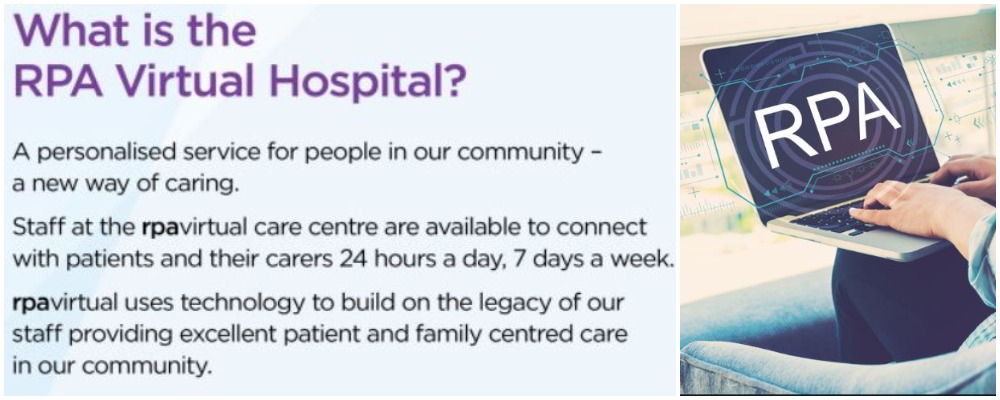
TELEHEALTH IN AUSTRALIA: “RPA VIRTUAL HOSPITAL” IS A 24/7 PATIENT CARE SYSTEM

From The Guardian (May 12, 2020):

“Now, everybody is on board,” says Dr Teresa Anderson, chief executive of the Sydney Local Health District. “There is not one clinical department across the district that is not providing care virtually.”

hat

What a difference a pandemic makes. Although RPA Virtual Hospital was well into development when news broke from Wuhan in January, pandemic preparations meant it was scaled up far quicker than had been envisaged.

Anderson says RPA Virtual Hospital opened on 3 February with just six nurses. It now has more than 30 nurses, as well as medical and allied health teams, and 600 registered patients. Operating out of Royal Prince Alfred Hospital campus, it functions in many ways like a regular hospital, with a clinical handover, ward rounds, multidisciplinary team meetings and its own governance structures.

The virtual hospital is part of a wider suite of innovations developed at breakneck speed during the pandemic response, which include providing care in rented hotel and apartment accommodation to Covid-19 patients and others in quarantine, thus freeing up hospital beds.

Read more

COMMENTARY

The Covid epidemic spurred development of an addition to an already good medical care system.

A group of chronically ill patients were invited into the virtual care system. Nurses are used on initial encounter. They direct the enhanced home care, referrals or hospital care as needed. Electronic devices record the care given.

Hotels are used to quarantine suspected Covid patients, with telemonitoring.

As in America, the Covid epidemic has exposed the excesses of unneeded “elective” surgery, most notoriously surgery for back pain.
We can learn a lot by studying the health care of other countries.

—Dr. C.