
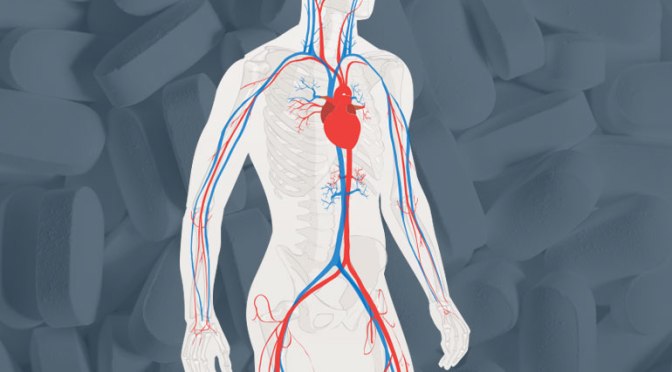
What are the health benefits of calcium, vitamin A and vitamin D + just how much you need to stay in balance? https://t.co/mJqNbarZxe
— Cleveland Clinic (@ClevelandClinic) January 19, 2022
Tag Archives: Men’s Health
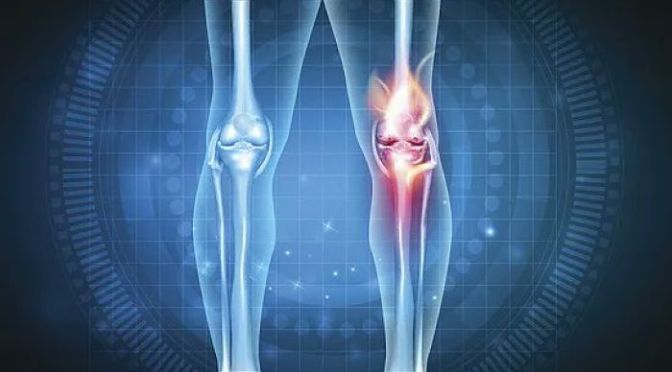
Knee Osteoarthritis: New Study Shows Telehealth Visit Benefits (Harvard)

Nervous System: Multiple Sclerosis Explained (Mayo)
Learning about multiple sclerosis can be intimidating. Let our experts walk you through the facts, the questions, and the answers to help you better understand this condition.
Video timeline: 0:24 What is multiple sclerosis? 1:15 Types of multiple sclerosis 1:29 Who gets multiple sclerosis/risk factors? 3:11 Multiple sclerosis symptoms 3:40 How is multiple sclerosis diagnosed? 4:39 Treatment options 5:29 Coping methods/ What now? 6:23 Ending
For more reading visit: https://mayocl.in/3t24QSG

Studies: Salt Substitutes Lower Stroke, Death Risks
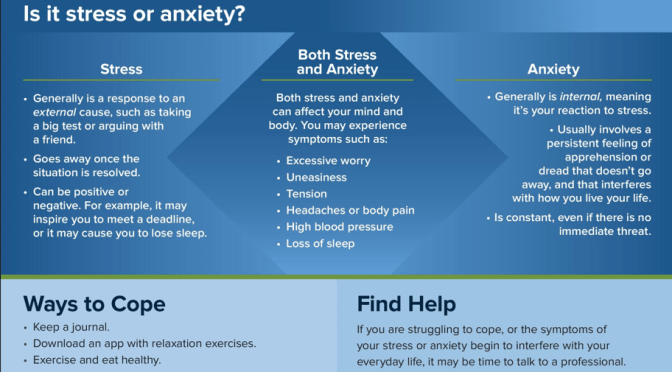
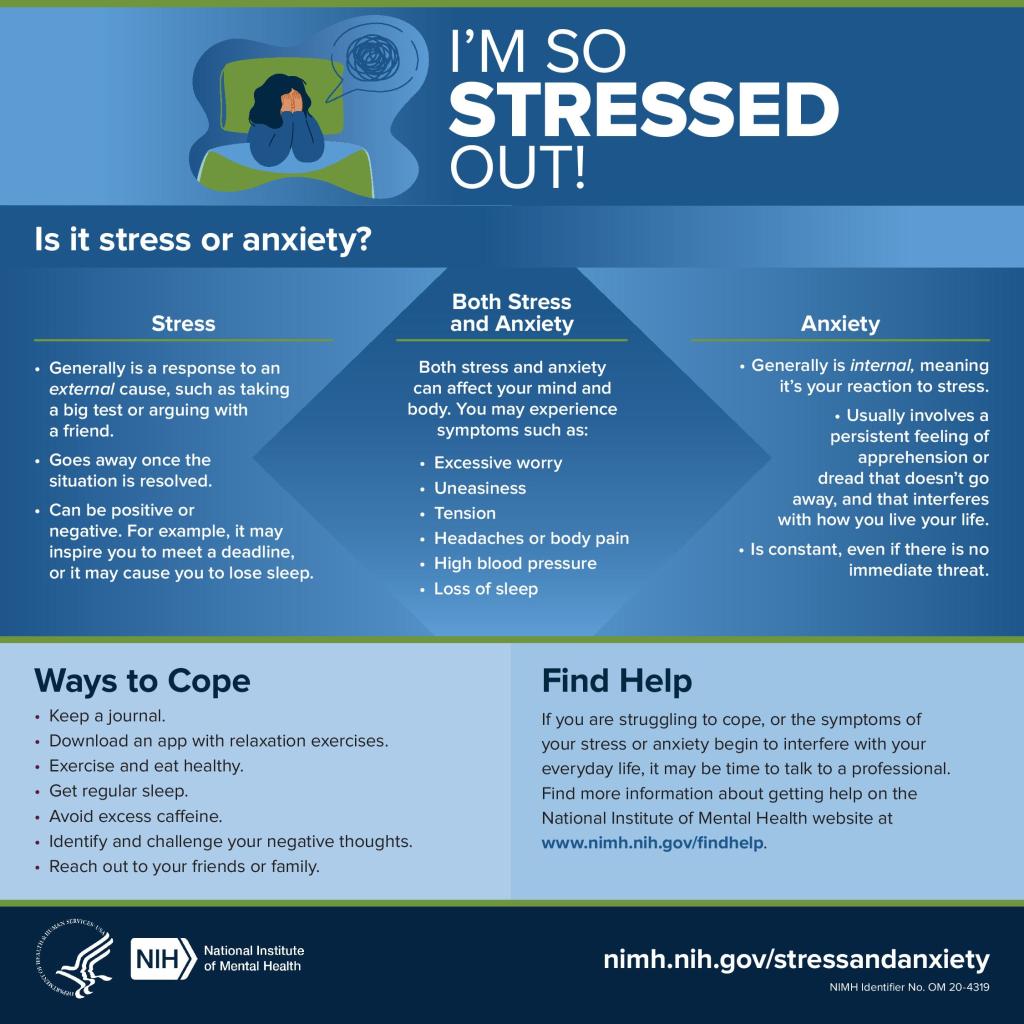
Mental Health: Stress Or Anxiety? – How To Tell

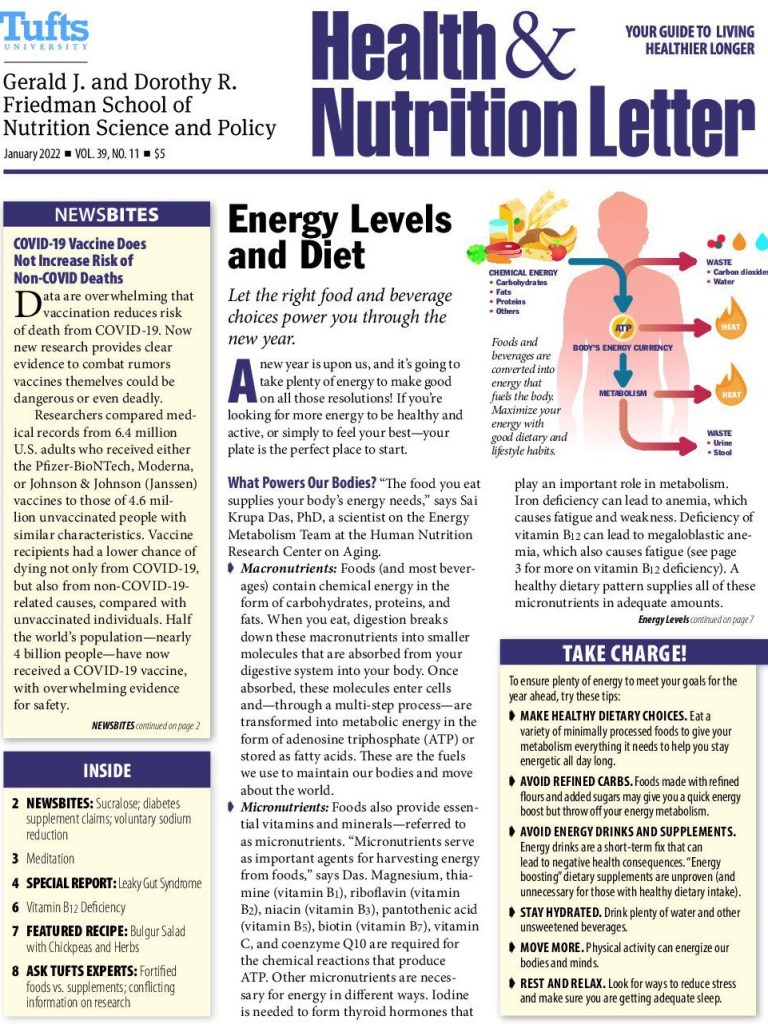
Tufts ‘Health & Nutrition Letter’ – January 2022

Oral Health: Brushing, Flossing & Mouthwash
#1. If your gums are bleeding, you’re brushing too hard.
True, sometimes. Bleeding gums are usually a sign of gum disease, but over-vigorous brushing can cause gums to bleed as well. Pregnancy, poorly fitting dentures, and some medications, such as anti-clotting drugs, also can contribute to bleeding gums. However, if you’re brushing correctly (see the next question for tips!), healthy gums generally will not bleed.
#2. It doesn’t matter how I brush, as long as I brush for two minutes.
False. One of the better ways is to move your toothbrush in a circle. This is called the Modified Bass Technique. This circular motion picks up the plaque on your teeth and sweeps it out. The other ways of brushing only move the plaque and push it against other surfaces. To use the Modified Bass Technique, hold your brush at a 45-degree angle to the gum line. Let the bristles reach just beneath the gum line.
Regardless of the technique you use, it’s also possible to brush too hard. This can damage your gums and wear away tooth enamel. Gentle pressure is all that’s needed to remove debris and plaque.
Two minutes of brushing is ideal, though. If it helps, set a timer. Use a fluoride toothpaste, and floss at least once a day. Brushing and flossing before bed is especially important in order to remove food particles from your mouth before you sleep.
#3. There’s no single “right way” to floss.
False. For effective flossing, wrap the floss around the middle finger of each hand, leaving a section in the middle that’s several inches long. Use your thumbs and index fingers to hold that section. Gently work the floss into the space between two teeth and press it against one of the teeth creating a C-shape, sliding it up and down a few times. Then press against the other tooth, repeat, and move to the next space. These motions scrub away the plaque. Make sure to move gently around the gums to avoid placing damaging pressure on them.
Floss holders, floss tape, and different types of floss offer something for every mouth.
#4. Electric toothbrushes are often more effective than manual ones.
True. Research has found that electric toothbrushes are better at removing plaque and reducing the risk of gingivitis. Proper use of a manual toothbrush should be as effective as an electric toothbrush, but most people don’t remove enough plaque with a manual toothbrush; they don’t brush long enough or use correct brushing techniques.
A research review by Cochrane, an independent review organization, found a “moderate benefit” for using an electric toothbrush over a manual one. And an 11-year study published in 2019 found that people who used electric toothbrushes had lower rates of tooth loss, as well as healthier gums and less plaque, compared with people using manual toothbrushes.
#5. Mouthwash can be used instead of brushing and flossing.
False. The American Dental Association (ADA) says: “Using a mouthwash does not take the place of optimal brushing and flossing.” This doesn’t mean that mouthwash is useless, however. It can fight bad breath, and the ADA notes that some mouthwashes help reduce the risk of gum disease and tooth decay, but only if used as part of a daily oral hygiene routine.
Over-the-counter mouthwashes may be targeted toward preventing decay (fluoride rinses), bad breath, mouth sores, or gum disease. Prescription mouthwashes can help treat gum disease, dry mouth, mouth sores, or dry socket. Most mouthwashes prescribed for gum disease contain chlorhexidine, which is also in some over-the-counter mouthwashes in lower concentrations. Talk with your dentist to decide which mouthwash is best for you.

CANCERS: DIAGNOSING CARCINOID TUMORS
Cancer is a huge problem, since it is actually a collection of a lot of different diseases in different places, resulting from mutation of the genes and invasiveness as the common characteristic. All cancers are different.
Carcinoid tumor is a good illustration. These are so called neutoendocrine tumors. They are slow growing, and are usually not detected until they are quite advanced. They can be located in different organs such as the gastrointestinal tract and the lung.
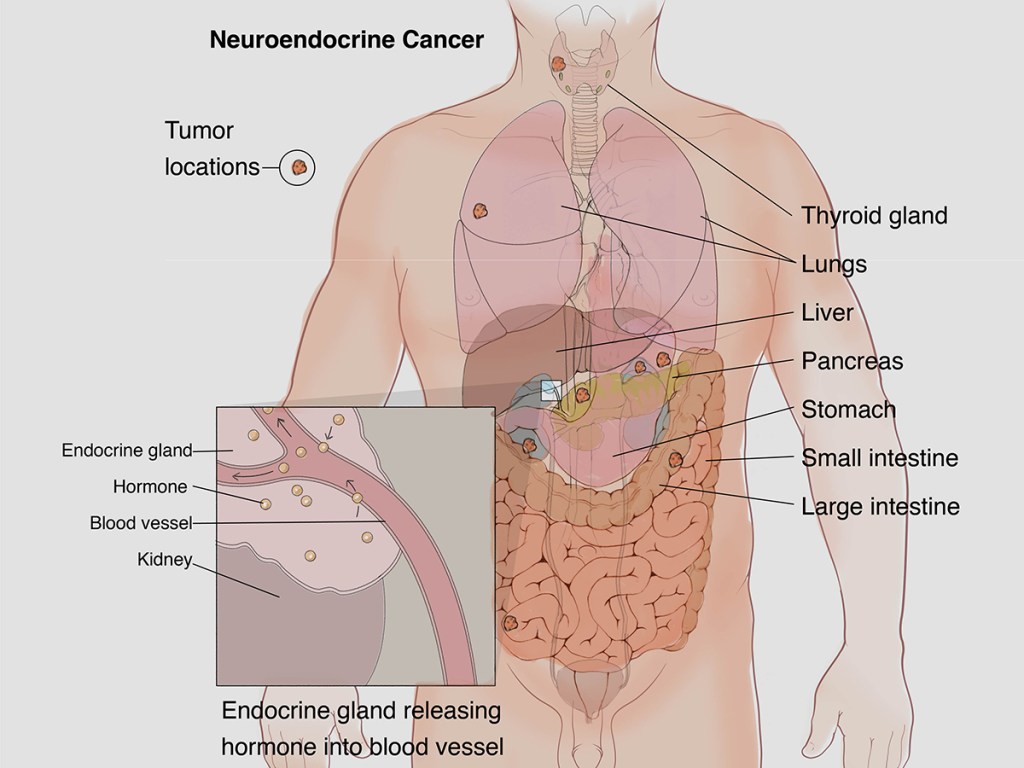
In their vicinity they produce symptoms characteristic of the area; trouble swallowing, nausea, vomiting, constipation and abdominal pain for gastrointestinal carcinoid, and cough, wheezing, shortness of breath and chest pain for those located in the lung.
Many advanced cancers can produce weight loss, muscle pain and fatigue In addition to symptoms characteristic of their location. The special characteristic of carcinoid tumors is that they may secrete substances that produce diverse symptoms such as flushing of the skin, sudden diarrhea and vomiting and, strangest of all, heart valve leakages.
Diagnosis of carcinoid tumors is often made by checking for serotonin or chromogranin-A in the blood, and 5-Hydroxy indolacetic acid ( 5-HIAA) in the urine, and locating the tumor with Imaging such as CT and MRI.
It is usually treated best for surgery, but cell surface somatostatin can be targeted for hormone therapy, and targeted radiotherapy with PRRT. It is very much to the advantage of the patient if she has a tumor with specific hormone or other marker that can be targeted for treatment, such as a breast cancer with estrogen receptors that can be targeted by tamoxifen.
Please check the accompanying mayo clinic article for more information.
—Dr. C.
Medicine: Kidney Disease Explained (Mayo Clinic)
Chronic kidney disease, also called chronic kidney failure, involves a gradual loss of kidney function. Your kidneys filter wastes and excess fluids from your blood, which are then removed in your urine. Advanced chronic kidney disease can cause dangerous levels of fluid, electrolytes and wastes to build up in your body.
Video timeline: 0:31 What is kidney disease? 1:09 Who gets kidney disease/risk factors? 2:24 Kidney disease symptoms 3:03 How is kidney disease diagnosed? 3:53 Treatment options 5:23 Coping methods/ What now? 6:16 Ending
Heart Health: Tricuspid Regurgitation Treatment
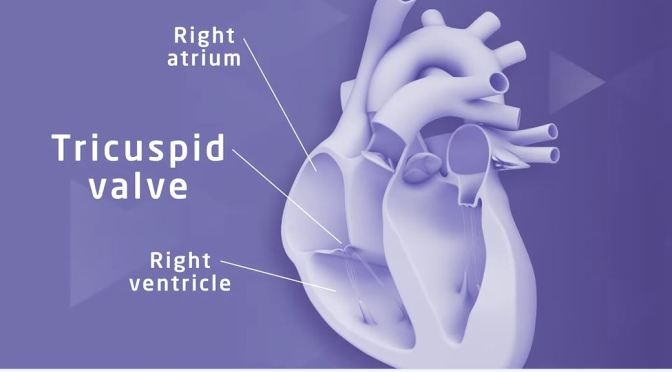
The tricuspid valve helps regulate blood flow in the heart. But when it isn’t working properly, a condition known as tricuspid regurgitation can occur. In this video, cardiac surgeon S. Christopher Malaisrie, MD and interventional cardiologist Charles J. Davidson, MD explain how tricuspid regurgitation is being treated in innovative new ways at Northwestern Medicine. For more information, visit http://heart.nm.org
 Doctors Without Waiting Rooms