Tag Archives: Mayo Clinic

Prostate Cancer: Its Signs And Advanced Symptoms

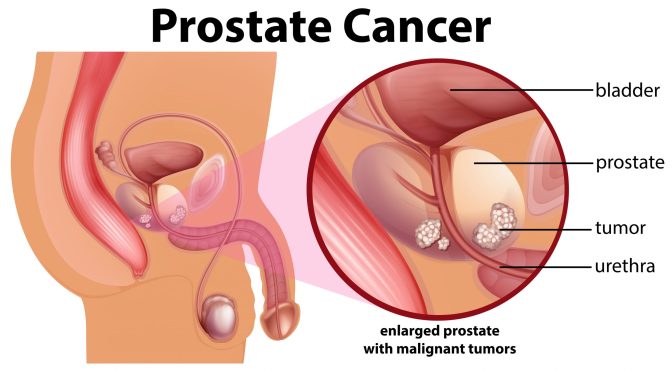
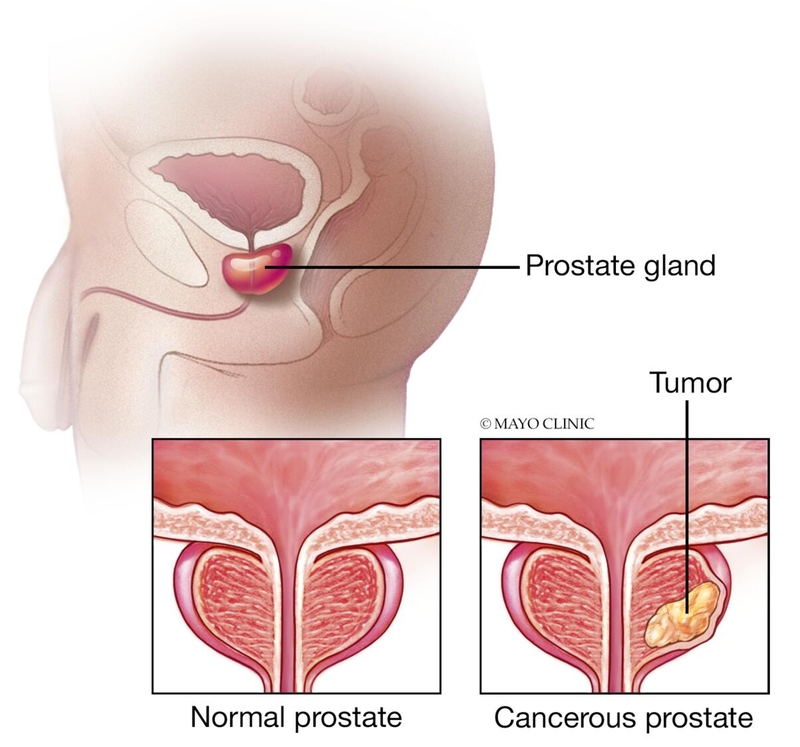
Prostate cancer is one of the most common types of cancer. Many prostate cancers grow slowly and are confined to the prostate gland, where they may not cause serious harm. 
Image

However, while some types of prostate cancer grow slowly and may need minimal or even no treatment, other types are aggressive and can spread quickly.

Prostate cancer that’s detected early — when it’s still confined to the prostate gland — has the best chance for successful treatment.

Prostate cancer may cause no signs or symptoms in its early stages. When it’s more advanced may cause signs and symptoms such as:

  • Trouble urinating
  • Decreased force in the stream of urine
  • Blood in the urine
  • Blood in the semen
  • Bone pain
  • Losing weight without trying
  • Erectile dysfunction

Read more

COMMENTARY:

PSA screening will pick up prostate cancer very efficiently. However, it will also pick up slow growing cancer that might never be require treatment, and responding to the positive test could cause problems ranging from pain and convenience to erectile dysfunction and incontinence.

It takes 1000 men screened to produce one life-saving treatment for prostate cancer.

Risk reward analysis means that the younger you are, the more reasonable is a test, since you have many more years of potential life. The older you are, conversely, the less you have to gain. The problem is that most cancers are slow growing, and might never cause a problem, especially if you have only a few years left to live.

Most experts recommend a test when a man reaches the age of 45, but reserve annual testing for those who are at high risk, such as having a brother or father with aggressive prostate cancer.

When a man reaches the age of 70, most experts would decline to test.

Sometimes, emotional considerations present themselves; worry is very much a disease. For instance, the best man at my wedding stopped getting his PSA test about three years before he was diagnosed with fatal metastatic prostate cancer. I am inclined to continue getting my annual prostate test, and would worry if I didn’t.

A recent study in the journal Cancer reported that more than half of a group of men 75 years and older had PSA tests and biopsies.

As an interesting aside, the PSA test is the only test I have ever had rejected by Medicare, presumably because of this expert opinion factoring in the cost benefit analysis of using the test.

—Dr. C.
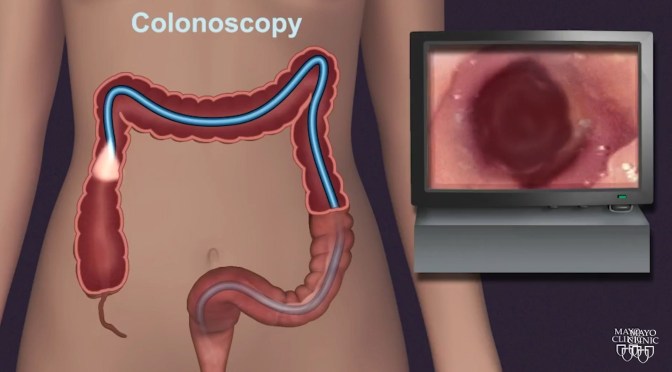
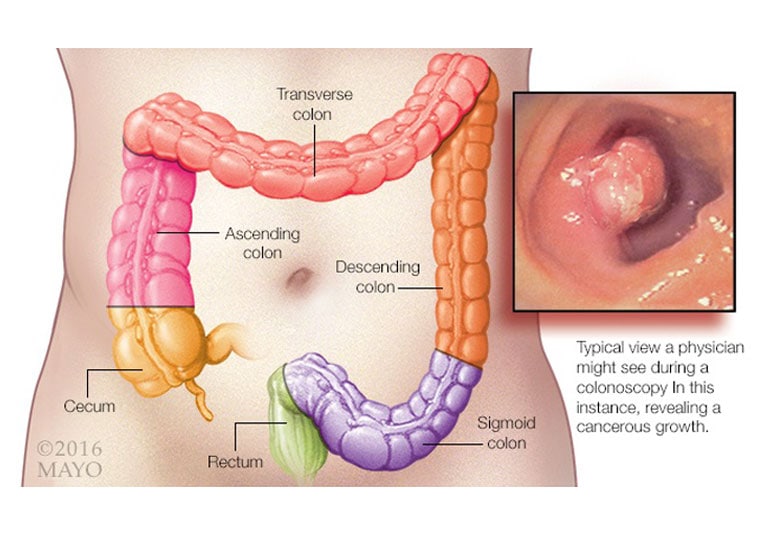
Colorectal Cancer: ‘Miss Rate’ Lowered 50% Using AI

“Colorectal cancer is almost entirely preventable with proper screening,” says senior author Michael B. Wallace, M.D., division chair of Gastroenterology and Hepatology at Sheikh Shakhbout Medical City in Abu Dhabi, United Arab Emirates, and the Fred C. Andersen Professor at Mayo Clinic in Jacksonville, Florida. “The substantial decrease in miss rate using AI reassures health care providers on the decreased risk of perceptual errors.”

The most relevant cause of post-colonoscopy colorectal cancer (CRC) is the miss rate of colorectal neoplasia — the rate at which neoplastic lesions are not detected in a screening or surveillance colonoscopy. Some studies suggest that 52% to 57% of post-colonoscopy CRC cases are due to missed lesions at patients’ colonoscopies. It’s estimated that 25% of neoplastic lesions are missed following screening colonoscopy.

Mayo Clinic Gastroenterology and Hepatology, in collaboration with colleagues from around the world, found that using artificial intelligence (AI) in colorectal cancer screening produced a 50% reduction in the miss rate for colorectal neoplasia. Results of the study were published in the July 2022 edition of Gastroenterology.

Read more

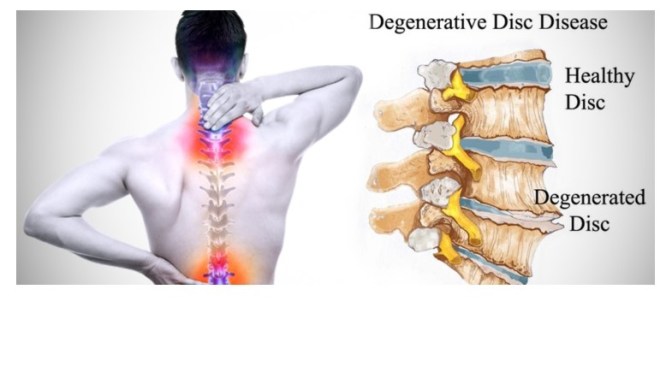
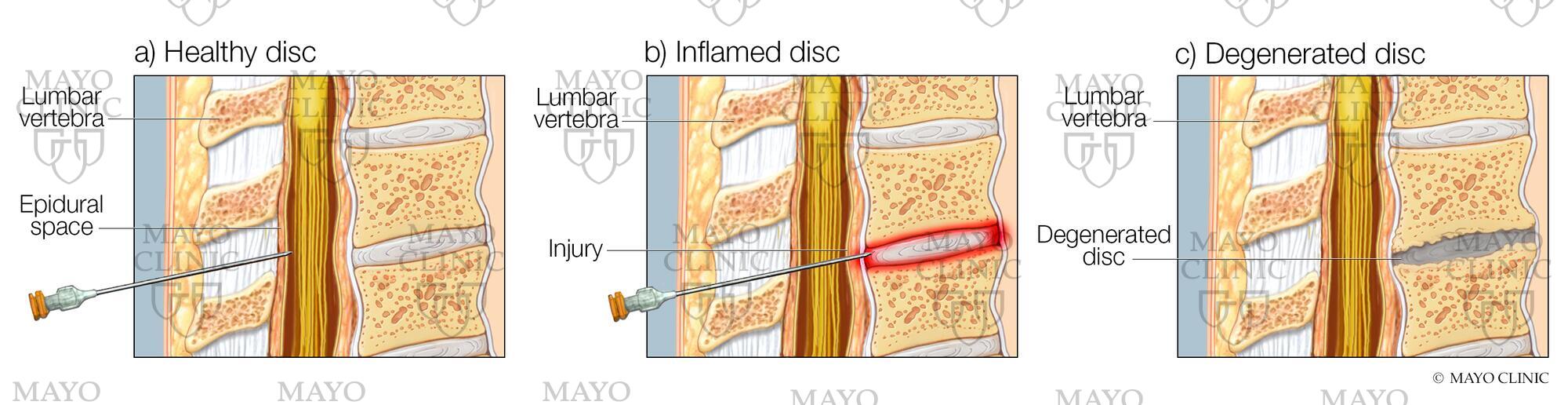
Aging: Degenerative Disk Disease Surgical Options

#DegenerativeDiskDisease is a common disorder linked to aging and years of wear and tear on the spine. Long-term therapies have so far eluded medical science.

Image

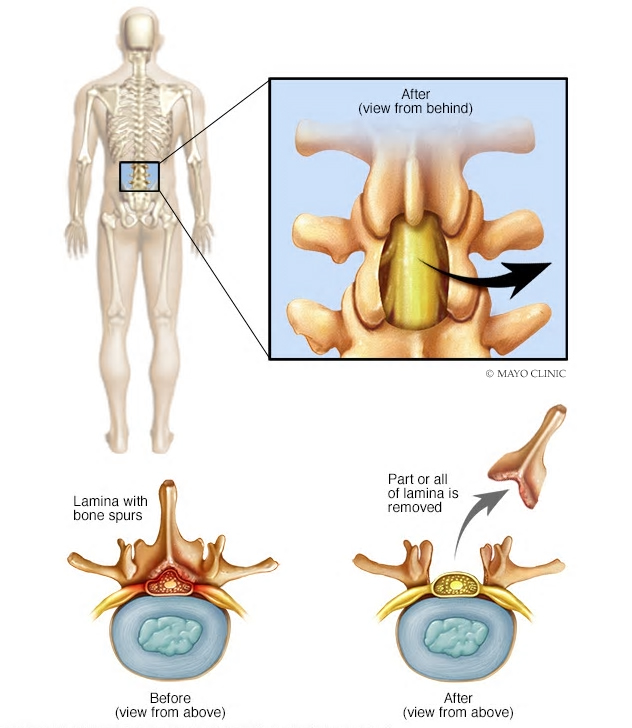
LAMINECTOMY

Lumbar laminectomy

Laminectomy is surgery that creates space by removing the lamina — the back part of a vertebra that covers your spinal canal. Also known as decompression surgery, laminectomy enlarges your spinal canal to relieve pressure on the spinal cord or nerves.

This pressure most commonly is caused by bony overgrowths within the spinal canal, which can occur if you have arthritis in your spine. These overgrowths sometimes are referred to as bone spurs, but they’re a normal side effect of the aging process in some people.

Some patients are able to have a same-day laminectomy, which means they do not need to stay in the hospital following surgery and are able to go home to recover. The procedure is performed using minimally invasive techniques resulting in smaller incisions, lower risk of infection and, for many people, a quicker recovery.

SPINAL FUSION

Spinal Fusion, Lower Back

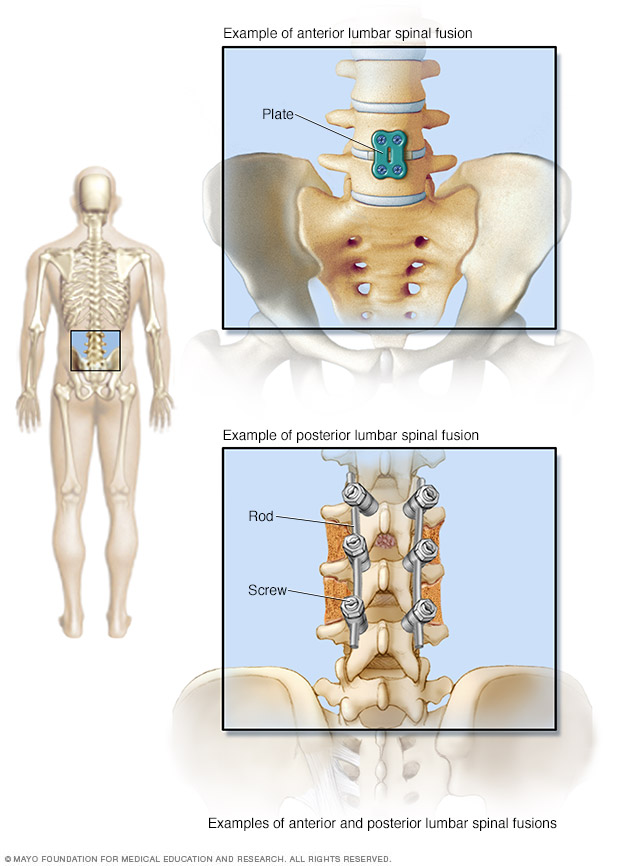
Spinal fusion is surgery to permanently connect two or more vertebrae in your spine, eliminating motion between them. Spinal fusion involves techniques designed to mimic the normal healing process of broken bones. During spinal fusion, your surgeon places bone or a bone-like material within the space between two spinal vertebrae. Metal plates, screws and rods may be used to hold the vertebrae together, so they can heal into one solid unit.

Because spinal fusion surgery immobilizes parts of your spine, it changes the way your spine can move. This places additional stress and strain on the vertebrae above and below the fused portion, and may increase the rate at which those areas of your spine degenerate.

Read more at Mayo Clinic

Insulin Resistance: Risk Factors And Treatment

Learning about insulin resistance, or prediabetes, can be intimidating. Eleanna De Filippis, M.D., Ph.D., an endocrinologist at Mayo Clinic, walks you through the facts, the questions, and the answers to help you better understand this condition.

Video timeline: 0:00 Introduction 0:41 What is insulin resistance? 1:32 Who gets insulin resistance? / Risk factors 2:38 Symptoms of insulin resistance 4:04 How is insulin resistance diagnosed? 4:34 Treatment options 5:21 Coping methods/ What now? 5:41 Ending

COMMENTARY:

The (developed) world just has too much food. Food producers race with each other to make It tastier, to advertise it widely, and make it available on demand. As a consequence of their success, at least 1/2 of the developed world is overweight and has decreased insulin sensitivity, prediabetes or diabetes. This leads to severe health consequences in the form of hypertension, arteriosclerosis, heart disease, brain disease, liver disease, and a variety of back and joint problems.

Mankind did not evolve in an environment of chronic nutritional oversupply, but rather it’s reverse. Mankind did not develop in a sedentary environment, but rather it’s reverse.

Insulin resistance is caused by overfilled energy stores (excess fat), increased inflammation from distended, dying fat cells, excess fatty acids and stresses to some of the important micro structures in our cells, such as mitochondria and endoplasmic reticulum, not to mention metabolic pathways such as the mTOR and Sirtuin systems.

Eating is a pleasure, and turning down food takes self-discipline, which is a pain, and is becoming increasingly unpopular. “Maybe a pill will come along to get rid of fat and prevent its accumulation”. but don’t count on it. The main hope for avoiding the danger of overnutrition is being discriminating about what and how much you eat.

Exercise is inconvenient and uncomfortable, but is the second necessity for a healthy life. Two of its many benefits is to increase adiponectin, which increases burning of the fatty acids which are so toxic to the body, and to increase insulin sensitivity, counteracting type two diabetes.

The third necessity is getting enough sleep.

Replay the old record. Diet, exercise and sleep, sleep  diet and exercise.

Please excuse me, it’s time for my evening exercise.

—Dr. C.

For more reading visit: https://mayocl.in/3waShVV.

Rotator Cuff: Operative & Non-Operative Treatment

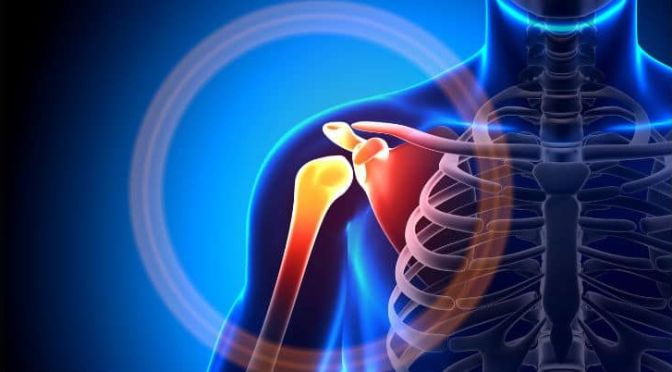
The rotator cuff is a group of muscles that attach via tendons to the head of the upper arm bone (the humerus). The function of the cuff is to center the head of the humerus in the socket and move the arm. These tendons are in a constant state of rebuilding and breaking down.

When the rate of breaking down exceeds the ability of the tendon to rebuild, micro tears occur causing pain and inflammation. This inflammation is known as tendonitis. In the extreme case, this inflammation can result in the failure of the tendon known as a rotator cuff tear. Repetitive overhead activity or heavy lifting can irritate or weaken the tendon.

Sometimes this can also lead to a gradual tear in the rotator cuff tendon making it difficult to raise or rotate your arm. Acute tears can also happen with a sudden force that overwhelms the tendon such as a shoulder dislocation. This results in an immediate inability to raise or rotate the arm.

Arthritic Conditions: The Signs & Symptoms Of Gout

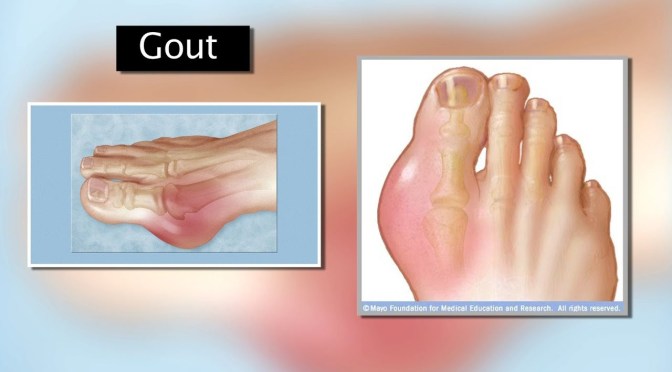
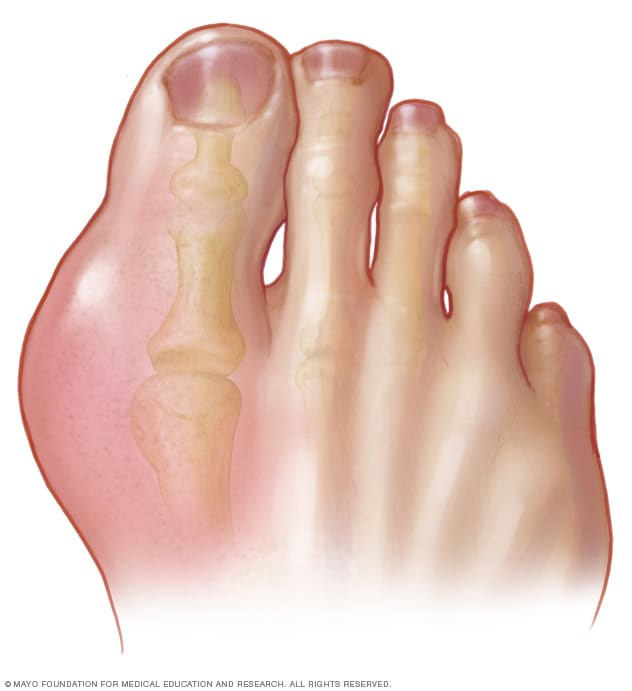
#Gout is a common & complex form of arthritis that can affect anyone. It’s characterized by sudden, severe attacks of pain, swelling, redness and tenderness in joints, most often in the big toe.

An attack of gout can occur suddenly, often waking you up in the middle of the night with the sensation that your big toe is on fire. The affected joint is hot, swollen and so tender that even the weight of the bedsheet on it may seem intolerable.

Gout symptoms may come and go, but there are ways to manage symptoms and prevent flares.

Symptoms

Gout in the big toe

The signs and symptoms of gout almost always occur suddenly, and often at night. They include:

  • Intense joint pain. Gout usually affects the big toe, but it can occur in any joint. Other commonly affected joints include the ankles, knees, elbows, wrists and fingers. The pain is likely to be most severe within the first four to 12 hours after it begins.
  • Lingering discomfort. After the most severe pain subsides, some joint discomfort may last from a few days to a few weeks. Later attacks are likely to last longer and affect more joints.
  • Inflammation and redness. The affected joint or joints become swollen, tender, warm and red.
  • Limited range of motion. As gout progresses, you may not be able to move your joints normally.

Read about the ways to manage symptoms & prevent flares. https://mayocl.in/3P29WFA

Skin Cancers: ABCDE’s Of Melanoma (Mayo Clinic)

Moles are a common skin growth, and most are harmless. But changes in moles and other pigmented patches may be the sign of skin cancer, particularly melanoma.

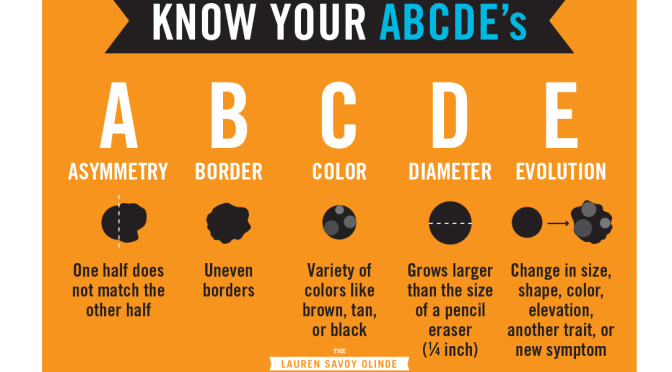
When it comes to early detection, just remember the ABCDEs.

“A” is for asymmetry.

“You want moles to be perfectly symmetrical, such that you could put a mirror right down the middle of it and the image would look the same,” says Dr. Catherine Degesys, a Mayo Clinic dermatologist.

“B” stands for border.

“You want a nice crisp edge to these pigmented lesions and no scalloped edges or indistinct edges,” says Dr. Degesys.

“C” is for color.

“In general, you want moles to be a homogenous color and not have multiple different pigmented areas,” Dr. Degesys adds.

“D” represents the mole’s diameter. Pigmented lesions being greater than 6 millimeters potentially need further evaluation.

“E” is probably the most important, and that corresponds with evolution, says Dr. Degesys.

“Any pigmented lesion or any moles that are changing are something that really needs to be evaluated by a dermatologist.”

COMMENTARY:

Melanoma is a devastating disease, and must be picked up early to give you any chance.

The memnomic A-B-C-D-E is a reminder of the things you must watch in a dark freckle, or nevus, in order to suspect melanoma. Symmetry, border, color, diameter, and evolution reminds you of things that will alert you.

A-B-C is also a good mnemonic when it comes to evaluating an unconscious person, in order to address the order in which to proceed. Here, it is Airway, Breathing and Circulation. If the airway is blocked, it doesn’t matter whether or not the person is breathing, or the heart is beating, because if you’re not able to move air in and out of the lungs, the breathing attempts and heartbeat will do no good. Secondly, if you’re not breathing, the heart pumping will do no good. Another memnomic is A-B-CPR.

The third memnomic has to do with psychology. Here, it is Affect, Behavior and Cognition. Most activities of the brain can be put into one of these three different areas.

I’m sure there must be more memnomics in a world such as ours, and if you know of any, I would appreciate knowing about them.

—Dr. C.

Potassium-Rich Diets Prevent Kidney Stones

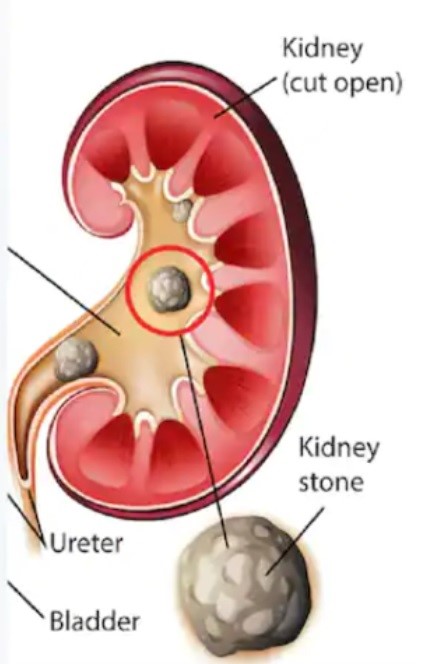
Anyone who has ever had a kidney stone never wants a repeat of the blinding pain that comes when it passes. Now, a new study maps out a diet that can help guard against that.

The cornerstones of that diet include eating plenty of foods that contain potassium, as well as a few servings of low-fat dairy daily, to get enough calcium. High-potassium fruits and veggies that could help include bananas, oranges, grapefruits, apricots, mushrooms, peas, cucumbers, zucchini, and melons such as cantaloupe and honeydew.

To arrive at those recommendations, researchers from the Mayo Clinic used data from questionnaires completed by kidney stone patients between 2009 and 2018. The team compared the diets of 411 people who had already had their first kidney stone and a control group of 384 individuals.

“We had this information and then we, number one, could look at things that … differed between controls and kidney stone formers, but then we’ve also been following these people forward in time,” said study author Dr. John Lieske, director of the O’Brien Urology Research Center at the Mayo Clinic in Rochester, Minn.

During a median of just over four years of follow-up, 73 patients in the study had recurrent kidney stones.

Lower levels of calcium and potassium predicted that recurrence. After adjustments for non-dietary factors, lower calcium continued to be a predictor. So did lower potassium, but only among those who weren’t already taking certain types of diuretics and calcium supplements.

Read more at Health Day

Medicine: The ABCs Of Hepatitis (Mayo Clinic)

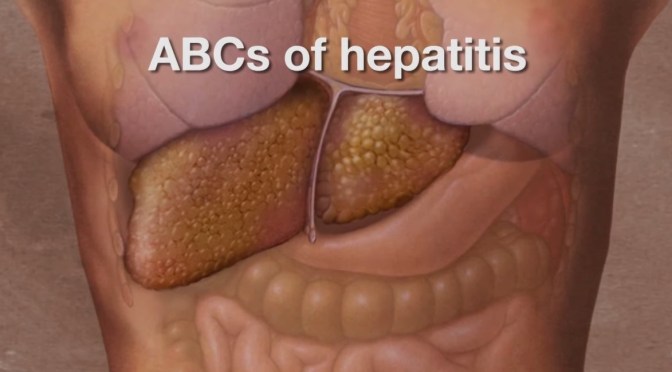
Approximately 5.3 million people in the US have hepatitis. Listen as Dr. Stacey Rizza breaks down the ABCs of hepatitis. Vaccines protect against hepatitis A, and are especially important for children and travelers. Hepatitis C is transmitted from person to person through bodily fluids. The virus can cause liver damage and death.

COMMENTS:

For the past three months, hundreds of cases of severe hepatitis cases among children have been noticed, especially in England and America, but present in more than 50 countries. These cases of Hepatitis were not caused by any of the usual suspects.

This puzzling increase in pediatric hepatitis apparently is due to Adenovirus 41, plus infection with adeno-associated virus 2. The double requirement is probably why it took a while to crack the causation mechanism. Genetic factors and the Covid lockdown may also have contributed.

—Dr. C.

Mayo Clinic: Bladder Cancer Explained

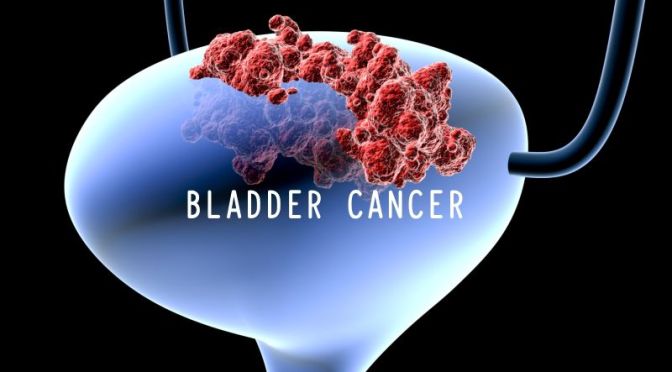
Learning about bladder cancer can be intimidating. Mark Tyson, M.D., a urologist at Mayo Clinic, walks you through the facts, the questions, and the answers to help you better understand this condition.

Video timeline: 0:00 Introduction 0:37 What is bladder cancer? 0:53 Who gets bladder cancer? / Risk factors 1:32 Symptoms of bladder cancer 1:59 How is bladder cancer diagnosed? 2:39 Treatment options 3:25 Coping methods/ What now? 4:04 Ending

For more reading visit: https://mayocl.in/3vcSF5u.