Mayo Clinic (May 17, 2023) – Learning about a brain tumor can be intimidating. Alyx Porter, M.D., a neuro-oncologist at Mayo Clinic, walks you through the facts, the questions, and the answers to help you better understand this condition.
Video timeline:0:00 Introduction 0:37 What is a brain tumor? 1:38 Who gets a brain tumor? / Risk factors 2:26 Symptoms of a brain tumor 3:36 How is a brain tumor diagnosed? 4:13 Treatment options 6:24 Coping methods/ What now? 7:14 Ending
Mayo Clinic (May 11, 2023) – In the U.S., HPV is linked to about 70% of throat and mouth cancers. And more than 70% of those cancers are diagnosed in men, according to the Centers for Disease Control and Prevention.
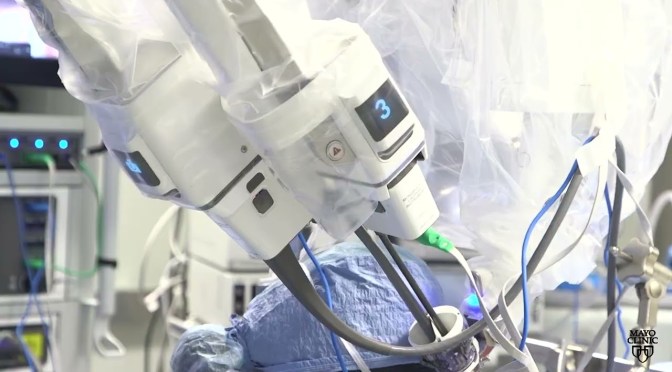
Treatment for throat and mouth cancers, also referred to as oropharyngeal or head and neck cancers, will depend on location and stage of the cancer as well as other factors. Dr. Phillip Pirgousis, a Mayo Clinic head and neck surgeon, says patients have safer, less invasive surgical treatments available to them thanks to ongoing innovation.
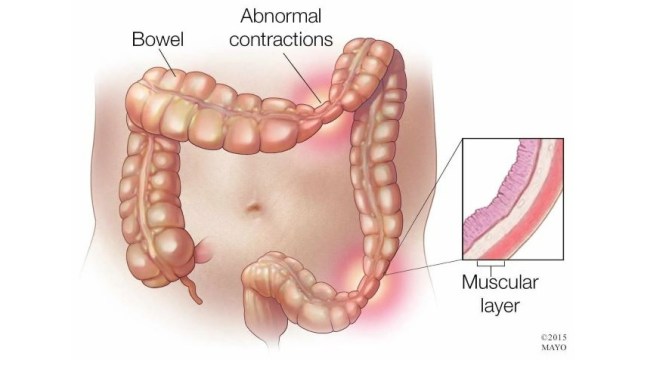
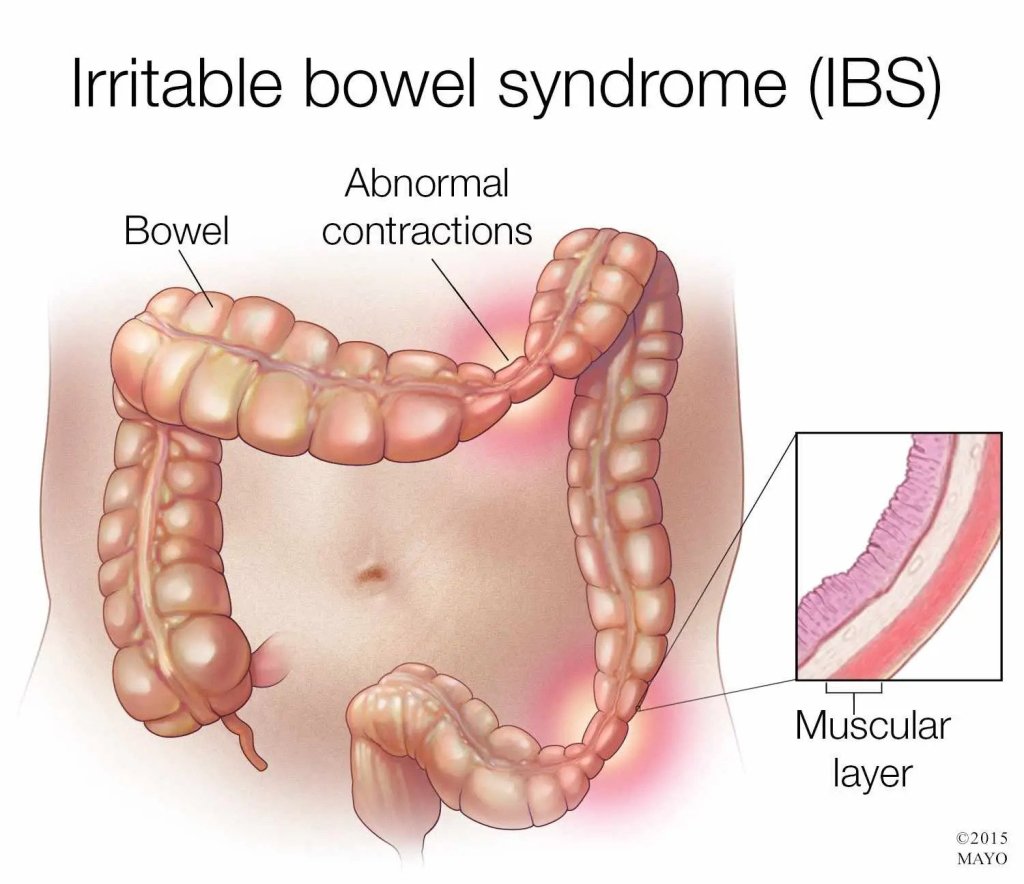
Mayo Clinic (April 27, 2023) – Dr. Brian Lacy says irritable bowel syndrome, or IBS, is a chronic condition that affects the intestinal tract. It can cause painful stomach cramps, diarrhea and constipation.
IBS is now categorized as a disorder of gut-brain interaction, which means that there’s a problem with how the gut and brain communicate with each other. He says stress plays a key role. There’s no cure for IBS, but symptoms can be managed. Try eating smaller, more frequent meals, and exercising regularly. Deep breathing and yoga are also helpful to reduce stress.
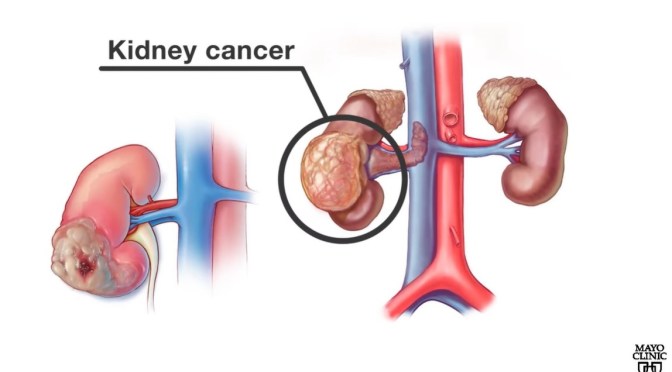
Mayo Clinic (March 20, 2023) – How is kidney cancer treated? About 50,000 people in the U.S. are diagnosed with kidney cancer.
Risks factors for developing this type of cancer include environmental exposures like smoking, high blood pressure, a history of kidney failure, obesity, or not having a healthy weight. And there are also hereditary syndromes that may your risk for kidney cancer.
Dr. Thai Ho, a Mayo Clinic oncologist who specializes in genitourinary malignancies, says there are no screening tests specifically for kidney cancer. When it is discovered early, it’s usually from an imaging test for another issue.
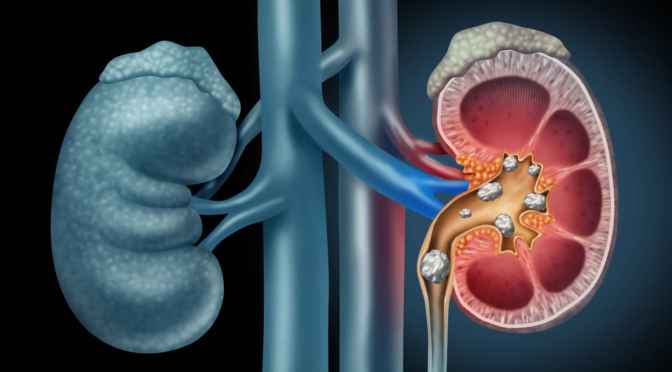
Mayo Clinic (March 6, 2023) – About 15% of adults in the U.S. are estimated to have chronic kidney disease — that’s about 37 million people.
What if those people could be treated with medication that could slow the progression of their disease, and help avoid the need for dialysis and kidney transplantation altogether?
Dr. Naim Issa, a Mayo Clinic transplant nephrologist says there is a class of medications to help people with chronic kidney disease that does just that. He says Mayo Clinic has been incorporating these medications to help patients for the last few years.
March 9 is World Kidney Day, a day aimed at raising awareness about the importance of the kidneys.
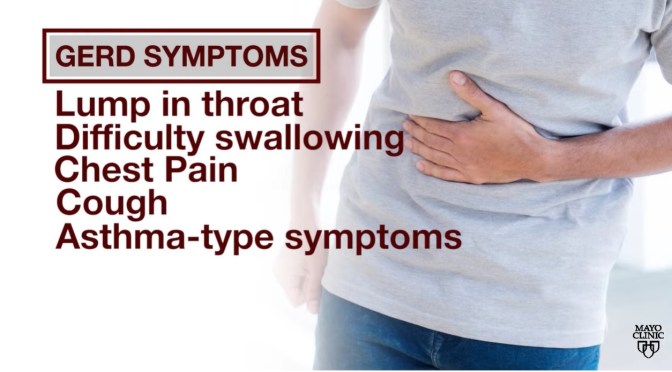
Gastroesophageal reflux disease (GERD) is one of the most common digestive disorders in the world. It happens when acid comes up from the stomach, which is acid-resistant, into the esophagus, which is less acid-resistant. Dr. James East, a gastroenterologist at Mayo Clinic Healthcare in London, says GERD may be common, but there can be potentially severe complications if it’s ongoing and left untreated.
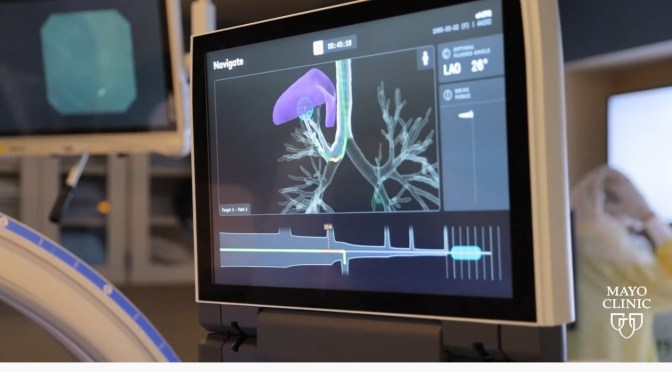
Robotic GPS system for early lung cancer detection.
Lung cancer typically is diagnosed at a later stagethan other malignancies, due to the lack of early warning indications. In 2020 it was China’s most common cancer and the leading cause of cancer-associated mortality. LungHealth MedTech, a medical robotics company in Shanghai, has developed a robotic-assisted bronchoscopy platform that can address some of the current diagnostic challenges and treatment limitations.
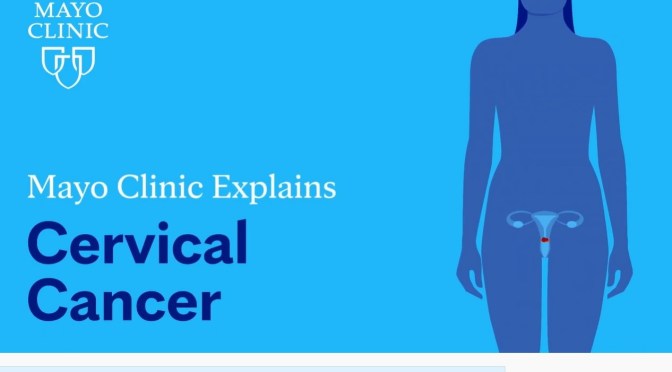
Learning about cervical cancer can be intimidating. Kristina Butler, M.D., a gynecologic oncologist at Mayo Clinic, walks you through the facts, the questions, and the answers to help you better understand this condition.
Video timeline: 0:00 Introduction 0:38 What is cervical cancer? 1:16 Who gets cervical cancer? / Risk factors 2:23 Symptoms of cervical cancer 3:03 How is cervical cancer diagnosed? 4:26 Treatment options 5:20 Coping methods/ What now? 6:10 Ending
Learning about hypertension can be intimidating. Leslie Thomas M.D., a nephrologist at Mayo Clinic, walks you through the facts, the questions, and the answers to help you better understand this condition.
Video timeline: 0:00 Introduction 0:39 What is hypertension? 1:13 Who gets hypertension? / Risk factors 2:18 Symptoms of hypertension 2:36 How is hypertension diagnosed? 3:14 Treatment options 3:51 Coping methods/ What now? 4:05 Ending
COMMENTARY:
Hypertension is an elevation of the blood pressure in the arteries. It is measured conventionally by blood pressure cuffs, although a catheter in the artery is more accurate. I’ve had my blood pressure taken countless numbers of times by nurses and doctors who sometimes put the cuff on my arm through a piece of clothing, making it less accurate. Sometimes it is taken by an automatic blood pressure cuff even in the doctors office. The automated cuff can be purchased for $20 or less for you to use it at home, but it’s accuracy is questionable when you have an irregular heartbeat with atrial fibrillation such as I do.
The blood pressure reading which is considered to be normal Is dropping. In the present video, following 2017 guidelines , they state that a systolic reading of more than 120 mmHg is elevated, and anything more than 130 is hypertension. It may be true that studies have been done to show that these slight elevations cause problems, but so can the drugs that are used to lower blood pressure; a cough can be caused by ACE inhibitors. Fatigue and fainting can be caused by an excessive dosage of any blood pressure medication.
Healthy diet, especially avoiding extra salt, Regular exercise and good sleep will go a long way towards keeping your blood pressure at 120 or below on the high reading (systolic), and 80 on the low reading (diastolic).
My systolic blood pressure varies between 120 and 140 systolic, and is usually around 60 diastolic. For a long time I thought the relatively low (diastolic) blood pressure was more important, since diastole is of greater duration than systole, but it has now been determined that the systolic blood pressure reading is the one to worry about. Calcification and lack of elasticities in the arteries as you get older can lead to higher systolic blood pressure.
It used to be thought that the normal systolic blood pressure was 100+ your age in years. Those days are gone, however, and greater life expectancy and health Is one result of carefully monitoring your blood pressure, and working hard to keep it down.
Please refer to the Mayo Clinic article to give you (much) more information.
Subarachnoid hemorrhages account for approximately 1.2 million cases of stroke each year, and nearly 40% of those cases are fatal. Dr. Rabih Tawk, a Mayo Clinic neurosurgeon explains the early signs of a subarachnoid hemorrhage and how it’s treated.
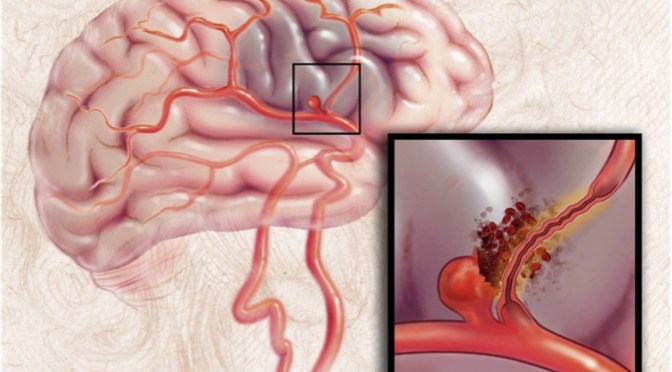
Bleeding in the space between the brain and the tissue covering the brain.
Subarachnoid hemorrhage, a medical emergency, is usually from a bulging blood vessel that bursts in the brain (aneurysm). It may lead to permanent brain damage or death if not treated promptly.
The main symptom is a sudden, severe headache.
Hospital care is needed for supportive care and to stop bleeding and limit brain damage. Treatment may include surgery or catheter-based therapy.
Empowering Patients Through Education And Telemedicine




 Doctors Without Waiting Rooms