Tag Archives: Healthcare

Research: The Digital Medicine Revolution

Scripps Research (April 11, 2023) – From smartwatches and fitness bands to glucose monitors and in-home ultrasounds, the proliferation of digital devices is igniting a revolution in healthcare and medical research.

Patients can now collect thousands of data points about themselves and share that information with their healthcare providers. At the Scripps Research Translational Institute, researchers are taking advantage of new technology to study disease in novel ways.

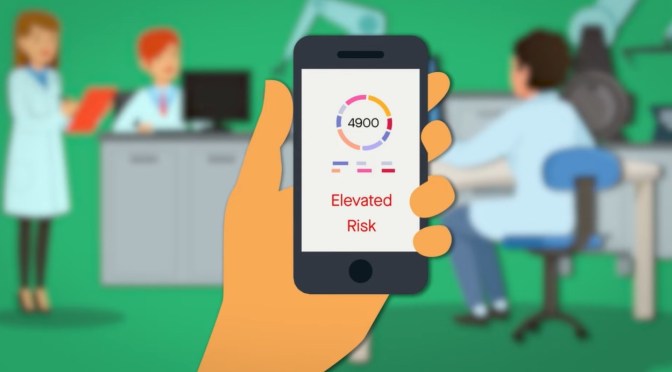
Their projects include a platform for early detection of disease outbreaks, a sleep quality study, and even a way to predict and individual’s risk of certain disease based on their genetics. In this video, hear directly from the team about this exciting new frontier.

READ MORE

ANALYSIS: HOW TO MAKE HEALTHCARE AFFORDABLE

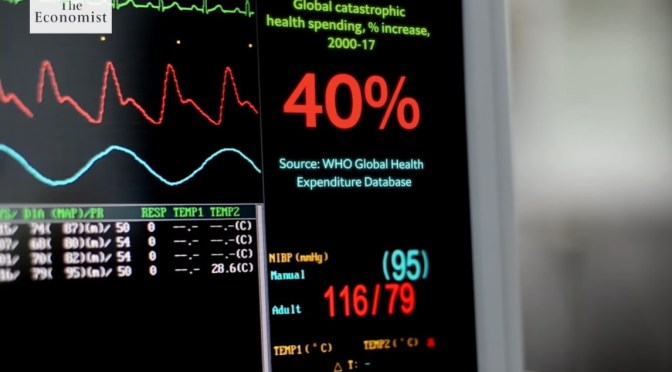
The cost of health care is unaffordable for many in the developing world. But while universal health care may sound like an impossible dream, it’s more achievable than you might think.

Video timeline00:00 – The argument for universal health coverage is clear 00:57 – Thailand’s path to universal health coverage 03:31 – Universal health care around the world 04:48 – How to finance universal health coverage? 05:30 – Rwanda: from genocide to public health exemplar 07:19 – What is a pooling finance system? 08:01 – Which services make the cut? 11:17 – The economic benefits of UHC 12:23 – Could covid-19 be a catalyst for reform?

Health: Why Dental Care Costs So Much In The U.S.

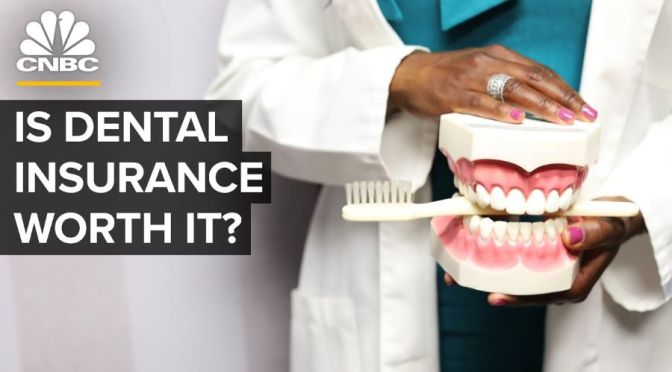
Americans have a tendency to avoid the dentist. More than 40% of Americans said they don’t see a dentist as often as they would like, according to a 2018 survey by the American Dental Association. Their number one reason for skipping visits is cost, even among those with dental insurance. Dental insurance policies can be confusing and difficult to use, making some Americans wonder whether dental insurance is worth investing in at all. Watch the video to find out to learn what it actually costs to go to the dentist, whether dental insurance is worth investing in and what patients and policymakers can do about it.

Video timeline: 0:00 – Introduction 1:42 – How dental insurance works 4:15 – Dental care costs 6:17 – Is dental insurance worth it? 9:49 – Solutions

Healthcare: Pros & Cons Of Medicare Advantage

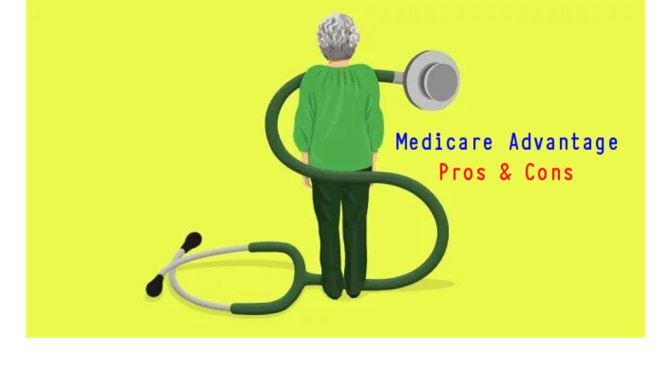
Medicare Advantage is an all-in-one managed care plan, typically an HMO or PPO. Advantage plans provide the benefits of Part A and B, and most also include Part D, or prescription drug coverage. Some offer extra benefits not available through Original Medicare, such as fitness classes or vision and dental care.

If you opt for Medicare Advantage, you typically continue to pay your Part B premium as usual, but you will pay little or no additional premiums for your coverage.  You generally have copays or coinsurance, but once you reach your out-of-pocket limit, the plan will pay 100 percent of your medical costs covered under Medicare for the rest of the year. The out-of-pocket limit does not apply to prescription drugs or extra benefits.

To keep premiums low, Advantage plans generally require you to get your care from a network of doctors, hospitals, and other providers, and you typically need pre-authorization for specialized care. 

Read more

VIEWS: IS U.S. HEALTHCARE SYSTEM BROKEN? (HARVARD)

Here’s a question that’s been on my mind and perhaps yours: Is the US healthcare system expensive, complicated, dysfunctional, or broken? The simple answer is yes to all.

Below are 10 of the most convincing arguments I’ve heard that our system needs a major overhaul. And that’s just the tip of the iceberg. Remember, an entire industry has evolved in the US just to help people navigate the maddeningly complex task of choosing a health insurance plan.

The cost is enormous

  • High cost, not highest quality. Despite spending far more on healthcare than other high-income nations, the US scores poorly on many key health measures, including life expectancy, preventable hospital admissions, suicide, and maternal mortality. And for all that expense, satisfaction with the current healthcare system is relatively low in the US.
  • Financial burden. High costs combined with high numbers of underinsured or uninsured means many people risk bankruptcy if they develop a serious illness. Prices vary widely, and it’s nearly impossible to compare the quality or cost of your healthcare options — or even to know how big a bill to expect. And even when you ask lots of questions ahead of time and stick with recommended doctors in your health insurance network, you may still wind up getting a surprise bill. My neighbor did after knee surgery: even though the hospital and his surgeon were in his insurance network, the anesthesiologist was not.

Access is uneven

  • Health insurance tied to employment. During World War II, healthcare was offered as a way to attract workers since employers had few other options. Few people had private insurance then, but now a layoff can jeopardize your access to healthcare.
  • Healthcare disparities. The current US healthcare system has a cruel tendency to delay or deny high-quality care to those who are most in need of it but can least afford its high cost. This contributes to avoidable healthcare disparities for people of color and other disadvantaged groups.
  • Health insurers may discourage care to hold down costs. Many health insurance companies restrict expensive medications, tests, and other services by declining coverage until forms are filled out to justify the service to the insurer. True, this can prevent unnecessary expense to the healthcare system — and to the insurance company. Yet it also discourages care deemed appropriate by your physician.

Read full article

Dr. C Commentary:

Please refer to the DWWR Posting on “concierge doctors” for my rant on the current healthcare system, which I will not repeat.

The truth is more nuanced. All countries are having trouble of one sort or another with their healthcare systems. This is due to the inherent expense of today’s top flight medicine. The very best care requires costly high technology and drugs that are intrinsically hard to produce. And you have to know where to look. I am very thankful for my medical degree, and that I have kept up with current advances.

You would probably need a Government entirely of physicians to develop the willpower to do something for health, which always starts with PREVENTATIVE MEDICINE, A hard sell, given that you must spend money and effort to block something which will probably, but may not always, occur.

There is low hanging fruit. Why are sugary drinks not heavily taxed, since they produce obesity which causes a lot of costly medical disorders, such as diabetes, inflammatory diseases, and cancer, but not everybody all the time?

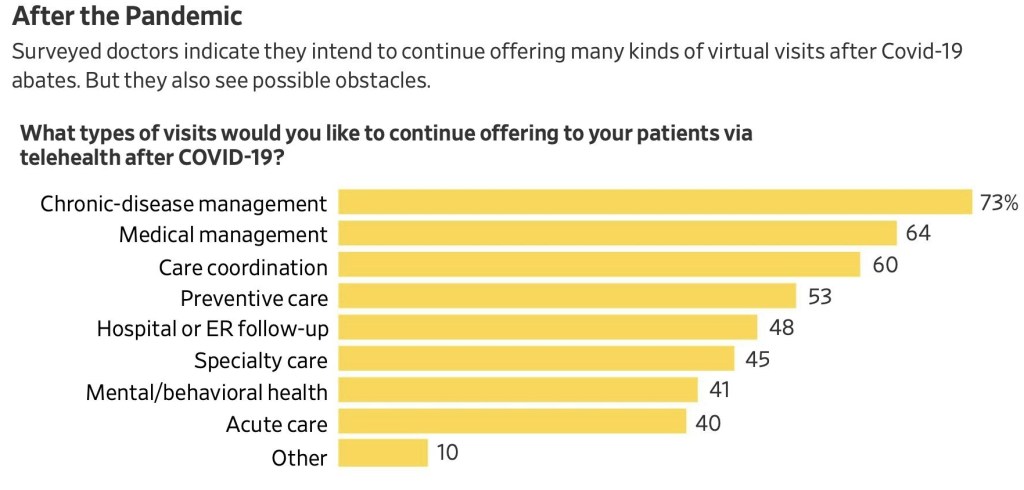
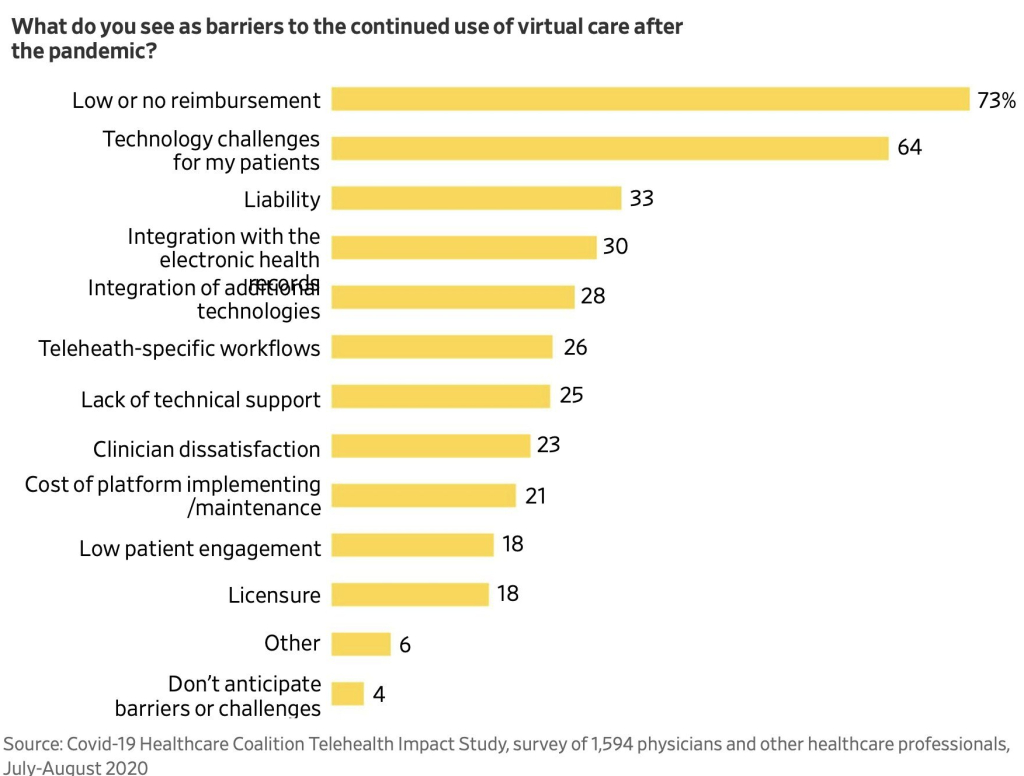
Why is efficiency of telehealth not more widely embraced, but stymied by moneymaking lobbiests and lawyer powered difficulties, in addition to Patient’s and doctor’s old habits?

And then there are the jealously guarded  American freedoms to do stupid things, such as avoid vaccines and masks, even in a prodigiously expensive and dangerous Covid  epidemic.

Given human nature, a complete solution would seem to be impossible, and we should content ourselves with minor victories wherever they can be attained.

Embrace sleep, diet, and exercise, and KEEP HEALTHY.

–Dr. C

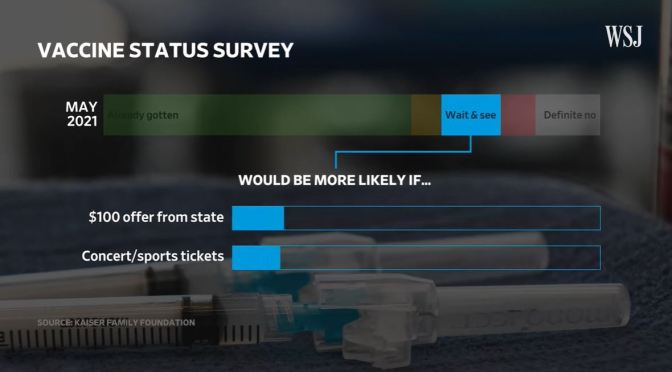
COVID-19: ARE VACCINE INCENTIVES PAYING OFF?

Across the country, states are shelling out incentives ranging from free beer to $1 million lotteries to encourage residents to get their Covid-19 shots. But is the effort to boost vaccination rates working? And is it worth the cost? Photo composite: Adam Falk/The Wall Street Journal

HEALTHCARE: OLDER ADULTS PREFER CONVENIENCE OVER REPUTATION IN PHYSICIANS

A new study by a team from the University of Michigan Institute for Healthcare Policy and Innovation shows that adults over age 50 place more importance on convenience-related factors, rather than reputation, when choosing a doctor.

The study, based on data from IHPI’s National Poll on Healthy Aging supported by AARP and Michigan Medicine, still shows that online ratings and reviews of physicians play an important role, and should receive attention from providers and policymakers.

Dr. Jeffrey Kullgren, a U-M primary care physician and lead author of the study, describes the findings.

TECHNOLOGY: “TELESTROKE” NETWORKS ARE SAVING LIVES

From Fast Company article (June 26, 2020):

An increasing number of hospitals are now equipping emergency vehicles to treat stroke patients while en route to the ER. UCHealth is a health system in Colorado that has a tricked-out ambulance, the Mobile Stroke Treatment Unit. A neurologist at the hospital is connected wirelessly through telehealth to the vehicle. First responders’ gear includes portable CT scanners and tPA.

Currently, there are also more than two dozen telestroke networks in the United States. At the hub of each is a large hospital with on-call neurologists, and broadband that connects the hospital directly to satellite hospitals and clinics. There’s always a neurologist on call to guide the smaller hospital staffs’ treatment of a stroke patient.

When I had a stroke five years ago at 10:20 on a Saturday night, telehealth saved my life. At the time, only 3% to 5% of people in the United States were able to get the “clot-busting” drug called tPA in time to avoid brain damage.

In addition to offering telestroke capabilities, healthcare providers should equip emergency vehicles with portable ultrasound devices and defibrillators. Rural communities can consider strategically deploying high-powered wired and wireless hotspots in case patients need immediate medical attention while still en route to the hospital. Following natural disasters such as earthquakes or floods, mobile hotspots configured for telehealth could be helicoptered into isolated communities.

Read full article

COMMENTARY

SPEED is especially important when a blood clot blocks an artery servicing an important organ. Our Heart and BRAIN top the list of vital organs. TELESTROKE  showcases Telemedicine at its best.

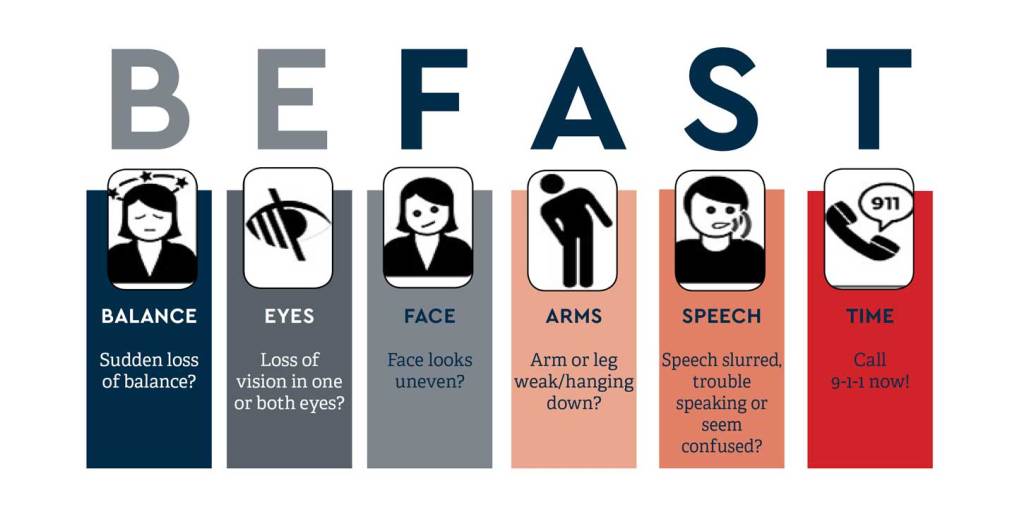
RECOGNITION of a stroke is a weak link in the chain of prompt Brainsaving treatment, and a Mnemonic helps.

—Facial assymetry or drooping
—Arm or leg weakness on one side
—Speech disturbance
—Time is all important

FAST is a good mnemonic, and adding B for balance and E for Eye, or vision loss, for BEFAST gives 2 more parameters to think about.

Living alone adds to the challenge, so be as focused as you can. I was interested to hear that some TELESTROKE ambulances are adding mobile CT and drug (tpa) capabilities, in addition to TELECONFERENCING with a NEUROLOGIST. Treating a stroke within 15 minutes is becoming a possibility.

So particularly if you have risk factors such as hypertension, diabetes or obesity, be on the alert for symptoms of stroke.

—Dr. C.