


Tag Archives: CDC
Conditions: How Chronic Kidney Disease, Diabetes & Heart Disease Are Linked
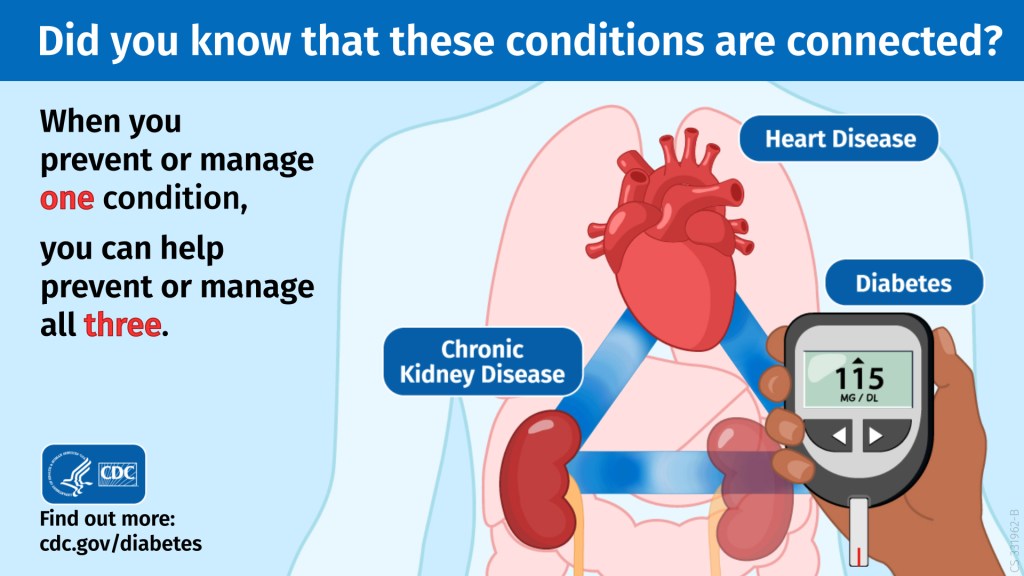
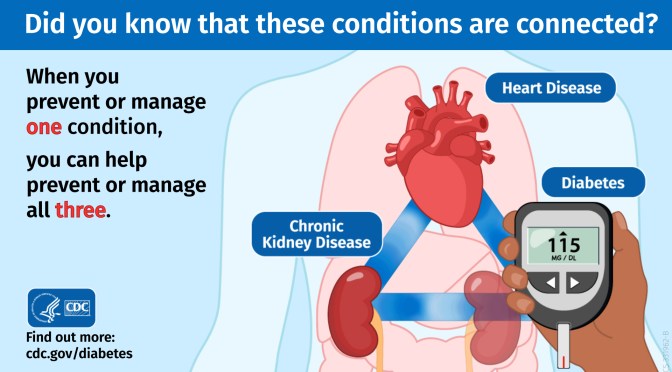
The body is complicated! While organs in your body each have a specific job to do to keep you healthy, they still rely on each other to function well. When one organ isn’t working the way it should, it can put stress on other organs, causing them to stop working properly as well.
The relationship between chronic kidney disease (CKD), diabetes, and heart disease is one example of the ways our organs are connected.
The body uses a hormone called insulin to get blood sugar into the body’s cells to be used as energy. If someone has diabetes, their pancreas either doesn’t make enough insulin or can’t use the insulin it makes as well as it should.
If someone has CKD, their kidneys are not able to filter out toxins and waste from their blood as well as they should.
Heart disease refers to several types of heart conditions. The most common condition, coronary artery disease, leads to changes in blood flow to the heart, which can cause a heart attack.
Make the Connection
So how are these three conditions connected? Risk factors for each condition are similar and include high blood sugar, high blood pressure, family history, obesity, unhealthy diet, and physical inactivity.
High blood sugar can slowly damage the kidneys, and, over time, they can stop filtering blood as well as they should, leading to CKD. Approximately 1 in 3 adults with diabetes has CKD.
When the kidneys don’t work well, more stress is put on the heart. When someone has CKD, their heart needs to pump harder to get blood to the kidneys. This can lead to heart disease, the leading cause of death in the United States. Change in blood pressure is also a CKD complication that can lead to heart disease.
Luckily, preventing or managing one condition can help you prevent and manage the others and lower the risk for more complications.
Medical Conditions: Signs And Treatment Of Sepsis
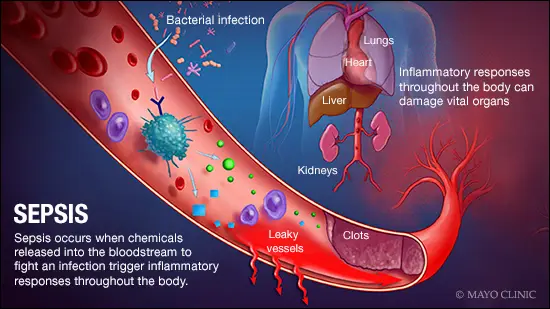
Sepsis occurs when the body’s response to an infection damages its own tissues. When these infection-fighting processes turn on the body, they cause organs to function poorly and abnormally.
As sepsis worsens, blood flow to vital organs, such as your brain, heart and kidneys, becomes impaired. Sepsis may cause abnormal blood clotting that results in small clots or burst blood vessels that damage or destroy tissues. If sepsis progresses to septic shock, blood pressure drops dramatically, which can lead to death.
Nearly 270,000 people in the U.S. die each year as a result of sepsis, and one-third of people who die in a hospital have sepsis, according to the Centers for Disease Control and Prevention.
Signs of sepsis
To be diagnosed with sepsis, you must have a probable or confirmed infection, and all of these signs:
- Change in mental status.
- Systolic blood pressure — the top number in a blood pressure reading — less than or equal to 100 millimeters of mercury, or mm Hg.
- Respiratory rate higher than or equal to 22 breaths per minute.
Signs of progression to septic shock include:
- The need for medication to maintain systolic blood pressure greater than or equal to 65 mm Hg.
- High levels of lactic acid in your blood, which means that your cells aren’t using oxygen properly.
Treatment
Early, aggressive treatment increases the likelihood of recovery.
A number of medications are used to treat sepsis and septic shock, including antibiotics, corticosteroids, painkillers and sedatives. Supportive care, including oxygen and dialysis, and surgery to remove the source of the infection, also may be needed.
People who have sepsis require close monitoring and treatment in a hospital ICU. Lifesaving measures may be needed to stabilize breathing and heart function.
COMMENTS:
The hospital is a dangerous places to be, and the most common cause of death there is sepsis. Sepsis is an underappreciated killer, and it’s getting more common because people are aging, devices are more commonly implanted into the body, immunosuppressive treatment is being used more commonly, and hospital acquired infections are increasingly resistant to treatment.
Sepsis can be caused by an overwhelming infection with bacteria, but can also be caused by viruses, fungi, and severe trauma. Low blood pressure is a common problem, and is associated with change in mental status, and increased breathing rate in raising a red flag for sepsis. Endotoxins play an important, if confusing, role. Endotoxins derive from Gram negative bacteria, but the most common bacterium causing sepsis is the gram positive staphylococcus aureus. With sepsis, though,the gastrointestinal tract may become more leaky, and Gram negative organisms may thereby gain access to the blood stream.
A ccmmon test to detect sepsis is the serum lactate, which becomes elevated if oxygen utilization is diminished, such as in sepsis. There is also a direct test for endotoxin in the bloodstream, performed by using LAL, or Limulus amebocyte lysate. This substance, derived from the cells of the blood of the horseshoe crab, is very sensitive to endotoxins, and coagulates in its presence. This test is also used to detect endotoxins in Biological products and devices, making horseshoe crab is quite valuable.
Maintaining general health, keeping up on your immunizations, wishing your hands, keeping cuts and burns free from infection, ovoid smoking, controlling diabetes and avoiding hospitals whenever possible are useful preventative techniques.
—Dr. C.
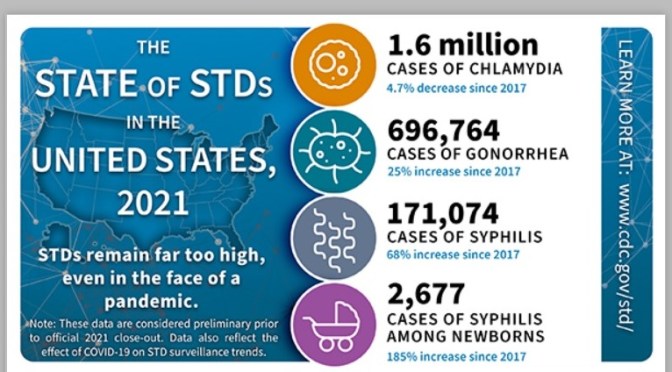
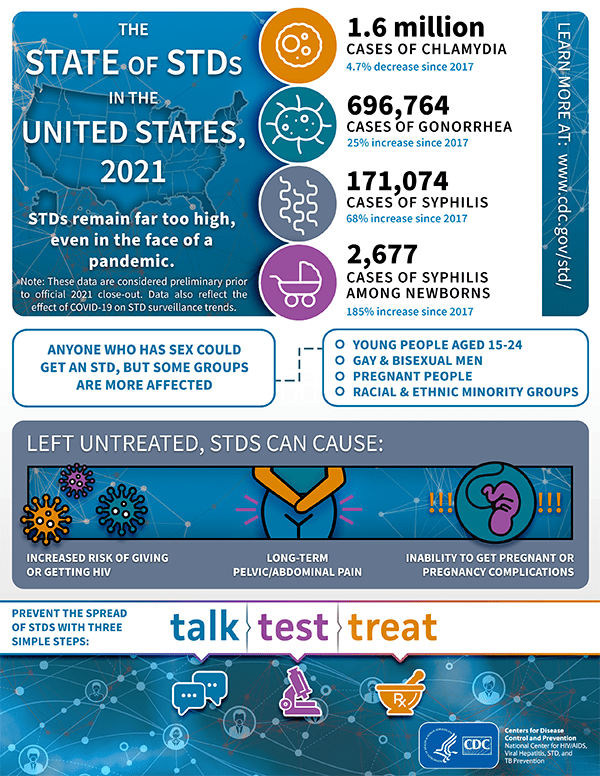
Infographic: STD Cases In The United States (2021)
WOMEN’S HEALTH: HOW ‘HPV (HUMAN PAPILLOMAVIRUS) LINKS TO CERVICAL CANCER’
This video tells the story of Ana, a cervical cancer survivor, who encourages women to recognize abnormal Paps as an opportunity to speak to your doctor about gynecologic health.
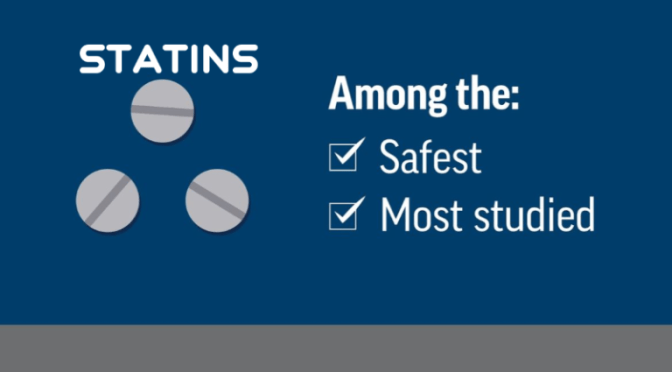
HEALTH: HOW ‘STATINS’ PREVENT HEART ATTACKS AND STROKES’ (CDC VIDEO)
Statins are a type of medication used to lower the level of bad cholesterol in the blood and reduce build-up in arteries that can cause a heart attack or stroke. This short animated video explains the importance of statins, how they work, and why your doctor may prescribe them.
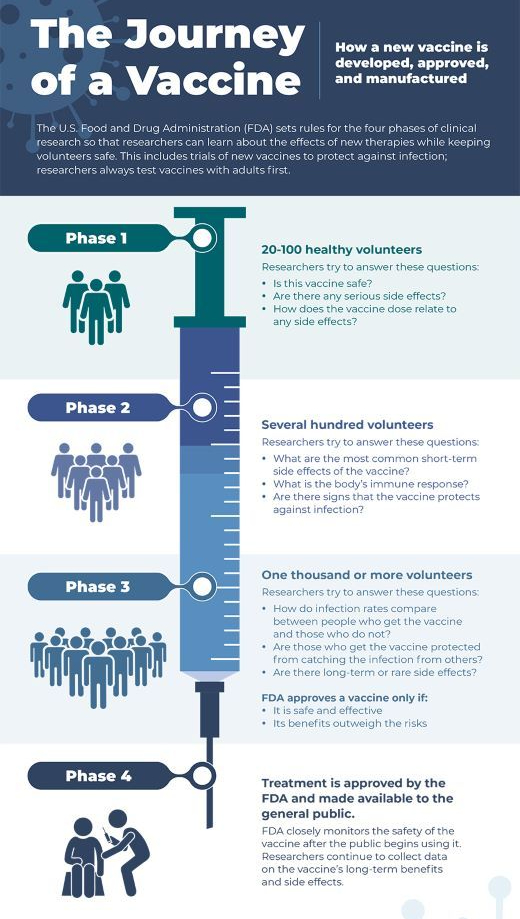
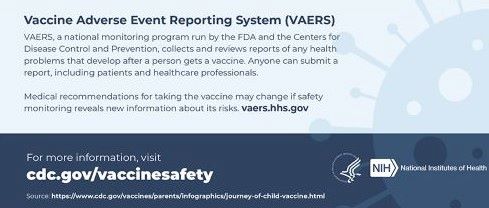
COVID-19 INFOGRAPHIC: ‘THE JOURNEY OF A VACCINE’ (NIH)
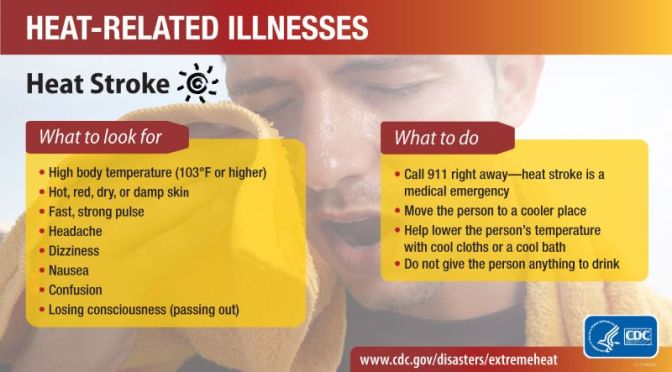
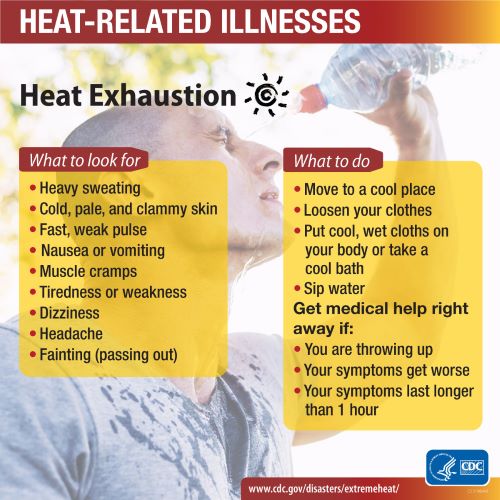
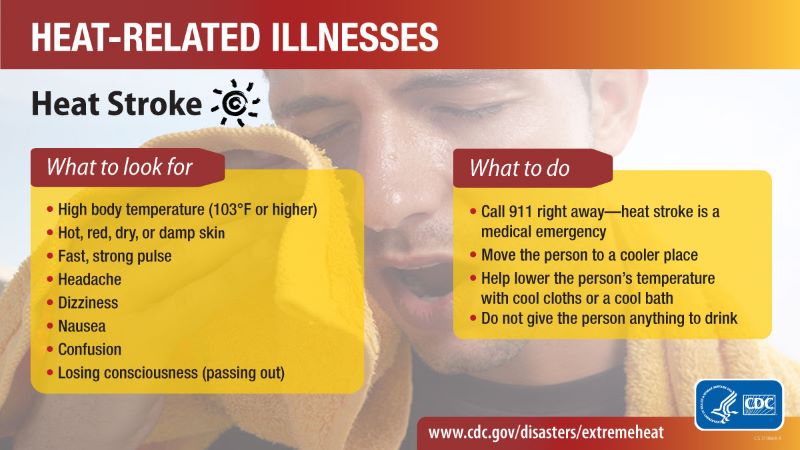
CDC INFOGRAPHICS: ‘HEAT STROKE & HEAT EXHAUSTION’
COMMENTARY:
THERMOREGULATION, preservation of the normal body temperature, is well developed in humans, and monitoring the body temperature has been useful since the development of thermometers.
Indirect measurement by Infrared detectors is being widely used today to detect FEVER as a sign of Covid in gatherings such as schools. Reactive increase of body temperature in a cool environment is a body defense mechanism that I have discussed earlier. Contrary to general practice, Fever, in my opinion, should be left untreated unless excessive, such as above 103 degrees F., or even 104 degrees.
Excessive environmental temperature, such as in a closed car, Jacuzzi, or heat wave can defeat the body’s ability to defend the normal temperature. Children, with their high body surface to mass ratio, are particularly at risk, as periodic newspaper articles testify. HEAT STROKE is the most serious of heat-related illnesses, leading to high and increasing body temperature, mental symptoms, even convulsions, and is a MEDICAL EMERGENCY.
The treatment is to call 911, and to lower the body temperature by removing insulating clothing, and immersing in cold water. There are a variety of other conditions based on excessive exertion, water or salt loss.
These include HEAT EXHAUSTION. Older Workers are particularly susceptible, and medical clinic attention may be needed for fluid and electrolyte replacement. MUSCLE CRAMPS and even damage( Rhabdomyolysis), FAINTING (this has been discussed before) and Heat Rash can result from too hot an environment. Furry Animals Pant instinctively to get their highly vascular Tongue to “air condition” their bodies. Humans should dress and exercise appropriately when the environment requires it.
–Dr. C.
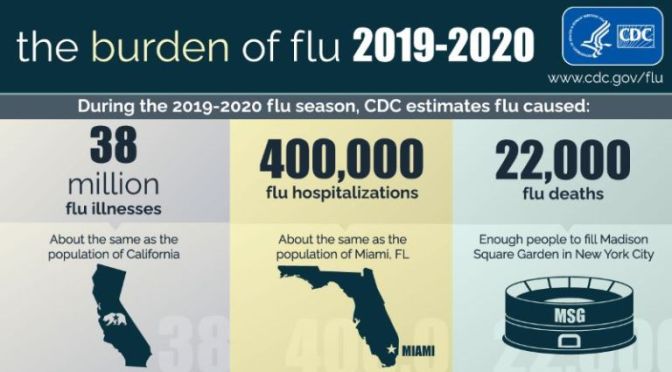
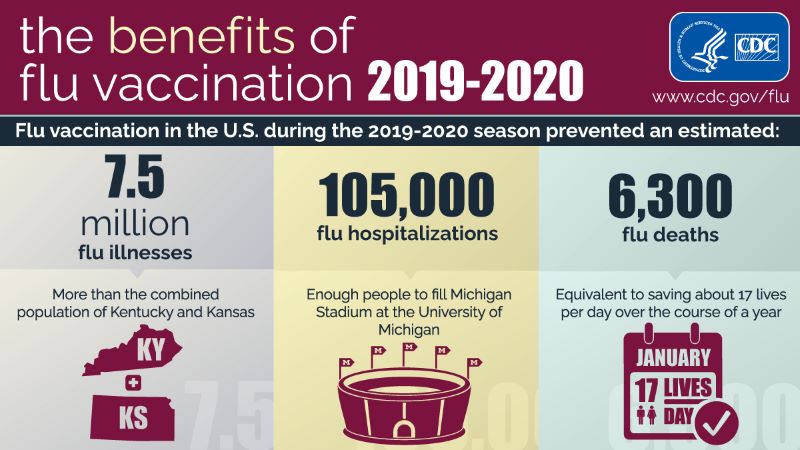
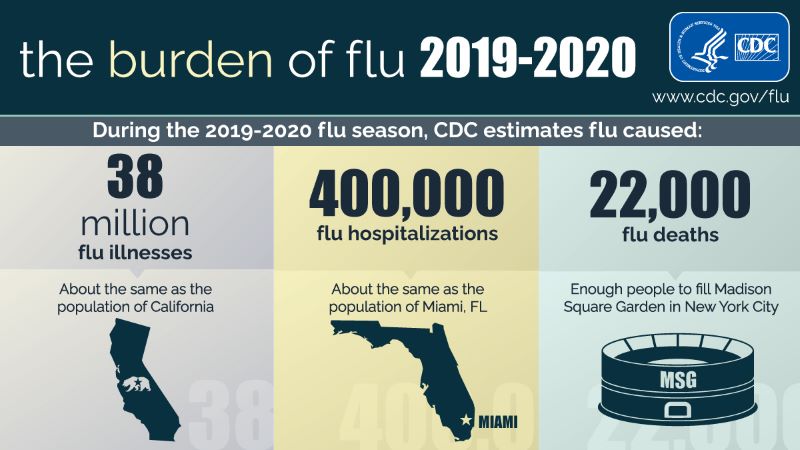
INFOGRAPHICS: ‘THE BURDEN OF FLU & BENEFITS OF FLU VACCINATION’ (2019-2020)
 Doctors Without Waiting Rooms