
DR. C REVIEWS MAJOR HEALTH AND TELEMEDICAL NEWS FOR THE WEEK ENDING SEPTEMBER 27, 2020.
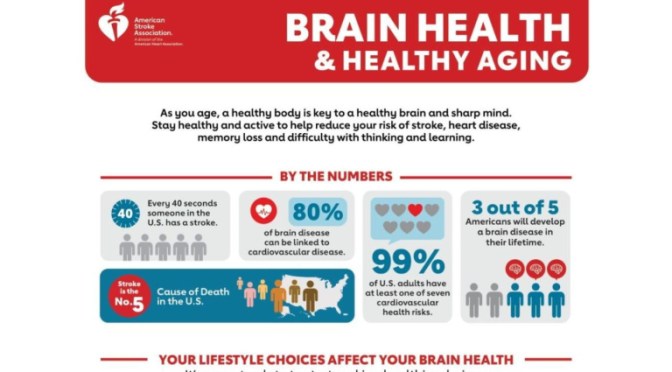
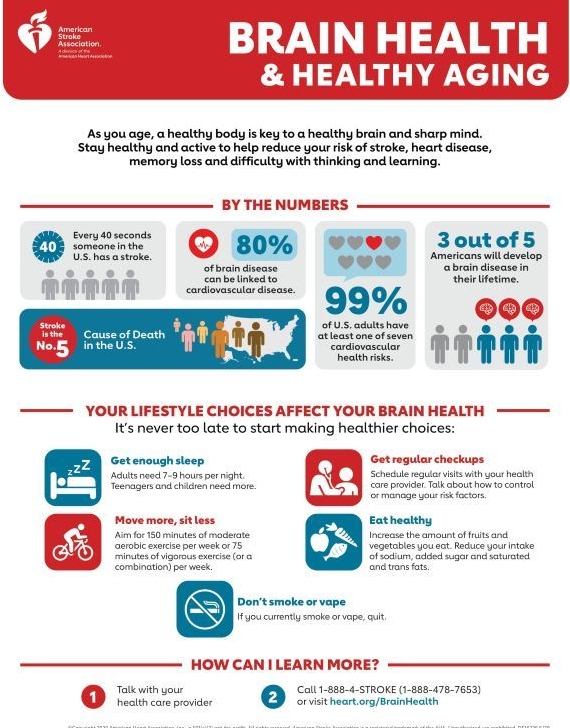
INFOGRAPHIC: BRAIN HEALTH, STROKES & HEALTHY AGING
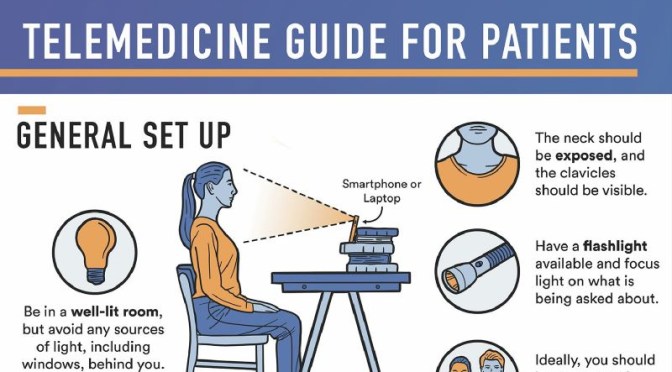
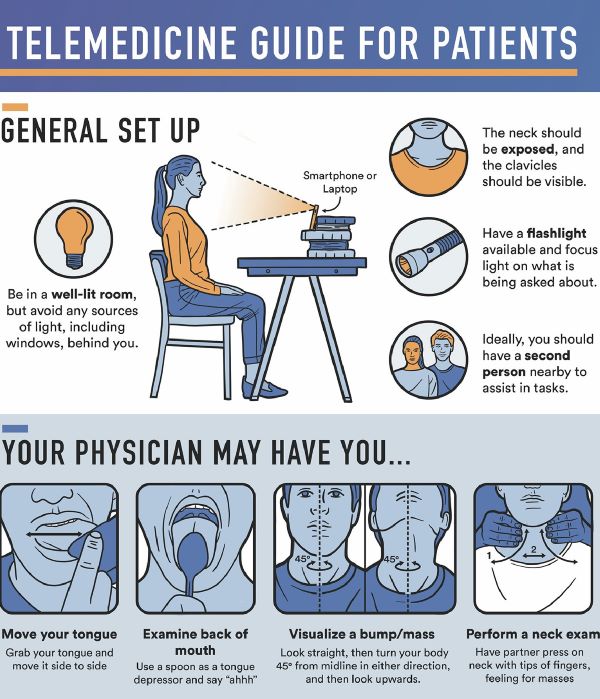
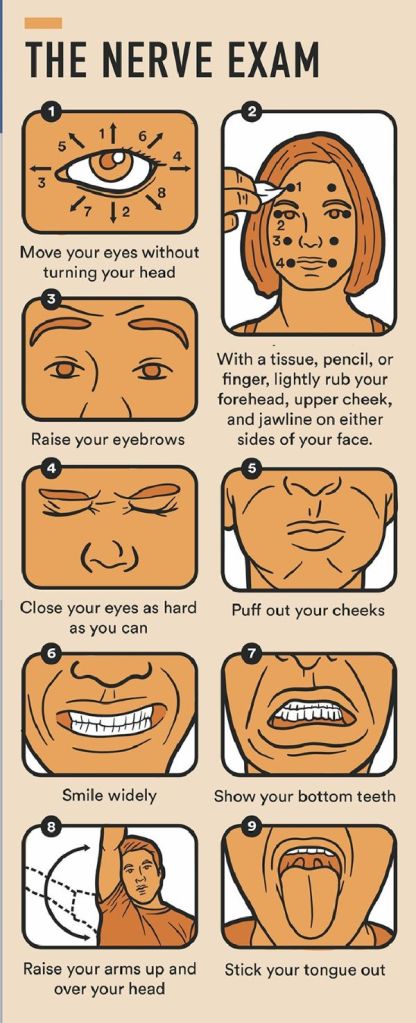
Infographic: Telemedical Visits With Oral And Maxillofacial Surgeons
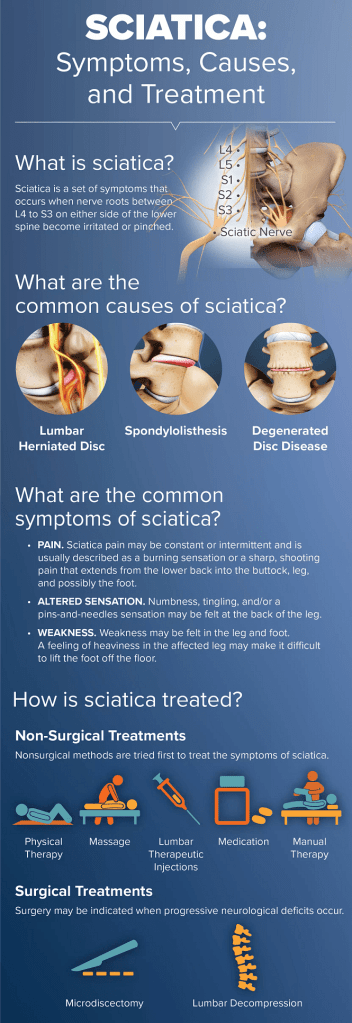
INFOGRAPHIC: “SCIATICA – SYMPTOMS & TREATMENT”

THE DOCTORS 101 CHRONIC SYMPTOMS & CONDITIONS #17: BAD BREATH (HALITOSIS)
Bad breath is a big social deal, and is unpleasant to be around. You are always conflicted when near a person with Halitosis; you are tempted to tell him for his own good, but are embarrassed to do so.
“Mask Breath” is the most recent reincarnation of bad breath. Supposedly the mask itself does not have an odor, but merely makes the person aware of the bad breath he has had all along. Bad breath is not only a direct problem for the person who has it, but often betrays important medical conditions which need attention.
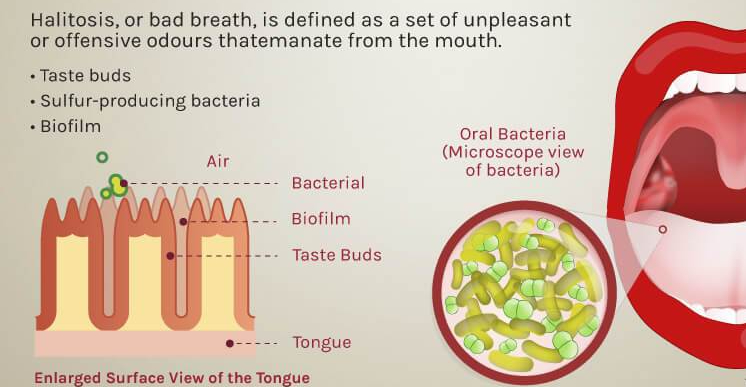
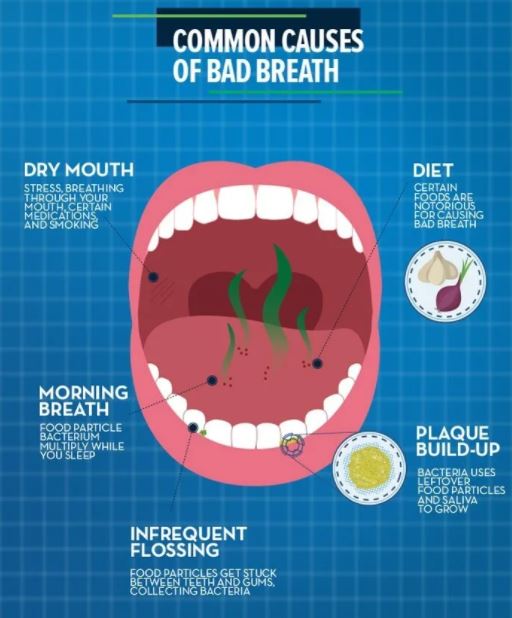
Several oral conditions can cause halitosis. The most common is poor oral hygiene. Lack of regular brushing and flossing leads to accumulation of food particles between the teeth, in the gum lines, and even under crowns. This food provides lunch for the oral bacteria, releasing malodorous compounds. This can be expensive. Have you priced restorations and implants recently?
The sneakier result of poor oral hygiene is gingivitis, or gum disease. This leads to inflammation, and is a major contributor to the inflammatory load resulting in Metabolic syndrome with its widespread effects on the brain, kidneys, and heart. And in addition, you may eventually lose your teeth. Tonsils can become inflamed and malodorous, and the associated adenoids may enlarge, leading to mouth breathing, dry mouth, and you guessed it, Bad Breath.
GERD is often associated with Bad Breath. The reflux of stomach contents will often leave behind a bad taste as well as bad breath. Certain metabolic conditions can give bad breath. Ketosis from diabetes, mousy breath from liver failure, and the “Fish odor syndrome”, Trimethylaminuria, can be causes.
So drink lots of water, and don’t forget to brush your teeth and floss regularly. You might benefit from a medical or dental evaluation if your bad breath doesn’t go away.
–Dr. C.
Medical Videos: ‘Fatty Liver Disease’ Affects One-Third Of U.S. Population
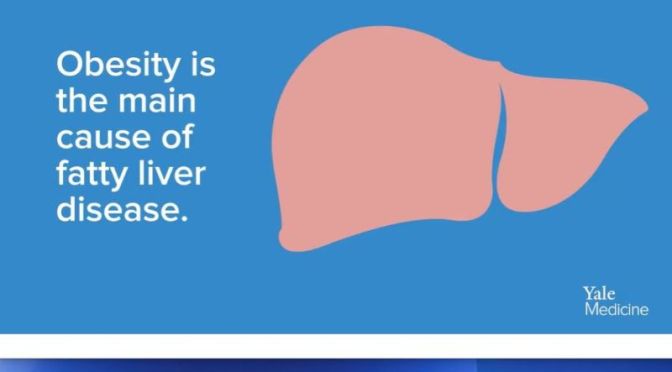
Fatty liver disease is an increasingly common condition that currently affects a third of the population. The most common cause of the disease is obesity. Extra fat in your body from weight gain accumulates in your liver, causing it to swell. Eventually, the cells in your liver will be so overburdened that they die. New cells grow to replace them, but those cells also contain fat. As liver cells continue to die off and regrow rapidly, it causes scarring of the tissue surrounding the organ.
THE DOCTORS 101 CHRONIC SYMPTOMS & CONDITIONS #16: NOSEBLEEDS (EPISTAXIS)
Nosebleeds afflict almost everybody at one time or another. The nose is well supplied with blood vessels, and sticks out from the face, often into other people’s business. Fistfights and falls will often cause nosebleeds in children. Kids will often pick their noses.
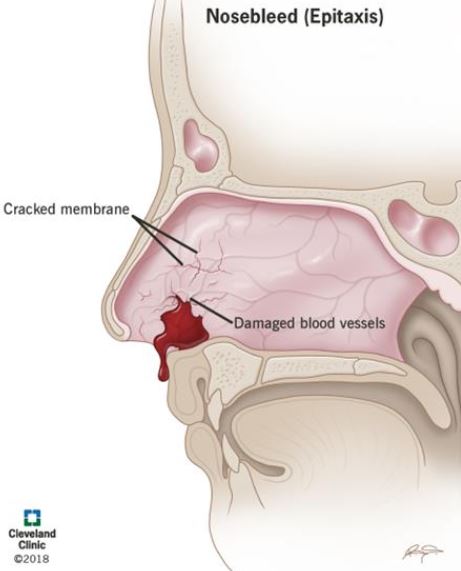
Dry air and allergies make the nose bleed more often. Sometimes, nosebleeds just happen. The bleeding usually comes from the front of the septum, the cartilaginous divider of the nose, and the best way to stop the bleeding is to lean forward and pinch the nostrils together.
This most likely compresses the bleeding area, and if held for 5 minutes or so will usually stop the bleeding. Sometimes, even after repeating this several times, and even putting ice on the bridge of the nose, the bleeding won’t stop, you may need to seek help. If the bleeding is voluminous it may originate from larger vessels at the back of the nose, and an ENT Doctor may be needed to put in a “posterior pack” of gauze.
Infrequent nosebleeds from identifiable causes are not too disturbing, but if they become CHRONIC and unexplained, a visit to the doctor and further investigation may be needed.
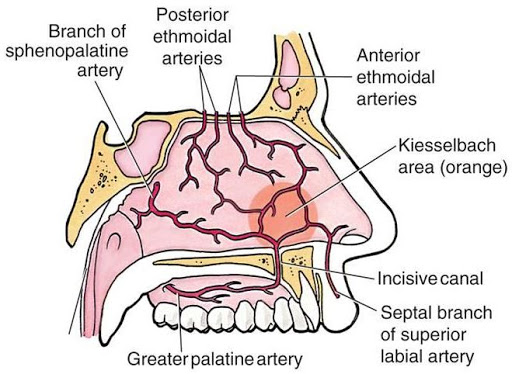
High blood pressure can be a cause of regular nosebleeds. High altitudes and the accompanying dry air can be a contributory cause. Cocaine use may irritate the nose and cause “Kiesselbach’s plexus” on the anterior nasal septum to bleed.
If you bleed a lot from your nose, especially if you have trouble with clotting from cuts or periods, you may have a coagulation problem, of which there are several, such as Von Willebrands disease.
Blood thinners are commonly used these days, and the dosage may need adjusting. For more information, please consult the accompanying article on “epistaxis” by the Cleveland Clinic, which usually has good articles on medical problems.
–Dr. C.
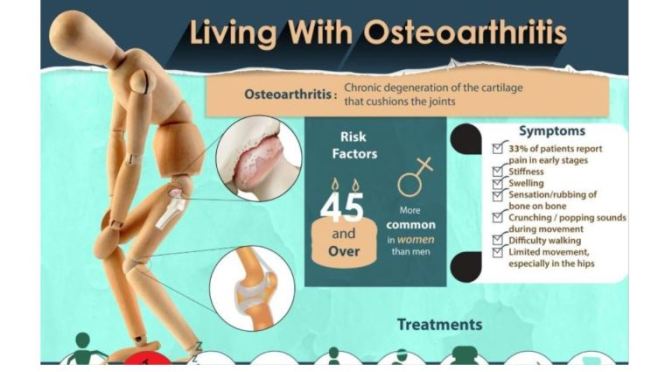
STUDIES: OSTEOARTHRITIS PATIENTS USING EXERCISE THERAPY HAVE LESS PAIN, CUT OPIOID & ANALGESIC USE
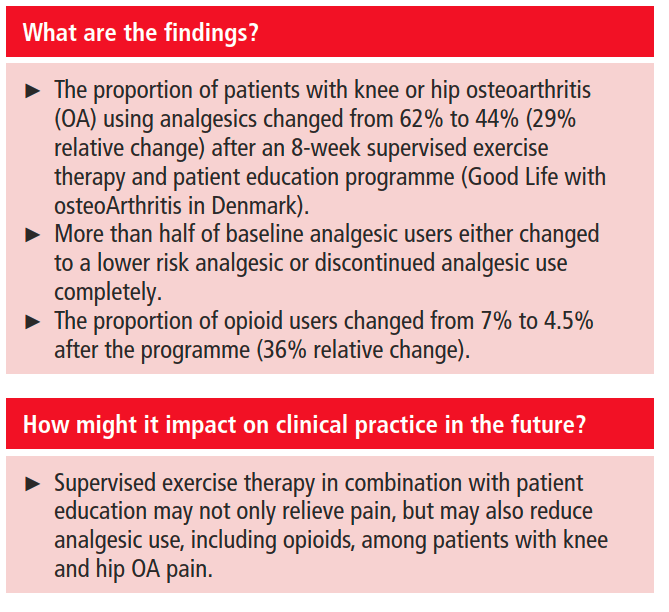
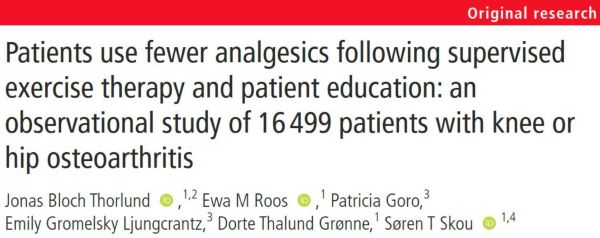

Conclusion Among patients with knee or hip OA using analgesics, more than half either discontinued analgesic use or shifted to lower risk analgesics following an 8-week structured exercise therapy and patient education programme (GLA:D). These data encourage randomised controlled trial evaluation of whether supervised exercise therapy, combined with patient education, can reduce analgesic use, including opioids, among patients with knee and hip OA pain.

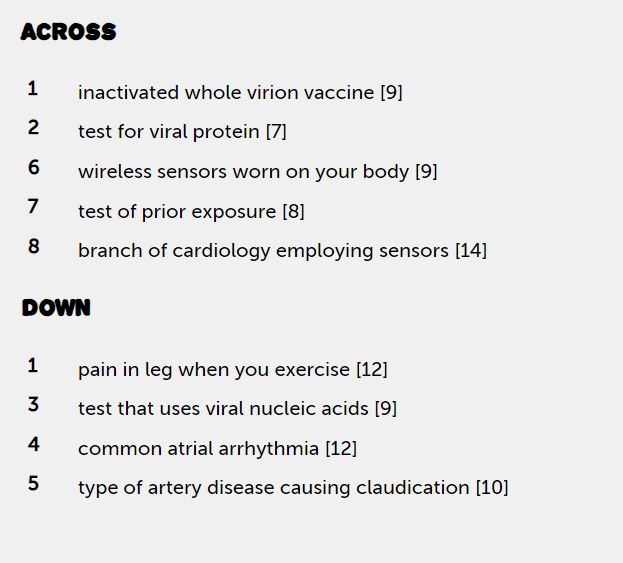
PATIENT EDUCATION: THE “2020 WEEKLY CROSSWORD PUZZLE CHALLENGE” (SEP 21)


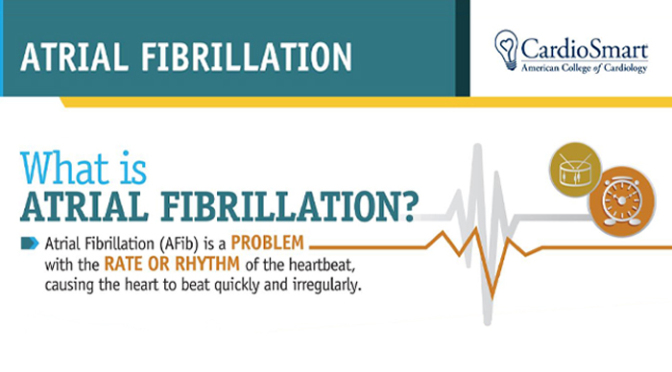
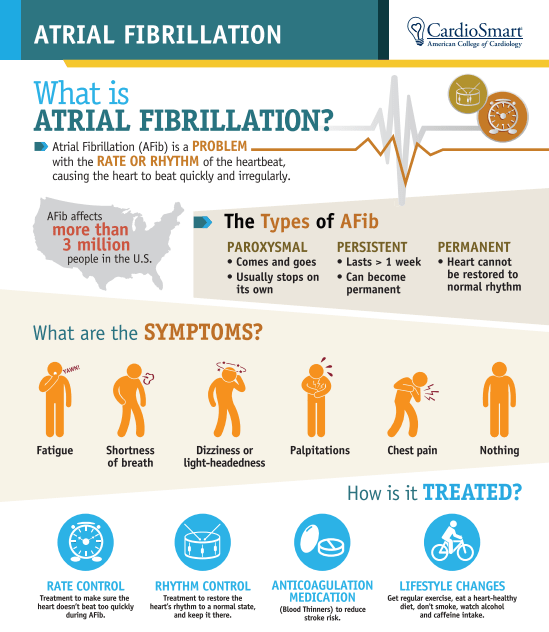
INFOGRAPHICS: ‘WHAT IS ATRIAL FIBRILLATION?’ (AFIB)
 Doctors Without Waiting Rooms