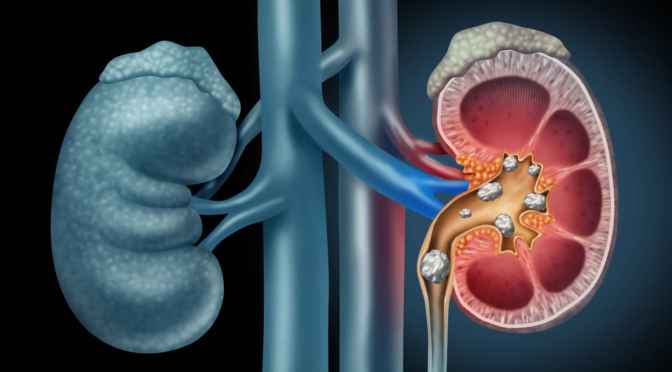
Mayo Clinic (March 6, 2023) – About 15% of adults in the U.S. are estimated to have chronic kidney disease — that’s about 37 million people.
What if those people could be treated with medication that could slow the progression of their disease, and help avoid the need for dialysis and kidney transplantation altogether?
Dr. Naim Issa, a Mayo Clinic transplant nephrologist says there is a class of medications to help people with chronic kidney disease that does just that. He says Mayo Clinic has been incorporating these medications to help patients for the last few years.
March 9 is World Kidney Day, a day aimed at raising awareness about the importance of the kidneys.
“A psoriatic arthritis flare-up is a temporary worsening of symptoms of arthritis, which includes swelling, pain and stiffness in your joints,” explains Dr. Sapkota. “It can also include swelling of the whole toes or fingers due to the swelling of the ligaments around the joint. And sometimes, psoriasis, a skin rash, can worsen at the same time as your joints.”
Pneumonia is an infection that inflames the air sacs in one or both lungs. The air sacs may fill with fluid or pus (purulent material), causing cough with phlegm or pus, fever, chills, and difficulty breathing. A variety of organisms, including bacteria, viruses and fungi, can cause pneumonia.
Mayo Clinic – Pneumonia can range in seriousness from mild to life-threatening. It is most serious for infants and young children, people older than age 65, and people with health problems or weakened immune systems.
Symptoms
The signs and symptoms of pneumonia vary from mild to severe, depending on factors such as the type of germ causing the infection, and your age and overall health. Mild signs and symptoms often are similar to those of a cold or flu, but they last longer.
Signs and symptoms of pneumonia may include:
Chest pain when you breathe or cough
Confusion or changes in mental awareness (in adults age 65 and older)
Cough, which may produce phlegm
Fatigue
Fever, sweating and shaking chills
Lower than normal body temperature (in adults older than age 65 and people with weak immune systems)
Nausea, vomiting or diarrhea
Shortness of breath
Newborns and infants may not show any sign of the infection. Or they may vomit, have a fever and cough, appear restless or tired and without energy, or have difficulty breathing and eating.
When to see a doctor
See your doctor if you have difficulty breathing, chest pain, persistent fever of 102 F (39 C) or higher, or persistent cough, especially if you’re coughing up pus.
It’s especially important that people in these high-risk groups see a doctor:
Adults older than age 65
Children younger than age 2 with signs and symptoms
People with an underlying health condition or weakened immune system
People receiving chemotherapy or taking medication that suppresses the immune system
For some older adults and people with heart failure or chronic lung problems, pneumonia can quickly become a life-threatening condition.
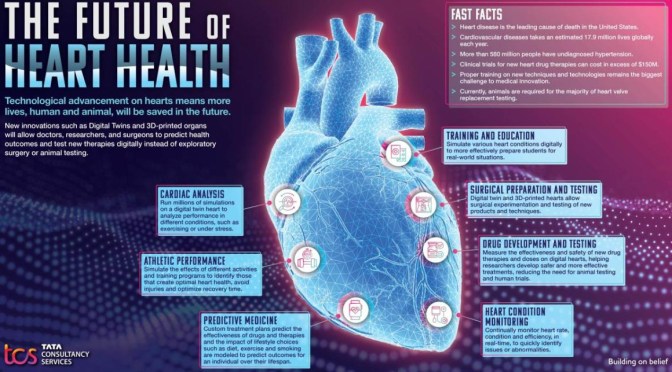
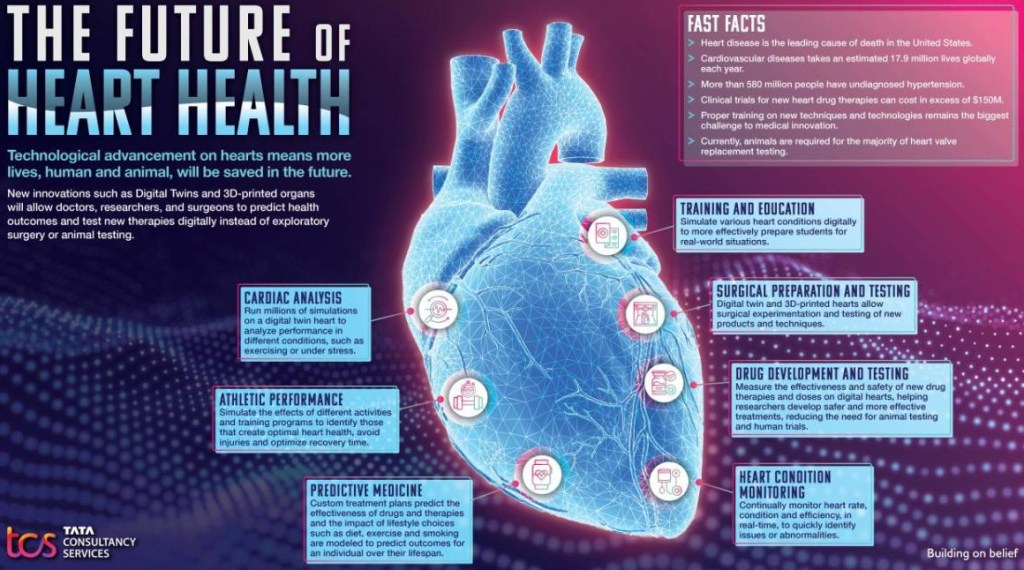
After a digital twin of a heart is created, researchers can go a step further and use 3D printing to create a physical version of a heart. This is then used to practice surgical techniques and test solutions such as new heart valves or drugs without ever touching an actual body.
March 2, 2023: Following National Heart Health Month in February, TCS futurists took a look at how a digital twin of the heart can save more lives – human and animal – in the future. From boosting athletic performance to developing predictive medicine, new advances in technology will help keep hearts healthier than ever.
TCS is on the leading edge of “Digital BioTwin” research, modeling human organs digitally to find new ways for researchers and doctors to test experimental drugs and surgical techniques without risk. With heart disease the leading cause of death in the U.S., it is more important than ever to innovate techniques to keep hearts healthy.
Using information from a MRI of someone’s heart, TCS can create a fully modeled human heart in cyberspace. By applying various historical and speculative data sets, doctors can see the impact of different conditions and situations such as beginning a long-term exercise program or quitting smoking. This approach to predictive medicine demonstrates the real impact of health choices to patients.
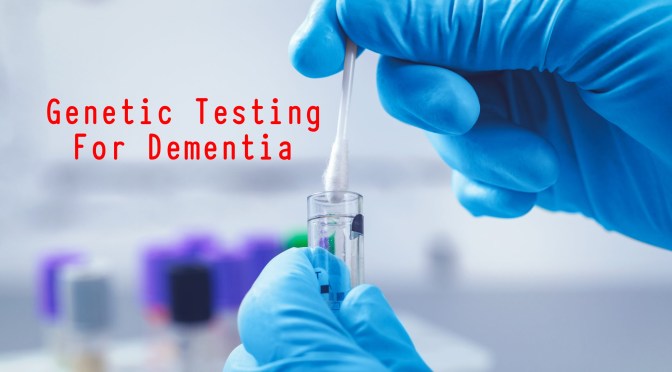
AlzheimersResearch UK (February 28, 2023) – In this video, Prof Nick Fox, Director of the Dementia Research Centre at UCL (and specialist in familial Alzheimer’s disease) answers frequently asked questions about getting a genetic test for dementia.
Video timeline:0:00 Start 0:01 #1.What is the difference between dementia risk genes and rare familial genes? 1:05 #2.Which genes are tested for? 1:45 #3.What happens in families with directly inherit dementia? 3:20 #4.What are the common misconceptions? 4:14 #5.Do I need to know which gene runs in my family? 9:50 #6.How do I get a genetic test for dementia? 11:09 #7.What if my doctor won’t refer me for the test? 11:56 #8.Will getting my results affect my life insurance or mortgage?
Having a test to look for a faulty gene that causes dementia is only appropriate for a very small number of people. This is because only around one in 100 cases of dementia are directly inherited. In these cases, there is an obvious pattern of a parent passing it on to their child (or children) throughout every generation of a family, often developing symptoms in their 40s and 50s.
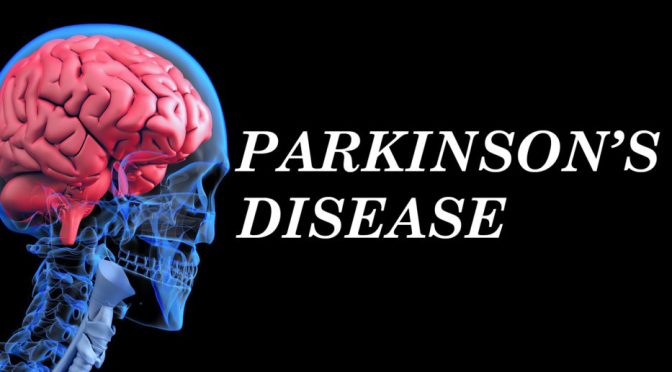
Parkinson’s Foundation (February 27, 2023) – Finding out you have Parkinson’s can be a lengthy process. Explore how a Parkinson’s diagnosis is made and what type of diagnostic tools are used.
Parkinson’s disease (PD)
A neurodegenerative disorder that affects predominately the dopamine-producing (“dopaminergic”) neurons in a specific area of the brain called substantia nigra.
Symptoms
Symptoms generally develop slowly over years. The progression of symptoms is often a bit different from one person to another due to the diversity of the disease. People with PD may experience:
Tremor, mainly at rest and described as pill rolling tremor in hands; other forms of tremor are possible
Slowness and paucity of movement (called bradykinesia and hypokinesia)
Limb stiffness (rigidity)
Gait and balance problems (postural instability)
In addition to movement-related (“motor”) symptoms, Parkinson’s symptoms may be unrelated to movement (“non-motor”). People with PD are often more impacted by their non-motor symptoms than motor symptoms. Examples of non-motor symptoms include: depression, anxiety, apathy, hallucinations, constipation, orthostatic hypotension, sleep disorders, loss of sense of smell, and a variety of cognitive impairments.
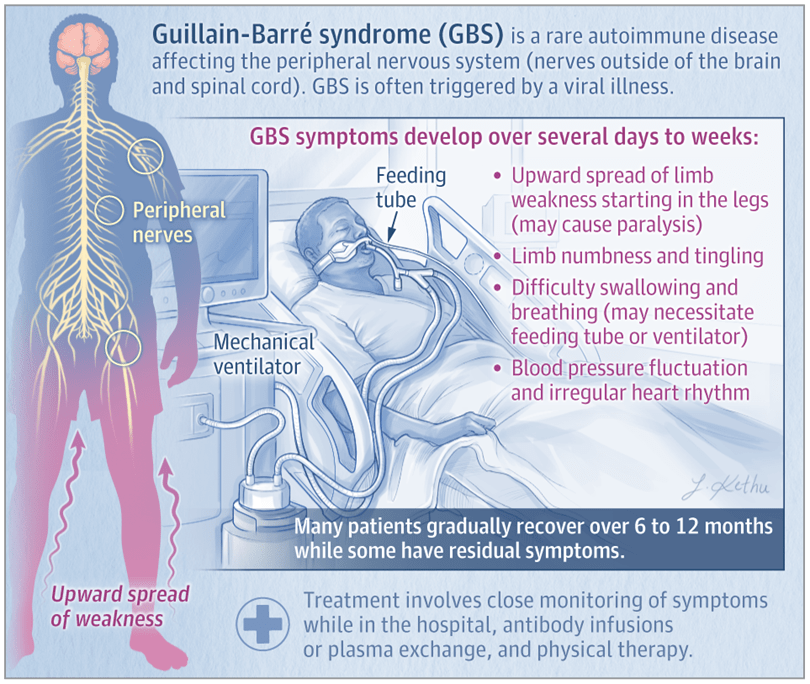
Guillain-Barré syndrome is an autoimmune disease that affects the nerves outside the brain and spinal cord (the peripheral nerves) and develops over several days to weeks. GBS can cause severe muscle weakness, and death occurs in about 5% of patients. The most common subtypes are acute inflammatory demyelinating polyradiculoneuropathy (AIDP) and acute motor axonal neuropathy (AMAN). Approximately 90% of people with GBS in North America and Europe have AIDP.
Signs and Symptoms of GBS
Patients with the AIDP subtype of GBS typically have weakness that starts in the legs and spreads to the arms, as well as decreased or absent reflexes. In more than 50% of these patients, nerves that originate in the brain stem (cranial nerves) are affected, which may cause facial weakness, difficulty swallowing, and eye muscle weakness or paralysis. Approximately 25% to 30% of patients develop severe weakness or paralysis of the muscles used to breathe. GBS commonly causes symptoms of low back pain and limb numbness and tingling, and fluctuations in blood pressure or an irregular heart rhythm can also occur.
Risk Factors and Conditions Associated With GBS
GBS affects people worldwide, and the lifetime risk of GBS is estimated at 1 in 1000. Although individuals of any age can develop GBS, the incidence increases with age, and males are slightly more likely to develop GBS than females.
Approximately two-thirds of patients have a diarrheal or respiratory illness within 4 to 6 weeks prior to the onset of GBS symptoms. Other, less common events or conditions that may trigger GBS include recent surgery, pregnancy, and immunosuppression. Although rare sporadic cases of GBS have been reported after vaccinations, the risk of developing postvaccination GBS is much lower than the risk of developing GBS after an infection.
Diagnosis and Treatment of GBS
Diagnosis of GBS is made based on symptoms and physical examination findings. Neurological testing often includes electromyography and nerve conduction studies to assess nerve and muscle function. Results of a spinal tap (lumbar puncture) may support the diagnosis of GBS and can rule out other neurological diseases.
Individuals with suspected GBS should be admitted to the hospital. All patients with GBS need close monitoring of their breathing, heart rate, and blood pressure. Individuals who develop severe respiratory muscle weakness or paralysis are supported with mechanical ventilation. Patients who have difficulty swallowing may receive nutrition through a feeding tube.
Current recommended treatments for GBS are intravenous immune globulin (IVIG), an infusion of antibodies, or plasma exchange, which involves removal and replacement of the liquid component of blood. About 40% to 50% of patients with GBS do not improve within 4 weeks after IVIG or plasma exchange and need prolonged supportive care. Physical, occupational, and speech therapy are important to help patients regain strength and function.
What Is the Prognosis of GBS?
Most patients with GBS gradually improve and can have a complete recovery over 6 to 12 months. However, some patients have residual symptoms, including fatigue, pain, numbness, tingling, and muscle weakness. Some factors associated with a higher risk of death due to GBS include older age, more severe disease, and need for mechanical ventilation.
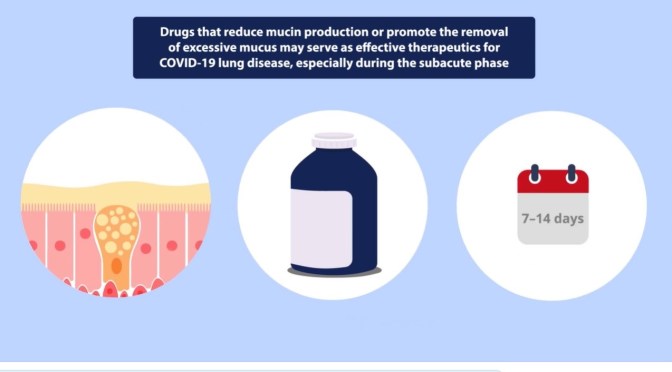
American Thoracic Society (February 24, 2023): A new American Journal of Respiratory and Critical Care Medicine study suggests that COVID-19 lung disease leads to overproduction of mucus in the distal parts of the lungs.
The study investigated airway mucus and mucins in COVID-19 autopsy lungs and showed that both were elevated due to infection, especially during subacute and chronic stages of the disease.










 Doctors Without Waiting Rooms