In @usnews, @JennOligoMyelin detailed the range of early #MultipleSclerosis symptoms, explained why patients should talk to their doctor if they suspect they’re experiencing symptoms, & highlighted why early treatment is crucial to managing MS. https://t.co/xeHC7Dautp
MS symptoms vary depending on the brain or spinal cord area that’s affected. According to the National Multiple Sclerosis Society, more common symptoms include:
Fatigue so extreme it interferes with ability to function at home and work.
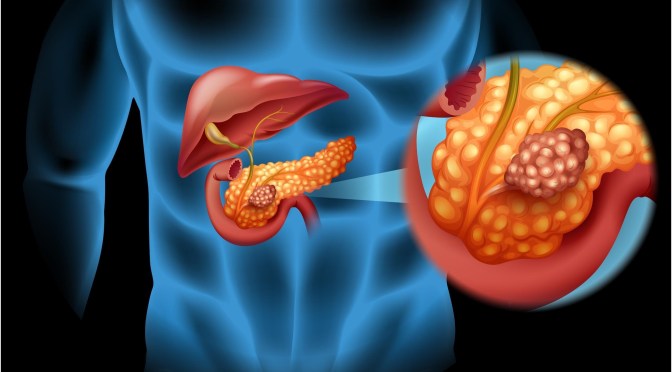
Pancreatic cancer accounts for about 3% of all cancers in the United States and about 7% of all cancer deaths. Because it’s hard to detect early, it’s important to recognize any symptoms that occur. Find out what to look for and when you should talk to your provider with this helpful video from Cleveland Clinic.
Chapters: 0:00 Intro 0:28 What is pancreatic cancer? 0:58 What are the warning signs of pancreatic cancer? 2:46 When to talk with your healthcare provider about symptoms of pancreatic cancer
Two years into the COVID pandemic, U.S. physicians have a growing arsenal of therapies to keep mild disease from worsening. Here is a rundown of what is on hand for hospitalized patients, as well as for people who are primarily recovering at home. https://t.co/4BV53Etz8s
Have you ever wondered what the health impact of a stressful day was? Will you perform well during your long run tomorrow morning? #Heart rate variability may be the piece of data that could help you answer these questions: https://t.co/DJKjsSlKv2#HarvardHealthpic.twitter.com/3E1vKiLjDj
The skin is The largest organ in the body. It certainly receives the largest amount of ionizing radiation from the sun, the most common cause of genetic mutation of cells of the skin. As you get older, these mutations build up, leading to an increasing number of skin cancers that need removal.
In my younger years, I had red hair and lots of freckles. Between the freckles I had a little pigmentation to protect me from the sun. The only sunscreen then available was a messy white paste called zinc oxide, and I resorted to it infrequently. I was out a lot playing tennis, hiking and camping, and even skied once or twice. I did wear hats a lot, especially as I got older and wiser, but still it is amazing I’m not having more trouble now.
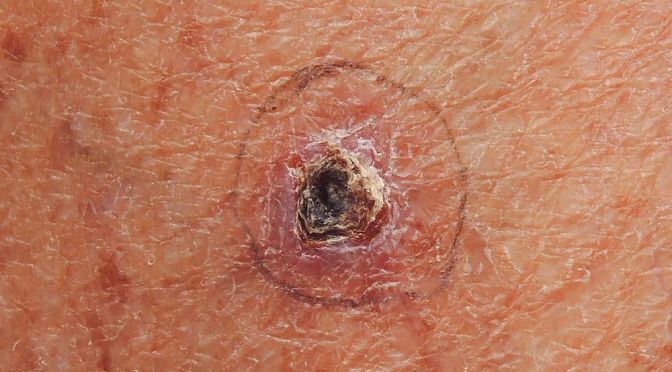
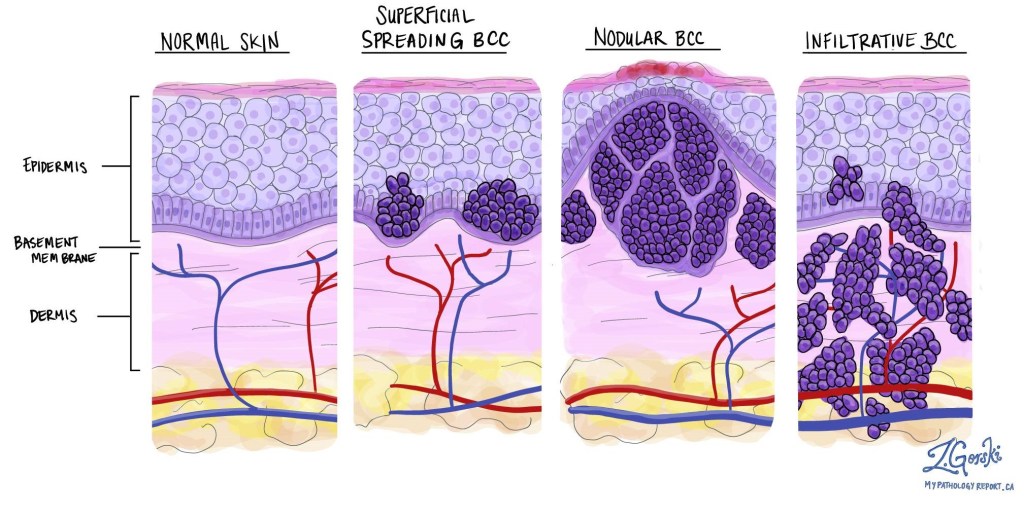
I go to the dermatologist every 3 to 6 months to get my actinic keratoses frozen off. These are the little patchy,rough irregularities in the skin that can grow into basal cell, and sometimes squamous cell cancer. I have had just one skin cancer, a basal cell, which I discovered when there was a patch on my chin that kept bleeding when I shaved. One of my classmates in medical school was a plastic surgeon, and kindly removed this lesion with a minimum of scarring.
Lots of doctors, usually Dermatologists, currently specialize in Mohs surgery, in which the basal cell cancer is gradually shaved off until its margins, the edge of the shaved biopsy, show no cancer.
The moral of the story is to avoid unnecessary ultraviolet exposure. Don’t go to tanning studios. If you must be in the sun, put on sunscreen, and wear a hat. Some would argue that if you stay out of the sun you will get vitamin D deficiency. It is true that vitamin D Is important, and I would recommend checking your blood vitamin D level every year or so. But would rather take my vitamin D in a capsule than get it from sun exposure.
—Dr. C.
Empowering Patients Through Education And Telemedicine





 Doctors Without Waiting Rooms