
A weekly podcast on the latest medical, science and telehealth news.
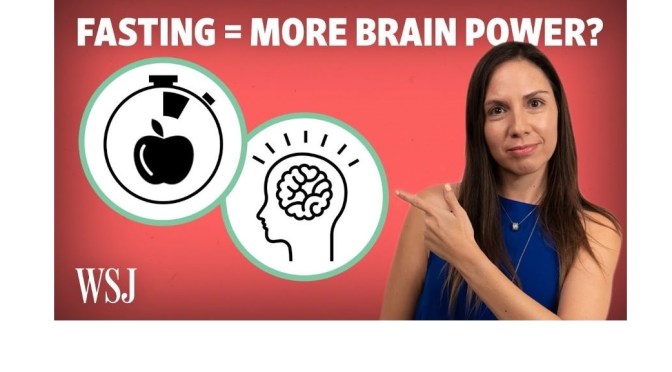
Brain Health: The Benefits Of Intermittent Fasting
Although intermittent fasting is most widely known as a weight-loss strategy, emerging research suggests that it could have benefits for brain health and cognition. But does it actually work, are there any drawbacks and how long would you have to fast to see benefits?
WSJ’s Daniela Hernandez breaks down what’s known and what’s not about the neuroscience of intermittent fasting.
Video Timeline: 0:00 Could intermittent fasting help our brains work better and longer? 0:31 How long would you have to fast to see any potential cognitive benefits? 1:04 How intermittent fasting could affect your ability to focus 2:27 Potential mood-related benefits of intermittent fasting 2:48 How intermittent fasting can affect brain health 4:03 Potential drawbacks of intermittent fasting
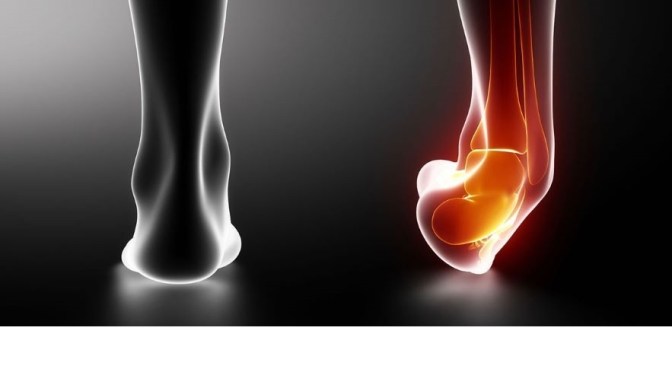
Health: How To Recover From An Ankle Sprain

NUTRIGENOMICS: HOW DIET CAN REPROGRAM OUR DNA
The burgeoning field of “nutrigenomics” claims that the food we eat can alter our genetics. Dietitians, scientists and lifestyle companies have all hopped on the bandwagon.
Nutrigenomics (also known as nutritional genomics) is broadly defined as the relationship between nutrients, diet, and gene expression. The launch of the Human Genome Project in the 1990s and the subsequent mapping of human DNA sequencing ushered in the ‘era of big science’, jump-starting the field of nutrigenomics that we know today.
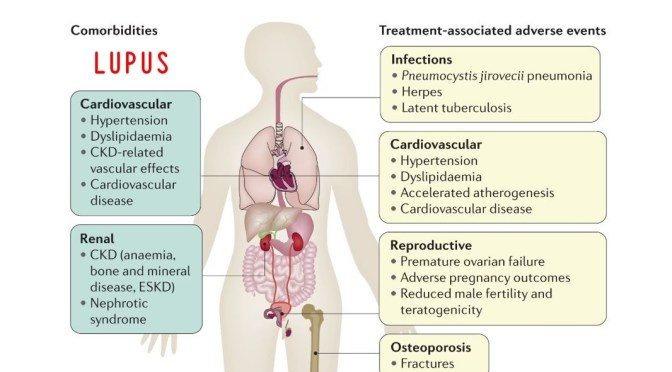
Infographic: Causes And Treatments Of Lupus
Lupus is a disease that occurs when your body’s immune system attacks your own tissues and organs (autoimmune disease). Inflammation caused by lupus can affect many different body systems — including your joints, skin, kidneys, blood cells, brain, heart and lungs.
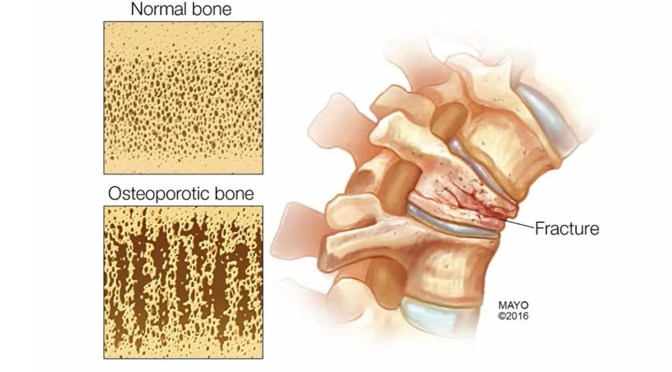
Osteoporosis: What What Women Need To Know
Bones are living organisms that build and break down, but when the body loses more bone than it makes, problems can arise. Early detection and treatment can help those with bone loss maintain active lifestyles. Dr. Ejigayehu Abate, a Mayo Clinic endocrinologist, explains what women should know about osteoporosis.
DOCTORS PODCAST: MEDICAL & TELEHEALTH NEWS (MAY 8)
A weekly podcast on the latest medical, science and telehealth news.
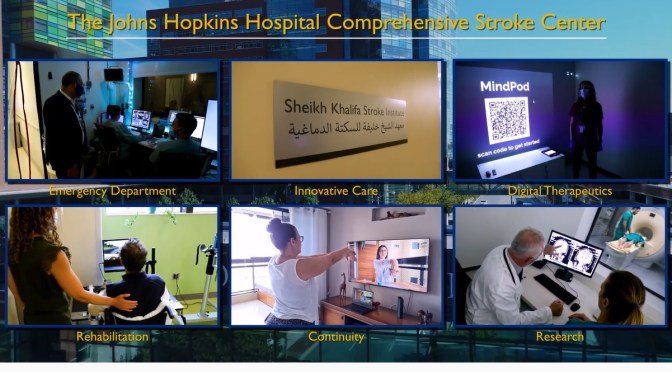
Hospital Tech: The Johns Hopkins Stroke Center
The mantra of The Johns Hopkins Hospital’s Comprehensive Stroke Center is “time is brain.” Innovations and teamwork help ensure that this mantra applies to all stages of stroke recovery. Take a peek into the multifaceted treatment strategies offered by the center’s team of experts.
These include stroke risk screenings, hyperacute emergency treatments, innovative hospital care such as digital therapeutics, early rehabilitation, programs to ensure smooth transitions to home, and cutting-edge clinical research. The Stroke Center team is on a mission to improve the life of every patient who has had a stroke. #Stroke #JohnsHopkins
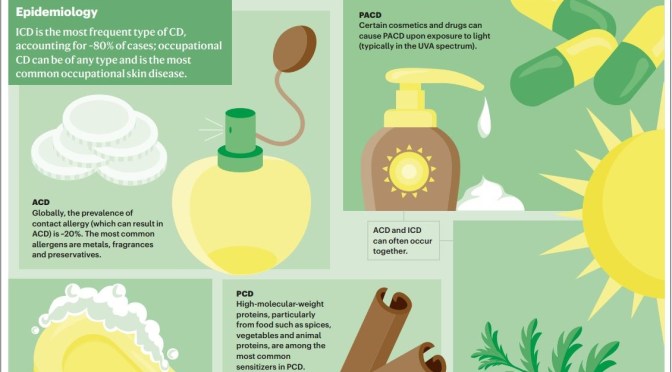
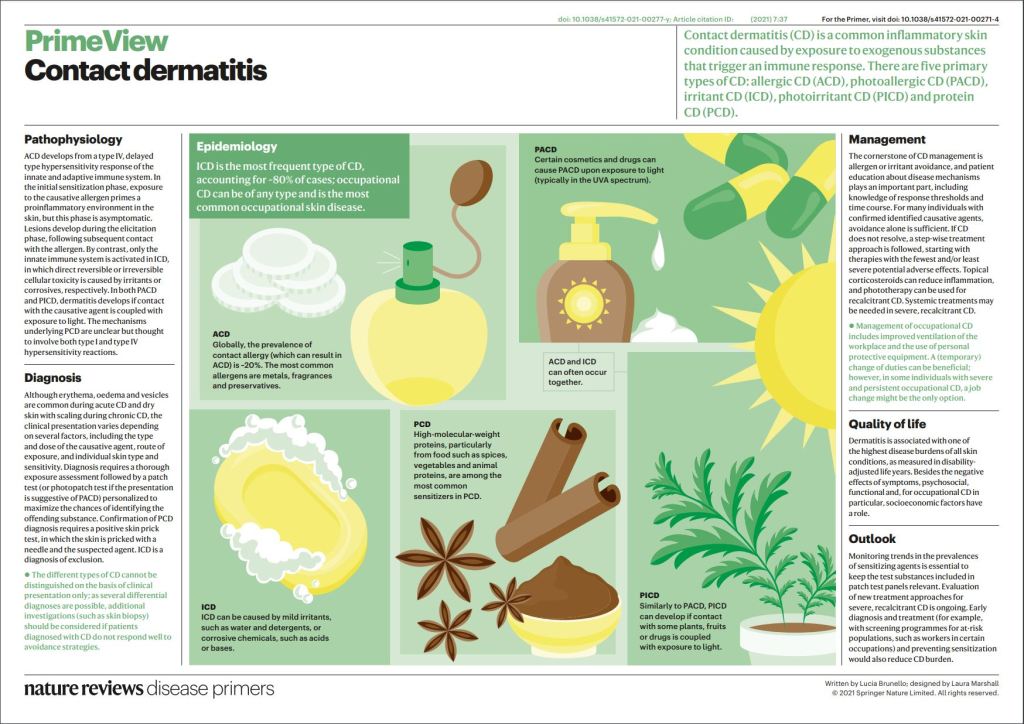
Infographic: What Is Contact Dermatitis?
Contact dermatitis happens when the skin becomes irritated or inflamed after coming in contact with a substance that triggers an allergic reaction. It bears some of the same symptoms as the six other types of eczema. But unlike atopic dermatitis — the most common and difficult-to-treat form of eczema — it doesn’t run in families and isn’t linked to other allergic conditions such as hay fever or asthma.
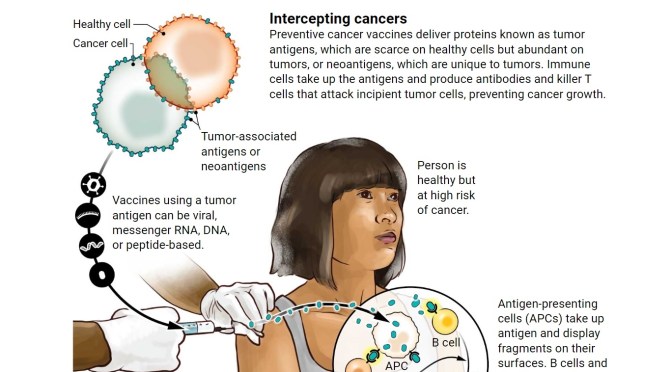
Medical Trials: Cancer-Preventing Vaccines
The idea is to deliver into the body bits of proteins, or antigens, from cancer cells to stimulate the immune system to attack any incipient tumors. The concept isn’t new, and it has faced skepticism. A decade ago, a Nature editorial dismissed a prominent breast cancer advocacy group’s goal of developing a preventive vaccine by 2020 as “misguided,” in part because of the genetic complexity of tumors. The editorial called the goal an “objective that science cannot yet deliver.” But now, a few teams—including one funded by the same advocacy group, the National Breast Cancer Coalition (NBCC)—are poised to test preventive vaccines, in some cases in healthy people at high genetic risk for breast and other cancers.
 Doctors Without Waiting Rooms