The Respiratory Syncytial Virus (RSV) Surge In 2022

Physicians are reporting high numbers of respiratory illnesses like RSV and the flu earlier than the typical winter peak. WSJ’s Brianna Abbott explains what the early surge means for the coming winter months.

Respiratory syncytial virus (RSV) causes infections of the lungs and respiratory tract. It’s so common that most children have been infected with the virus by age 2. Respiratory syncytial (sin-SISH-ul) virus can also infect adults.

In adults and older, healthy children, RSV symptoms are mild and typically mimic the common cold. Self-care measures are usually all that’s needed to relieve any discomfort.

RSV can cause severe infection in some people, including babies 12 months and younger (infants), especially premature infants, older adults, people with heart and lung disease, or anyone with a weak immune system (immunocompromised).

Read more

Dr. C’s Journal: What Is Hereditary Hemorrhagic Telangiectasia (HHT)

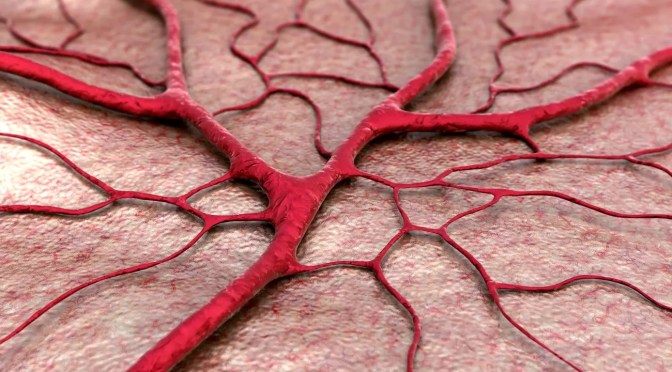
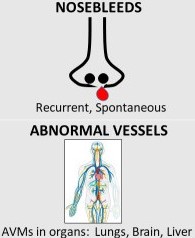
HHT is a rare hereditary condition with abnormal connections between the arteries and the veins. it’s most obvious sign is little spidery blood vessels, which increase with age, most apparently on the lips, but more importantly in the nose, where they lead to the most common problematic symptom, recurrent nosebleeds.

The abnormal connections between arteries and veins, called arteriovenous malformations, most commonly affect the nose, lungs, brain, and liver.

The AVMs in the lung can short-circuit the blood circulation and lead to shortness of breath, as can iron deficiency anemia caused by the frequent nosebleeds, and bleeding from the G.I. tract. Liver nodules, detected by imaging techniques such as CT and ultrasound, can be helpful in confirming the presence of the disease.

The AVMs in the brain can cause headaches and seizures.

The diagnosis is often delayed, unless it is known to run in the family. HHT is often called the great masquerader because of the variety of problems it can cause.

Children of proven HHT should have genetic testing, since the symptoms and telangiectasia are often not present in childhood. There are also other genetic abnormalities linked to HHT that can produce such disparate things as colonic polyps.

If I had this problem, I would invest in a device to monitor my hemoglobin level so as not to slip silently into debilitating anemia. I might also invest 15 or $20 In a fingertip oximeter. If I were short of breath, and not anemic, I might have a pulmonary AVM which bypasses the lung and produces a decrease in the Oxygen saturation.

With respect to Nose bleeds, it is important to maintain an adequate hemoglobin, preferably above 12g, using oral iron on a daily basis, and if necessary supplemented by intravenous iron. It  is also important to avoid medication and foods which cause increased bleeding. This includes the NSAIDs, fish oil, ginkgo, and St. John’s wort. News to me is the possible contribution to nosebleeds of blueberries, red wine, dark chocolate, spicy fruit and spicy foods. It may well be advisable to keep a food diary that that also records when nosebleeds occur. Perhaps you are eating something that affects coagulation that is not on the common lists. Take it with you to your doctor visit.

This is a rare condition, and should be evaluated in a medical center specialized to treat HHT.

CureHHT has some interesting information. My alma mater, UCSF, specializes in this condition.

Mayo clinic and the Cleveland clinic, as well as Wikipedia, have broader, more organized articles on HHT. A link to the former will be attached, and the latter is the most detailed.

—Dr. C.

Read more

Conditions: How Chronic Kidney Disease, Diabetes & Heart Disease Are Linked

The body is complicated! While organs in your body each have a specific job to do to keep you healthy, they still rely on each other to function well. When one organ isn’t working the way it should, it can put stress on other organs, causing them to stop working properly as well.

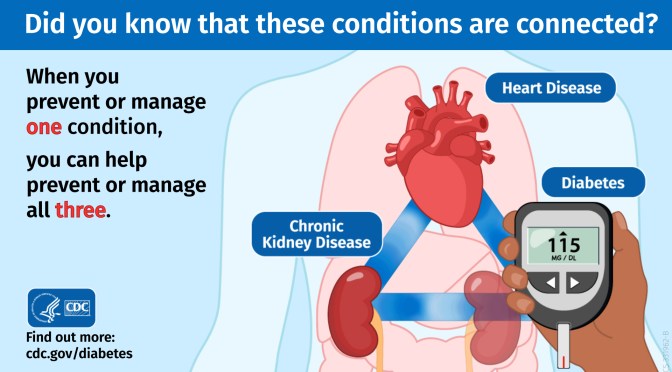
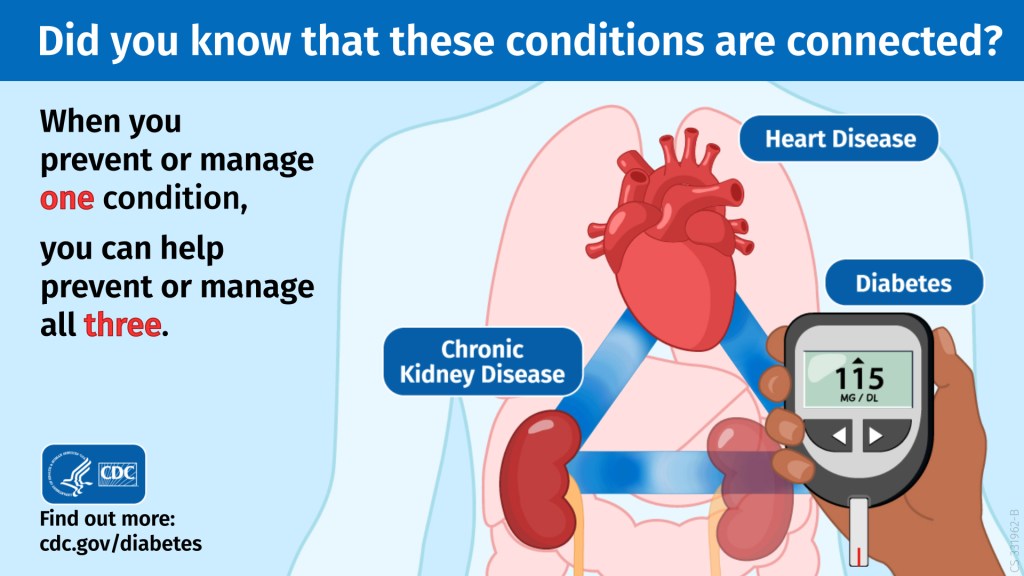
The relationship between chronic kidney disease (CKD), diabetes, and heart disease is one example of the ways our organs are connected.

The body uses a hormone called insulin to get blood sugar into the body’s cells to be used as energy. If someone has diabetes, their pancreas either doesn’t make enough insulin or can’t use the insulin it makes as well as it should.

If someone has CKD, their kidneys are not able to filter out toxins and waste from their blood as well as they should.

Heart disease refers to several types of heart conditions. The most common condition, coronary artery disease, leads to changes in blood flow to the heart, which can cause a heart attack.

Make the Connection

So how are these three conditions connected? Risk factors for each condition are similar and include high blood sugar, high blood pressure, family history, obesity, unhealthy diet, and physical inactivity.

High blood sugar can slowly damage the kidneys, and, over time, they can stop filtering blood as well as they should, leading to CKD. Approximately 1 in 3 adults with diabetes has CKD.

When the kidneys don’t work well, more stress is put on the heart. When someone has CKD, their heart needs to pump harder to get blood to the kidneys. This can lead to heart disease, the leading cause of death in the United States. Change in blood pressure is also a CKD complication that can lead to heart disease.

Luckily, preventing or managing one condition can help you prevent and manage the others and lower the risk for more complications.

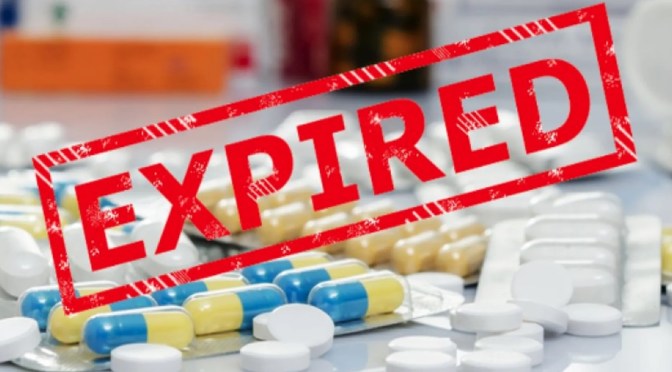
Dr. C’s Journal: Expired Medications – What To Do

Not too long ago, US government required pharmaceutical manufacturers to place an expiration date on their medications. The drug manufacturers embraced this requirement, since it added to their bottom line.

There are three cogent questions that should be asked:

  1. Can outdated medications cause direct harm?
  2. Do medications become ineffective after their expiration date?
  3. How do you dispose of unwanted medication?

Most sites mention only two medications that can become dangerous as they age, tetracycline, and diclofenac. Neither finding is for certain, but its best not to take these medication‘s if outdated.

Everything degrades with time, and medications are no exception. Those that are compressed into tablets and kept in the dark and dry tend retain potency longer than those in liquid form. Certain medications, such as nitroglycerin and epinephrine are quite prone to oxidation; epiPen, In ready-to-inject needles, in particular should be fresh; Biologics in general should be current. Drugs that are exposed to water, warm or humid conditions, or that are crumbly or have an odor should obviously be discarded. Liquid medication’s of all types, such as eyedrops, should be carefully stored and within their expiration date. One of my eye medications, latanoprost, requires refrigeration, a sure sign of instability.

That being said, the US Army found that 90% of 100 medication‘s were still effective 5 to 20 years after their expiration date. Another study found that some retain their efficacy even after 10 to 40 years.

Another factor to consider is the danger of the disease that is being treated. If you have such things as heart disease, or a severe infection, You should exert greater care.

If you plan to get rid of medication, look around for an organization willing to accept them; Developing countries are looking for such medication.

Avoid flushing medication down the toilet, since it may enter the environment and  be harmful to the ecosystem. Ideally it should be packaged in a container that is difficult to get into, so that children and other individuals may not have access; almost all medications are dangerous if taken in large amounts.

A lot of information is available on the Internet, with a variable amount of suggested precautions, depending upon the site.

I am a physician, and have taken many outdated medications In a pinch, but if I plan taking them for an extended time I usually get a new prescription.

—Dr. C.

Dr. C’s Journal: 2022-23 Respiratory Infections

You should get your flu shot this year. Not only has he influenza Genie been kept in its bottle by Covid precautions, and overdue for a bad year, but the H3N2 serotype circulating around is a good match for today’s vaccine; you may have been disappointed by the lack of protection in the past, due to the vaccine poorly matching the prevalent infecting serotype, caused by the rapid change of the virus and slow changes in the vaccine.

With RSV already making a comeback, influenza likely to be bad, and Covid likely a big problem also, You would be well advised to start going back to your masks, keeping your distance, avoiding large groups, and making sure your inside exposures are well ventilated, not to mention getting the most recent covalent Covid shot, which contains BA.1 and BA.2.

The common cold with running nose, sneezing, and nasal congestion, is usually caused by rhinoviruses, of which there are several hundred serotypes, although can be caused by any of the respiratory viruses. Whenever I traveled, I often came back with a cold because my immunity at home was based on the common rhinoviruses at home, and when I traveled, I encountered different types, to which I was not immune. Many other viral types can also cause the common cold including influenza, para influenza, and even coronavirus. In asthmatic children, the rhinovirus also produces an asthmatic response, often severe.

Croup in children is often produced by parainfluenza type one virus.

Bronchiolitis in children is usually caused by RSV. There is currently no vaccine for RSV.

Influenza, the “flu”,  starts out with chills and fever, often settles into the lung. The influenza virus is usually the initiating culprit, but bacterial infection often follows. Coronavirus infection may start as “the flu” with the respiratory symptoms, such as runny nose, sore throat, and cough following.

Pneumonia is often produced by coronavirus, Especially the early strains. The more recent epidemic strains such as BA .1, Seem to have traded increased transmissibility for less lung affinity.

Avian influenza, H5N1 Is highly lethal with pneumonia, but you catch it from birds rather than people at the present time. Watch out if it ever starts spreading from human to human.

Most respiratory infections begin as a viral infection, which are not affected by antibiotics. Bacterial complications, such as  otitis media, sinusitis, and pneumonia may follow, facilitated by the viruses, which lower immune resistance.

There are a number of antiviral agents, especially for coronavirus and Influenza. RSV may have effective treatments, which are needed particularly in babies.

–Dr. C

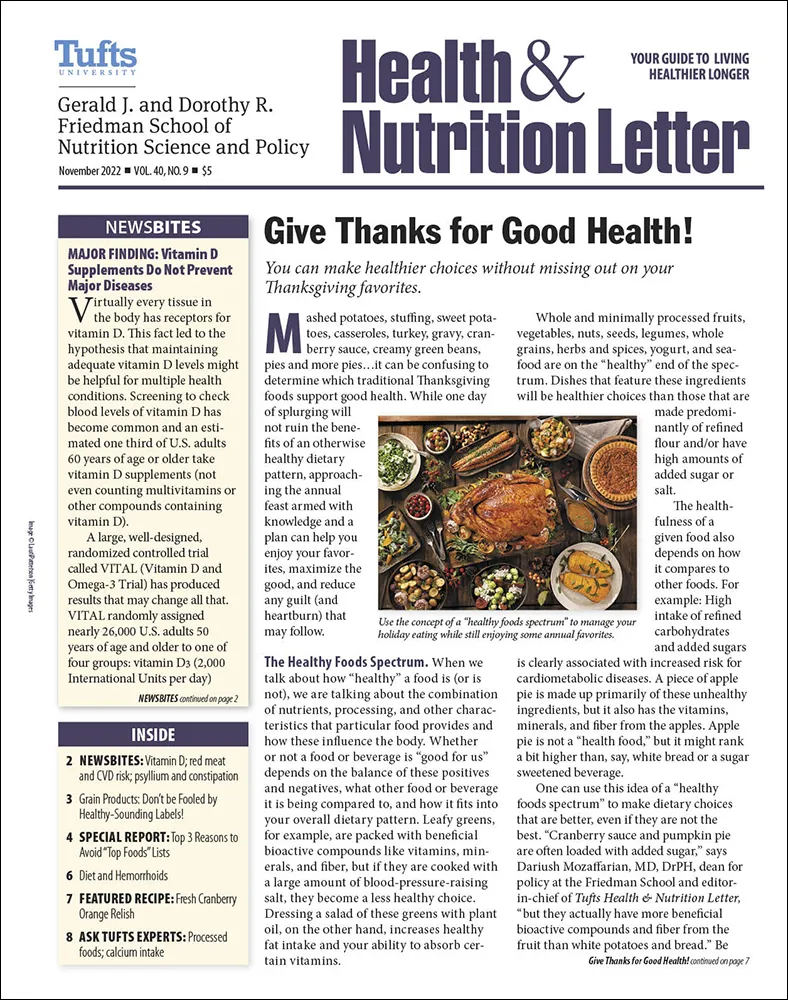
Reports: Tufts Health & Nutrition, November 2022

Cover Image

Inside the Tufts Health & Nutrition Letter – November 2022:

  • Give Thanks for Good Health
  • Newsbites: Vitamin D; red meat and CVD risk; psyllium and constipation
  • Grain Products: Don’t be Fooled by Healthy-Sounding Labels!
  • Special Report: Top 3 Reasons to Avoid “Top Foods” Lists
  • Diet and Hemorrhoids
  • Featured Recipe: Fresh Cranberry Orange Relish
  • Ask Tufts Experts: Processed foods; calcium intake

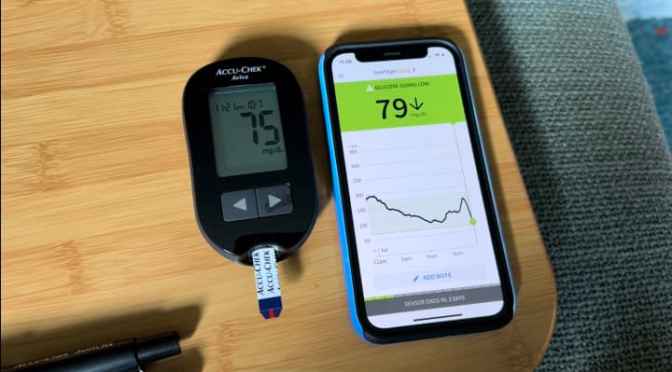
New Diabetes Technology: Abbott’s Freestyle Libre 3 Glucose Monitor Review

Abbott Laboratories newest continuous glucose monitor is now available at participating retail pharmacies and through durable medical equipment suppliers. The Freestyle Libre 3 was approved by the FDA in June and is a step up from previous Abbott systems.

Abbott Laboratories and Dexcom are the leaders in the CGM market, which hit $5.1 billion in revenue in 2021 and is expected to reach $13.2 billion by 2028, according to Vantage Market Research. Abbott’s CGM systems, called FreeStyle Libre, generated $3.7 billion in revenue last year, with 4 million users globally.

CNBC’s Erin Black, a type 1 diabetic, tested out the Libre 3 for over a month. Here is her review.

Supplements: Melatonin For Sleep Is Non-Addictive

Melatonin is a hormone that is naturally made by your brain in response to darkness,” says sleep specialist Marri Horvat, MD. “When someone takes melatonin, they are either trying to increase the amount of this hormone overall or increase the amount they have in their body at a certain time to help them fall asleep.”

While there are some possible setbacks to taking melatonin (depending on how your body reacts), it isn’t addictive. Turns out, even if you depend on melatonin to make you fall asleep, it won’t cause your body to become dependent on it.

“As we age, we have a natural decrease in the amount of melatonin we produce, so supplementation can often be helpful,” Dr. Horvat explains.

Read more at Cleveland Clinic

Empowering Patients Through Education And Telemedicine