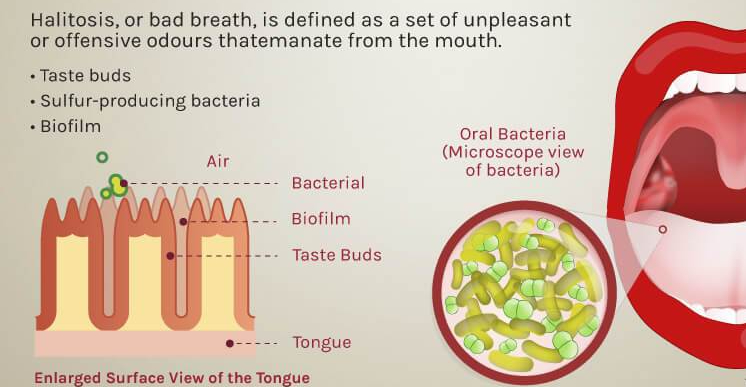
Bad breath is a big social deal, and is unpleasant to be around. You are always conflicted when near a person with Halitosis; you are tempted to tell him for his own good, but are embarrassed to do so.
“Mask Breath” is the most recent reincarnation of bad breath. Supposedly the mask itself does not have an odor, but merely makes the person aware of the bad breath he has had all along. Bad breath is not only a direct problem for the person who has it, but often betrays important medical conditions which need attention.
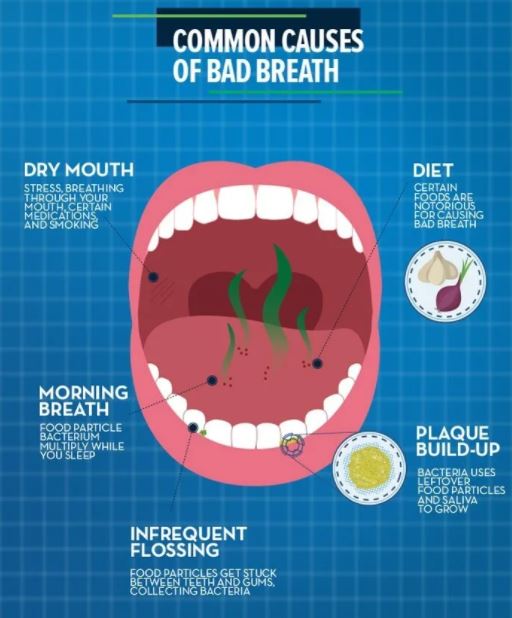
Several oral conditions can cause halitosis. The most common is poor oral hygiene. Lack of regular brushing and flossing leads to accumulation of food particles between the teeth, in the gum lines, and even under crowns. This food provides lunch for the oral bacteria, releasing malodorous compounds. This can be expensive. Have you priced restorations and implants recently?
The sneakier result of poor oral hygiene is gingivitis, or gum disease. This leads to inflammation, and is a major contributor to the inflammatory load resulting in Metabolic syndrome with its widespread effects on the brain, kidneys, and heart. And in addition, you may eventually lose your teeth. Tonsils can become inflamed and malodorous, and the associated adenoids may enlarge, leading to mouth breathing, dry mouth, and you guessed it, Bad Breath.
GERD is often associated with Bad Breath. The reflux of stomach contents will often leave behind a bad taste as well as bad breath. Certain metabolic conditions can give bad breath. Ketosis from diabetes, mousy breath from liver failure, and the “Fish odor syndrome”, Trimethylaminuria, can be causes.
So drink lots of water, and don’t forget to brush your teeth and floss regularly. You might benefit from a medical or dental evaluation if your bad breath doesn’t go away.
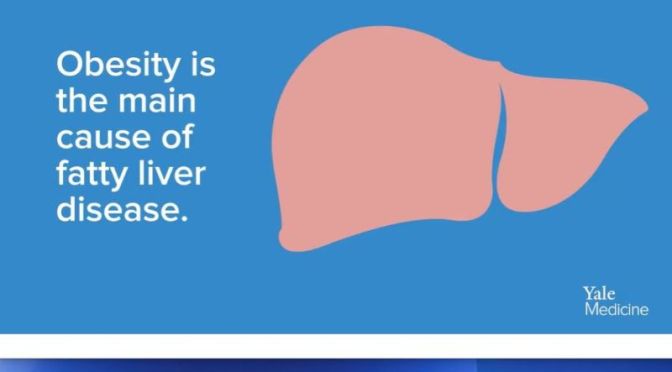
Fatty liver disease is an increasingly common condition that currently affects a third of the population. The most common cause of the disease is obesity. Extra fat in your body from weight gain accumulates in your liver, causing it to swell. Eventually, the cells in your liver will be so overburdened that they die. New cells grow to replace them, but those cells also contain fat. As liver cells continue to die off and regrow rapidly, it causes scarring of the tissue surrounding the organ.
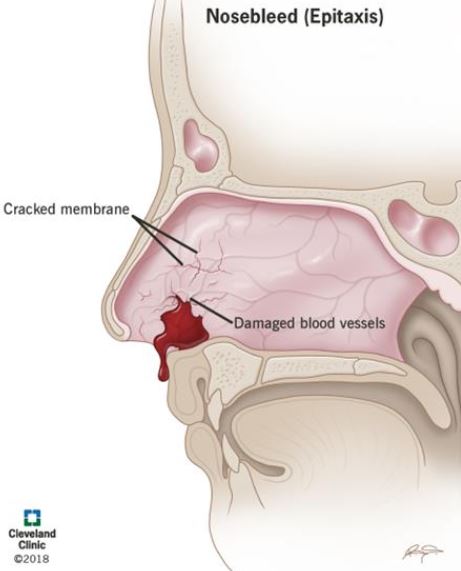
Nosebleeds afflict almost everybody at one time or another. The nose is well supplied with blood vessels, and sticks out from the face, often into other people’s business. Fistfights and falls will often cause nosebleeds in children. Kids will often pick their noses.
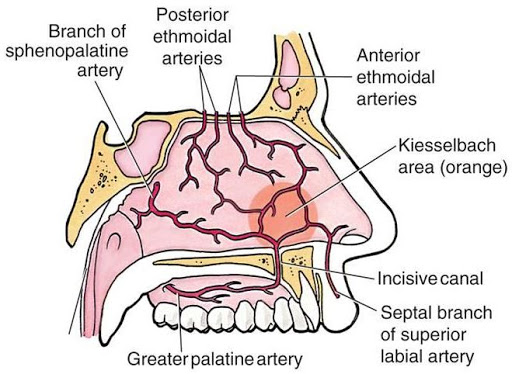
Dry air and allergies make the nose bleed more often. Sometimes, nosebleeds just happen. The bleeding usually comes from the front of the septum, the cartilaginous divider of the nose, and the best way to stop the bleeding is to lean forward and pinch the nostrils together.
This most likely compresses the bleeding area, and if held for 5 minutes or so will usually stop the bleeding. Sometimes, even after repeating this several times, and even putting ice on the bridge of the nose, the bleeding won’t stop, you may need to seek help. If the bleeding is voluminous it may originate from larger vessels at the back of the nose, and an ENT Doctor may be needed to put in a “posterior pack” of gauze.
Infrequent nosebleeds from identifiable causes are not too disturbing, but if they become CHRONIC and unexplained, a visit to the doctor and further investigation may be needed.
High blood pressure can be a cause of regular nosebleeds. High altitudes and the accompanying dry air can be a contributory cause. Cocaine use may irritate the nose and cause “Kiesselbach’s plexus” on the anterior nasal septum to bleed.
If you bleed a lot from your nose, especially if you have trouble with clotting from cuts or periods, you may have a coagulation problem, of which there are several, such as Von Willebrands disease.
Blood thinners are commonly used these days, and the dosage may need adjusting. For more information, please consult the accompanying article on “epistaxis” by the Cleveland Clinic, which usually has good articles on medical problems.
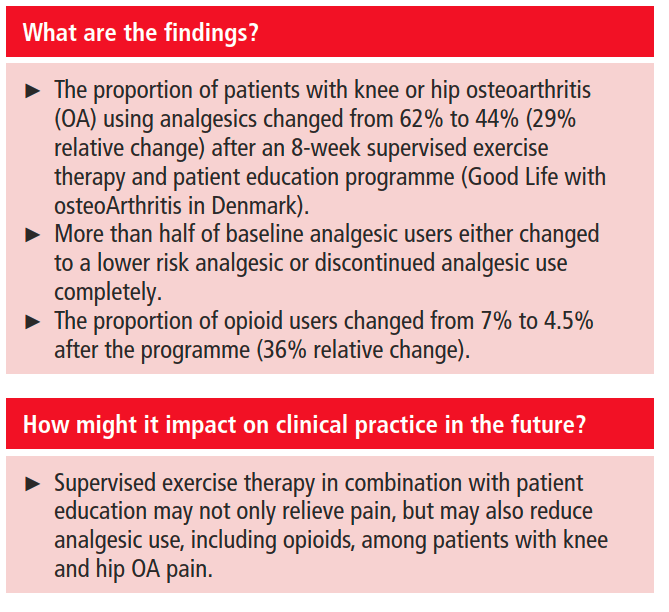
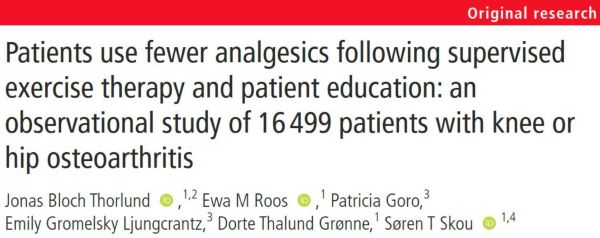
Conclusion Among patients with knee or hip OA using analgesics, more than half either discontinued analgesic use or shifted to lower risk analgesics following an 8-week structured exercise therapy and patient education programme (GLA:D). These data encourage randomised controlled trial evaluation of whether supervised exercise therapy, combined with patient education, can reduce analgesic use, including opioids, among patients with knee and hip OA pain.
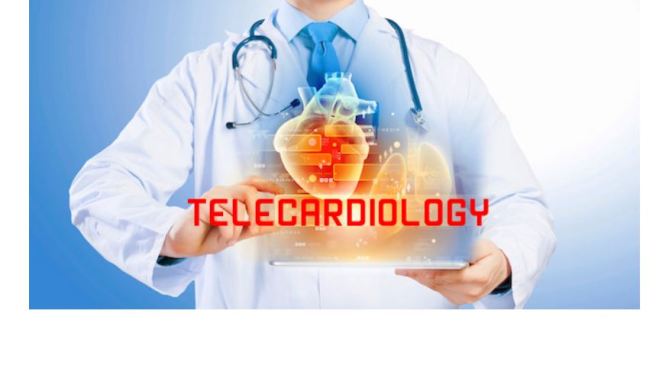
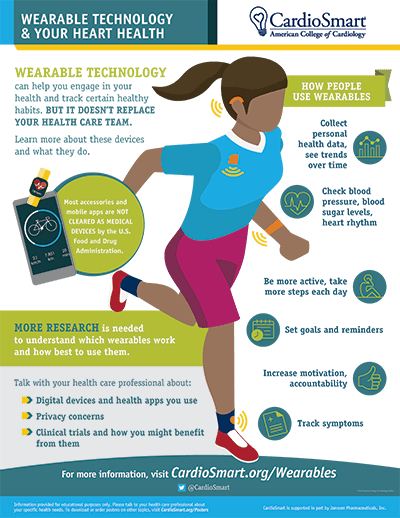
In the future, remote monitoring of health data using wireless–enabled devices that measure a person’s weight, blood pressure, blood sugar, pulse, and heart rhythm could further advance telehealth’s promise.
“I imagine a world where we are continuously monitoring key health factors and using artificial intelligence to monitor those signals,” says Dr. Schwamm.
From a patient’s perspective, virtual visits save a lot of time. You don’t need to take time off work or other commitments to drive, park, and sit in a waiting room before your visit. And even though you’re not in the same room, you may actually get more direct eye contact with your physician, thanks to the face-to-face nature of video calling.
Another advantage: you may be able to have another person — such as a family member who lives across town or across the country — join the video call. That could be especially helpful if you’re facing an upcoming procedure or discussing a serious health concern. Just as with in-person visits, it’s nice to have another person listening, asking questions, and taking notes.
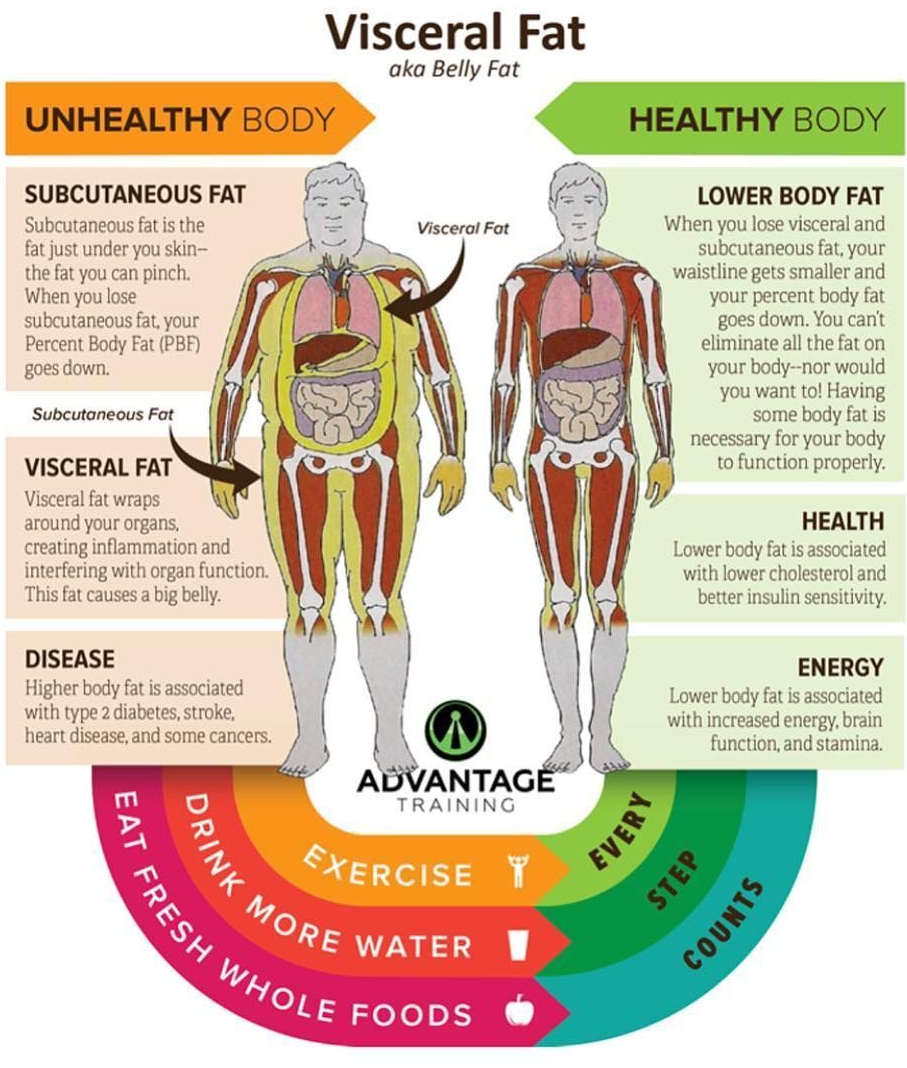
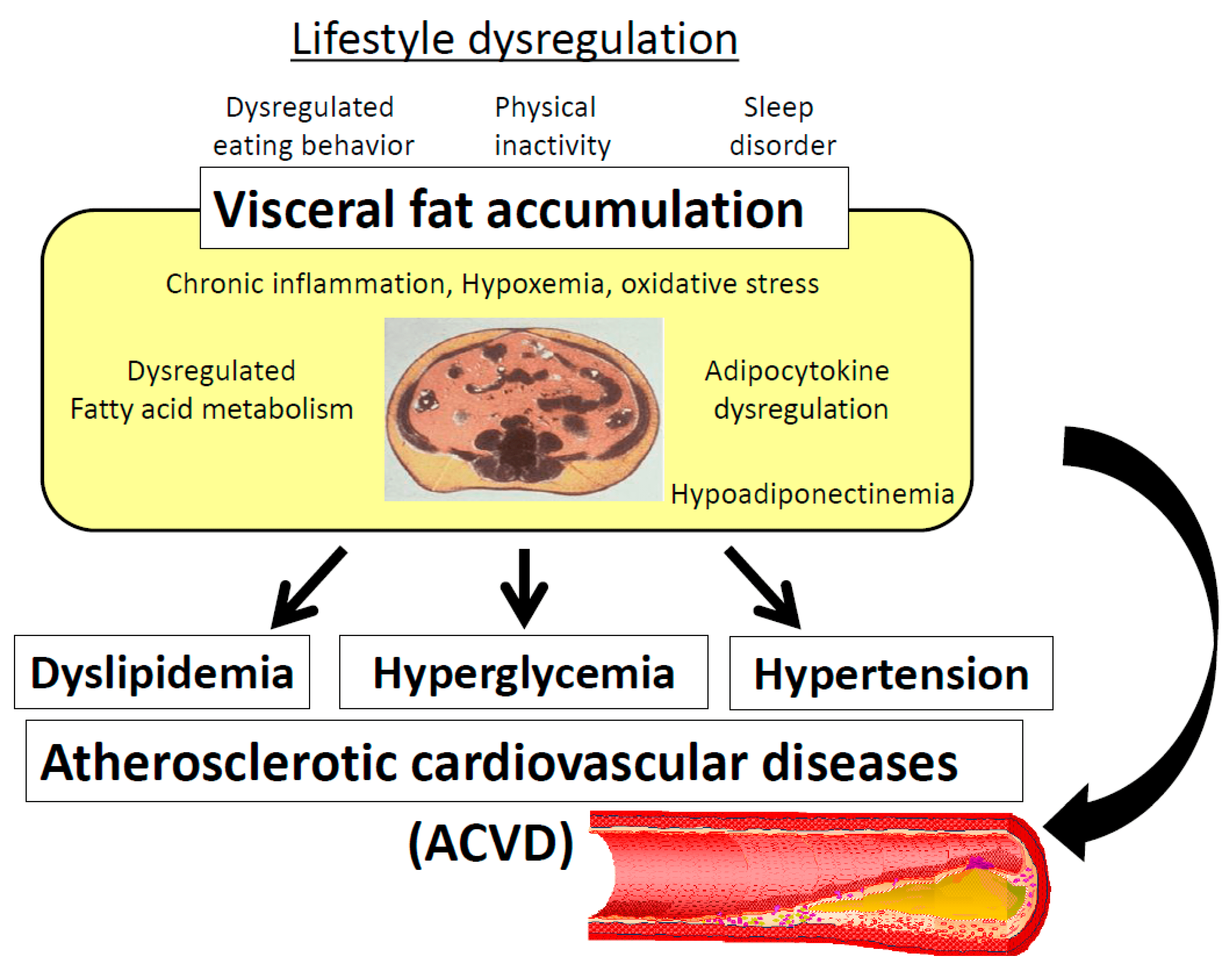
ABDOMINAL (VISCERAL) FAT KILLS. The following post tells you how, and suggests what you might do to prevent this scourge, which is gradually becoming an epidemic in America.
OBESITY is an energy imbalance problem. MORE CALORIES ARE CONSUMED THAN ARE NEEDED AND CAN BE UTILIZED. A Good quality Diet, with lots of natural (rather than processed) foods, especially vegetables and fruits, have lots of FIBER that takes up space and makes you feel full.
Fiber also feeds the MICROBIOME. If the foods are DIVERSE, the microbiome will also be diverse and help utilize the calories you eat. A healthy Microbiome also contributes to your health by manufacturing neurotransmitters, vitamins, and other factors that are just starting to be appreciated. Diet QUALITY, as well as quantity, is important.
EXERCISE is critical for more than utilizing calories. It increases ADIPONECTIN which guides fat to fat stores where they belong, rather than to the liver, and IRISIN which favors the production of BROWN FAT, thus utilizing energy. The opposite of exercise, the SEDENTARY LIFESTYLE, is now considered a disease system in itself.
Lack of SLEEP favors obesity in a number of ways; at the very least, you can’t eat while asleep. Abdominal fat contains INFLAMMATORY cells which go directly to the Liver via the hepatic portal system to cause metabolic disruption. Insulin sensitivity falls, blood sugar, LDL and triglycerides rise. DIABETES and the METABOLIC SYNDROME result.
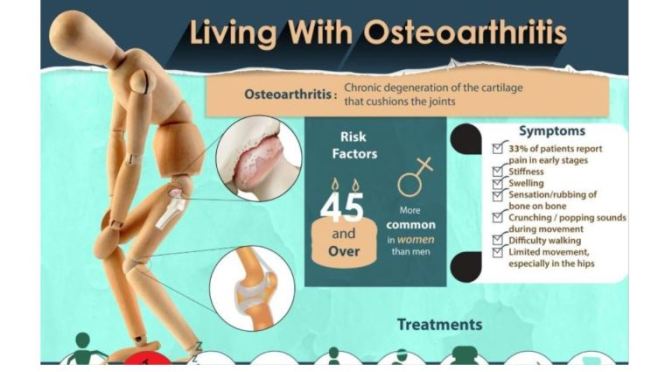
The excessive weight also causes back, hip and knee problems which contribute to the 10% increase in overall medical costs due to Obesity.
We have no photographs, abdominal, navel-level girth measurements, CTs, BMIs or death certificates to prove it, but it is highly unlikely that Paleolithic Humans suffered from excessive abdominal fat. They had no refrigerators, deliciously packaged snacks, sugary, fructose-containing soft drinks and candy, nor did they have cave-lighting to extend their daylight eating hours and disrupt their diurnal rhythm.
They had to walk or run long distances to obtain their meagre food supplies, which tired them out so that they most likely had a good night’s sleep. SLEEP, DIET and EXERCISE are built into our Metabolism by Darwinian Evolution. Paleolithic humans didn’t live long lives and succumb to cancer and heart disease.
They died most often by violence, which made Blood clotting a survival benefit, rather than the Risk factor for stroke and heart attacks that coagulation is to us now. It is not all our fault that OBESITY is steadily increasing over the last few decades.
CAPITALISM is driven to provide us with ever increasingly available and tasty food. Both consumers and purveyors scream when even the most logical political check on OVEREATING is legislated: Taxing of sugary, fructose-containing, nutritionless soft drinks was tried in Philadelphia to a chorus of complaints. To my knowledge the tax has survived, reduced sugary drink consumption, and was helpful in reducing the weight of Philadelphia residents. Not many cities were brave enough to follow suit.
GENETIC Influences can also conspire against weight control. The FTO gene, while relatively infrequent does have an influence, as shown in twin studies. And there seems to be a SET POINT in weight that makes it difficult to take off the pounds and keep them off. 2 years after almost all diets, the weight has returned. Eating HABITS, once established are hard to change.
BARIATRIC SURGERY has been shown to help Obesity, as well as Metabolic syndrome and Diabetes .I hope it will survive the test of time. Weight gain is easier to PREVENT than it is to treat. Somehow, society must get to the children, and keep them from gaining weight in the first place. Even children are now becoming obese.
INTERMITTENT FASTING can help contain Obesity. My own version is TIME-RESTRICTED EATING. I limit my eating to 6 hours a day, from Noon (usually 1PM) until 6PM. This has resulted in a modest weight loss from 142 pounds to 137 pounds. My son lost some 30 pounds in a 30 day, 1000 calorie “crash” diet to fend off advised Back Surgery. He exercised a lot of SELF CONTROL both to lose the weight, and to keep it off.
Unfortunately, Self Control is in short supply in our present SOCIETY OF EXCESS. Good luck in your quest, if you choose to embark on weight reduction. And good luck with your health if you don’t. I recommend “the secret life of fat” by Sylvia Tara in either case. Also, search for intermittent fasting in DWWR.
Water, the miracle molecule, proteins and fats are the very essence of life. Water does not dissolve fat, allowing for the cell membranes, and the compartmentalization of metabolic activity that allows life to happen.
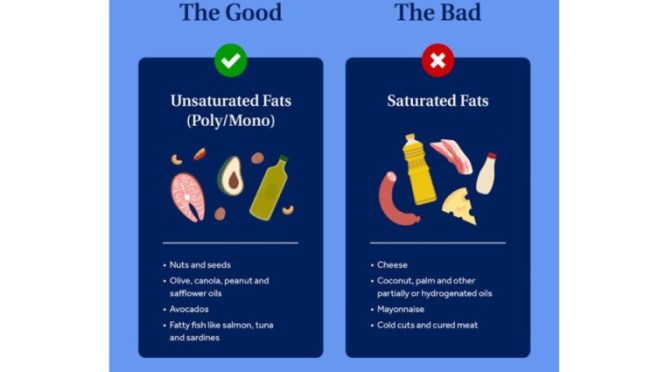
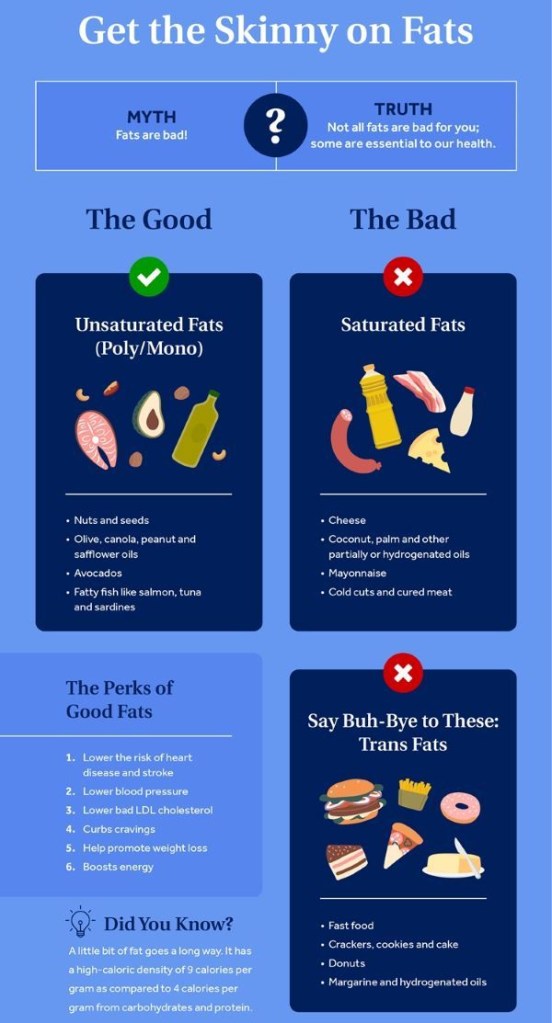
FAT IS ESSENTIAL TO LIFE. Alas, all fats are not equally beneficial to nutrition, as the article stresses. Trans-fats, partially hydrogenated fatty acids produced mainly by industry, are the worst, acting to stimulate cholesterol synthesis, produce inflammation and damage the endoplasmic reticulum.
Their use has been banned in most countries. Saturated fat has been widely condemned, is not as good as the mono- and polyunsaturated fats, but not as bad as trans-fats. Some of life’s most delicious foods, such as cheeses, contain saturated fats, but it is best to keep down their consumption.
Remember that the first bite of something savory tastes the best; prevent habit from shoveling it down. Unsaturated fats are found in oily fish, which should be part of your diet.
Vegetables such as nuts, seeds, olives, and avocados are sources of “good fat” and should comprise 10-15% of your calories. Fats, compared to carbohydrates, contribute almost twice as many calories to your diet on a weight basis, and it’s easy to get carried away.
Total calories must be kept under control. STAY HEALTHY!
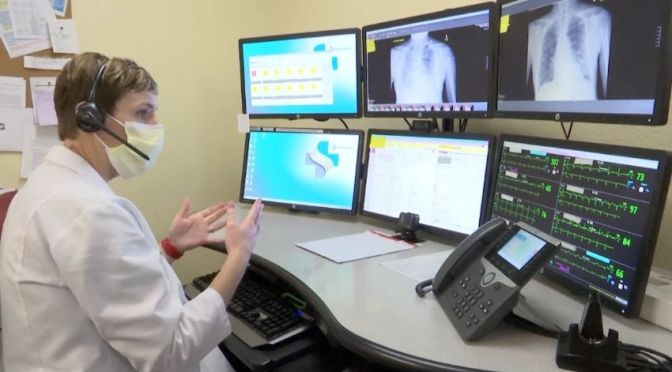
A growing number of hospitals are relying on remote ICUs to monitor and evaluate patients virtually, which helps to cope with an unrelenting COVID-19 caseload.
Empowering Patients Through Education And Telemedicine




 Doctors Without Waiting Rooms