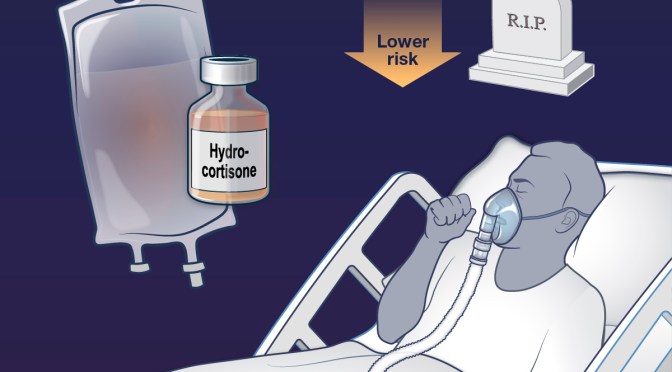

CONCLUSIONS
Among patients with severe community-acquired pneumonia being treated in the ICU, those who received hydrocortisone had a lower risk of death by day 28 than those who received placebo.

Among patients with severe community-acquired pneumonia being treated in the ICU, those who received hydrocortisone had a lower risk of death by day 28 than those who received placebo.
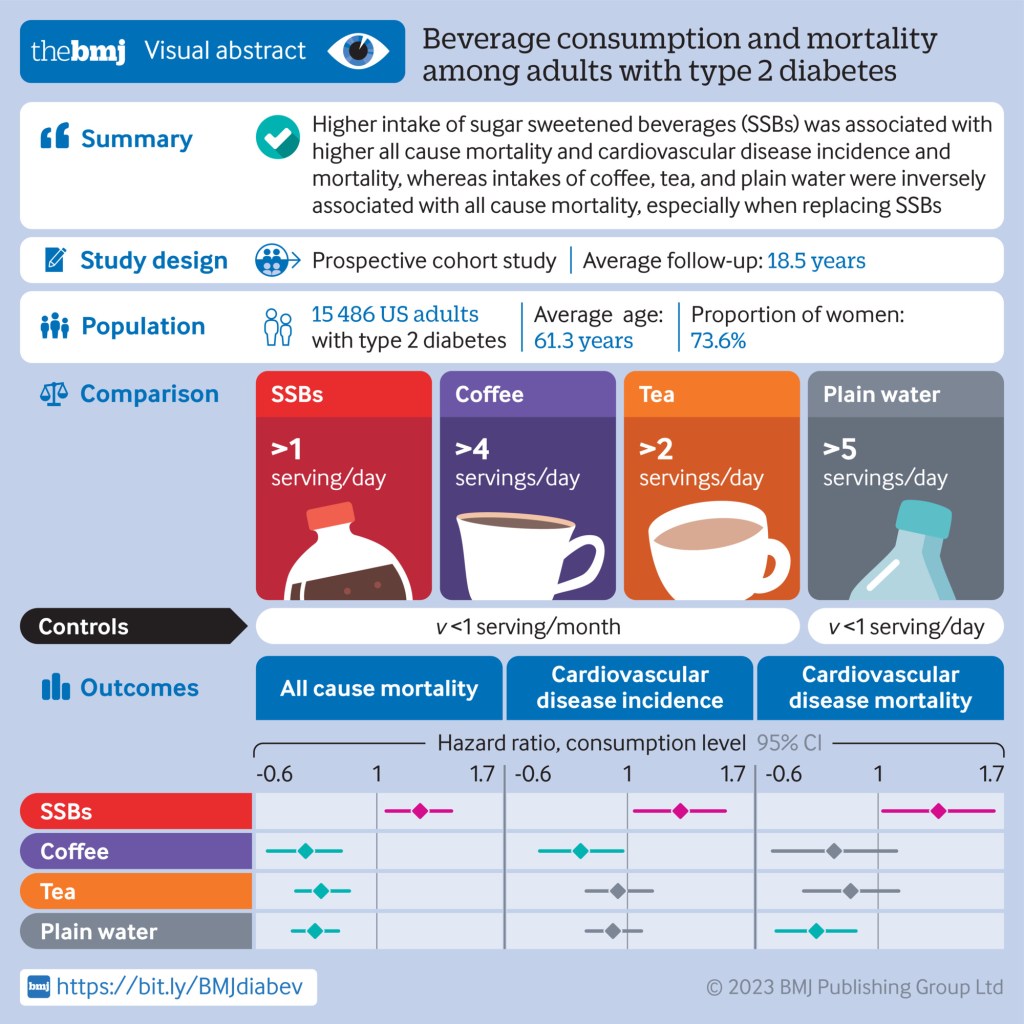

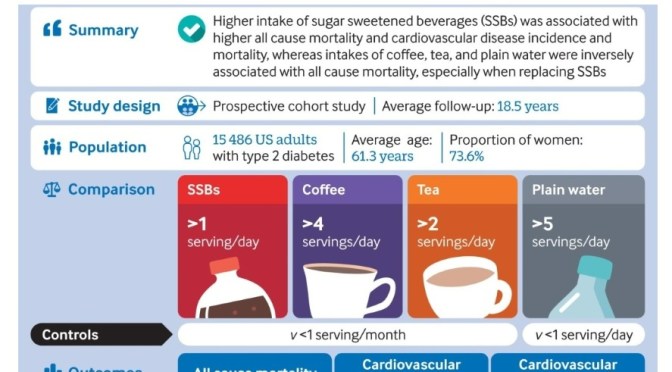
Conclusions: Individual beverages showed divergent associations with all cause mortality and CVD outcomes among adults with type 2 diabetes. Higher intake of SSBs was associated with higher all cause mortality and CVD incidence and mortality, whereas intakes of coffee, tea, plain water, and low fat milk were inversely associated with all cause mortality. These findings emphasize the potential role of healthy choices of beverages in managing the risk of CVD and premature death overall in adults with type 2 diabetes.

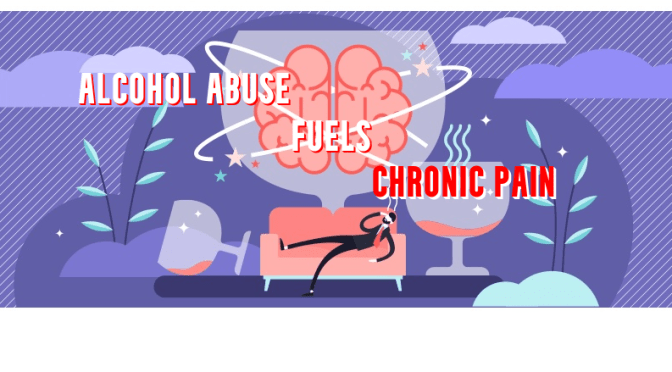
The research, published in the British Journal of Pharmacology on April 12, 2023, also suggests potential new drug targets for treating alcohol-associated chronic pain and hypersensitivity.

“There is an urgent need to better understand the two-way street between chronic pain and alcohol dependence,” says senior author Marisa Roberto, PhD, the Schimmel Family Chair of Molecular Medicine, and a professor of neuroscience at Scripps Research. “Pain is both a widespread symptom in patients suffering from alcohol dependence, as well as a reason why people are driven to drink again.”
Alcohol use disorder (AUD), which encompasses the conditions commonly called alcohol abuse, alcohol dependence and alcohol addiction, affects 29.5 million people in the U.S. according to the 2021 National Survey on Drug Use and Health. Over time, AUD can trigger the development of numerous chronic diseases, including heart disease, stroke, liver disease and some cancers.
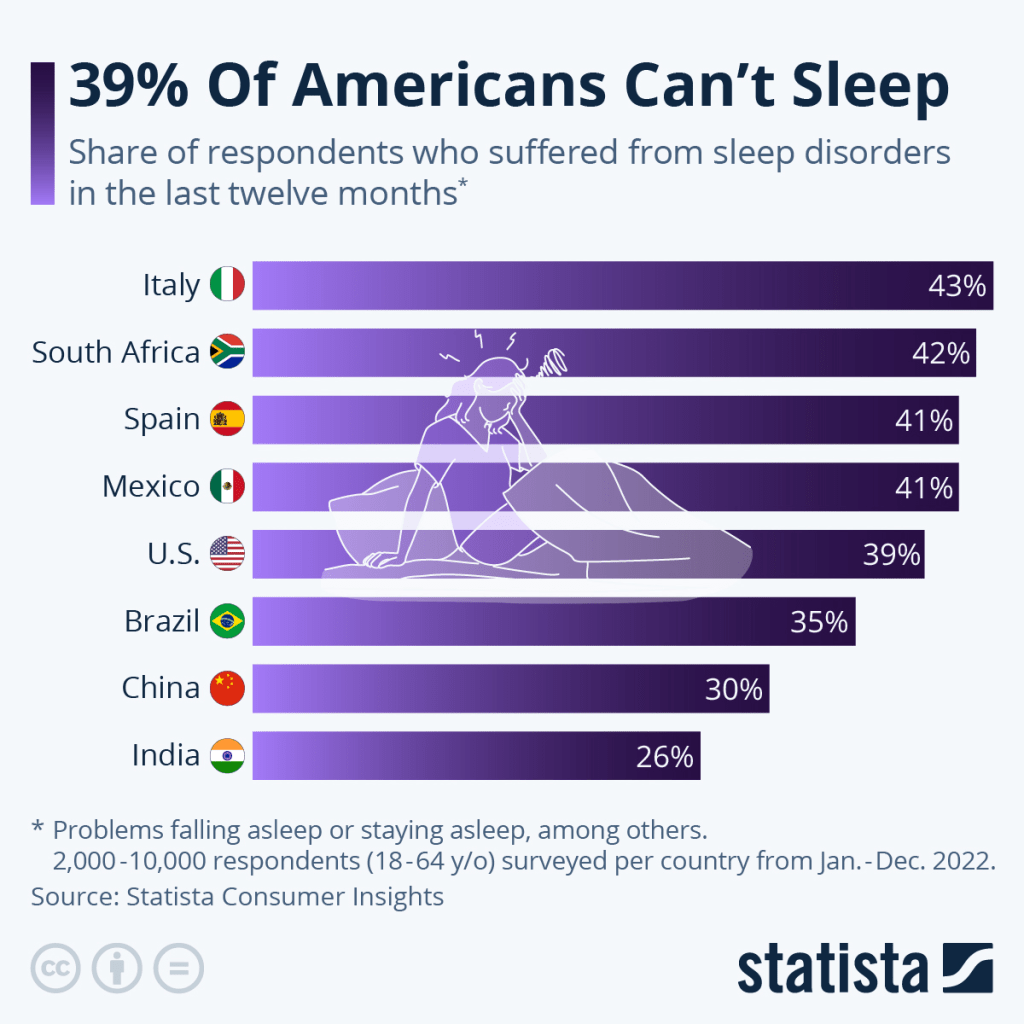
This Friday, March 17, is World Sleep Day, an annual event that aims to raise awareness of the importance of getting a good night’s sleep. This year’s campaign tagline is “Sleep is essential for health.” According to a study by the American College of Cardiology, up to 8 percent of deaths from any cause could be attributed to “poor sleep patterns”, while those with healthier sleep habits are less likely to die prematurely.
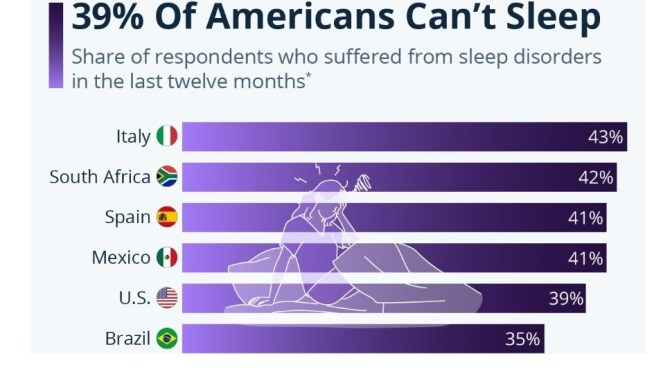
Data from Statista Consumer Insights shows that in the United States, 39 percent of respondents said they had suffered from a sleep disorder (problems falling asleep or staying asleep, insomnia, etc.) in the 12 months prior to the survey. Italians were among the worst sleepers in the survey at 48 percent reporting a sleep disorder, while India registered a higher share of good sleepers, with only 26 percent suffering from poor sleep.

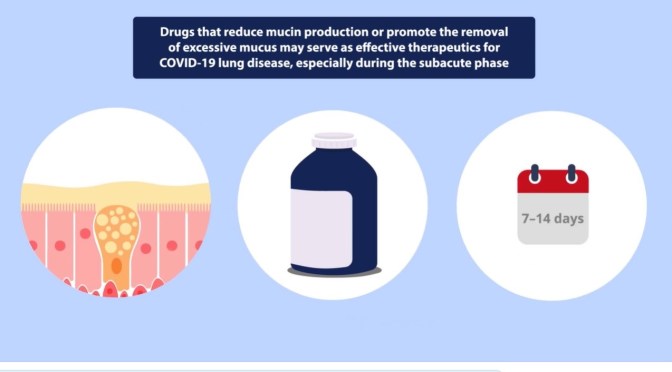
The study investigated airway mucus and mucins in COVID-19 autopsy lungs and showed that both were elevated due to infection, especially during subacute and chronic stages of the disease.
Read more here: https://www.atsjournals.org/doi/10.11…
Research on sleep disorders and the importance of regular shut-eye has deepened our understanding of the link between sleep and brain health.

Overall, there are more than 80 sleep disorders, ranging from the mildly annoying to the potentially deadly. The best known is probably insomnia; about 10 percent of the general population has chronic insomnia, an inability to fall asleep for multiple nights over a period of months.
Addressing sleep disorders “is paramount to not only protecting the brain down the road but also on a day-to-day basis,” says Daniel Barone, MD, associate medical director of the Weill Cornell Center for Sleep Medicine in New York City and co-author of The Story of Sleep: From A to Zzz (Rowman & Littlefied, 2023). “One of the best ways to take care of our brains is by getting quality sleep.”
Research on sleep disorders has led to improvements in treatment for a variety of sleep and neurologic conditions. Case in point: Studies in the late 1990s on the causes of narcolepsy with cataplexy—the condition Connor was initially diagnosed with—led to the development of dual orexin receptor agonists, drugs now commonly prescribed to treat insomnia. The researchers discovered that people with narcolepsy with cataplexy often had low levels of hypocretins (orexins), brain chemicals that sustain alertness and prevent REM from happening at the wrong time.
“Once they found out, ‘If I take away your hypocretin, it makes you sleepy,’ there was a new idea of how to make a sleeping pill,” says Rafael Pelayo, MD, clinical professor of psychiatry and behavioral sciences at Stanford University School of Medicine in California and a sleep specialist at the university’s Sleep Medicine Center.
“We found that the information we could get from PSMA scanning in patients with newly-diagnosed prostate cancer before surgery was at least as reliable and useful as other information from biopsy, PSA levels, or clinical exam for predicting how patients would do after surgery or other treatment,” says Farshad Moradi, a radiologist at Stanford who co-authored the study.

In December, scientists at Stanford University reported promising findings with a new technology that lights up prostate tumors on specialized imaging scans. The approach relies on a minimally-radioactive tracer that travels the body hunting for cancer cells.
Called 68Ga-PSMA-11, and delivered intravenously, the tracer binds exclusively with a protein called prostate- specific membrane antigen (PSMA). Prostate cancer cells contain far more of this protein on their surfaces than normal prostate cells do. Tumors flagged by 68Ga-PSMA-11 show up on an imaging scan like lit matches in a dark room. Doctors are already using PSMA scans to diagnose early metastatic cancer, and the tracer can also be used to ferry drugs directly into malignant tumors.
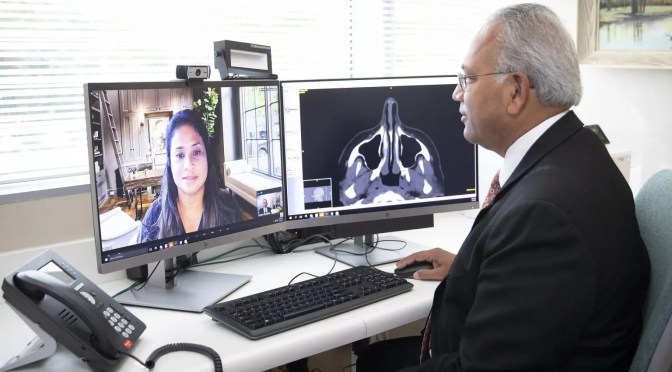
In one study published in JAMA Open Network, researchers found that 87% of the preliminary diagnoses made during telemedicine appointments were later confirmed during in-person appointments.
To put it simply: diagnoses over video are usually spot on.
December 2, 2022 – Researchers evaluated more than 97,000 video visits across Mayo Clinic between March and June 2020. Of those visits, 2,400 patients had a visit for a new health concern and followed up with an in-person appointment within 90 days.
The highest rate of matching telemedicine and in-person diagnoses was found in specialties that included psychiatry and psychology, allergy and immunology, orthopedics, and urology. While diagnostic concordance was slightly lower in specialties such as dermatology and ear, nose and throat (ENT), still, close to 80% of those diagnoses were confirmed in person.
“The data we analyzed suggested a nearly threefold reduction in revision surgery in patients who received bone marrow aspirate concentrate, compared to those who did not,” says Bradley Schoch, M.D., an orthopedic surgeon and principal investigator. “This procedure is growing in use throughout the practice of orthopedic surgery and commonly added as a surgical adjunct to rotator cuff tears.”

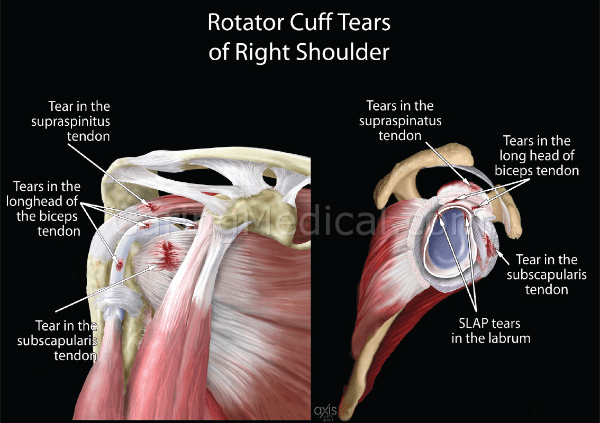
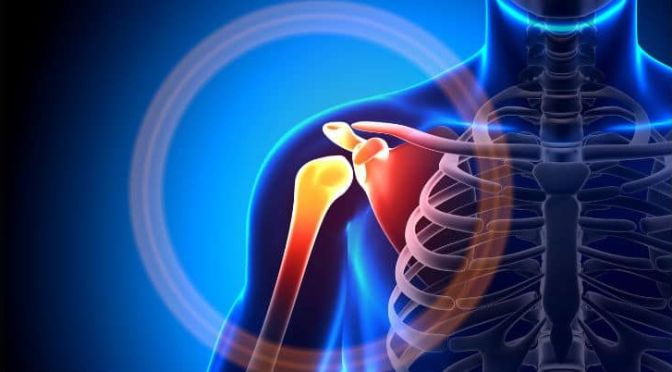
Mayo Clinic researchers analyzed the largest set of data available to determine if adding bone marrow aspirate concentrate to repaired tissue after standard rotator cuff surgery would improve outcomes for patients. Bone marrow aspirate is fluid taken from a patient’s bone marrow that contains concentrated growth factors, stem cells and other specialized cells that may regenerate tissue and cartilage.
The analysis identified 760 patients who had a regenerative intervention added to augment rotator cuff repair surgery. Those patients were compared to 3,888 patients who did not have any biologic intervention at the time of surgery. The data indicated that 114 patients who opted for bone marrow aspirate concentrate at the time of surgery were less likely to need a second surgery.
The results of the Mayo Clinic study are published in the Orthopaedic Journal of Sports Medicine.
Low vitamin D levels were linked with an increased risk of both dementia and stroke over the following 11 years. Based on this observational study, people with low vitamin D levels were found to have a 54% greater chance of developing dementia compared with people whose levels were normal.

A study published online April 22, 2022, by The American Journal of Clinical Nutrition suggests vitamin D deficiency may raise risk for dementia and stroke.
The study analyzed more than 294,000 people (most of them women over 60) living in the United Kingdom. Using blood tests on all participants and neuroimaging tools on about 34,000, researchers looked for associations between vitamin D levels and risks of dementia and stroke. A normal blood vitamin D level was defined as at least 50 nanomoles per liter (nmol/L); a deficiency was defined as less than 25 nmol/L.


 Doctors Without Waiting Rooms