Category Archives: Research

Chronic Conditions: Does Stress Cause Ulcers?

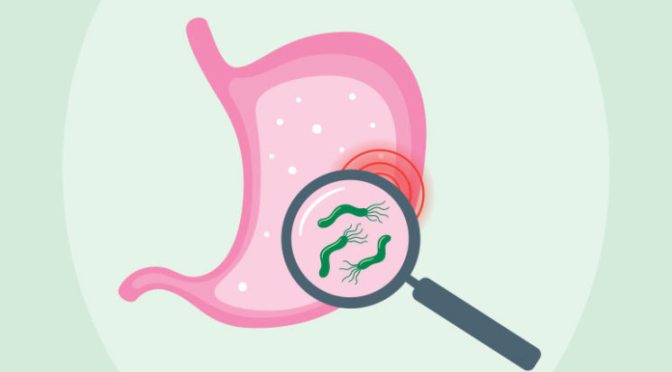
Stress shoulders a lot of blame for health issues like high blood pressure, fatigue and depression — and rightly so. But when it comes to causing stomach ulcers, it gets a bit of a bad rap.

The main triggers for stomach ulcers, also known as peptic ulcers or gastric ulcers, are:

  • H. pylori infection caused by a common gut bacteria.
  • Overuse of over-the-counter pain relief medication known as NSAIDs, short for nonsteroidal anti-inflammatory drugs.

Precancerous Polyps: AI Reduces Screening Misses

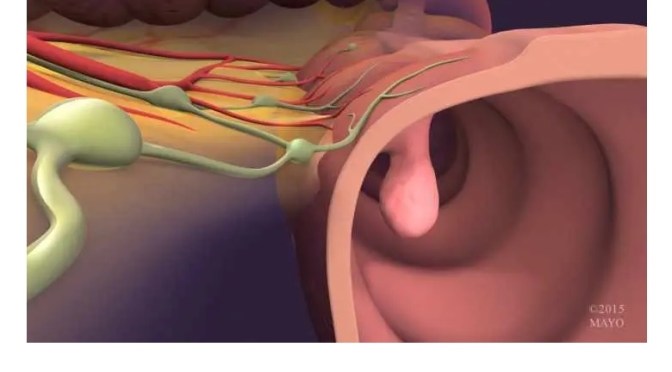
Artificial intelligence reduced by twofold the rate at which precancerous polyps were missed in colorectal cancer screening, reported a team of international researchers led by Mayo Clinic. The study is published in Gastroenterology.

Journals: Telemedicine And e-Health – FEB 2022

Original Research

Patient Experience and Satisfaction with Telemedicine During Coronavirus Disease 2019: A Multi-Institution Experience


Implementation and Evaluation of a Neurology Telemedicine Initiative at a Major Academic Medical Center


Telemedicine in Primary Care During the COVID-19 Pandemic: Provider and Patient Satisfaction Examined

Dementia: Progress In Treatments (Harvard)

The potential benefit of nonpharmacologic memory-boosting strategies in the mild stages

One study from a group of Boston researchers examined 32 individuals with mild memory problems, half with mild cognitive impairment and half with mild Alzheimer’s disease dementia. They found that both groups improved their memory by simply thinking about the following question when learning new information: “What is one unique characteristic of this item or personal experience that differentiates it from others?” Another study by Boston researchers found that 19 individuals with mild cognitive impairment could improve their ability to remember items at a virtual supermarket by simply thinking systematically about whether items were already in their cupboard before putting them in their shopping cart. Larger studies are needed, however, to determine if such memory strategies are generalizable.

Music, pets, robots, and the environment in the moderate to severe stages

Similarly, there are many nonpharmacological treatments that appear to provide comfort and reduce agitation in individuals with moderate to severe dementia, but larger and more rigorous studies are needed to prove or disprove their efficacy, and thereby promote more widespread utilization.

  • A group of Portuguese clinicians and researchers reviewed more than 100 studies evaluating music-based interventions for people with dementia who had agitation or other behavioral and psychological symptoms of dementia, finding that the vast majority were efficacious with little or no side effects.
  • A team of neurologists from Florida reviewed the effects of dog therapy and ownership, finding that both were safe and effective approaches to treat chronic and progressive neurological disorders.
  • Other researchers found reductions in anxiety and psychoactive medication use when robot pets were given to individuals with dementia.
  • A review of the built environment (the architecture of the home or facility) concluded that “specific design interventions are beneficial to the outcomes of people with dementia.”

Covid-19: Review Of Latest Treatments & Medicines

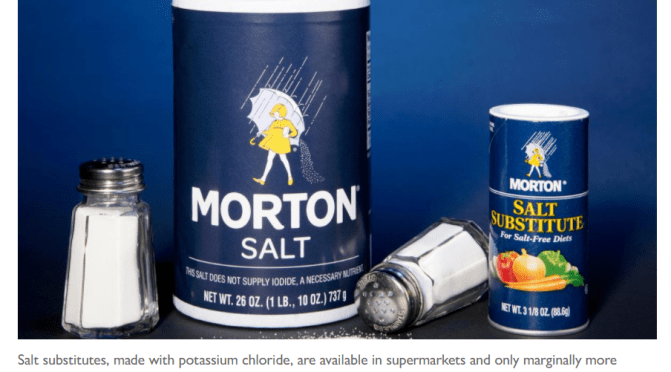
Studies: Salt Substitutes Lower Stroke, Death Risks

2021 HEART RESEARCH: TOP FINDINGS OF CARDIOLOGISTS

Coronary artery bypass graft (CABG) was supported as superior to fractional flow reserve (FFR)–guided percutaneous coronary intervention (PCI) for three-vessel coronary artery disease (CAD). PCI failed to meet noninferiority criteria at 1-year follow-up in a study comparing outcomes between FFR-guided PCI using contemporary stents and CABG. This adds to existing evidence showing superior outcomes with CABG in patients with the most-complex CAD.

The sodium–glucose transporter-2 (SGLT-2) inhibitor empagliflozin was found to be beneficial in heart failure with preserved ejection fraction. Empagliflozin is the first medication shown to improve outcomes in this population. It’s unknown if this is a class effect of all SGLT-2 inhibitors, but this could be a game changer.

Poor-quality carbohydrates were linked to cardiovascular mortality, around the world. Consumption of higher-glycemic-index carbohydrates was associated with higher rates of cardiovascular disease and mortality in countries all around the world. These data are particularly important because lower-income countries often have diets high in refined carbohydrates, which may worsen cardiovascular disparities.

New guidelines for managing valvular heart disease were released. These new guidelines add or elevate several recommendations for transcatheter therapy, and they lower thresholds for intervention in some conditions.

The editors of Circulation: Cardiovascular Quality and Outcomes addressed racial-ethnic disparities. The editors affirmed that structural racism is a public health crisis and that the scientific publishing community can play a role in addressing it.

Tricuspid annuloplasty for moderate regurgitation during mitral-valve surgery was of unclear benefit. Annuloplasty was associated with less progression of moderate tricuspid regurgitation but more pacemakers at 2 years. Unfortunately, this mixed outcome does not clearly inform the decision on performing annuloplasty at the time of surgery, and longer-term follow-up is needed.

Immediate angiography was not beneficial in out-of-hospital cardiac arrest without ST elevation. Patients with out-of-hospital cardiac arrest who did not have ST elevation on their initial ECG did not benefit from immediate angiography. Although a potential coronary culprit was identified in about 40% of patients, neurologic injury was by far the most frequent cause of death, negating any benefit from coronary revascularization.

Many statin side effects are related to the “nocebo” effect. A creative study enrolled 60 people with statin intolerance and gave them 12 randomly ordered 1-month treatment periods: 4 periods of no medication, 4 of placebo, and 4 of statin. Symptom intensity did not differ between placebo and statin periods and, interestingly, some even had more symptoms on placebo. This demonstrates that some cases of “statin intolerance” may be related to the “nocebo” effect.

Shorter duration of dual antiplatelet therapy following PCI/stent placement was found to be acceptable in patients with high bleeding risk. A large, randomized trial found that 1 month of dual antiplatelet therapy provided similar clinical outcomes and a lower bleeding risk than 3-to-6-month regimens for this challenging patient subset.

De-escalation” of dual antiplatelet therapy for patients undergoing PCI for acute myocardial infarction (MI). This industry-funded study evaluated patients who had received 1 month of aspirin plus ticagrelor after acute MI and stent placement and “de-escalated” half to aspirin plus clopidogrel. At 1 year, there was significantly less bleeding in the de-escalation group and a nonsignificant trend toward fewer ischemic events as well.

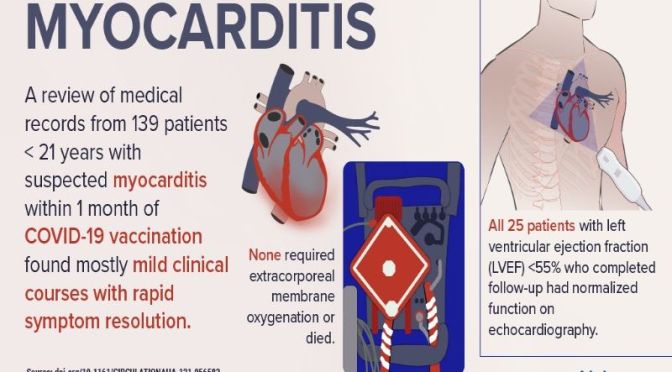
Covid-19 Vaccination: Risks Of Myocarditis

Given the myriad of cardiac concerns associated with SARS-CoV-2 infection, news that the myocarditis associated with mRNA vaccination is mostly mild and resolves quickly in the rare instances in which it occurs was welcome news. The findings continue to tip scales in favor of vaccination and resulted in this week’s top trending clinical topic.

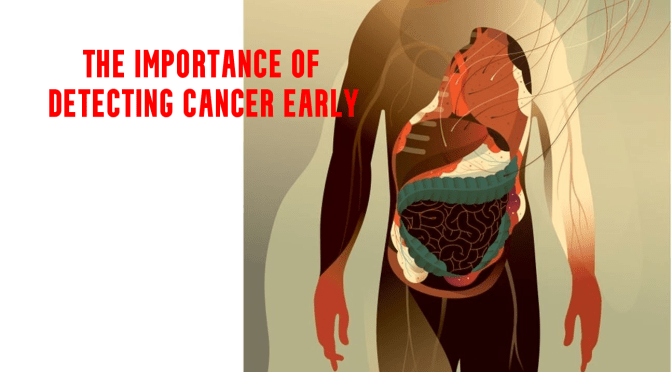
Views: The Importance Of Detecting Cancer Early

DR. C’S JOUNRAL: STEM CELL TREATMENT UPDATES

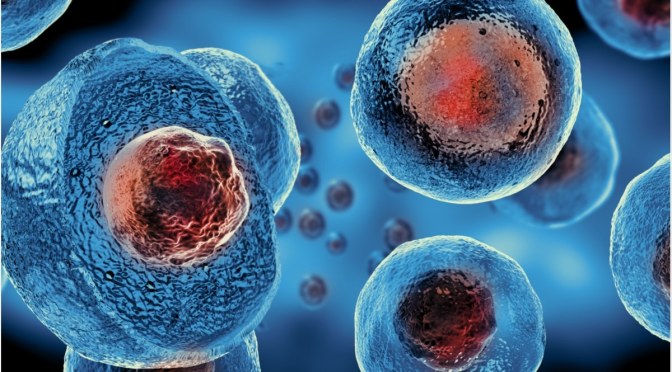
The stem cell dream has been present for years, but so far the dream has outpaced reality. Only A handful of stem therapies are actually useful treatments at present.

A Japanese researcher has succeeded in making iSC into eggs, and discovered that you needed supporting ovarian tissues to make the system work in mice.

Some stem cell treatments deemed  successful may have actually been due to dead cells or immunity-stimulating debris causing increased functionality, particularly in the heart.

Interestingly, as stem cells slowly differentiate into heart cells, there is a stage of cardio myocyte that beats on its own. This leads to arrhythmias if there is insufficient differentiation in stem cell treatment. Only later in differentiation does the myocyte stop beating on its own and rely upon a signal to contract, as the adult heart does.

A 3-D model of pluripotent heart stem cells has been seen to self organize. Mostly researchers have focused on building tissue around a scaffold to re-create the heart chambers structure, but a heart organoid, known as a cardioid, has been created by adding six signaling factors.

Stem cells in culture mutate about 840 times faster, creating problems. I have a friend who has his own iSC dopaminergic stem cells injected into his brain,  but the tissue culture media worryingly shows a teratoma, a type of tumor with all three embryonic tissue lines.

Stem cells had previously been classified as naïve or prime. An intermediate stage is now been discovered called  the rosette stage. The developing organism must be sure before it goes ahead.

Whether to make pluripotent stem cells from a persons own tissue, and use it for replacement therapy in that single individual, or to take a cell line that has been vetted, and use it in everybody, accepting the necessity of immunosuppression, is currently being worked out. The Japanese groups are generally going with this latter “allogenic” package and working to match histocompatibility sites.

Parkinson’s treatment is unlikely to be a cure, since the transplanted cells may eventually become diseased themselves. Stem cell treatment can improve symptoms potentially, but can’t alter the course of the disease.

Using fetal cells has proven very problematic, since a given procedure for Parkinson’s may require 4 to 12 fetuses per patient, and you have ethical problems besides.

Spinal cord injury is plagued by inter-species architectural differences, and knowing exactly how severe the injury actually is. Researchers also have to be sure they are not going to make the situation worse.

Chimeras are developing as a research bonanza. The idea is to take a lower species, block the development of a given organ, then inject a higher species stem cells which are more likely to fill the niche if they don’t have domestic competition. Many efforts are directed towards developing human organs in subhuman species. When using primates as the sub species, however, an additional step, blocking the possibility of stem cells becoming neurons is advisable. There’s a lot of ethics in this area.

The pancreas is the area of greatest work at the present time. Keeping an embryo alive in a dish is very important, but difficult. The “14-day rule” is being extended.

The suffix “oid” is getting very popular. We have organoids, spheroids, blastoids, and assembloids. I was a bit surprised to hear how self organizing these tissues are, and also how important are the accessory, helper cells: the ovarian support tissues, the astrocytes in the brain, the pigmented epithelial layer of the eye, the pericytes in blood vessels.

Jeanne Loring is trying to save the white rhinoceros. Just cloning the rhinoceros is not good enough. Some mutations in the germ-lines are needed to make different individuals. This also requires going from Induced stem cell retrograde over to sperm cells; the only two white rhinos still alive or both females.

Currently it requires great technique to take a somatic cell back to induced stem cell. These talented people are called “cell whisperers”.
Mention is made of the Chinese hamster ovaries cells that are commonly used to produce therapeutic proteins. They tend to float in the reactor as single cells. Pluripotent  stem cells are more fragile, and need to grow in aggregates. You must form sheets of the stem cells in order to get them to take  in the eye, for instance, in order to get them to form retinal pigmented  epithelial cells, photo receptors, horizontal cells, bipolar cells, amacrine cells, and ganglion cells. “We transplant 10-20,000 cells per eye. To recover vision you probably need hundreds of thousands of cells. Most people appreciate even a slight improvement in vision, however”.

“ All models are wrong, some are useful“ is the guiding principle of leading edge stem cell Whisperers.

—Dr. C.