Category Archives: Research

Regenerative Medicine: How It Slows Down Aging

“Diverse aging populations, vulnerable to chronic disease, are at the cusp of a promising future. Indeed, growing regenerative options offer opportunities to boost innate healing, and address aging-associated decline. The outlook for an extended well-being strives to achieve health for all,”

Andre Terzic, M.D., Ph.D., a Mayo Clinic cardiologist

Regenerative medicine could slow the clock on degenerative diseases that often ravage the golden years, a Mayo Clinic study finds. Life span has nearly doubled since the 1950s, but health span — the number of disease-free years — has not kept pace. According to a paper published in NPJ Regenerative Medicine., people are generally living longer, but the last decade of life is often racked with chronic, age-related diseases that diminish quality of life. These final years come with a great cost burden to society.

Researchers contend that new solutions for increasing health span lie at the intersection of regenerative medicine research, anti-senescent investigation, clinical care and societal supports. A regenerative approach offers hope of extending the longevity of good health, so a person’s final years can be lived to the fullest.

Read more

Research: ‘Rejuvenating The Aging Brain’ (Scripps)

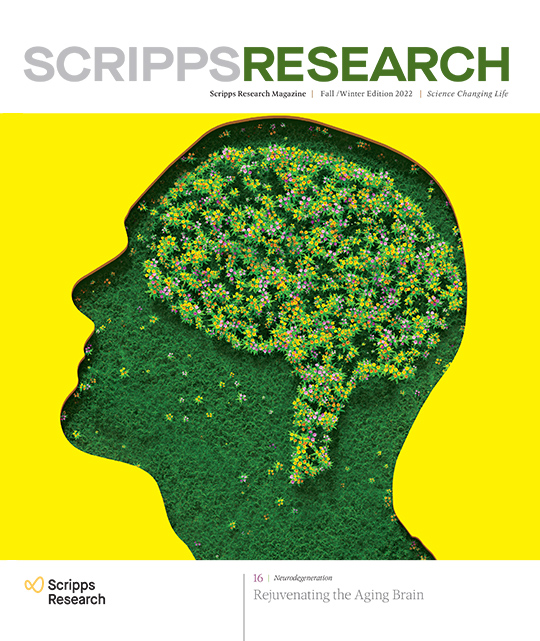
REJUVENATING THE AGING BRAIN

As humans live longer, they’re at increased risk of developing devastating NEURODEGENERATIVE diseases, such as Alzheimer’s—in a treatment landscape with few options and little hope. At Scripps Research, scientists are closer than ever to understanding how these diseases harm the brain and identifying possible drugs to stop them.

“This early preclinical work may identify proteins that protect against cognitive loss. We know it’s a long path to get to a drug, but we’re creating the foundation. We know there’s an entire landscape of potential molecular interactions that maintain healthy synapses, and any of these proteins could be a drug target.”— Hollis Cline, PhD

Science: New Research Into Diseases Of The Brain

Take an animated look inside the neuron, and learn how scientists are addressing brain disease. With approximately 86 billion neurons in the brain, humans contain the most complex communications network imaginable. To address diseases of brain development and degeneration, neuroscientists are investigating how and why this network breaks down, and what can be done to repair it.

One area of study is dendrites, which are the tree-like structures of neurons, that receive electrical impulses. Researchers are carefully mapping out brain circuits and uncovering how connectivity changes can result in defects of the visual system or behavioral problems. The core section of the neuron is the cell body. Genetic engineering tools are revealing how mutations impact brain development and contribute to autism spectrum disorder or rare, inherited forms of neurological disease.

The transmission of nerve impulses occurs along the axon, which is insulated, much like an electrical wire, by a fatty layer called the myelin sheath. Scientists have invented a medicine to stop the immune system from mistakenly attacking this layer, which occurs during multiple sclerosis. Other molecules currently in development instruct the body to regenerate the sheath and repair damage. The axon also transports valuable cellular cargo, such as neurotransmitters, along tracks from one end of the neuron to the other.

Researchers are testing drug candidates for their ability to remove molecular traffic jams when this transport system fails, as often occurs in Parkinson’s and Alzheimer’s disease. The axon terminals make connections called synapses with other cells, using neurotransmitters as signals. Some scientists are evaluating how finely tuning the receptors for these chemicals could ease depression and anxiety.

Others are finding ways to promote the regrowth of lost synapses, which could halt neurodegeneration. From genetics to behavior, neuroscience is accelerating new interventions for the most challenging disorders of the nervous system.

Learn more: https://www.scripps.edu/

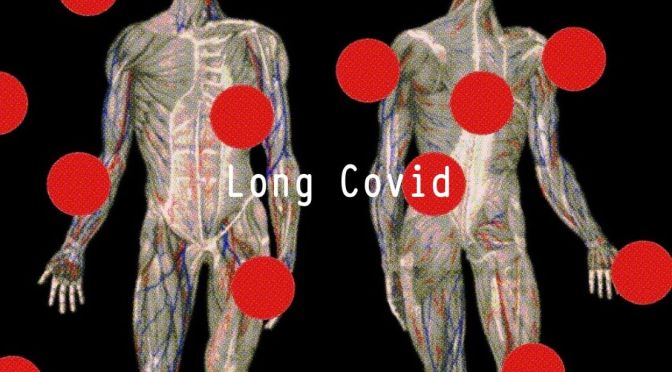
MEDICINE: WHY LONG COVID IS STILL NOT UNDERSTOOD

Even mild COVID-19 is at least correlated with a startlingly wide spectrum of seemingly every illness. We need a much better taxonomy to address people’s suffering.

Long Covid – Whole Body Symptoms

From The Atlantic, October 5, 2022:

The cases of long covid that turn up in news reports, the medical literature, and in the offices of doctors like me fall into a few rough (and sometimes overlapping) categories. The first seems most readily explainable: the combination of organ damage, often profound physical debilitation, and poor mental health inflicted by severe pneumonia and resultant critical illness.

This serious long-term COVID-19 complication gets relatively little media attention despite its severity. The coronavirus can cause acute respiratory distress syndrome, the gravest form of pneumonia, which can in turn provoke a spiral of inflammation and injury that can end up taking down virtually every organ. I have seen many such complications in the ICU: failing hearts, collapsed lungs, failed kidneys, brain hemorrhages, limbs cut off from blood flow, and more. More than 7 million COVID-19 hospitalizations occurred in the United States before the Omicron wave, suggesting that millions could be left with damaged lungs or complications of critical illness. Whether these patients’ needs for care and rehabilitation are being adequately (and equitably) met is unclear: Ensuring that they are is an urgent priority.

Read full article at The Atlantic

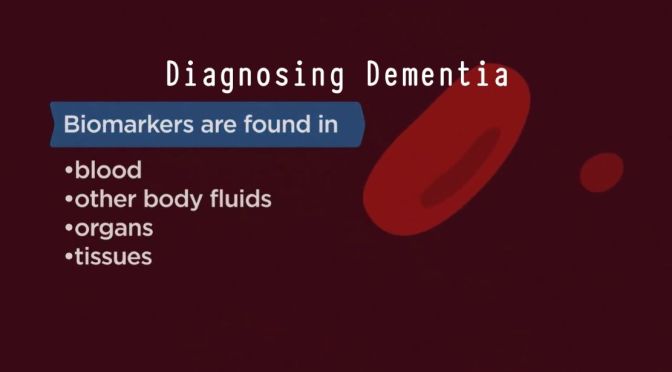
AGING: HOW BIOMARKERS HELP DIAGNOSE DEMENTIA

Biomarkers are measurable indicators of what’s happening in your body. They can be found in blood, other body fluids, organs, and tissues, and can be used to track healthy processes, disease progression, or even responses to a medication. Biomarkers are an important part of dementia research.

Read more

Covid-19: China Approves The First Inhaled Vaccine

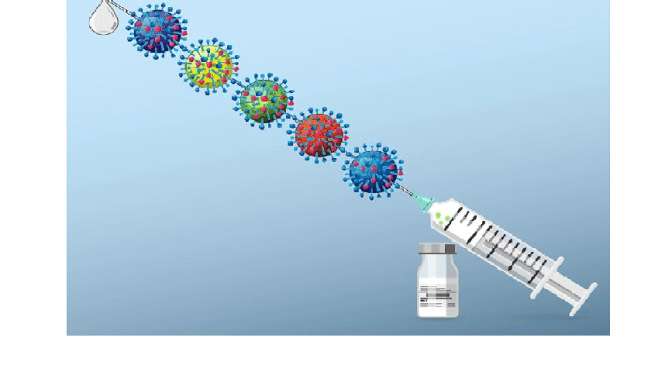
The vaccine, called Convidecia Air, changes the liquid form of the vaccine into an aerosol using a nebuilzer. The vaccine can then be inhaled through the mouth using the nebulizer machine. The needle-free vaccine “can effectively induce comprehensive immune protection in response to SARS-CoV-2 after just one breath,” Cansino said in a statement.

In July, Chinese scientists published a pre-print study showing that people who received one booster dose of Cansino’s inhaled vaccine after two doses of the inactivated jab from Chinese maker Sinovac developed more antibodies than people who received three Sinovac shots. Four weeks after receiving the inhaled booster, 92.5% of people had developed neutralizing antibodies for Omicron.

Those who got three doses on Sinovac’s jab did not demonstrate any neutralizing antibodies for Omicron, either four weeks or six months after getting a booster.

Read more

COMMENTS:

Spray vaccines will be our best chance to stop Covid.

However, there are two big problems that have to be solved.

The first problem is keeping up with the blitzkrieg mutation capacity that Covid has. Our best chance to do that is with the mRNA technology, which permits vaccine generation with minimal delay. However, mRNA vaccines are too fragile to be suitable for a nasal or oral spray. The particles would be destroyed before they could activate the mucosal immune system.

But it is still possible, using laboratory technology to convert this mRNA into peptides and proteins suitable for use as a spray. Using AI to generate three dimensional shapes, surely a  stable molecule of suitable configuration and stability could be eventually generated.

The second appears to have been partially solved by the Chinese, according to the Fortune  article, namely getting an injectable vaccine into a suitable form and dose to survive the bodies mucosal clearance mechanisms and enzymes, designed to keep foreign sprays and mists out of the body, in enough concentration to stimulate the mucosal immune system.

Our bodies have developed a parallel Defense system using a unique immunoglobulin, IGA, and  special support cells. When stimulated, immunity bristles as a first line of defense to deny incoming viruses entrance to the body. This is what is needed to prevent infection from occurring in the first place, so extremely important for a highly infectious and potentially lethal virus such as Covid.

The Chinese, with their autocratic system,  have a better chance of making everybody take this vaccine, even though it requires a cumbersome liquid nebulizer to generate the mist.

Better would be a handheld inhaler, and, hopefully, this is what some dozen pharmaceutical corporations, working on a nasal or inhaled vaccine , are aiming for.

—Dr. C.

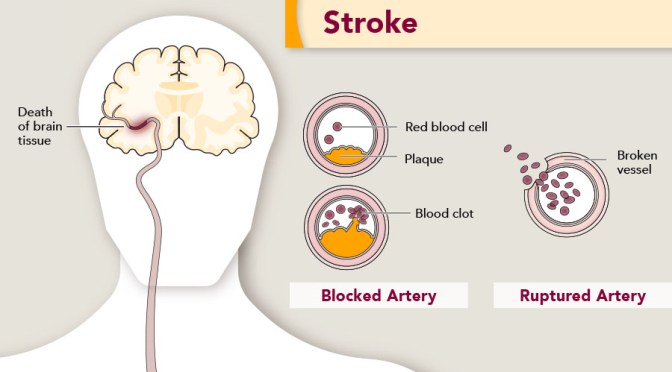
Stroke: Long Periods Of Sitting Increases Risks

The study involved 7,607 adults who wore a hip-mounted accelerometer (a device that records how fast you move) for a week. Their average age was 63. During a follow-up period averaging 7.4 years, 246 of the participants experienced a stroke.

People who sat for 13 or more hours per day during the initial week of motion tracking were 44% more likely to have a stroke compared with those who’d spent less than 11 hours per day sitting still. In addition, longer bouts of sitting (more than 17 minutes at a time) were linked to a higher risk than shorter bouts (less than eight minutes).

Studies: What Makes For Successful Recoveries

Inflammation is the body’s first line of defense, occurring as droves of immune cells rush to the site of injury or acute illness to make repairs and stem further damage.

When successful, inflammation helps the body survive and heal after trauma. However, when recovery following an inflammatory response goes awry, it signals that damage is still occurring — and the inflammation itself can cause further injury, leading to more-severe illness or even death.

But what differentiates a good inflammatory recovery from a bad one?

A new study, led by researchers at Harvard Medical School and Massachusetts General Hospital, published Aug. 22 in Nature Communications, yields critical clues.

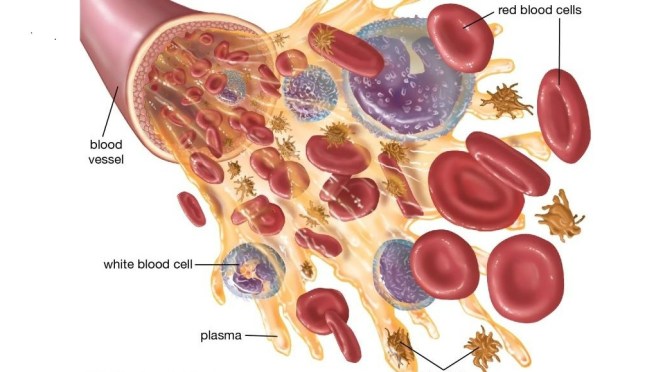
The scientists identified universal features of the inflammatory responses of patients who successfully recovered after surgery or acute illnesses such as COVID-19, heart attack, and sepsis. These features, they discovered, include precise paths that white blood cell and platelet counts follow as they return to normal.

Read more

Research: The Search For A Universal Vaccine (2022)

Vaccines are one of the greatest scientific discoveries in human history. They eradicated a disease, smallpox, that killed 300 million people in the 20th Century. They save countless lives every year, protecting against diseases caused by viruses like polio, measles and yellow fever. But some viruses are particularly difficult to target with vaccines.

We need a flu shot every year because the virus mutates so much previous vaccines may no longer be effective. Scientists are closer than ever before to developing what are known as universal vaccines. These vaccines would protect against many variants of a given virus, and potentially against entire virus families. Viruses are constantly mutating, but only some of those mutations are important.

For example, a change in the shape or chemical properties of the spike protein a virus uses to infect a cell could make the virus more transmissible. It could also mean antibodies developed from previous infection or vaccination wouldn’t be able protect against the current virus. But, there are some sites on viruses that don’t mutate as much, or at all. These sites are often vital to the virus’ survival. Scientists are using powerful technologies to identify antibodies that target these sites.

They’re called broadly neutralizing antibodies and are capable of protecting against multiple viral variants. Now, researchers are working to design shots that get our bodies to produce broadly neutralizing antibodies. Meaning someday soon, vaccines for HIV, flu and coronavirus might be enough to effectively ward off these viruses for the better part of a lifetime.

Old Age: ‘Hyperexcitable Neurons’ Interrupt Sleep

For many older adults, a good night’s rest is elusive. The implications of chronically poor sleep can be far-reaching and include a decline in cognitive functioning and detrimental effects on health and general well-being. Fortunately, relief may be in sight.

A new study led by investigators at the Stanford University School of Medicine shows that neurons in the lateral hypothalamus, a brain region, play a pivotal role in sleep loss in old mice. More specifically, the arousal-promoting hypocretin neurons become hyperexcitable, driving sleep interruptions.

Read the full story: https://stan.md/3JQ7z77

Luis de Lecea, PhD, is a professor of psychiatry and behavioral sciences at Stanford Medicine. He is the study’s senior author and hopes the finding could pave the way to new drug treatments for age-related sleep problems in humans.

Shi-Bin Li, PhD, is an instructor in the Psychiatry and Behavioral Sciences department at Stanford Medicine. He is also a basic life research scientist in the de Lecea lab, and is the lead author of the study. Lisa Kim is Senior Manager of Media Relations for Stanford Medicine and Stanford Health Care. Lisa has a deep background in journalism, as she is an Emmy Award-winning journalist who has covered stories on both the national and local levels.