All posts by doctorswithoutwaitingrooms

EMPOWERING PATIENTS THROUGH EDUCATION AND TELEMEDICINE

OPINION: FACE MASKS AND SHIELDS TO PREVENT COVID

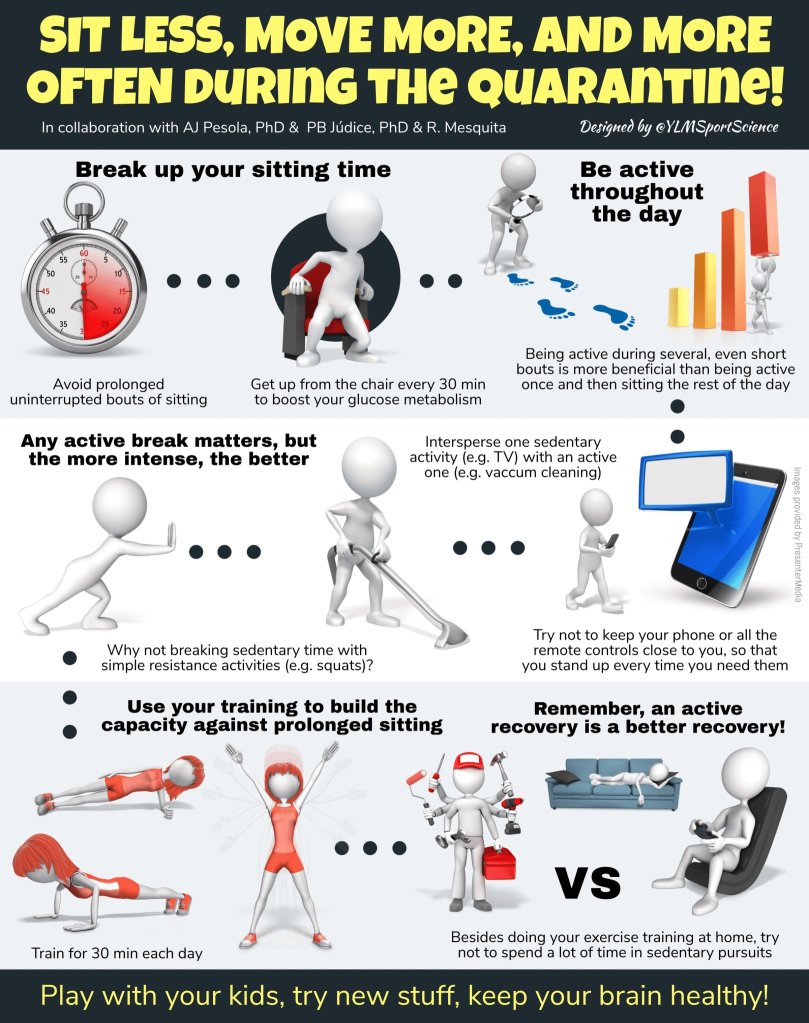
My main exercise for the day is a 45 minute fast walk around my community.

Hat – check. Sunglasses – check, FACE SHIELD – check.

Yes, face shield. The shield has the advantage of allowing me to talk, plus being more comfortable to wear. I clean it with a woolen cloth on one side and cotton on the other, hoping for a condenser electrostatic effect (I’m open to suggestion from engineers).
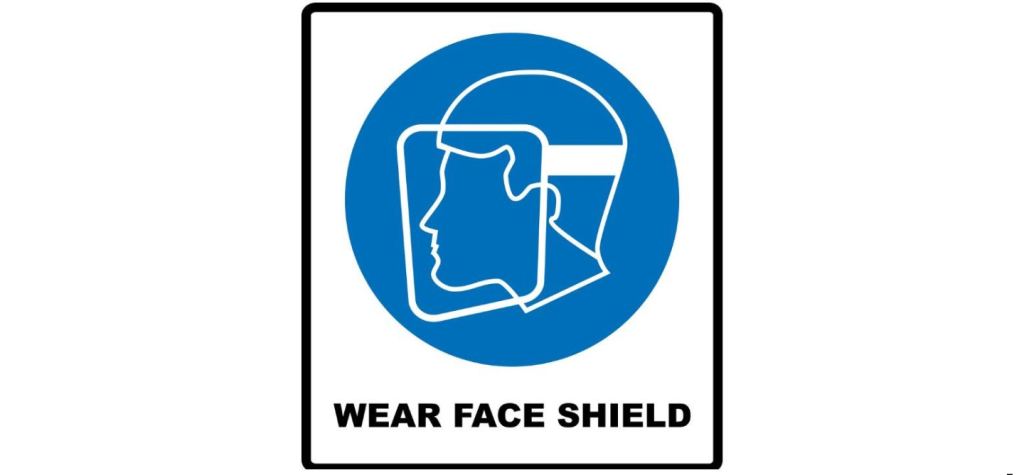
If I cough, any large particles of mucus would impact the shield, leaving only tiny aerosol particles to escape around the edges into the environment to endanger others.

It is Saturday today, and I pass a man and a woman pushing a baby buggy, and give them wide berth. I don’t consider 6-feet far enough distancing. 12-18 feet would be better, since, at 88-years of age, I am at least 2-3 times more susceptible.

A 12-year old zooms by me on a scooter. His age predicts less viral effluent, and the exposure time is less. I then go by a large collection of 20-year olds, Wide berth again, and, holding my breath, continuing to walk fast.

As I walk, I breathe air in through my nose, and out through my mouth. I feel the warmth (and purity) of the exhaled air, which may push aside and dilute any contaminants coming from the outside.

Another group of young adults! Well, maybe the risk is not as bad as the numbers would indicate. Odds are there would be only one spreader in the group, and the healthy ones would act as particle filters for me.

So far, not a single young person had a mask on. They are probably just thoughtless young people, and not necessarily “objectors” believing that mask-wearing is a sign of submission. As Peggy Noonan said in her column in today’s WSJ:

“…IT’S A SIGN OF RESPECT, RESPONSIBILTY AND ECONOMIC ENCOURAGEMENT”.

Going forward, we must all do our part to reduce the likelihood of another Covid surge. WEARING A MASK PROTECTS OTHERS.

I finally spied 2 masks! They were fitted on 2 ceramic lions flanking a front door. It is true that felines can catch Covid. But ceramic ones?

I thought I was walking fast, but was overtaken from the rear by a long-legged young lady. She passed within 4 feet of me, and of course had no mask on. I only hope she didn’t have Covid, and that my shield worked.

On the subject of the effectiveness of wearing a shield, while walking I tune into the odors along the way. I use the odors as surrogate aerosols, especially a recently fertilized curbside flower bed, I compare walking by the flowers, with and without my face shield, and find that the shield reduces but does not eliminate the odor. For more distant odors, like a barbecue, it does not make a difference.

Perhaps the shield, like the prow of a ship, pushes aside STREAMS of particle-laden air. Like coughing or talking nearby. But if the particles (yes, odors are nanometer particles) are well mixed with the air, there is no effect. Air must be breathed, after all.

There are a couple of other things I practice on my walk. I exercise my EYES by looking into the DISTANCE as much as possible. I try to walk as erect as I can. Gravity, my friend in grounding many big Covid-containing mucus particles, tries to bend me over.
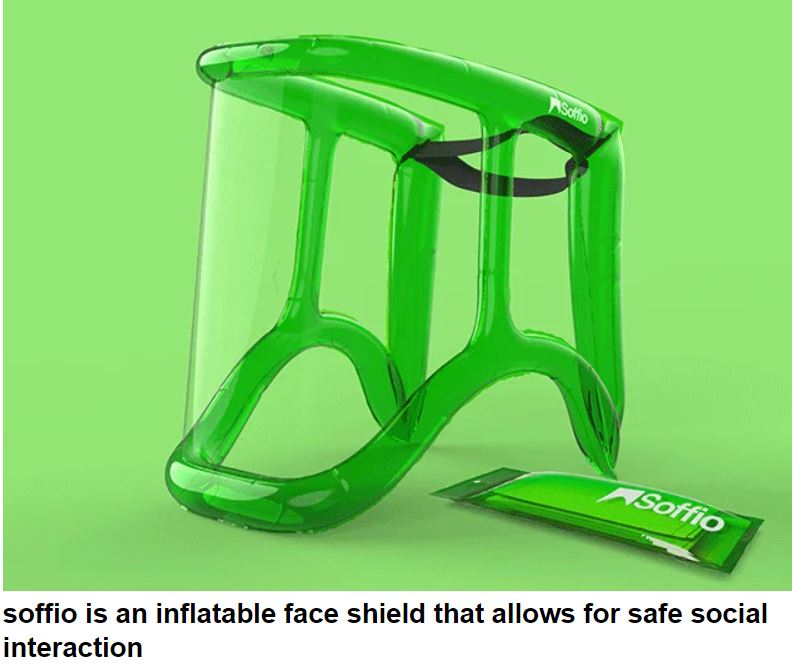
The BOTTOM LINE, until more information is available), is: SPREADERS WEAR MASKS, SUSCEPTIBLES  WEAR SHIELDS. Of course, hand-washing, social-distancing, coughing into your elbow, and staying at home, especially if sick, are all still important admonitions.,
-Dr. C.

For further reading

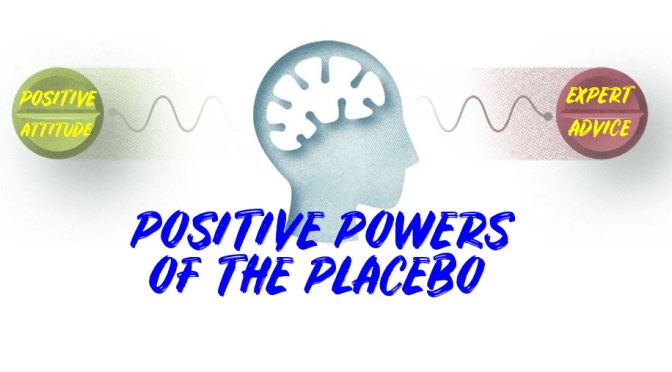
THE HEALING POWERS OF YOUR POSITIVE ATTITUDE

Do not go gentle into that good night,
Old age should burn and rave at close of day;
Rage, rage against the dying of the light.

From “Do Not Go Gentle Into That Good Night” by Dylan Thomas

My brother recently sent me a video  featuring a confident man with a famous last name and a winning message: You beat Covid by fighting it. I would like to comment on several recommendations in his inspiring speech.

It is usually best to approach a problem with a POSITIVE ATTITUDE and a PLAN (1). This is particularly true with the ravages of old age (my area of expertise). Memory loss? Try to memorize poems. Balance loss? Practice standing on one leg. However………….

One person’s good experience is not a medical study. Medicine calls it a testimonial. This applies to my individual experiences as well. Going forward, I will be recounting many personal experiences with common diseases and conditions. Be careful about applying my solutions to your condition.. EXERCISE CRITICAL THINKING.

Be especially careful not to equate fame with medical expertise.

Mr. Cuomo’s result, if indeed the outcome was changed by his efforts, was most likely influenced by a powerful PLACEBO effect (2) which can be associated with striking outcomes, as we know from countless inspiring testimonials  of “hopeless” cancer and other terminal conditions.

Even if we KNOW a treatment is likely due to the placebo effect, it remains effective. I don’t believe I’m doing harm with my speculations.

A couple of generations ago, confidence in doctors was much greater than it is now. We had fewer effective treatments, but surprisingly good results. As medical information of various quality proliferates and medicine loses prestige, it it is losing a valuable tool. Still, we have the placebo effect.

Mr. Cuomo was fortunate to have a good, positive doctor, and to believe in him. Positive affect is powerful.

FEVER is not the virus incarnate, but the bodies RESPONSE to the virus. Fever survived the culling of evolution because it confers a survival advantage, and is helpful.(3) Viruses replicate less rapidly at higher body temperatures.

I always told my patients: “ if you are stuck with the infection, enjoy the fever”. Of course high fevers, above 104 degrees F should be reduced.

I’m not sure that Covid patients should hold their breaths to “fight the virus”, although the length of time you can hold your breath is a good measure of breathing difficulty.  Blood CO2, the main driver of dyspnea (shortness of breath), must not be allowed to accumulate. The accompanying hypoxemia (low blood oxygen ) is not desirable either.

I agree with most of the advice quoted by Mr. Cuomo. Lying on the back has proven dangerous in severe Covid. Taking deep breaths (even if painful) will help keep the alveoli (air sacs) expanded. Change of position is important for the same reason,  and adequate fluids, including water, is always beneficial.

So educate yourself as much as you can about your condition. Pick out the best doctor you can find (the subject of a future opinion piece) and place yourself in her care. Enjoy a sense of relief and confidence. Even physicians need the objectivity and support of their own doctor.

Finally, armed with a positive attitude, make the most of whatever placebo effect you are accorded.

—Dr. C.

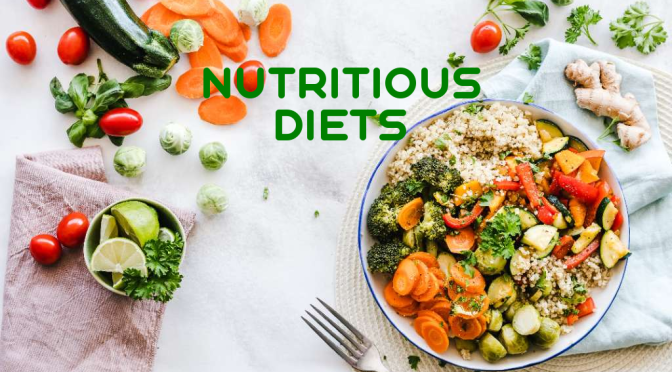
OPINION: THE BENEFITS OF HIGHLY NUTRITIOUS DIETS

Vitamins and minerals, as we all know, are of critical importance to our health. Gone are the days when scurvy(vitamin C) was the scourge of the high seas, and rickets (vitamin D) was common in the children of smoke-filled industrial cities with insufficient sunlight.

We are in a state of such overabundance that many medical authorities feel that vitamin supplementation merely makes our toilets healthier.

Covid 19, with a deficit of prevention and treatment options, has forced a new appreciation of the role of our immune systems in fending off Covid, and future viral plagues that are certain to follow. Optimum Health has never been more important.

A May 4, 2020, British Medical Journal (BMJ) article highlights the role of vitamins C and D, and minerals, especially Zinc, in functioning of our immune systems. Here are several highlights from the article:

  • Foods that are naturally abundant in vitamin C such as broccoli (60 mg/100 g), blackcurrants (130 mg/100 g), fortified breakfast cereals (up to 134 mg/100 g) and oranges (37–52 mg/100 g)45  should be made accessible to older individuals who are most in need of their nutritional benefits.
  • In the UK 5.5% of men and 4% of women 65 years and over (around 1 in 20) presently have zinc intakes lower than the lower reference nutrient intake (the level below which deficiency could occur).46 The consumption of foods naturally abundant in zinc such as canned crab (5.7 mg/100 g), canned shrimps (3.7 mg/100 g), canned adzuki beans (≈2.3 mg/100 g) and boiled eggs (1.3 mg/100 g) should be encouraged as a supplementation strategy to reinforce immunity.
  • Tolerable upper intake levels (ULs) are intake levels which should not be surpassed as toxicity problems could appear.47 For vitamin D a UL of 50 µg/day is advised and for zinc a UL of 25 mg/day is recommended. 47 There is insufficient evidence to establish UL for vitamin C, but available human data suggest that supplemental daily doses of up to about 1 g, in addition to normal dietary intake, are not associated with adverse gastrointestinal effects.47 Not having an adverse effect, however, is not necessarily indicative of a benefit either, and ongoing trials are warranted.
  • Among those with established respiratory conditions or pneumonia, specific nutrients such as vitamin C, D or zinc could be considered as potential adjuvants to conventional treatment pathways.

Susceptible people, particularly the old, should use every safe measure to stay well.

– Dr. C

Read full article

OPINION: THE ” FOUR PILLARS OF HEALTH AND THRIVING”

Homo sapiens have been around for upwards of 200,000 years and our bodies have evolved to deal with conditions far different than we experience in today’s life.

For about 95% of our species’ existence we have had:

  • Far more SLEEP. We were diurnal, going to bed at sundown, awakening at sunrise.
  • A more natural and varied DIET. We had to gather or kill what we ate.
  • Far more EXERCISE as we walked many miles on most days.
  • INTELLECTUAL STIMULATION. Well, here at least we moderns have an advantage, and our brains are better for it, If we get enough Sleep, Diet and Exercise.

Intellectual stimulation is really just a form of exercise. Exercise of the brain; as the brain is in a way like a muscle. If you don’t exercise your muscles, they waste away. If you don’t exercise your brain, your synapses waste away. To overwork a cliche : use it or lose it. Your muscles and brain are very energy-intensive and therefore expensive in evolutionary terms. Metabolic mechanisms have evolved to weed out that which is not needed and not used.

We could then say that there are the “Three Pillars of Health: Sleep, Diet, and Exercise, with the understanding that exercise refers to both muscles and brain. But they are exercised in such radically different ways, and each is prominent at different times in life. Children are reluctant to exercise their brains and are in constant motion. The elderly have much less muscle to exercise, but the aged brain still works quite well if you nurture and use it. So Intellectual Stimulation is best considered a separate category.

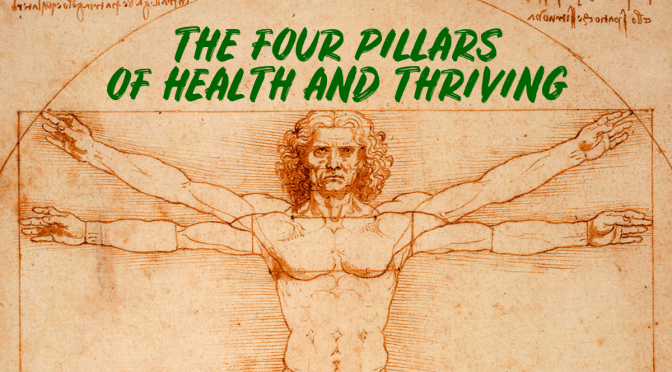
SLEEP, DIET, EXERCISE and INTELLECTUAL STIMULATION are then the “Four Pillars of HEALTH and THRIVING”.

These Four Pillars come as a package, reinforce each other, and are intricately interconnected. You can’t afford to neglect one without diminishing the others. But we will be discussing them separately, since they are separately researched and enacted.

Keep tuned.

—Dr. C.

Further reading

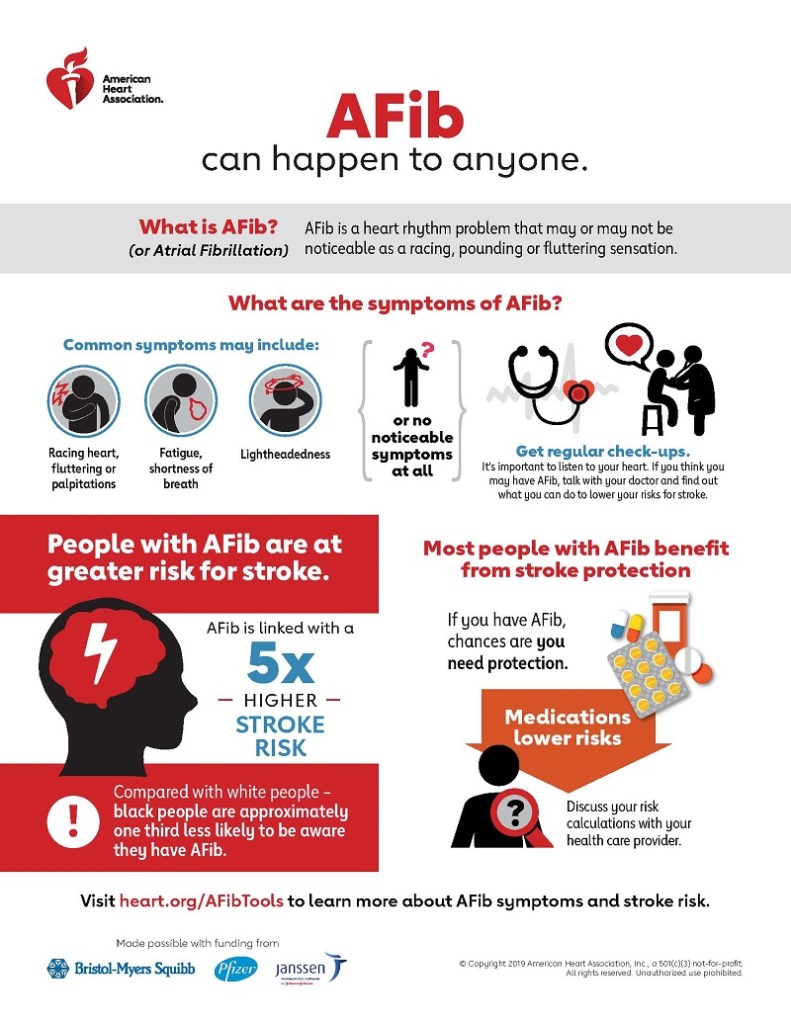
CARDIOLOGY PODCAST: “ATRIAL FIBRILLATION – A COMPREHENSIVE OVERVIEW”

Atrial fibrillation is chaotic and irregular atrial arrhythmia, the prevalence of which increases progressively with age. It causes significant morbidity and death. Many patients are asymptomatic or have symptoms that are less specific for cardiac arrhythmias, such as mild dementia or silent strokes. 

Gregory Lip, Price-Evans Chair of Cardiovascular Medicine, University of Liverpool, gives us an overview of the condition.

Read more on Atrial Fibrillation at BMJ

TELEMEDICINE “LANGUAGE” SKILLS WILL CONTINUE TO INCREASE AT A RAPID RATE

From a New York Times article (May 5, 2020):

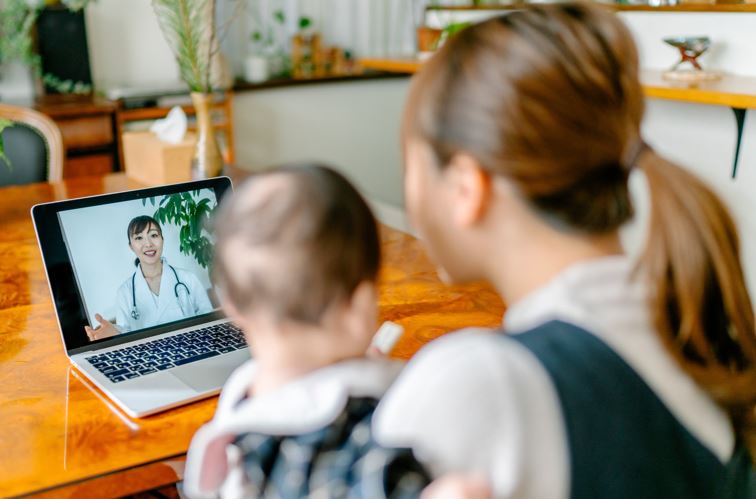
Calling my patients at home, with or without video, has become my new normal. After 25 years of being a pediatrician, telemedicine is teaching me new ways to communicate with families.

I try to hear the mother above the babbling of her baby. And then to listen to the babbling of the baby. Is it joyful? Are there big breaths between the babbling?

A federal government waiver, issued early in March, expanded the use of federally funded health insurance — Medicaid, Medicare and the Children’s Health Insurance Program — to pay for telemedicine visits. The goal was to allow more people with symptoms of illness to be heard, and sometimes also seen, by a health care provider without the risk of exposure to coronavirus at a doctor’s office or hospital.

The federal government has been expanding the use of telemedicine for years — but like so many changes in this pandemic, what used to take years to transform, we are now doing within weeks.

Read more

TELEMEDICINE: Obstetrics & Gynecology Services

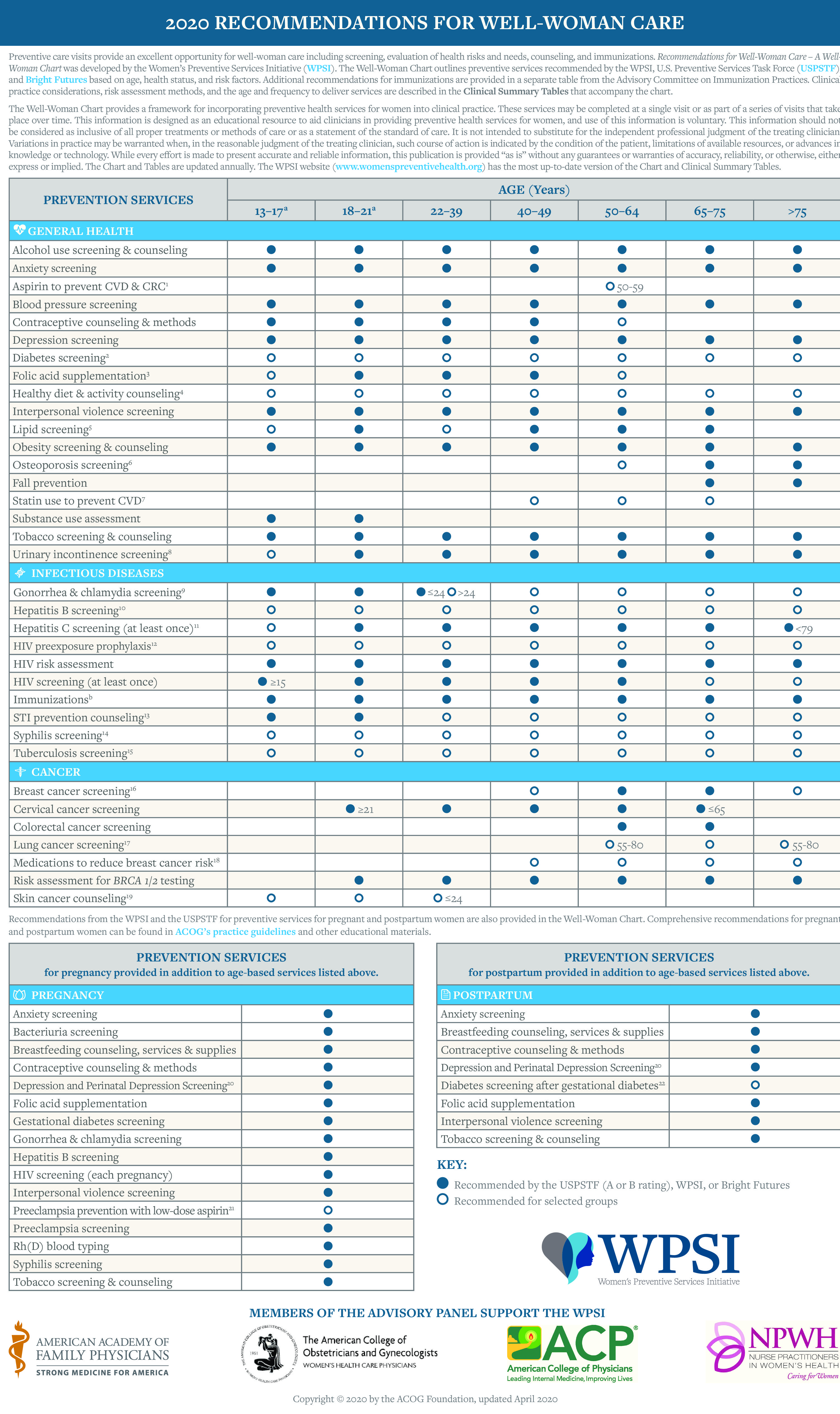
The following list contains preventive services that may be done via telehealth (from ACOG.org):

General Health

  • Alcohol screening and counseling regarding alcohol use
  • Anxiety Screening and referral*
  • Counseling regarding aspirin to prevent CVD and CRC
  • Blood pressure screening (if patient has appropriate resources available such as a blood pressure cuff)
  • Contraceptive counseling, discussion of methods, and prescribing contraceptives that do not require an in-person visit such as intrauterine devices or implants*
  • Depression screening and referral
  • Fall Prevention counseling
  • Counseling regarding folic acid supplementation
  • Healthy diet and activity counseling
  • Interpersonal and domestic violence screening and discussion of available resources*
  • Obesity screening (if patient has appropriate resources available such as a scale)
  • Substance use assessment (drug use)
  • Tobacco screening and cessation counseling
  • Urinary incontinence screening*
     

Infectious disease

  • HIV risk assessment*
  • Sexually Transmitted Infection prevention counseling*

Cancer

  • Counseling and possible prescribing of medications to reduce breast cancer risk 
  • Risk assessment for BRCA testing
  • Skin cancer counseling

Pregnancy and postpartum

  • Breastfeeding services and supplies*
  • Postpartum contraceptive counseling, discussion of methods, and  prescribing contraceptives that do not require an in-person visit such as intrauterine devices or implants
  • Depression screening and referral
  • Counseling regarding folic acid supplementation
  • Interpersonal and domestic violence screening and discussion of available resources*
  • Preeclampsia prevention with low-dose aspirin
  • Preeclampsia screening (if patient has appropriate resources available)
  • Tobacco screening and cessation counseling

*WPSI recommendation. For more information about each recommendation, please see our WPSI Recommendation page.

Download Well-Woman Care Chart

ACOG.org website

Read this May 4, 2020 “Women’sHealth” article for information about what a Telemedicine Visit is like

OPINION: THE IMPORTANCE OF VITAMIN D3 SUPPLEMENTS

EVERYBODY should have a SERUM VITAMIN D level!

The medical establishment has been slowly acknowledging that the importance of vitamin D is not limited to just calcium absorption and the bones, or to the athletes and elderly.The lower limits of normal has been slowly creeping up, as has the RDA.

But how much vitamin D you have in your body depends upon your diet, supplements, how much sunshine your skin gets, how much sunshine is screened out ( sunscreen, melanin), and other factors. Measuring the vitamin D serum level tells you directly.

My own Vitamin D level was at first in the low 20’s (ng./ml.), and I raised it to the low 50’s when I started taking 4,000 I.U. daily, the lower limit suggested by the NFL.

Serum Vitamin D levels cost almost $100. Why not just take 4-6,000 I.U.? For me, adding to  already nauseating handfuls of pills (to be enumerated later) was unappetizing. I needed a Serum D level to convince me.

But I didn’t need to be convinced of the importance (with hospitalized Covid Patients the VITAL importance) of this amazingly versatile Vitamin. Vitamin D tends to benefit the innate immune system, helping to ameliorate infections when they first hit. It then helps to turn off “the first responder” when the “big gun” adaptive immune system kicks in at 5-10 days. Failure of this shift ( with continuing interleukin production) may contribute to the “cytokines storm” of the seriously ill Covid-19 patient.

Many Doctors, inured to “health food industry” hype, give little attention to Vitamin D.  You might need to expressly ask for a vitamin D test on your next visit. I hope you do!

—Dr. C.

Further reading:

Vitamin D is crucial for immune health

TELEMEDICINE: CHECKLIST – DERMATOLOGIST SESSIONS

According to the American Academy of Dermatology, “The technology has reached a point where, in many situations, health care providers can use IT to offer quality health care services remotely,” and they support telemedicine as an additional treatment tool to supplement in-person services.

To get the most from your telemedicine appointment, board-certified dermatologists offer these tips:

  1. Contact your insurance provider to find out if your plan covers telemedicine appointments. Many insurance providers are updating their plans to cover telemedicine visits during the coronavirus pandemic. Find out what type of telemedicine visits are covered by your insurance.
  2. Gather essential information. This is especially important if you have a telemedicine appointment with a dermatologist you haven’t seen before. Knowing your medical history will help your dermatologist make a diagnosis, decide treatment options, and prescribe medicine, if necessary. Ask your dermatologist’s office if they have any forms you need to fill out before your appointment.Before your appointment, make a list of the following:
    • Medications you take
    • Major illnesses or surgeries you have had
    • Previous skin problems
    • When your current symptoms began
    • Your allergies
    • Illnesses that your family members have had, such as cancer, heart disease, or diabetes
  3. Find out how to reach your dermatologist. Talk to your dermatologist’s office to make sure you know what type of telemedicine appointment you will have, and how your dermatologist will reach out to you. Ask when and how to send the pictures and information you gather.
    • For video visits, you will be sent a website link you can use to connect with your dermatologist at the time of your appointment.
    • For telephone visits, you may be given instructions on when to expect a call from your dermatologist.
    • undefined
  4. Write down all your questions. Doing this helps you remember everything you plan to talk to your dermatologist about and make the most of your appointment.
  5. Take pictures. To help your dermatologist examine your concern, take clear pictures of the areas you need examined. Follow these tips to make sure the pictures are the highest-possible quality:
    • Make sure your pictures are well-lit. Take your pictures in natural light, if possible. Use another light source, like a book light or flashlight, if needed. Make sure that there aren’t any shadows or glares on the area you are taking pictures of.
    • Take multiple pictures, including one of each side of the area you need examined. Make sure to show the entire area around your spot or rash. If your spot is hard to see, you may want circle it or draw an arrow pointing toward it with a marker.
    • Take pictures to compare. For example, if you have a spot on your hand, take pictures of both hands so your dermatologist can see how that area usually looks. Make sure you also take a close-up and a far-away picture of the areas you are concerned about so your dermatologist can compare.
    • Just like an in-person dermatologist appointment, do not wear makeup. If you need your nails examined, take off any nail polish you have on before taking any pictures.
    • Get help. If you live with someone, ask them to take pictures of hard-to-reach areas, such as your back. If you live alone, use a mirror to make sure you are taking pictures of the right spot.
    • If your picture turns out blurry, delete it and replace it with one that is clearer.
  6. Avoid irritating your skin before your appointment. Try to avoid doing things that could change the appearance of your skin before you begin your telemedicine appointment or take your pictures. Some examples of things to avoid are taking a hot shower, rubbing or picking at your skin, or applying skin care products.
  7. Find a private space. Find a quiet and private space without distractions to have your appointment. Make sure you can connect to the internet in that space and it has the best-possible lighting.

For more information