Old Age: ‘Hyperexcitable Neurons’ Interrupt Sleep

For many older adults, a good night’s rest is elusive. The implications of chronically poor sleep can be far-reaching and include a decline in cognitive functioning and detrimental effects on health and general well-being. Fortunately, relief may be in sight.

A new study led by investigators at the Stanford University School of Medicine shows that neurons in the lateral hypothalamus, a brain region, play a pivotal role in sleep loss in old mice. More specifically, the arousal-promoting hypocretin neurons become hyperexcitable, driving sleep interruptions.

Read the full story: https://stan.md/3JQ7z77

Luis de Lecea, PhD, is a professor of psychiatry and behavioral sciences at Stanford Medicine. He is the study’s senior author and hopes the finding could pave the way to new drug treatments for age-related sleep problems in humans.

Shi-Bin Li, PhD, is an instructor in the Psychiatry and Behavioral Sciences department at Stanford Medicine. He is also a basic life research scientist in the de Lecea lab, and is the lead author of the study. Lisa Kim is Senior Manager of Media Relations for Stanford Medicine and Stanford Health Care. Lisa has a deep background in journalism, as she is an Emmy Award-winning journalist who has covered stories on both the national and local levels.

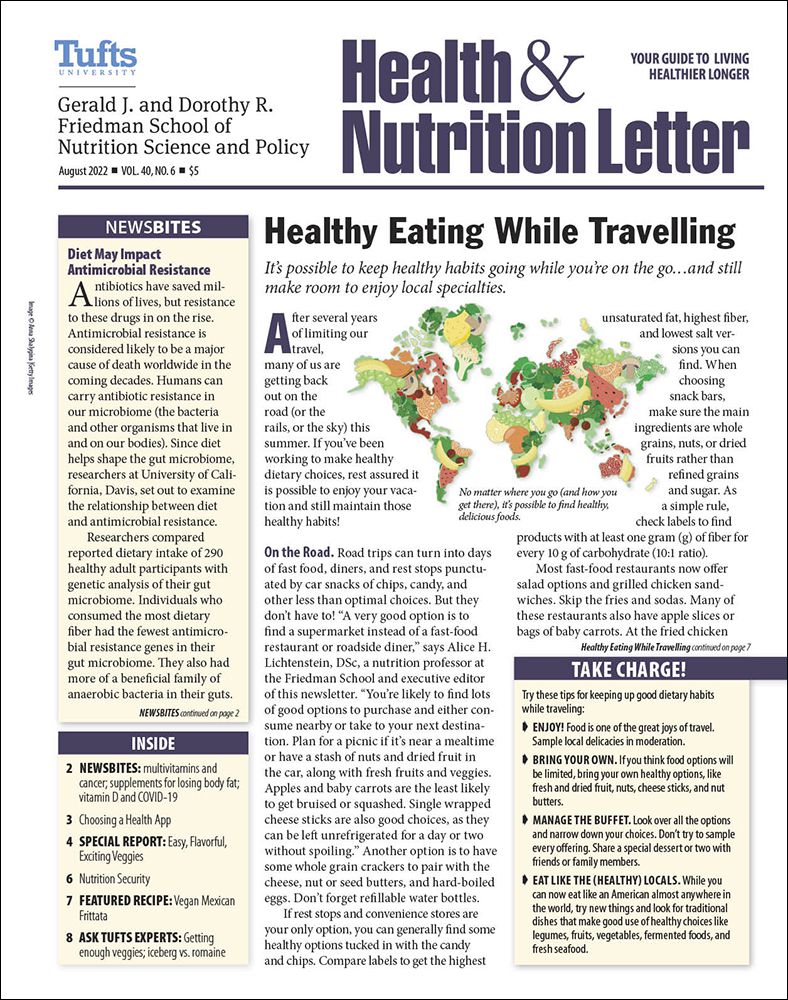
NEWSLETTERS: TUFTS HEALTH & NUTRITION – AUGUST 2022

Easy, Flavorful, Exciting Veggies

Knowing how to build flavor in vegetable dishes can help you enjoy more of these healthful foods.

The research is clear: eating more whole or minimally processed plants is better for our health. Knowing how to easily make foods like vegetables taste great can help you consume more of these health-promoting options in place of less healthful choices. Building Flavor. Most U.S. adults don’t meet the recommended intake of vegetables. When

Women’s Heart Disease: Three Steps To Lower Risk

Heart attack symptoms for women

The most common heart attack symptom in women is the same as in men — some type of chest pain, pressure or discomfort that lasts more than a few minutes or comes and goes.

But chest pain is not always severe or even the most noticeable symptom, particularly in women. Women often describe heart attack pain as pressure or tightness. And it’s possible to have a heart attack without chest pain.

Women are more likely than men to have heart attack symptoms unrelated to chest pain, such as:

  • Neck, jaw, shoulder, upper back or upper belly (abdomen) discomfort
  • Shortness of breath
  • Pain in one or both arms
  • Nausea or vomiting
  • Sweating
  • Lightheadedness or dizziness
  • Unusual fatigue
  • Heartburn (indigestion)

These symptoms may be vague and not as noticeable as the crushing chest pain often associated with heart attacks. This might be because women tend to have blockages not only in their main arteries but also in the smaller ones that supply blood to the heart — a condition called small vessel heart disease or coronary microvascular disease.

Dr. C’s Journal: Sexually Transmitted Disease (STDs)

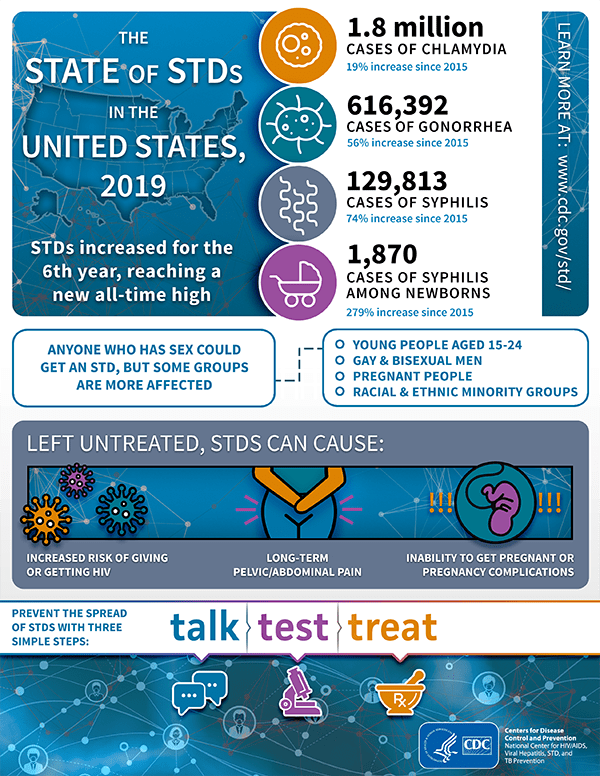
Sexually transmitted diseases are so common they deserve their own acronym, STDs. Down through the ages, Sexual activity with multiple partners has been so popular that the ever-resourceful bacteria, fungi, and viruses all compete for this ever present ecosystem. It is not uncommon to have multiple STDs at the same time.

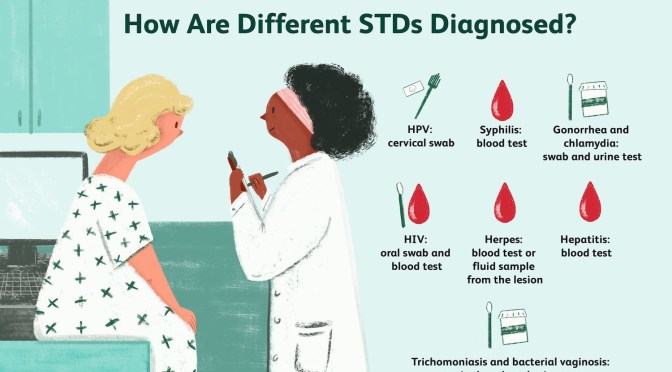
Since STDs have many symptoms and physical findings in common, it is essential to go to the doctor for a diagnosis; certainly the treatments very widely.

Until the mid 20th century, treatments were very unsatisfactory, and the infection of the vagina would often lead to deeper infections of the uterus and abdominal cavity; pelvic inflammatory disease (PID)was fairly common then, and still occurs in people foolish enough to postpone getting their problem treated properly.

The common STDs include bacterial vaginosis, chlamydia, gonorrhea, genital herpes, human papilloma virus infection(HPV), Syphillis  and Trichomoniasis. These are sufficiently different in their symptoms and treatment as to deserve their own discussion among the 101 common disorders. Now we have a new kid on the block, Monkeypox, that is helping out AIDS as a plague to the homosexual community.

I have a dear friend who is a physician for a student health department at a major university. STDs, depression, and other psychiatric problems are among the more common things that she sees in her practice.

—Dr. C.

Multimorbidity: Affects 95% Of Adults Over Age 65

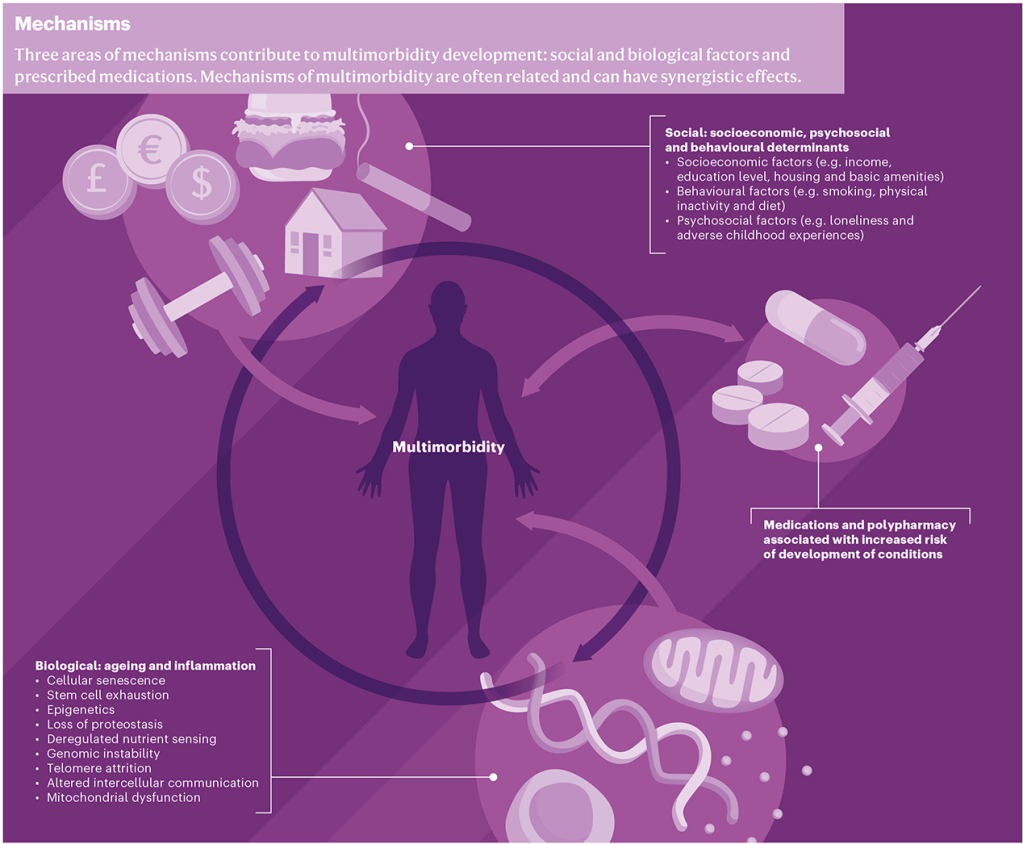
Multimorbidity (two or more coexisting conditions in an individual) is a growing global challenge with substantial effects on individuals, carers and society. Multimorbidity occurs a decade earlier in socioeconomically deprived communities and is associated with premature death, poorer function and quality of life and increased health-care utilization. Mechanisms underlying the development of multimorbidity are complex, interrelated and multilevel, but are related to ageing and underlying biological mechanisms and broader determinants of health such as socioeconomic deprivation. Little is known about prevention of multimorbidity, but focusing on psychosocial and behavioural factors, particularly population level interventions and structural changes, is likely to be beneficial. Most clinical practice guidelines and health-care training and delivery focus on single diseases, leading to care that is sometimes inadequate and potentially harmful. Multimorbidity requires person-centred care, prioritizing what matters most to the individual and the individual’s carers, ensuring care that is effectively coordinated and minimally disruptive, and aligns with the patient’s values. Interventions are likely to be complex and multifaceted. Although an increasing number of studies have examined multimorbidity interventions, there is still limited evidence to support any approach. Greater investment in multimorbidity research and training along with reconfiguration of health care supporting the management of multimorbidity is urgently needed.

Read more

Technology: Smart, Voice-Assisted Operating Rooms

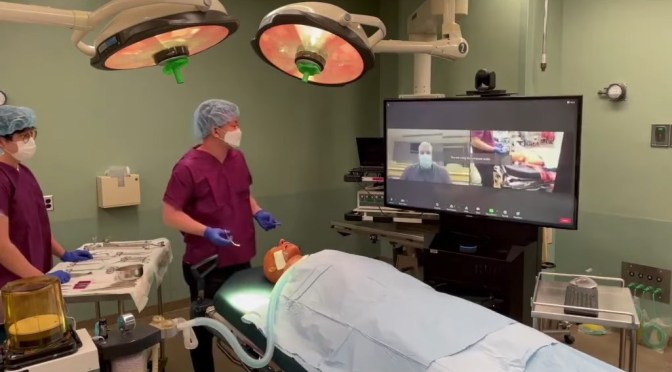
Are Amazon Alexa and Google Home limited to our bedrooms, or can they be used in hospitals? Do you envision a future where physicians work hand-in-hand with voice AI to revolutionize healthcare delivery? In the near future, clinical smart assistants will be able to automate many manual hospital tasks—and this will be only the beginning of the changes to come.

Voice AI is the future of physician-machine interaction and this Focus book provides invaluable insight on its next frontier. It begins with a brief history and current implementations of voice-activated assistants and illustrates why clinical voice AI is at its inflection point. Next, it describes how the authors built the world’s first smart surgical assistant using an off-the-shelf smart home device, outlining the implementation process in the operating room. From quantitative metrics to surgeons’ feedback, the authors discuss the feasibility of this technology in the surgical setting. The book then provides an in-depth development guideline for engineers and clinicians desiring to develop their own smart surgical assistants. Lastly, the authors delve into their experiences in translating voice AI into the clinical setting and reflect on the challenges and merits of this pursuit.

The world’s first smart surgical assistant has not only reduced surgical time but eliminated major touch points in the operating room, resulting in positive, significant implications for patient outcomes and surgery costs. From clinicians eager for insight on the next digital health revolution to developers interested in building the next clinical voice AI, this book offers a guide for both audiences.

Read more

Cancer Treatments: CAR-T Cell “Smart” Therapy

In war, we are familiar with “smart bombs” that home in on a laser-marked target, or a heat source. The same thing is happening in our battle with cancer. Everybody has had friends or relatives given chemotherapy, which affects all cells, but  cancer cells, since they are dividing more rapidly, suffer the most. However, the entire body is affected with weight loss, hair loss, anemia, leukopenia and other severe symptoms.

The two developments I would like to address here, are smart chemotherapy using ADCs, and smart immunotherapy using CAR-T cells.

In smart chemotherapy, a poisonous package is linked to an antibody which homes in on cancer cells having a specific membrane marker on their surface. For instance, many cancers, not just those of the breast, express HER-2 receptors. Antibodies specific for this receptor are attached to such drugs as doxorubicin, in a therapy called ADC. The coupled pair then home in on the cancer cell and kill it, sparing  the rest of the body most of the exposure to this toxic chemical. This is really a form of immunotherapy, since it uses antibodies.

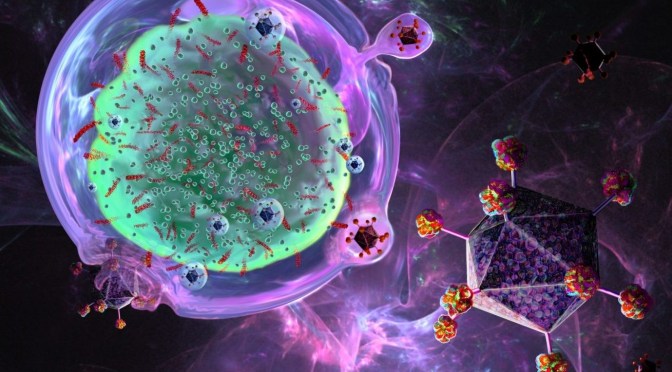
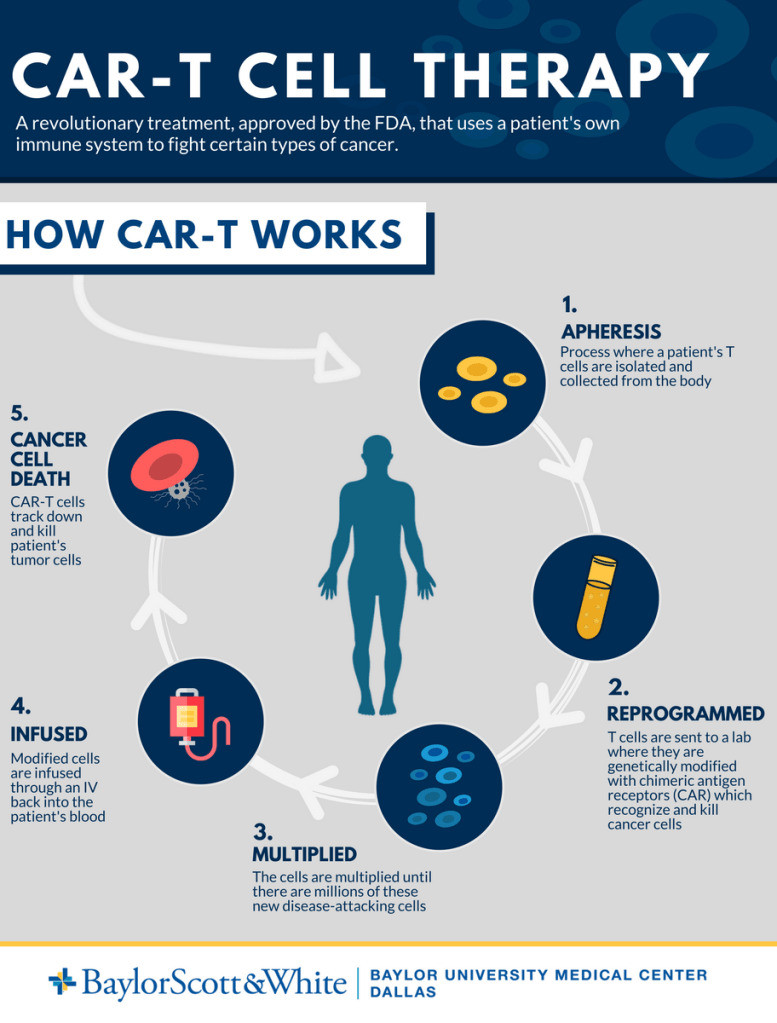
Smart cell therapy with CAR-T cells, uses T lymphocytes which normally have surface ligands that attach to various cells marked for killing. These T-cells have their targets genetically modified, with antibody receptors, to be specific for such things as CD 19 and BCMA on the surface of cancer cells. When infused, the T-cells latch on to the specified cancer cells and punch holes in them. The treatment can have some side effects, but they are usually much less severe than  regular chemotherapy.

CAR-T cell therapy has been very successful for blood cancers like leukemia, Lymphoma, and multiple myeloma. It can produce flu-like symptoms from the recruitment of lymphokines, and occasionally neurologic symptoms. It is currently successful in about a third of the cases, used as a second line therapy, and is very expensive.

It used to be that a cancer was classified according to its anatomic location, e.g. breast cancer, colon cancer, skin cancer. With increased knowledge, it is now becoming more important to know the surface markers of the cancer than the organ of origin.

—Dr. C.

JAMA Oncology Article

Read more

Diagnosis: What Is Painful Bladder Syndrome? (Q&A)

DEAR MAYO CLINIC: I am a 45-year-old woman with urinary challenges, including feeling the frequent urge to empty my bladder. My primary doctor said I might have interstitial cystitis and suggested I see a urogynecologist. Could you explain this condition? What are my treatment options, and will I recover?

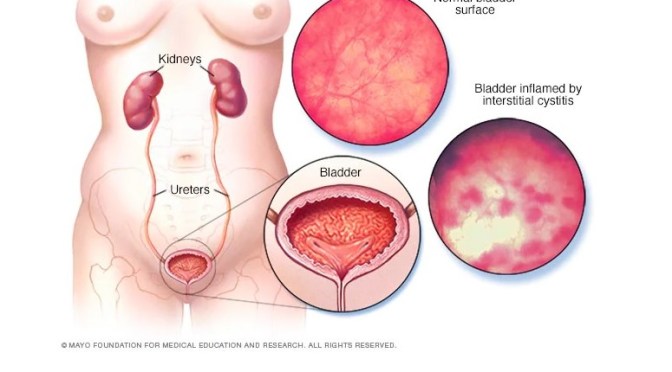
ANSWER: Cystitis is the medical term for inflammation of the bladder. Most of the time, the inflammation is caused by an infection. But interstitial cystitis, also called painful bladder syndrome, is different. It is a disease that causes pressure or pain in the bladder and pelvis that is associated with trying to hold urine.

Symptoms can range from mild burning or discomfort to severe pain and a persistent, urgent need to urinate. Interstitial cystitis is a chronic condition that can be difficult to treat, which is why your primary care provider suggested a urogynecologist.

A urogynecologist is a specialist who cares for women with pelvic floor disorders. This includes bladder leakage, pelvic organ prolapse and pelvic pain.

Unlike other forms of cystitis, researchers don’t know the exact reason for interstitial cystitis. But many theories exist regarding its cause.

Some researchers believe that people with interstitial cystitis have a defect in the protective lining, or epithelium, of their bladder. A leak in the epithelium may allow substances in urine to irritate the bladder wall, causing pain.

It’s also possible that problems with the pelvic nerves cause people who have interstitial cystitis to feel the need to urinate more often and with smaller volumes of fluid than most people. Other theories about the cause of interstitial cystitis include an autoimmune, hereditary, infectious or allergic condition, but none of these has been proven.

Read more

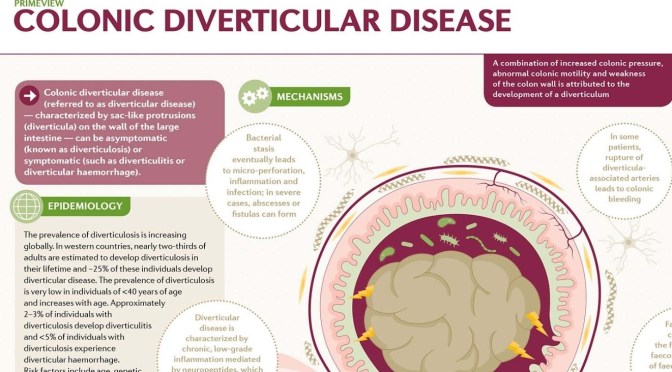
Infographic: Colonic Diverticular Disease

Colonic Diverticular Diseaes is a condition in which small, bulging pouches develop in the digestive tract. It’s common in people over age 40.

Usually, no symptoms occur, unless the diverticula become inflamed or infected (diverticulitis) which can result in fever and abdominal pain.

Treatment generally isn’t needed unless there is inflammation (diverticulitis).