

Colorectal cancer is comprised of colon cancer and rectal cancer, which originate in the lower portion of the large intestine and into the rectum. As with other cancers, screening for early detection should not be delayed. “The vast majority of the time, we don’t know exactly what causes any specific cancer,” says Dr. Jeremy Jones, a Mayo Clinic oncologist. “But there are a number of factors that can increase the risk of developing colon or rectal cancer.” Dr. Jones says one risk factor is increasing age. However, he adds that over the last 30 years younger patients have seen a 50% increased risk of developing colon and rectal cancers. In this Mayo Clinic Q&A podcast, Dr. Jones talks about risk factors, symptoms, treatment, health care disparities and the latest in colorectal cancer research. ____________________________________________
Videos

COVID-19: ‘WHY VARIANTS ARE SPREADING FASTER’
As highly transmissible coronavirus variants sweep across the world, scientists are racing to understand why these new versions of the virus are spreading faster, and what this could mean for vaccine efforts. New research says the key may be the spike protein, which gives the coronavirus its unmistakable shape. Illustration: Nick Collingwood/WSJ

Technology: Augmented Reality Improves Spine Surgery Outcomes (Video)
Kay suffered from debilitating muscle cramping and lower back pain due to spondylolisthesis, a common condition in the lumbar spine. When nonsurgical treatment options failed, she turned to spine neurosurgeon Timothy Witham for help. He used a new augmented reality technology to accurately place spinal instrumentation in her back. Seven months after surgery, Kay has resumed her daily pursuits without pain and is enjoying life.

MEDICAL RESEARCH: ‘NEXT GENERATION VACCINES’
Vaccine science and technology is advancing. Next generation vaccines could change how we combat infectious diseases, and it’s important to understand how the technology works.

COVID-19: PENN MEDICINE EXPLAINS MRNA VACCINES
Vaccines are about to change the world…again. mRNA Vaccines are currently being used to battle COVID-19, and have the potential to eradicate diseases like HIV, herpes, sickle cell anemia, and even cancer. Learn how the vaccines work and where the technology could be headed in this explainer video.
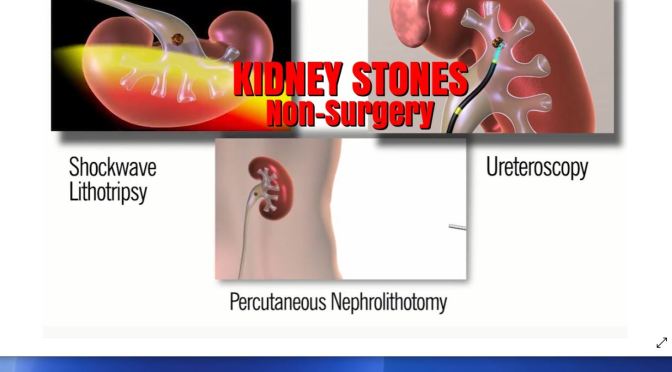
MEDICINE: ‘NON-SURGICAL TREATMENT OF KIDNEY STONES’ (CLEVELAND CLINIC)
Observation is a non-surgical approach in which we allow the stone to pass on its own. The smaller the stone, the better the chance that it will pass. The benefit of observation is that you avoid having surgery.

Heart Failure: ‘What It Is & How To Treat It’ (Video)
The heart is a hero. It works relentlessly to deliver oxygen and nutrients to the body. But just like all heroes, sometimes it gets tired, and can’t do its job as well. This is called heart failure – the inability for the heart to pump enough blood and oxygen to the lungs and rest of the body. In this video, Northwestern Medicine cardiologists Clyde W. Yancy, MD, MSc and Jane E. Wilcox, MD, MSc explain what heart failure is and the integrated and collaborative approach used to diagnose, stage and treat heart failure at Northwestern Medicine. For more information, visit http://heart.nm.org
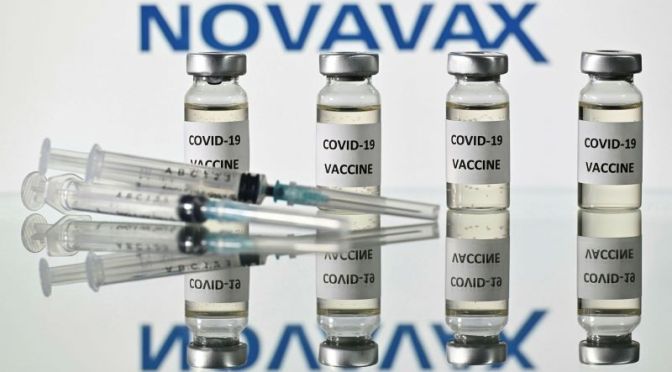
PROTEIN VACCINE: NOVAVAX PRIMES IMMUNE SYSTEM TO MAKE ANTIBODIES (VIDEO)
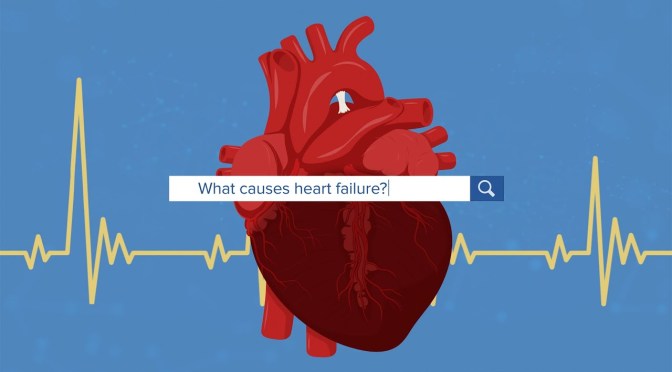
YALE MEDICINE: ‘WHAT CAUSES HEART FAILURE?’
The heart is a muscle and it’s main job is to pump blood but certain things can cause that muscle to fail. There are genetic reasons, there are reasons related to valve disease, and there’s a viral infection that affects the heart called myocarditis.
The most common cause of heart failure is a heart attack. Fatty plaque builds up in the blood vessel that supplies the heart itself and unless that blood vessel is opened up immediately that muscle will die. The rest of the muscle that’s not dead anymore has to do extra to keep on pumping the blood and overtime it cannot keep and that’s when heart failure develops.
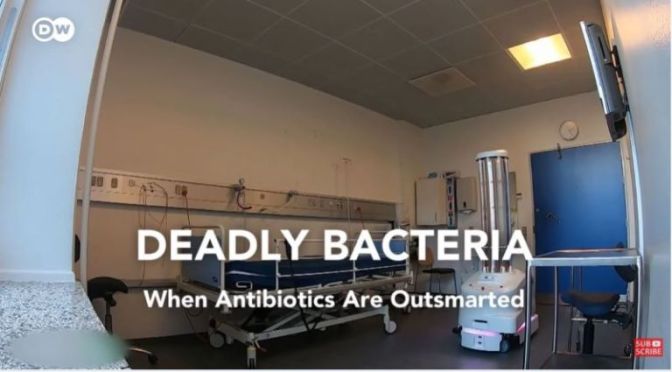
ANALYSIS: MULTIRESISTANT BACTERIA THAT OUTSMART ANTIBIOTICS (VIDEO)
Antimicrobial resistance is one of the greatest medical challenges of our time. Among the causes are industrial livestock farming, poor hygiene in hospitals, and the misuse of antibiotics. This documentary looks at approaches to fighting multiresistant strains of bacteria.
Each year 33,000 people in Europe die after becoming infected with bacteria that are resistant to antibiotics. Hygiene specialist Dr. Ron Hendrix has been working for years to prevent outbreaks of infectious disease in hospitals. Dr. Hendrix says that he and other experts in the Netherlands recognized early on that they’d have to fight the spread of bacteria just as actively as they would the actual infection.
Hendrix has convinced a number of German hospitals to re-open their diagnostic laboratories, as well. In the early 2000s, many of these labs had been shut down as a cost-cutting measure. And farmers in Denmark voluntarily chose to sharply reduce their use of antibiotics, after evidence showed that intensive livestock farming caused multiresistant bacteria to multiply.
Infectious disease specialist Dr. Patrick Soentjens was able to convince Belgium’s health ministry to allow the use of “phages” to treat stubborn antimicrobial resistant pathogens. Phages are special viruses that kill bacteria. Dr. Soentjens is certain that this well-known, but largely forgotten option could save many lives. Belgium has become the first western European country where phages have been officially recognized as a legitimate medical treatment.
 Doctors Without Waiting Rooms