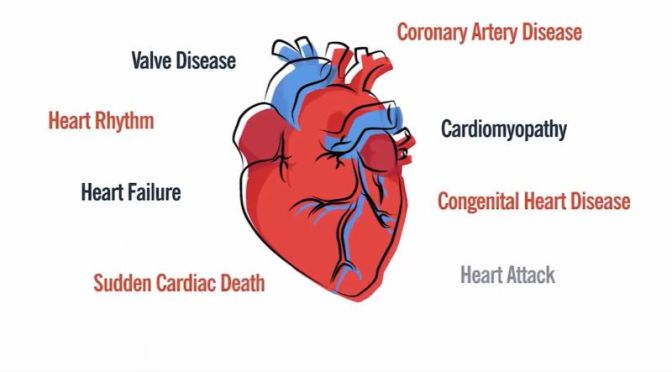
There are lots of things you can do to prevent heart disease! The key is to live a healthy lifestyle and see your doctor for regular checkups.
To learn more about heart disease risk factors, please visit https://cle.clinic/3r3iKQh

There are lots of things you can do to prevent heart disease! The key is to live a healthy lifestyle and see your doctor for regular checkups.
To learn more about heart disease risk factors, please visit https://cle.clinic/3r3iKQh
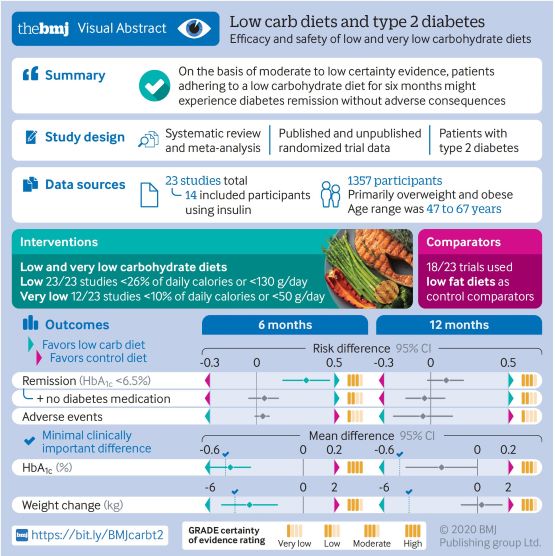
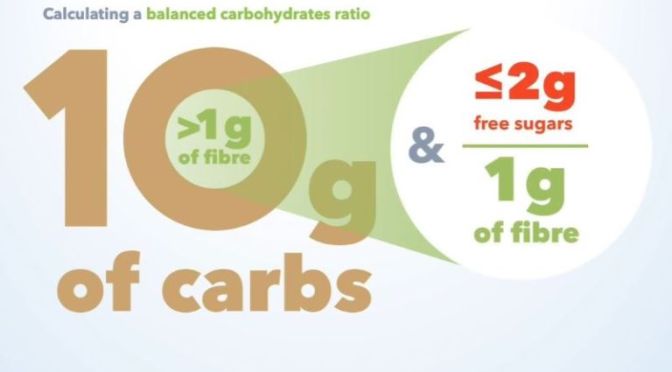
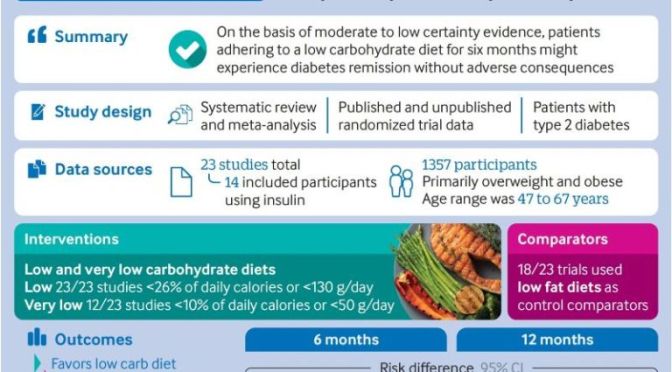
Are all carbohydrates equally important to you? Considering carbohydrate quantity but also quality has a crucial importance for a healthy and balanced nutrition. Balanced Carbohydrate Ratio has been developed and scientifically proven in order to identify products and diets with the most optimal carbohydrate content.
‘Something is in my eye” is a feeling that everyone has had, and it doesn’t take much to create that sensation. A speck of dust, a grain of sand, a gnat or an ill-behaved eyelash will do it. Most of the time your eye will tear up and the offender is washed away.
As I get older, this sensation is more frequent. I look at my eyes in the mirror, and there is no one-sided redness, displaced lash or anything else I can see. When I saw the doctor for my cataract surgery a couple of years ago, he took a sample of my tears, and found a deficit in the fatty component. He recommended twice daily, five minute warming of my eyes, but I stopped doing it after a while.
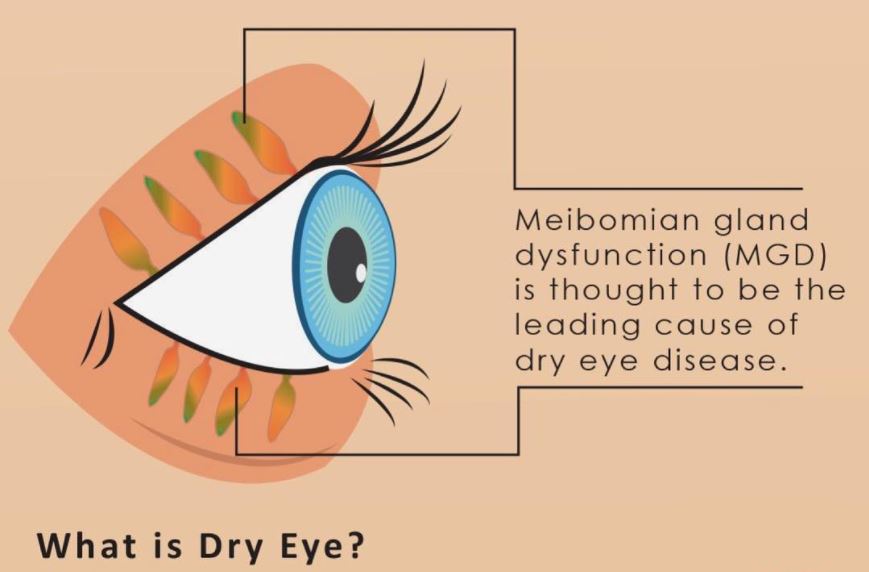
I have so many picky little things I do that this extra time didn’t see worth it. I know that my eyes are dry, which is common in older people, and often use “Refresh-plus” individual, preservative-free ampoules, which seems definitely worth the trouble. It makes my eyes feel better, alleviates the gritty sensation, and even clarifies my vision. I have also resumed warming my eyes with a clean washcloth, moistened with hot water, when I take my shower.
I fancy that I am stimulating my meibomian glands like the eye surgeon intended, to increase the lipid content of my tears. I’ll keep you posted. There are a number of other disorders which can cause the eye symptom, as the accompanying article indicates. Be sure that if the discomfort is more than trivial, or the affected eye is red, or if vision is affected, that you consult your eye doctor, or at least your primary care Physician.
President Biden has released a health care plan that proposes reducing the age of eligibility for Medicare to 60 years and introducing a public option. Larry Levitt, MPP, Executive Vice President for Health Policy at the Kaiser Family Foundation, and Karen Joynt Maddox, MD, MPH, Co-Director of the Center for Health Economics and Policy (CHEP) at @Washington University School of Medicine, and Lawrence O. Gostin, JD from the O’Neill Institute for National and Global Health Law at Georgetown University discuss prospects for health care reform under the new administration. Recorded January 21, 2021.
How does each of the available Covid-19 vaccines work?
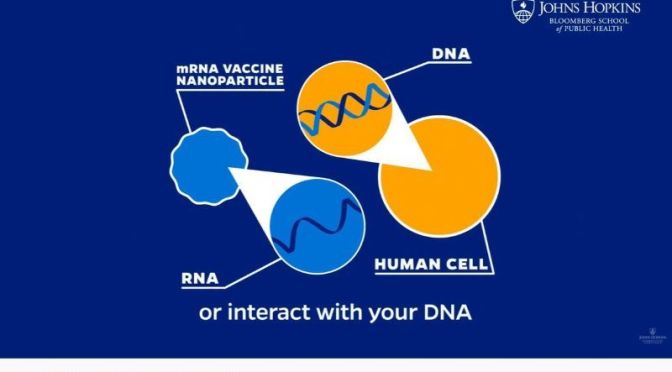
Once the vaccine is injected, the mRNA is taken up by the macrophages near the injection site and instructs those cells to make the spike protein. The spike protein then appears on the surface of the macrophages, inducing an immune response that mimics the way we fight off infections and protects us from natural infection with SARS-CoV-2. Enzymes in the body then degrade and dispose of the mRNA. No live virus is involved, and no genetic material enters the nucleus of the cells.
Although these are the first mRNA vaccines to be broadly tested and used in clinical practice, scientists have been working on mRNA vaccines for years. And despite this wonderful parody piece. opens in new tab saying that the technology is “obvious,” in fact the breakthrough insight that put the mRNA inside a lipid coating to prevent it from degrading is quite brilliant — and yes, this may be the first time the New England Journal of Medicine has referenced a piece in The Onion. (Last reviewed/updated on 11 Jan 2021)
How should early side effects be managed?
Analgesics and antipyretics such as acetaminophen or ibuprofen are effective in managing post-vaccine side effects including injection-site pain, myalgias, and fever. However, the CDC does not recommend prevaccine administration of these drugs, as they could theoretically blunt vaccine-induced antibody responses.
Because of the small risk of anaphylaxis, sites that administer the vaccines must have on hand strategies to evaluate and treat these potentially life-threatening reactions. The CDC has issued recommendations on how sites should prepare. opens in new tab. (Last reviewed/updated on 11 Jan 2021)
How long will the vaccines work? Are booster doses required?
Since the vaccines have been tested only since the summer of 2020, we do not have information about the durability of protection. Data from the phase 1 trial of the Moderna vaccine suggested that neutralizing antibodies persisted for nearly 4 months. opens in new tab, with titers declining slightly over time. Given the absence of information on how long the vaccines will be protective, there is currently no specific recommendation for booster doses. (Last reviewed/updated on 11 Jan 2021)
Do the vaccines prevent transmission of the virus to others?
Many commentaries on the results of the vaccine clinical trials cite a lack of information on asymptomatic infection as a limitation in our knowledge about the vaccines’ effectiveness. Indeed, this is a theoretical concern, since up to 40% of people who get infected with SARS-CoV-2 have no symptoms but may still transmit the virus to others.
Nonetheless, there are several good reasons to be optimistic about the vaccines’ effect on disease transmission. First, in the Moderna trial. opens in new tab, participants underwent nasopharyngeal swab PCR testing at baseline and testing at week 4, when they returned for their second dose. Among those who were negative at baseline and without symptoms, 39 (0.3%) in the placebo group and 15 (0.1%) in the mRNA-1273 group had nasopharyngeal swabs that were positive for SARS-CoV-2 by RT-PCR. These data suggest that even after one dose, the vaccine has a protective effect in preventing asymptomatic infection.
Second, findings from population-based studies now suggest that people without symptoms are less likely to transmit the virus to others. Third, it would be highly unlikely in biological terms for a vaccine to prevent disease and not also prevent infection. If there is an example of a vaccine in widespread clinical use that has this selective effect — prevents disease but not infection — I can’t think of one!
Until we know more, however, we should continue to emphasize to our patients that vaccination does not allow us to stop other important measures to prevent the spread of Covid-19. We need to continue social distancing, masking, avoiding crowded indoor settings, and regular hand washing. (Last reviewed/updated on 11 Jan 2021)
Join CNET during CES 2021 for talks with three medical luminaries to discuss what we’ve gained — and need to fix — with telehealth over a turbulent pandemic year.
Messenger RNA—or mRNA—vaccines have been in development for decades, and are now approved for use against COVID-19. Here’s how they work and what you should know about them. Visit https://www.jhsph.edu/covid-19 for even more resources.




 Doctors Without Waiting Rooms