
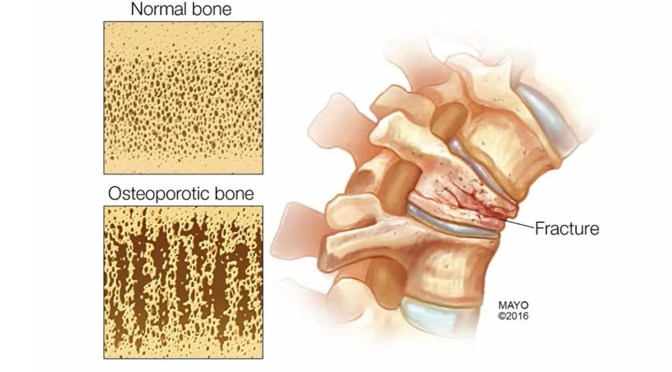
Bones are living organisms that build and break down, but when the body loses more bone than it makes, problems can arise. Early detection and treatment can help those with bone loss maintain active lifestyles. Dr. Ejigayehu Abate, a Mayo Clinic endocrinologist, explains what women should know about osteoporosis.
Tag Archives: Videos
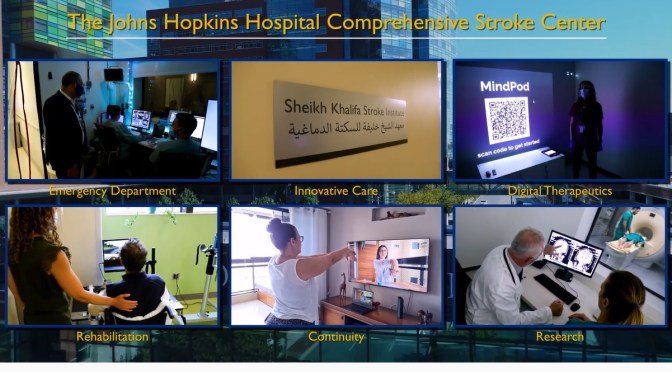
Hospital Tech: The Johns Hopkins Stroke Center
The mantra of The Johns Hopkins Hospital’s Comprehensive Stroke Center is “time is brain.” Innovations and teamwork help ensure that this mantra applies to all stages of stroke recovery. Take a peek into the multifaceted treatment strategies offered by the center’s team of experts.
These include stroke risk screenings, hyperacute emergency treatments, innovative hospital care such as digital therapeutics, early rehabilitation, programs to ensure smooth transitions to home, and cutting-edge clinical research. The Stroke Center team is on a mission to improve the life of every patient who has had a stroke. #Stroke #JohnsHopkins
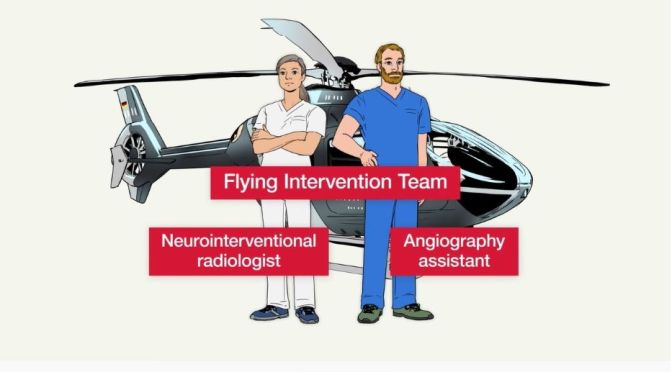
Emergency Care: Flying Intervention Team Use In Acute Ischemic Stroke
In a nonrandomized controlled intervention study published in JAMA, researchers in Germany assessed whether deployment of a flying interventional team, consisting of a neurointerventional radiologist and an angiography assistant, was associated with a shorter time to endovascular thrombectomy for patients in rural or intermediate population areas in Southeast Bavaria.
This video explains the study design. Click https://ja.ma/FIT for full details.
COMMENTARY:
Stroke prevention by a healthy lifestyle, including a good diet, regular exercise, and sleep is of course preferable to treatment.
However, stroke still claims more than 100,000 lives per year in the United States, and is a major factor in disability.
Recognition of a stroke is the first crucial step, and has been discussed in DWWR previously; FAST is the Menmonic and guiding principle. Ask the patient to smile, and it may be assymmetric, with one side drooping. Ask the patient to raise both arms, and one may drift down. Ask the patient to repeat a simple sentence, and he may be unable to do so. And above all be speedy, since time is of the essence, and treatment must take place within a very few hours.
Modern medical centers in large cities frequently have a team dedicated to treating stroke. The patient goes for a CT or MRI while the Catheter team assembles. An intravenous clot dissolver, tPA, is often used, or possibly a catheter is inserted into an artery and guided to the proper location. Sometimes the clot is mechanically removed as in the accompanying video.
The helicopter stroke response team featured in the posting is one aspect of the speed that is so essential; any delay will result in death, sometimes permanently, of brain cells.
Acute Heart attack treatment is basically similar to stroke, and was the pioneering venture into the interventional radiology described above. Also, the heart may be the source of the clots that lodge in the brain, especially from atrial fibrillation.
Please enjoy the following video which shows how mechanical clot removal is achieved.
—Dr. C.
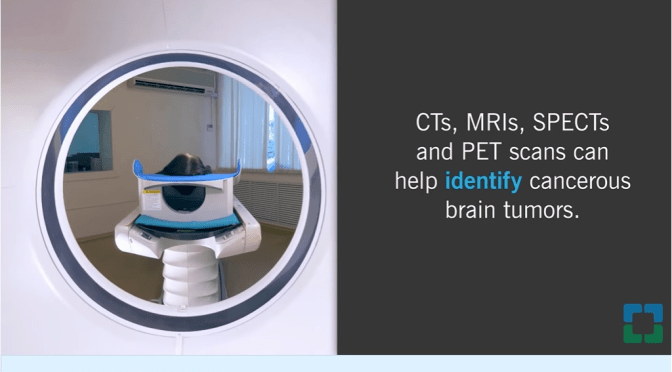
Cleveland Clinic: Primary Malignant Brain Tumors
A brain tumor is an abnormal growth or mass of cells in or around the brain. It is also called a central nervous system tumor. Tumors that develop in the brain are called primary tumors. Tumors that spread to the brain after forming in a different part of the body are called secondary tumors or metastatic tumors. This video focuses on primary malignant brain tumors.
Chapters: 0:00 What is a primary malignant brain tumor? 0:31 What are the main kinds of malignant brain tumors? 1:35 How are brain tumors graded? 1:57 How are primary malignant brain tumors treated? 2:53 When should you see your provider?
For more information on brain tumors, please visit https://cle.clinic/2R1OXLr

Technology: How AI Is Helping To Cure Blindness

Diets: Southern Foods Up Risks Of Chronic Disease
Warmer weather brings more opportunities for picnics, barbecues and gatherings around food. But before you reach for a second helping, consider if what you’re eating may be increasing your risk for chronic disease. Dr. Ivan Porter II, a nephrologist at Mayo Clinic. Dr. Porter explains dietary changes can have a significant impact on their blood pressure and overall health.
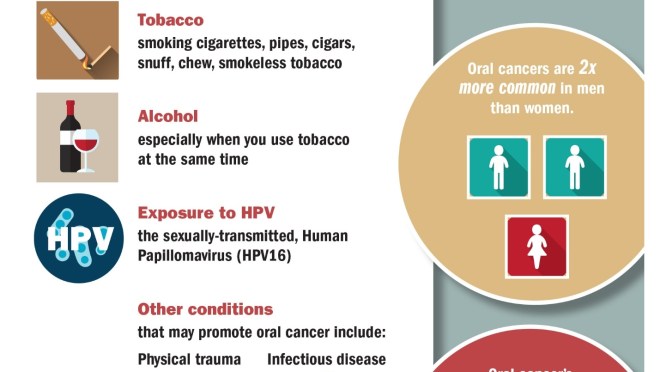
Mayo Clinic: Treating And Preventing Oral Cancer
Oral (mouth) cancer is complicated. It’s okay to have questions. Get informed: https://mayocl.in/3xu4GFH If you or someone you know has been diagnosed with oral cancer, you may be asking yourself a lot of questions. Our experts are here to help you answer them.
Chapters: 0:00 Introduction 0:15 What can I do to prevent oral cancer? 0:45 What is my chance of cure? 1:33 What do oral cancer patients need to know about mental health? 2:33 As a caregiver, how can I support someone with oral cancer? 3:23 How can I be the best partner to my medical team? 2:55 Ending
What is oral cancer? https://bit.ly/37l5Ybx

Skin Cancer Removal: The Benefits Of Mohs Surgery
Mohs surgery is a highly effective skin cancer removal procedure that takes just a few hours. It is most often used to treat basal cell and squamous cell carcinomas, the two most common skin cancers.
Chapters: 0:00 How effective is Mohs Surgery? 0:23 When is Mohs Surgery used? 0:50 How does Mohs Surgery work? 1:55 Does Mohs Surgery cure skin cancer? 2:06 How long is the recovery period after Mohs Surgery?
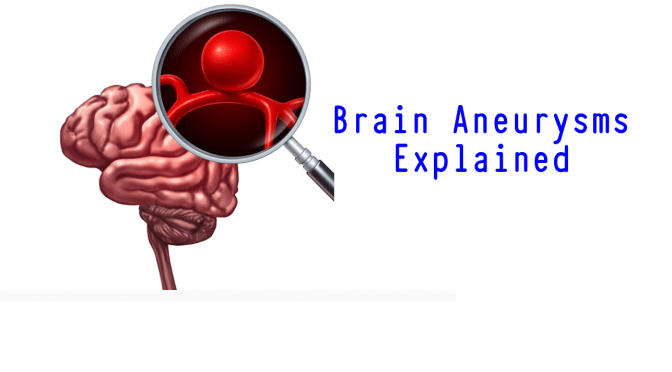
Mayo Clinic: Treatments For Brain Aneurysms
Robert D. Brown Jr., M.D., M.P.H., E. Paul Lindell, M.D.,Giuseppe Lanzino, M.D., and Harry Cloft, M.D., Ph.D., explain what a brain aneurysm is and the different treatment options there are at Mayo Clinic for a patient with a brain aneurysm.
Mayo Clinic neurovascular experts care for 17,000 people each year with aneurysms, strokes, and other blood vessel and cerebrovascular conditions. Each brain aneurysm is unique. Your doctor will use state-of-the-art arterial imaging to evaluate, diagnose and assess the aneurysm’s risk of rupture.
Every patient has team of doctors working together to create an individualized path of care. Some aneurysms do not require surgery and are closely monitored instead.
Find out about the care you can receive for brain aneurysms at Mayo Clinic at https://mayocl.in/370ZldS
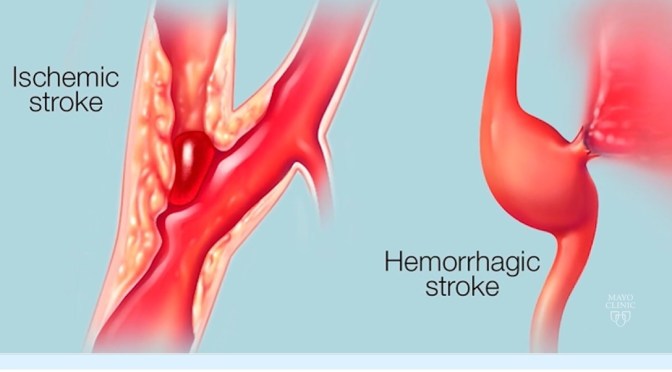
Neurovascular Disease: Stroke Awareness & Care
Mayo Clinic’s Eugene L. Scharf, M.D., Robert D. Brown Jr., M.D., M.P.H. and Harry Cloft, M.D., Ph.D. discuss how the team at Mayo Clinic provides each patient individualized care to help maximize quality of life. 700,000 to 800,000 people in the United States have a stroke each year. Many people can lower their risk of stroke with medical risk factor modification. When a stroke occurs, prompt treatment is crucial. Every minute counts and can reduce brain damage and other complications. “Some patients who would have had a devastating stroke come out of the hospital with no deficient, no difficulties whatsoever,” says Robert D. Brown Jr., M.D., M.P.H.
 Doctors Without Waiting Rooms