Penn Medicine Videos (July 14, 2023) – Penn Orthopaedics offers multiple options for joint replacement surgery, including the latest robotic knee and hip replacement technologies.
In this video, Dr. Travers, Director of the Penn Orthopaedics Robotics and Navigation Program, discusses what robotic joint replacement surgery is and how it differs from traditional joint replacement surgery, as well as the benefits of this procedure.
We also hear from three patients who recount their personal experiences before and after robotic knee replacement surgery.
Mount Sinai Health System (May 31, 2023) – When and how often to have a screening mammogram is a choice you must make. Different expert groups do not fully agree on the best timing for this test.
Before having a mammogram, talk to your provider about the pros and cons of having the test. Ask about:
Whether screening decreases your chance of dying from breast cancer
Whether there is any harm from breast cancer screening, such as side effects from testing or overtreatment of cancer when it’s discovered
Mammography is performed to screen women to detect early breast cancer when it is more likely to be cured. Mammography is generally recommended for:
Women starting at age 40, repeated every 1 to 2 years. (This is not recommended by all expert organizations.)
All women starting at age 50, repeated every 1 to 2 years.
Women with a mother or sister who had breast cancer at a younger age should consider yearly mammograms. They should begin earlier than the age at which their youngest family member was diagnosed.
Mammography is also used to:
Follow a woman who has had an abnormal mammogram.
Evaluate a woman who has symptoms of a breast disease. These symptoms may include a lump, nipple discharge, breast pain, dimpling of the skin on the breast, changes of the nipple, or other findings.
NEJM Group (May 25, 2023) – Glucocorticoids can help mitigate the adverse consequences of pneumonia, but whether they can reduce mortality in severe community-acquired pneumonia is unknown. New research findings are summarized in a short video.
CONCLUSIONS
Among patients with severe community-acquired pneumonia being treated in the ICU, those who received hydrocortisone had a lower risk of death by day 28 than those who received placebo.
Mayo Clinic (May 17, 2023) – Learning about a brain tumor can be intimidating. Alyx Porter, M.D., a neuro-oncologist at Mayo Clinic, walks you through the facts, the questions, and the answers to help you better understand this condition.
Video timeline:0:00 Introduction 0:37 What is a brain tumor? 1:38 Who gets a brain tumor? / Risk factors 2:26 Symptoms of a brain tumor 3:36 How is a brain tumor diagnosed? 4:13 Treatment options 6:24 Coping methods/ What now? 7:14 Ending
Mayo Clinic (May 11, 2023) – In the U.S., HPV is linked to about 70% of throat and mouth cancers. And more than 70% of those cancers are diagnosed in men, according to the Centers for Disease Control and Prevention.
Treatment for throat and mouth cancers, also referred to as oropharyngeal or head and neck cancers, will depend on location and stage of the cancer as well as other factors. Dr. Phillip Pirgousis, a Mayo Clinic head and neck surgeon, says patients have safer, less invasive surgical treatments available to them thanks to ongoing innovation.
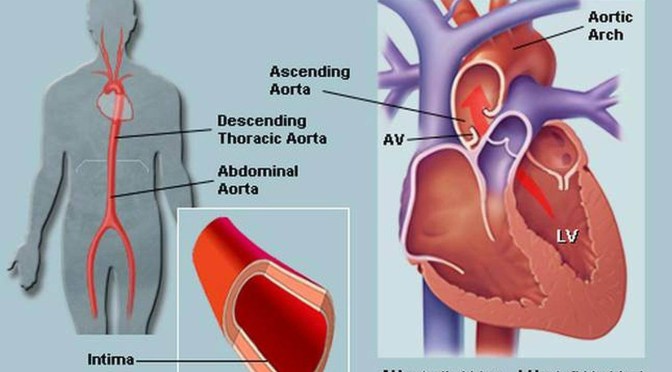
Yale Medicine (April 29, 2023) – The aorta is a complex organ responsible for carrying blood to all organs and tissues in the body. Many disease conditions with catastrophic complications are associated with aortic pathologies, including aneurysm disease, aortic dissection, aortic ulcer and hematoma.
Care of patients with aortic diseases remains highly complex and requires the combined expertise of a multidisciplinary team of cardiovascular surgeons, neurologists, cardiac anesthesiologists, vascular surgeons, and specialized advanced practice providers.
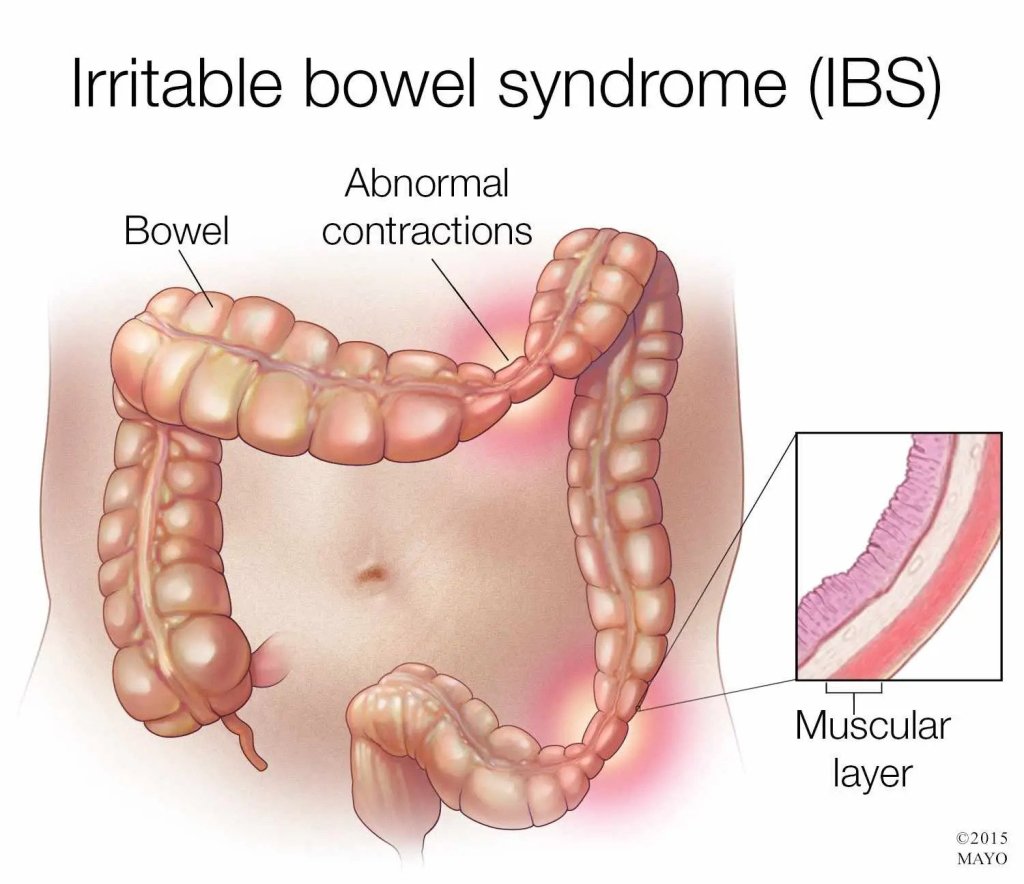
Mayo Clinic (April 27, 2023) – Dr. Brian Lacy says irritable bowel syndrome, or IBS, is a chronic condition that affects the intestinal tract. It can cause painful stomach cramps, diarrhea and constipation.
IBS is now categorized as a disorder of gut-brain interaction, which means that there’s a problem with how the gut and brain communicate with each other. He says stress plays a key role. There’s no cure for IBS, but symptoms can be managed. Try eating smaller, more frequent meals, and exercising regularly. Deep breathing and yoga are also helpful to reduce stress.
Scripps Research (April 11, 2023) – From smartwatches and fitness bands to glucose monitors and in-home ultrasounds, the proliferation of digital devices is igniting a revolution in healthcare and medical research.
Patients can now collect thousands of data points about themselves and share that information with their healthcare providers. At the Scripps Research Translational Institute, researchers are taking advantage of new technology to study disease in novel ways.
Their projects include a platform for early detection of disease outbreaks, a sleep quality study, and even a way to predict and individual’s risk of certain disease based on their genetics. In this video, hear directly from the team about this exciting new frontier.
Cleveland Clinic (April 6, 2023) – About 5.7 million adults in the U.S. have bipolar disorder. The lifelong mental health condition, which includes four different types, is known for the maniac and depressive episodes someone experiences.
Chapters: 0:00 Intro 0:26 What is bipolar disorder? 0:50 What does a manic episode feel like? 1:18 What does a depressive episode feel like? 2:00 How to manage bipolar disorder
What is bipolar disorder?
Bipolar disorder (formerly known as manic-depressive illness or manic depression) is a lifelong mood disorder and mental health condition that causes intense shifts in mood, energy levels, thinking patterns and behavior. These shifts can last for hours, days, weeks or months and interrupt your ability to carry out day-to-day tasks.
There are a few types of bipolar disorder, which involve experiencing significant fluctuations in mood referred to as hypomanic/manic and depressive episodes. However, people with bipolar disorder aren’t always in a hypomanic/manic or depressive state. They also experience periods of normal mood, known as euthymia.
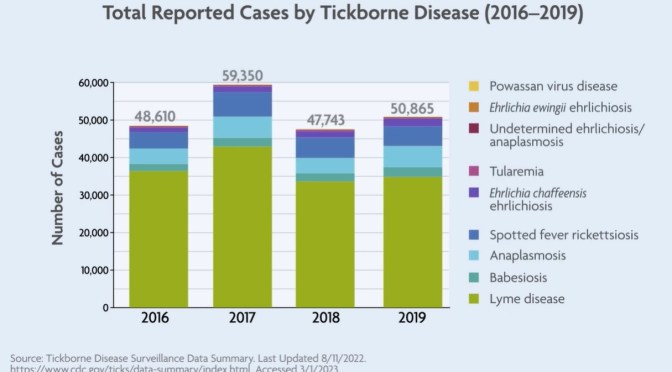
NEJM Group (March 29, 2023) – In this Double Take video from the New England Journal of Medicine, Sam Telford and Robert Smith provide a clinical overview of the various tickborne diseases commonly encountered across the United States, including Lyme disease, babesiosis, and anaplasmosis, among others.
Starting with characteristics of ticks and their ability to act as disease vectors, the video reviews the clinical presentation of these infections, clues on physical examination, and laboratory tests to consider when encountering a patient with a potential tickborne infection.
Tick-borne diseases are transmitted through the bite of an infected tick. These include Lyme disease, Anaplasmosis, Ehrlichiosis, Babesiosis, Powassan (POW), Rocky Mountain Spotted Fever, and Tularemia. Ticks can be infected with bacteria, viruses, or parasites.
Empowering Patients Through Education And Telemedicine




 Mount Sinai Health System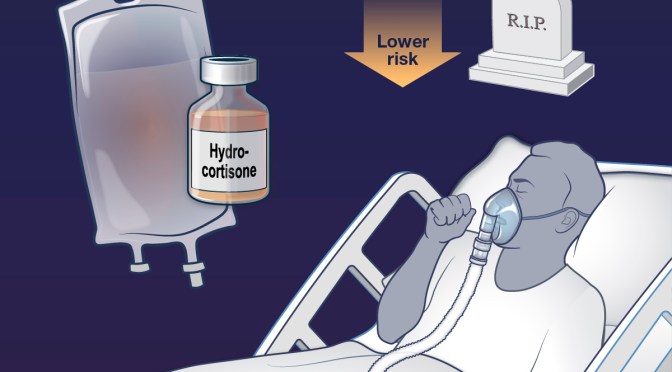
 NEJM Group
 Mayo Clinic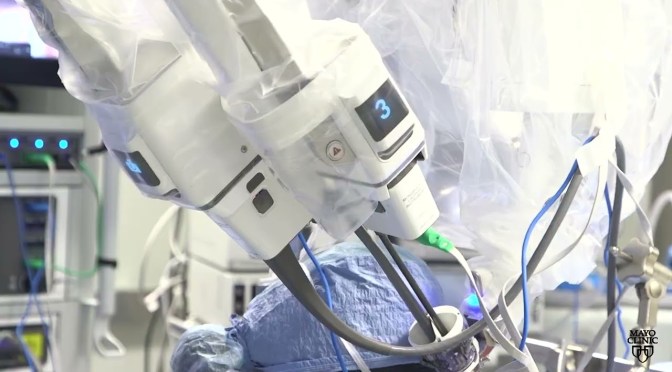







 Doctors Without Waiting Rooms