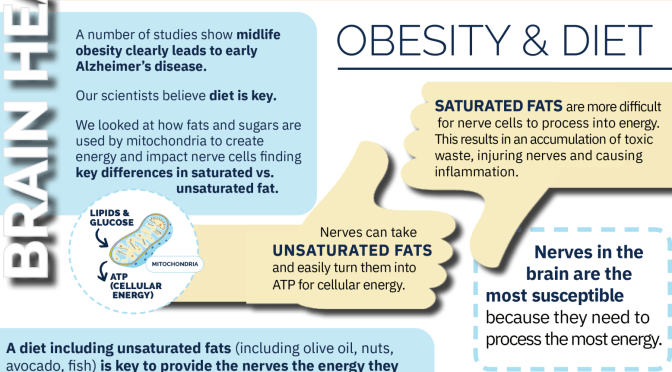
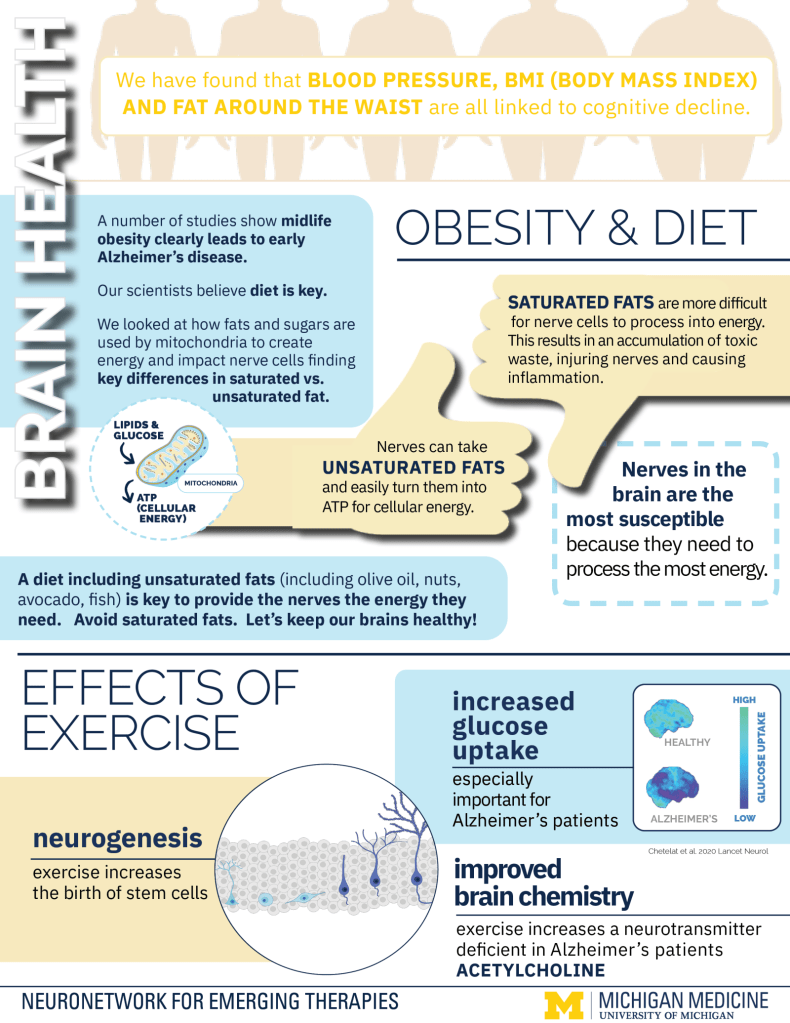
Cognitive Decline: Obesity & Poor Diet Are Top Risks

In this video, you’ll learn the basics of how to treat a high blood glucose result with a Correction Dose of insulin, how to calculate the Correction Dose, and when not to give a Correction Dose.
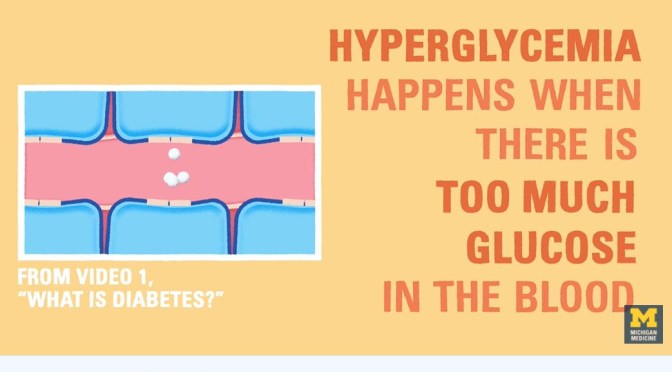
In this video, you’ll learn about what causes hyperglycemia, what symptoms to look for, and how it affects the health of people living with type 1 diabetes.
COMMENTARY:
Hyperglycemia refers to an excess of glucose in the blood stream. The fact that we do not all have hyperglycemia is a tribute to the fine-tuned regulation, or homeostasis, of the normal body,
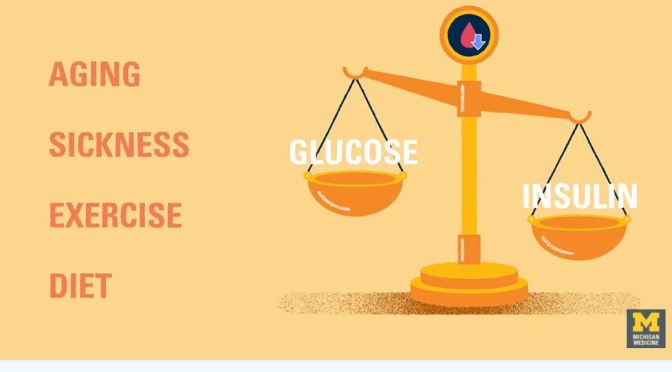
Glucose is our main source of energy especially for the brain. When we eat, our intestinal tract breaks down the complex starches and sugars we eat into glucose, which is absorbed into the bloodstream. This triggers the pancreatic beta cells to produce insulin, which allows glucose to get through the cell membrane and into our cells.
Hyperglycemia results mainly when pancreas produces insufficient insulin, or our cells exhibit insulin resistance. This can occur in diabetes, other diseases affecting the pancreas or stressful conditions which decreases insulin sensitivity.
Excess of glucose in the blood stream washes out water and salts with excessive urination, causing thirst, and drying out of the cells; the distorted vision of hyperglycemia is one such symptom thot results.
In the most common types of hyperglycemia, the cells are starved of glucose, and need to breakdown fats for energy. This produces a ketosis, or acidosis of the bloodstream, increasing the dehydration.
My wife suffered from diabetes, and had her only severe episode in Canada. She started vomiting before we discovered the high blood sugar, and couldn’t drink enough fluids by mouth. She was hospitalized in Canada and received excellent treatment with intravenous fluid and insulin.
Over the years, chronic excess of sugar attached to the protein of her cells, as manifested by excessive hemoglobin A-1 C, or glycohemoglobin, in her bloodstream. She passed away a decade ago.
A healthy lifestyle, with good sleep, diet and exercise is essential
Sugar should be considered a poison.
Regular vegetables fruits and cereal grains help avoid the excess sugar of fast foods. Exercise helps to utilize extra sugar and mitigate stress.
Please refer to the article on hyperglycemia by the Mayo clinic for a more complete discussion.
—Dr. C.
Read morehttps://www.mayoclinic.org/diseases-conditions/hyperglycemia/symptoms-causes/syc-20373631
A new study by a team from the University of Michigan Institute for Healthcare Policy and Innovation shows that adults over age 50 place more importance on convenience-related factors, rather than reputation, when choosing a doctor.
The study, based on data from IHPI’s National Poll on Healthy Aging supported by AARP and Michigan Medicine, still shows that online ratings and reviews of physicians play an important role, and should receive attention from providers and policymakers.
Dr. Jeffrey Kullgren, a U-M primary care physician and lead author of the study, describes the findings.
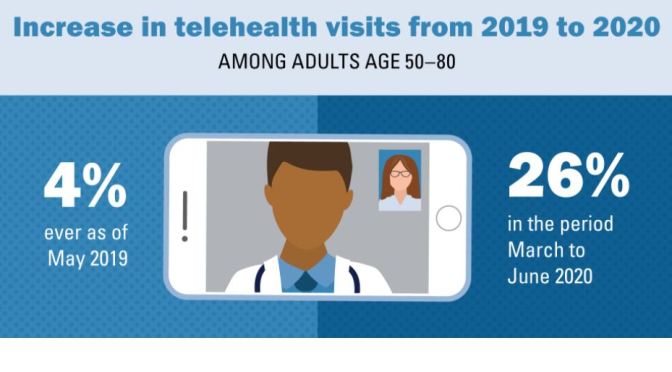
From 2019 to 2020, there was a substantial increase in the proportion of older adults who reported that their health care providers offered telehealth visits. In May 2019, 14% of older adults said that their health care providers offered telehealth visits, compared to 62% in June 2020.
Similarly, the percentage of older adults who had ever participated in a telehealth visit rose sharply from 4% in May 2019 to 30% in June 2020. Of those surveyed in 2020, 6% reported having a telehealth visit prior to March 2020, while 26% reported having a telehealth visit in the period from March to June 2020.
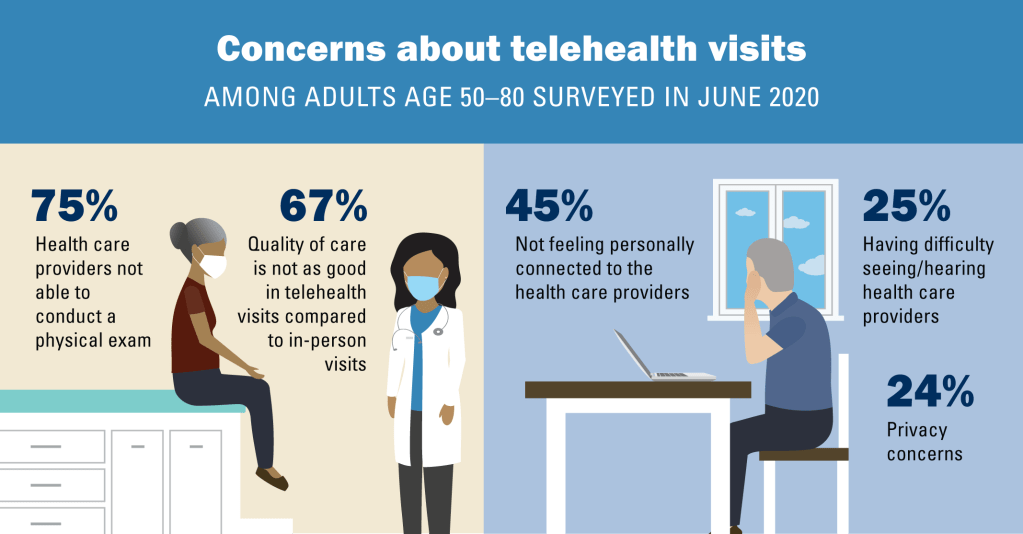
Over the past year, some concerns about telehealth visits decreased among adults age 50–80 whether or not they had a telehealth visit. Older adults’ concerns about privacy in telehealth visits decreased from 49% in May 2019 to 24% in June 2020, and concerns about having difficulty seeing or hearing health care providers in telehealth visits decreased from 39% in May 2019 to 25% in June 2020. Concerns about not feeling personally connected to the health care provider decreased slightly (49% to 45%).

From Phys.org/Univ. of Michigan (June 9, 2020):

“On a high-sugar diet, we find that the fruit flies’ dopaminergic neurons are less active, because the high sugar intake decreases the intensity of the sweetness signal that comes from the mouth,” Dus said. “Animals use this feedback from dopamine to make predictions about how rewarding or filling a food will be. In the high-sugar diet flies, this process is broken—they get less dopamine neuron activation and so end up eating more than they need, which over time makes them gain weight.”
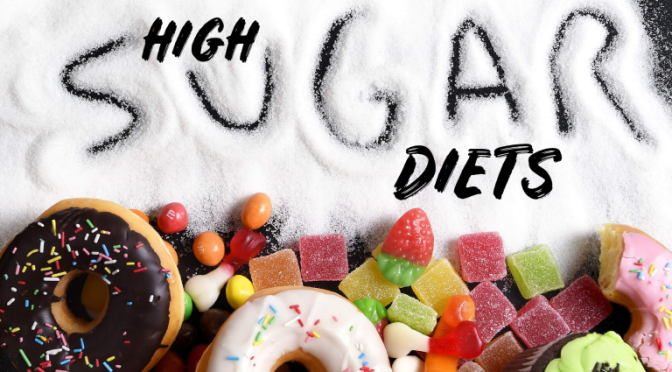
It is well known that consuming food and drink high in sugar is not great for us, but scientists are continuing to unravel the intricacies of how the sweet stuff drives negative health outcomes. The latest finding comes from researchers at the University of Michigan, who through studies in fruit flies have found that excess amounts of sugar can shut down crucial neural circuits linked to regulating satiety, possibly leading to overeating in humans.
COMMENTARY
SUGAR IS A POISON.
A novel illustration of sugars’ lethality was the Georgia sugar refinery explosion in 2008, which killed 14 people. Finely ground sugar is flammable.
Sugar appeared early in civilization, but it was expensive, sparing all but the wealthy of its’ depredations, mainly tooth decay. Only with the post WWII expansion of wealth was it consumed excessively to produce the diseases of overeating. The developed world now consumes over 70 pounds of sugar per person, amounting to over 250 CALORIES PER DAY!
This article shows how SUGAR acts like a DRUG In its INTERFERENCE with the DOPAMINERGIC Reward system. The neurons send less signal, so you need MORE SUGAR to satisfy.
The metabolic systems through which overeating and sugar causes the OBESITY, DIABETES, VASCULAR DISEASE and Early DEMENTIA are convoluted.The best detailed explication is in the NEJM article in intermittent fasting, a healthful practice that is the polar opposite of overeating.
Two very important metabolic mechanisms are discussed, the mTOR system and the Sirtuin system. These systems are important for NUTRIENT SENSING and repair, and conserved in all animals. They worked just fine in our early ancestors.
It seems that primitive man was not blessed (or is it cursed) with easy overabundance or food, and actually spent hours or days in Hunger. When times were good, his body put on muscle, and stored fat against the hard times to come. This is called ANABOLISM. When times were bad, his body went into repair mode, and used the fat for energy. This is called CATABOLISM.
Anabolism has evolved expressly for Young Animals, where extra food is welcome for Growth. After the growing and Reproductive years, our Bodies’ evolutionary “warrant” expires, since the genes it carries have already been spread. Our older bodies are left to deal with machinery more suited to an earlier vibrancy. Our metabolism didn’t evolve to deal with the calories we shove into our aging Bodies. Many mechanisms beneficial in the young prove harmful later on. This divergence has been called “ antagonistic pleiotropy”.
Whatever the explanation, the observation remains: if adults eat more than they can use, they gain weight. With insufficient exercise, this weight is fat. With excessive fat, the joints, blood vessels, liver, heart and brain suffer, and lifespan is shortened.
RETHINK YOUR LIFESTYLE AS SOON AS POSSIBLE. AVOIDING SUGAR, and ALL THINGS CONTAINING SUGAR is as good a place as any to start. You will be rewarded by being able to fully taste and enjoy the natural sweetness of many REAL FOODS, and afforded a longer life to partake in this pleasure.
 Doctors Without Waiting Rooms