Tag Archives: Reviews

Insomnia: Can Cognitive Behavioral Therapy Help?

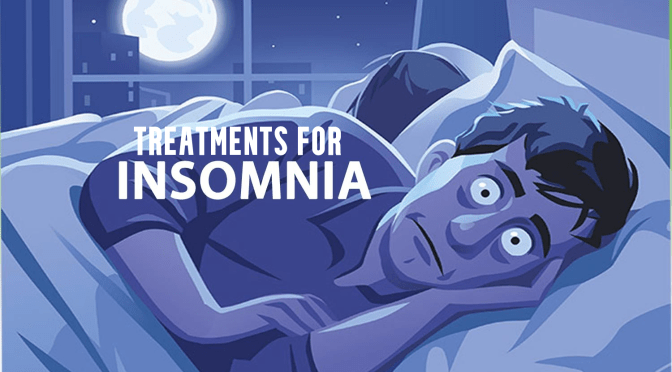
May 4, 2023: Difficulty initiating and maintaining sleep is a common problem for many patients. Over-the-counter sleeping aids are used by many and we commonly get asked for prescription medications to help with their sleep.

Unfortunately, the ideal sleeping medication doesn’t exist and many have potentially worrisome adverse effects, some produce daytime somnolence and others may have the potential to produce dependence.

Cognitive behavioral therapy is an alternative treatment option to pharmacologic therapy and is safe, can be easily taught, and offers an alternative to the many with chronic insomnia. In this podcast, we’ll discuss this innovative treatment option with sleep expert, Michael H. Silber, M.B.Ch.B., a neurologist at the Mayo Clinic. 

Heart Health: How The Aorta Functions (Yale)

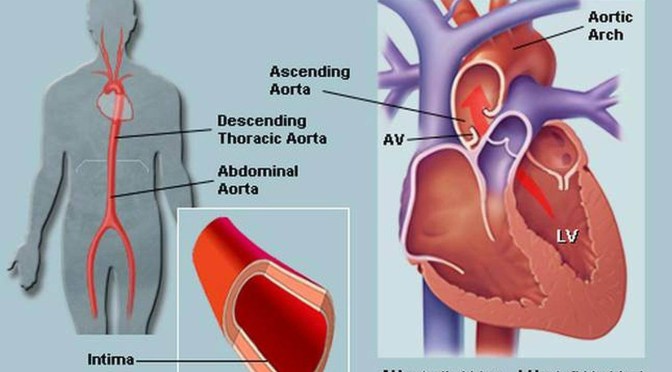
Yale Medicine (April 29, 2023) – The aorta is a complex organ responsible for carrying blood to all organs and tissues in the body. Many disease conditions with catastrophic complications are associated with aortic pathologies, including aneurysm disease, aortic dissection, aortic ulcer and hematoma.

Care of patients with aortic diseases remains highly complex and requires the combined expertise of a multidisciplinary team of cardiovascular surgeons, neurologists, cardiac anesthesiologists, vascular surgeons, and specialized advanced practice providers.

Reviews: Young-Onset Colorectal Cancer

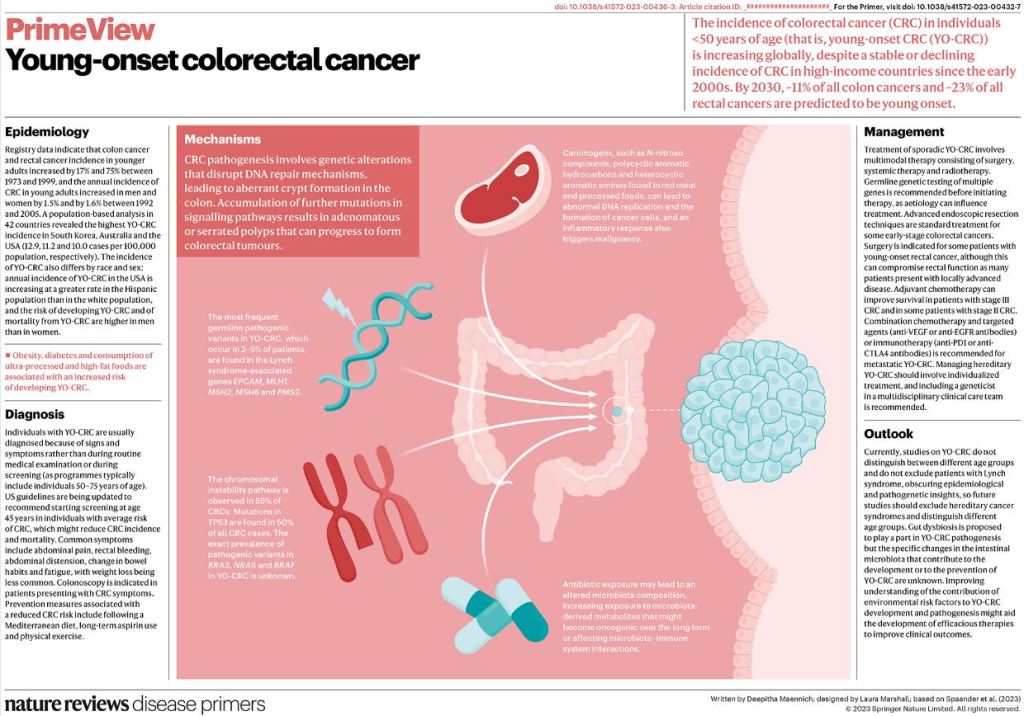
In the past decades the incidence of colorectal cancer (CRC) in people under the age of 50 years has increased, which is referred to as early-onset CRC or young-onset CRC (YO-CRC). YO-CRC is expected to account for 11% of colon cancers and 23% of rectal cancers by 2030. This trend is observed in different parts of the world and in both men and women. In 20% of patients with YO-CRC, a hereditary cancer syndrome is found as the underlying cause; however, in the majority of patients no genetic predisposition is present.

Beginning in the 1950s, major changes in lifestyle such as antibiotic use, low physical activity and obesity have affected the gut microbiome and may be an important factor in YO-CRC development. Owing to a lack of screening, patients with YO-CRC are often diagnosed with advanced-stage disease. Long-term treatment-related complications should be taken into account in these younger patients, making the more traditional sequential approaches of drug therapy not always the most appropriate option.

To better understand the underlying mechanism and define relationships between environmental factors and YO-CRC development, long-term prospective studies are needed with lifestyle data collected from childhood.

Read more

Coping With Irritable Bowel Syndrome (IBS)

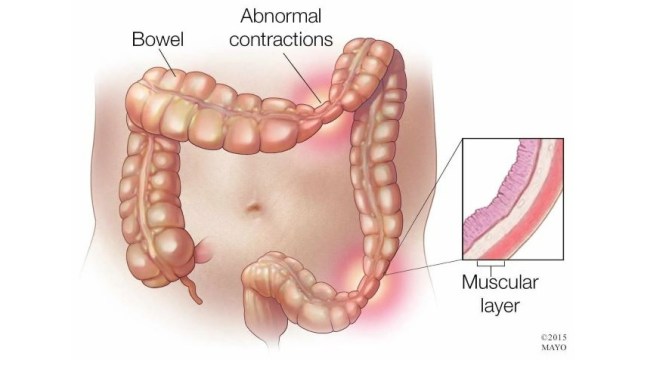
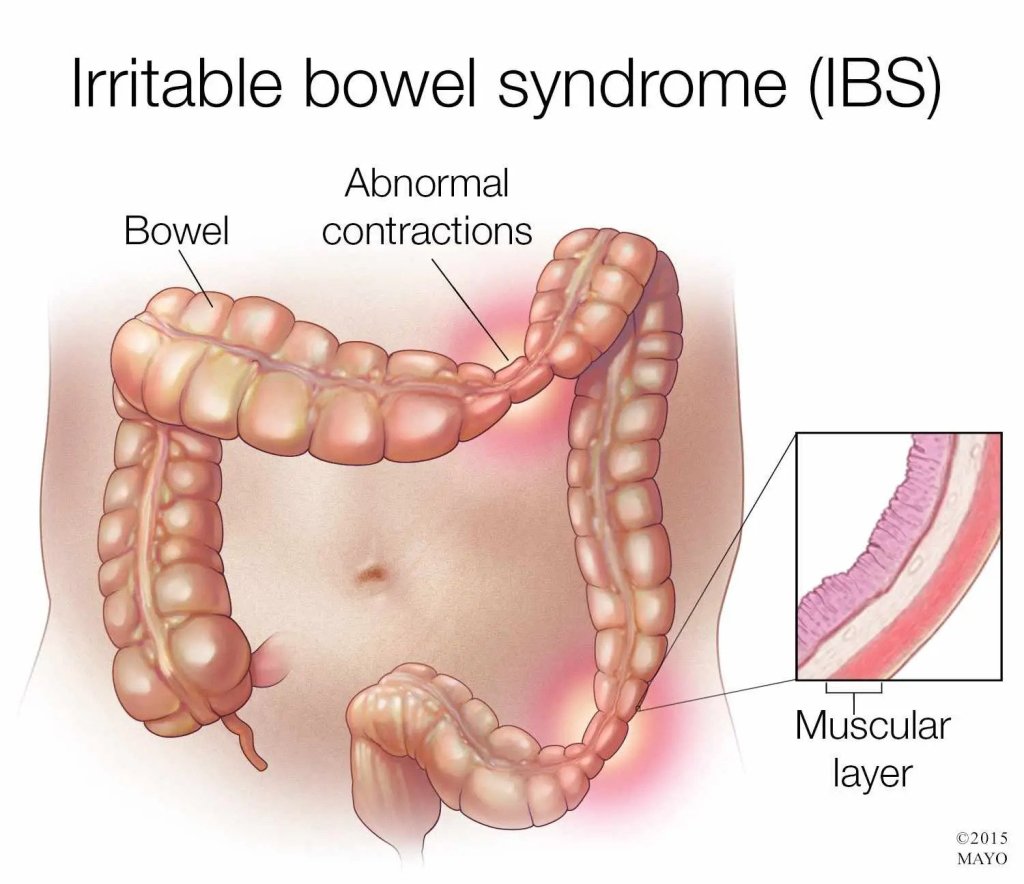
Mayo Clinic (April 27, 2023) – Dr. Brian Lacy says irritable bowel syndrome, or IBS, is a chronic condition that affects the intestinal tract. It can cause painful stomach cramps, diarrhea and constipation.

IBS is now categorized as a disorder of gut-brain interaction, which means that there’s a problem with how the gut and brain communicate with each other. He says stress plays a key role. There’s no cure for IBS, but symptoms can be managed. Try eating smaller, more frequent meals, and exercising regularly. Deep breathing and yoga are also helpful to reduce stress.

READ MORE

STUDIES: ALCOHOL ABUSE INCREASES CHRONIC PAIN

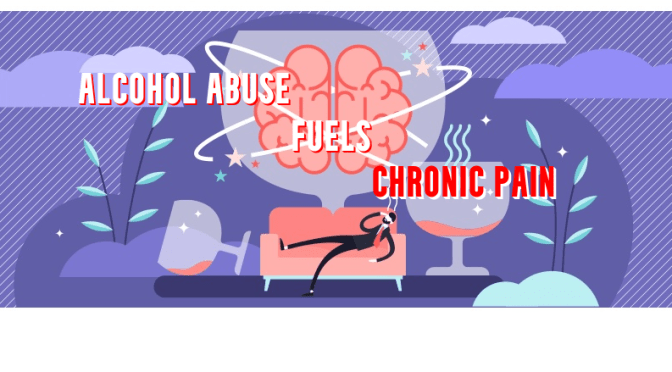
Scripps Research (April 21, 2023) – Chronic alcohol consumption may make people more sensitive to pain through two different molecular mechanisms—one driven by alcohol intake and one by alcohol withdrawal. That is one new conclusion by scientists at Scripps Research on the complex links between alcohol and pain.

The research, published in the British Journal of Pharmacology on April 12, 2023, also suggests potential new drug targets for treating alcohol-associated chronic pain and hypersensitivity.

“There is an urgent need to better understand the two-way street between chronic pain and alcohol dependence,” says senior author Marisa Roberto, PhD, the Schimmel Family Chair of Molecular Medicine, and a professor of neuroscience at Scripps Research. “Pain is both a widespread symptom in patients suffering from alcohol dependence, as well as a reason why people are driven to drink again.”

Alcohol use disorder (AUD), which encompasses the conditions commonly called alcohol abuse, alcohol dependence and alcohol addiction, affects 29.5 million people in the U.S. according to the 2021 National Survey on Drug Use and Health.  Over time, AUD can trigger the development of numerous chronic diseases, including heart disease, stroke, liver disease and some cancers.

READ MORE AT SCRIPPS RESEARCH

Infographic: Binge Eating Disorder (BED) Diagnosis

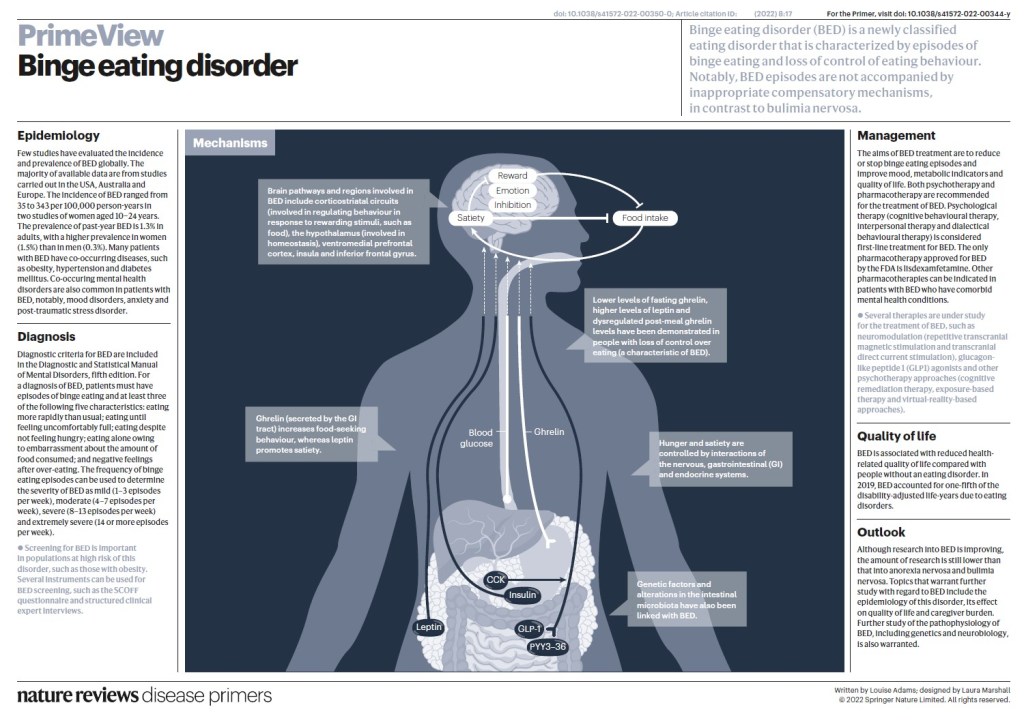
Binge eating disorder (BED) is characterized by regular binge eating episodes during which individuals ingest comparably large amounts of food and experience loss of control over their eating behaviour. The worldwide prevalence of BED for the years 2018–2020 is estimated to be 0.6–1.8% in adult women and 0.3–0.7% in adult men. BED is commonly associated with obesity and with somatic and mental health comorbidities. People with BED experience considerable burden and impairments in quality of life, and, at the same time, BED often goes undetected and untreated.

READ MORE

Bipolar Disorder: How It Is Diagnosed & Managed

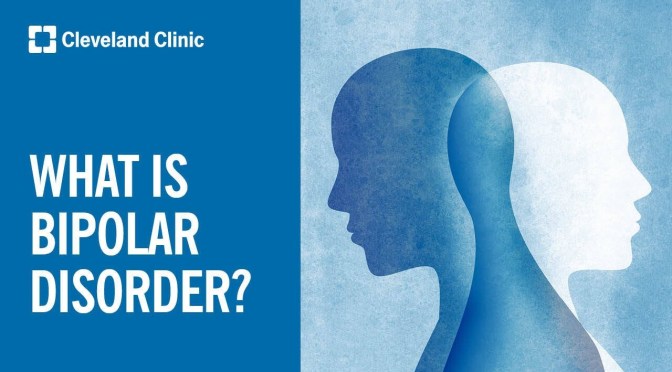
Cleveland Clinic (April 6, 2023) – About 5.7 million adults in the U.S. have bipolar disorder. The lifelong mental health condition, which includes four different types, is known for the maniac and depressive episodes someone experiences.

Chapters: 0:00 Intro 0:26 What is bipolar disorder? 0:50 What does a manic episode feel like? 1:18 What does a depressive episode feel like? 2:00 How to manage bipolar disorder

What is bipolar disorder?

Bipolar disorder (formerly known as manic-depressive illness or manic depression) is a lifelong mood disorder and mental health condition that causes intense shifts in mood, energy levels, thinking patterns and behavior. These shifts can last for hours, days, weeks or months and interrupt your ability to carry out day-to-day tasks.

There are a few types of bipolar disorder, which involve experiencing significant fluctuations in mood referred to as hypomanic/manic and depressive episodes. However, people with bipolar disorder aren’t always in a hypomanic/manic or depressive state. They also experience periods of normal mood, known as euthymia.

READ MORE at Cleveland Clinic

Colon Cancer Options: Intraoperative Radiation Therapy Vs Radiation

What is the difference between intraoperative radiation therapy and normal radiation? Is radiation a standard treatment option, or are there other approaches?

Mayo Clinic (March 28, 2023):

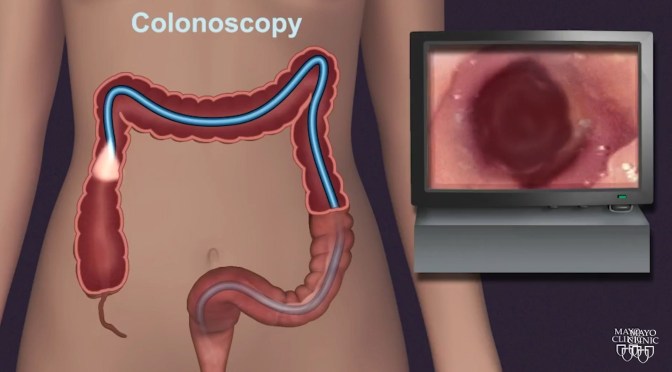
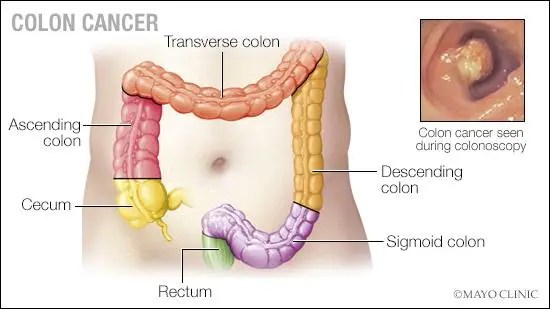
ANSWER: Colon cancer is one of the most common malignancies in the U.S., with more than 100,000 new cases diagnosed each year. Over a lifetime, it is estimated that 1 in 23 men and 1 in 26 women will be diagnosed with colon cancer. Typical colon cancers start as a polyp-like growth in the inside layer of the colon, which can be seen during a colonoscopy. Most cancer organizations recommend starting colonoscopy screenings at age 45.

When the treatment team is concerned about achieving negative margins, or removing the entire tumor with an edge of normal tissue around the specimen, intraoperative radiation therapy may be considered. Intraoperative radiation therapy rarely is used for colon cancer, but, when necessary, the area of concern is directly targeted with a single fraction of radiation during surgery. 

When a mass is found during a colonoscopy or cancer is suspected, biopsies are taken and reviewed by a pathologist. In this scenario, most patients are asymptomatic. Without preventive colon cancer screenings, a tumor may grow to an advanced stage before it causes any symptoms that a patient or health care professional would recognize. The most common signs and symptoms of colon cancer are anemia, which may lead to fatigue; abdominal pain; blood in the stool or other bowel changes; weight loss; and signs of obstruction.

Once colon cancer is diagnosed, the next step is a staging examination. This involves a history and physical examination; blood work; confirmation that a full colonoscopy has been performed; and CT scans of the chest, abdomen and pelvis. The results of these tests will allow your health care professional to assign a clinical stage. In stages 1 and 2, the tumor remains in the colon wall with no evidence that it has spread further. With stage 3, there is concern that the tumor cells have spread to the regional lymph nodes, and in stage 4 colon cancer, the tumor cells have spread outside of the local area to other organs  most commonly the liver, lungs or peritoneum.

Surgery is the mainstay of treatment for stages 1, 2 and 3 disease and is usually the first step in the treatment process. The segment of the colon bearing the tumor is removed, along with the draining lymph nodes. The ends of the intestine are reconnected, and the specimen is sent to the pathologist who then performs a histologic examination of the colon and the associated lymph nodes. The pathologist will assign a final pathologic stage to the tumor, which will dictate the need for any additional treatment.

Spinal Stenosis: Causes &Treatment (Mayo Clinic)

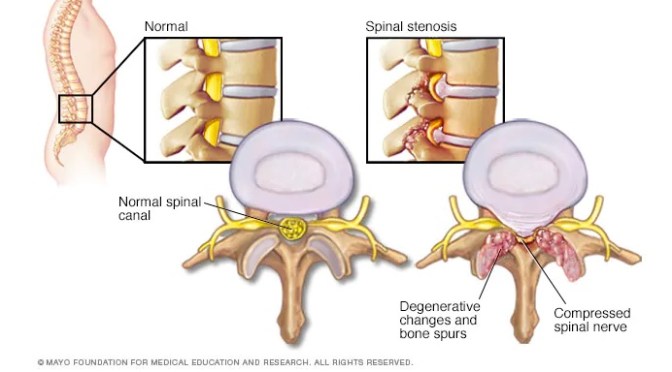
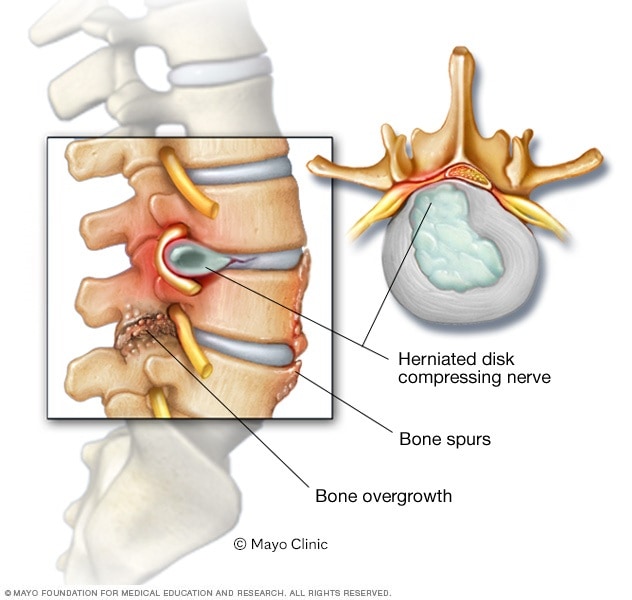
Mayo Clinic (March 30, 2023) – Spinal stenosis happens when the space inside the backbone is too small. This can put pressure on the spinal cord and the nerves that travel through the spine. Spinal stenosis occurs most often in the neck, called cervical spinal stenosis, and in the lower back, called lumbar spinal stenosis.

Spinal stenosis - Symptoms and causes - Mayo Clinic

The most common cause of spinal stenosis is wear-and-tear changes in the spine related to arthritis. Most people with spinal stenosis are over 50. Younger people may be at higher risk of spinal stenosis if they have scoliosis or other spinal problems.

Symptoms

Spinal stenosis often causes no symptoms. When symptoms do occur, they start slowly and get worse over time. Symptoms depend on which part of the spine is affected.

Spinal stenosis in the neck can cause:

  • Numbness
  • Tingling or weakness in a hand, leg, foot or arm
  • Problems with walking and balance
  • Neck pain
  • Problems with the bowel or bladder

Spinal stenosis in the lower back can cause:

  • Pain or cramping in one or both legs that happens when you stand for a long time or when you walk
  • Back pain

Treatment

Treatment for spinal stenosis depends which part of the spine is affected and the severity of your symptoms.

Nonsurgical treatment can include:

  • Medication.
    For control of pain, your health care professional might prescribe nonsteroidal anti-inflammatory drugs, antidepressants, anti-seizure drugs or opioids.
  • Physical therapy.
    A physical therapist can teach you exercises that can build up your strength and endurance, maintain the flexibility and stability of your spine, and improve your balance.
  • Steroid shots.
    Your nerve roots can become irritated and swollen at the spots where they are being pinched. Injecting a steroid medication into the space around the pinched nerve can reduce the inflammation and relieve some of the pain. Repeated steroid injections can weaken nearby bones, tendons and ligaments, though. That’s why a person often must wait many months before getting another steroid injection.
  • Removal of thickened ligament tissue.
    Sometimes, the ligament at the back of the lumbar spine gets too thick. Needlelike tools inserted through the skin can remove some of the ligament. This can create more space in the spinal canal to reduce pressure on nerve roots.

Surgeries to create more space within the spinal canal may include:

  • Laminectomy.
    This surgery removes the back part, or lamina, of the affected spinal bone. This eases pressure on the nerves by making more space around them. In some cases, that bone may need to be linked to nearby spinal bones with metal hardware and a bone graft.
  • Laminotomy.
    This surgery removes only part of the lamina. The surgeon makes a hole just big enough to relieve pressure in a specific spot.
  • Laminoplasty.
    This surgery is done only on spinal bones in the neck. It makes the space within the spinal canal bigger by creating a hinge on the lamina. Metal hardware bridges the gap in the opened section of the spine.

Treatments: Hyperbaric Oxygen Therapy Benefits For Ulcerative Colitis

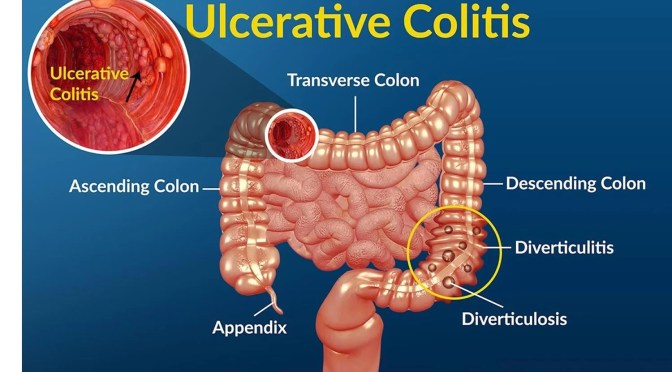
Northwestern Medicine (March 21, 2023) – Parambir Dulai, MD, is studying the use of hyperbaric oxygen therapy to treat severe ulcerative colitis. The treatment delivers oxygen into the tissues to promote healing.

What Is Ulcerative Colitis?

Ulcerative colitis is an inflammatory bowel disorder that affects the large intestine and rectum, causing bleeding. This chronic condition impacts more than 900,000 Americans. It can begin at any age, but it often starts in young adulthood. Older men are more likely to be diagnosed than older women.

There is no cure for ulcerative colitis, but with treatment, the majority of patients can be symptom-free for long periods of time.

READ MORE