
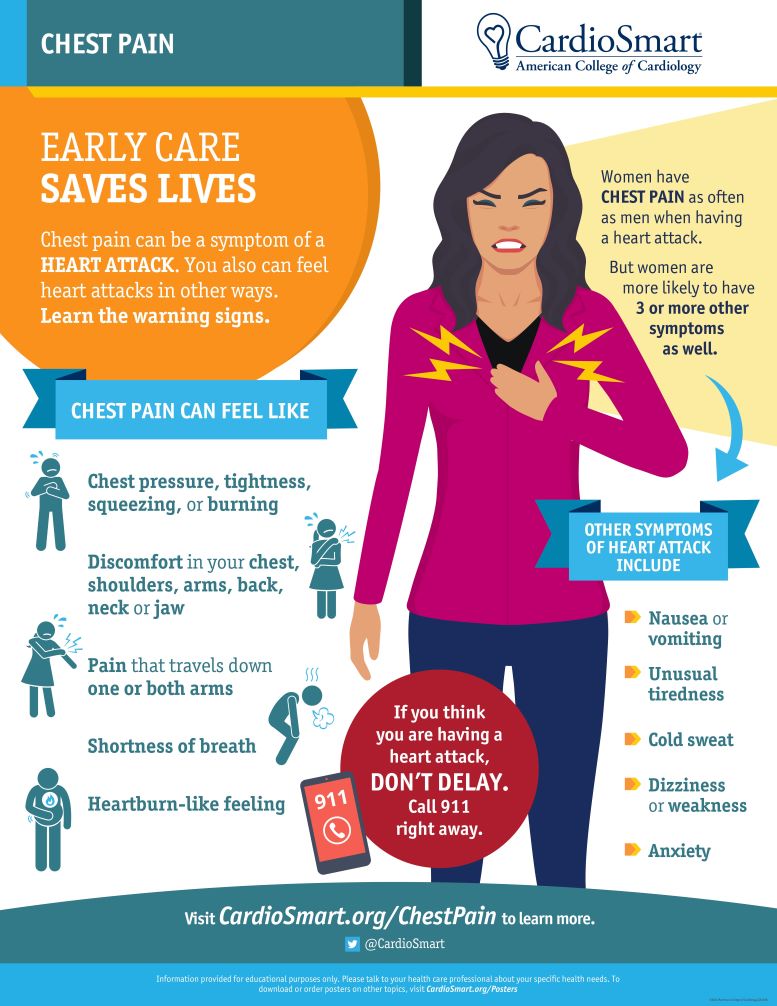
Heart Attack Infographic: Early Chest Pain Symptoms

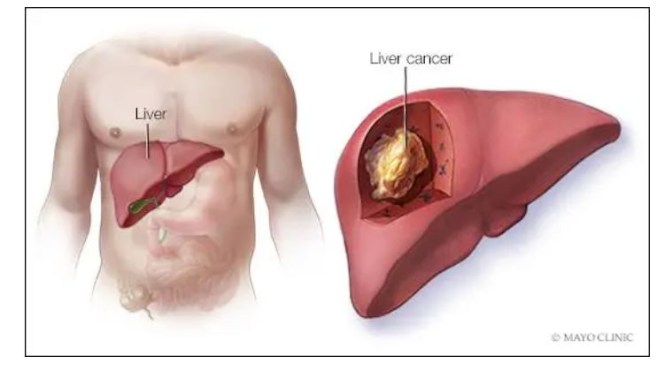
The National Cancer Institute estimates that more than 42,000 new cases of liver cancer will be diagnosed in 2021, representing 2.2% of all new cancer cases in the U.S. The most common type of primary liver cancer is hepatocellular carcinoma.
Other types of liver cancer, such as intrahepatic cholangiocarcinoma and hepatoblastoma, are much less common. “The vast majority of liver cancers — over 90% — occur in patients who have a chronic liver disease,” says Dr. Ilyas. “Cirrhosis, or advanced scarring of the liver, is the strongest risk factor for hepatocellular carcinoma.” Chronic infection with the hepatitis B or hepatitis C viruses also increases your risk of liver cancer.A wide range of treatment options for primary liver cancer are available. Which treatment is used depends on the stage of the disease. On the Mayo Clinic Q&A podcast, Dr. Ilyas discusses liver cancer diagnoses and treatment options, and the importance of prevention.
COMMENTARY:
Vitamin D has many beneficial effects, but my comments will be restricted to the effect of vitamin D on cancer.
Interest in this association was started by the observation that certain cancers are less common near the equator, where there is more sunlight exposure, and therefore more natural vitamin D generation in your skin.
The most information on cancer in humans Is available on colorectal, breast, prostate, and pancreatic cancer. Colorectal cancer, highlighted DWW our posting, is the only cancer that apparently is affected by vitamin D.
Several studies have suggested that vitamin D can decrease cancer cell growth, stimulate cell death, and reduce cancer blood vessel formation. Increasing cell death, or apoptosis, is what interests me the most, since this is one of the factors which increases inflammation in aging.
The infographics stated that only 300 international units of vitamin D is necessary to produce a 50 Percent reduction in cancer, and that a healthy diet generally supplies this.
I personally take 5000 international units vitamin D. This produces a blood level of about 60 ng/mL, and what the NFL recommends to keep their players healthy, and well within the maximum recommended level of 120 ng/milliliter.
Excessive vitamin D can produce an elevated calcium blood level, and mine is within normal limits. I take the higher dose because of vitamin D’s other effects, such is benefiting the immune system in a time of Conid-19.
I suggest that you get a vitamin D blood level, and also a calcium blood level if you elect to take more of this useful vitamin.
–Dr. C
Satchin Panda is a professor in Salk’s Regulatory Biology Laboratory. He explores the genes, molecules and cells that keep the whole body on the same biological clock, also known as a circadian rhythm. On this episode of Where Cures Begin, Panda talks about what a biological clock is, how living in sync with your clock can improve your health, and how growing up in India informed his research.
From Scientific American (March 1, 2021):
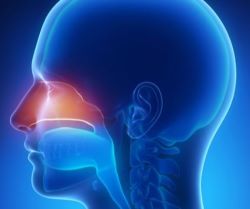
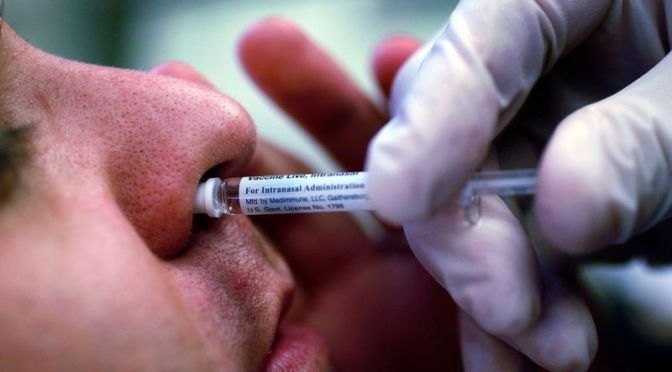
Enter the intranasal vaccine, which abandons the needle and syringe for a spray container that looks more like a nasal decongestant. With a quick spritz up the nose, intranasal vaccines are designed to bolster immune defenses in the mucosa, triggering production of an antibody known as immunoglobulin A, which can block infection. This overwhelming response, called sterilizing immunity, reduces the chance that people will pass on the virus.
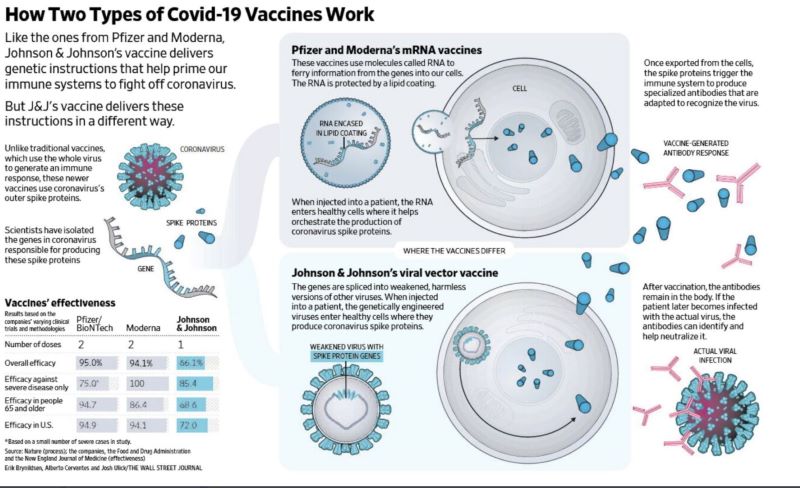
The development of highly effective COVID vaccines in less than a year is an extraordinary triumph of science. But several coronavirus variants have emerged that could at least partly evade the immune response induced by the vaccines. These variants should serve as a warning against complacency—and encourage us to explore a different type of vaccination, delivered as a spray in the nose. Intranasal vaccines could provide an additional degree of protection, and help reduce the spread of the virus.
Researchers are scrambling to understand the biology of new coronavirus variants and the impact they might have on vaccine efficacy.
Around the world, concern is growing about the impact that new, faster-spreading variants of the SARS-CoV-2 virus will have on the pandemic.
In this episode of Coronapod, we discuss what these variants are, and the best way to respond to them, in the face of increasing evidence that some can evade the immunity produced by vaccination or previous infection.
News: ‘A bloody mess’: Confusion reigns over naming of new COVID variants
News: Fast-spreading COVID variant can elude immune responses
News: Could new COVID variants undermine vaccines? Labs scramble to find out
News: How to redesign COVID vaccines so they protect against variants
News: J&J’s one-shot COVID vaccine offers hope for faster protection
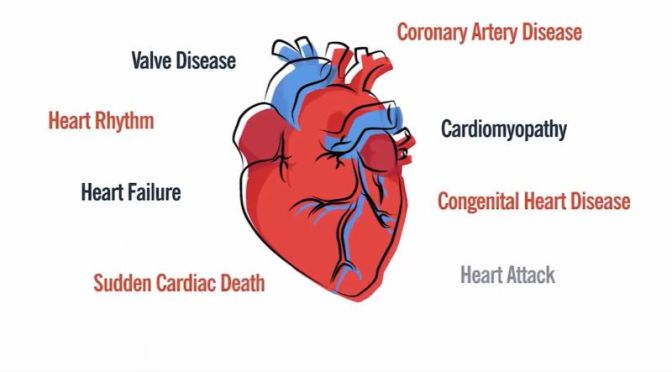
There are lots of things you can do to prevent heart disease! The key is to live a healthy lifestyle and see your doctor for regular checkups.
To learn more about heart disease risk factors, please visit https://cle.clinic/3r3iKQh
Hip fracture is an iconic bugaboo of old age. It is a chronic condition in the sense that its complications, such as Depression, blood clots and pneumonia often extend long beyond the healing process.
Predisposing factors include old age and associated risk factors like osteoporosis, sarcopenia (loss of muscle mass and strength), poor vision, poor balance and hazards in the home.
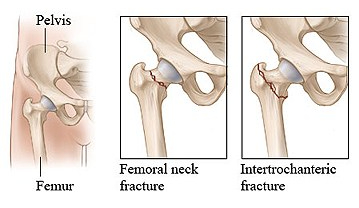
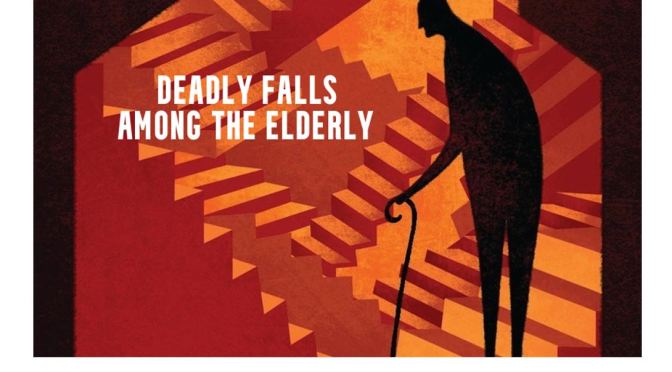
FALLING is the usual agency that produces the fracture. At the risk of being ostracized, I will point out that thousands of injuries sustained by walking or tripping over dogs (and cats) occur every year.
In my small “hilltop” group of friends, there was 1 fatality, 1 shoulder fracture-dislocation, 1 hip fracture, and 0 acknowledgements of animal causation. Members of the family are immune to blame.
Treatment of hip fracture involves surgery with pins, or the more cost-effective Hip replacement. PREVENTION is critical. Osteoporosis must be prevented by exercise, Calcium, vitamin D, and avoidance of certain medication like Corticosteroids.
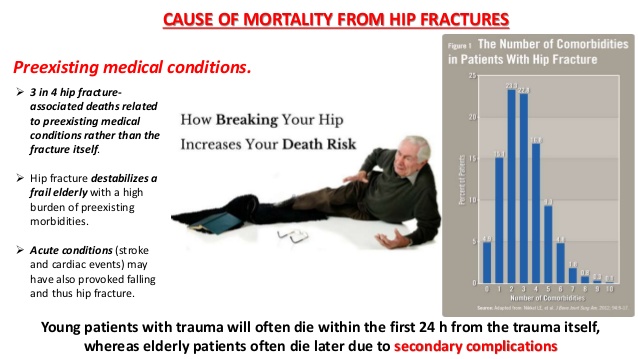
Balance should be developed by exercises. Vision problems, such as cataracts,should be corrected. Muscle mass should be preserved by diet and exercise, and the home cleared of throw-rugs and obstacles removed.
Just yesterday, a friend wearing socks (reducing friction?) fell down some stairs after stepping over a dog-gate. She is scheduled to have her elbow pinned. Have I mentioned SLEEP, DIET and EXERCISE RECENTLY?
–Dr. C.


 Doctors Without Waiting Rooms