
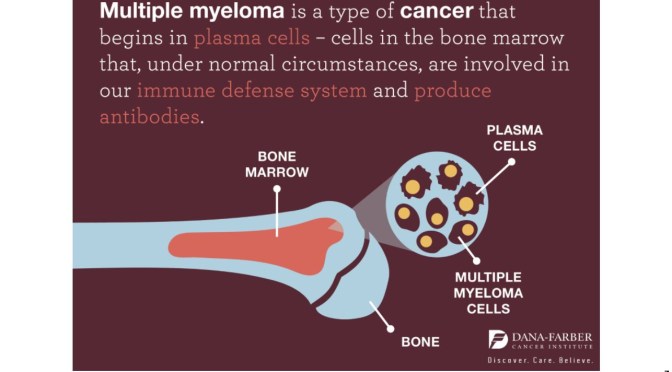
Multiple myeloma is a relatively uncommon form of blood cancer that affects less than 1% of the U.S. population, according the American Cancer Society. People younger than 45 rarely get the disease, and it occurs more in older men than women. And your risk is doubled if you’re African American.
Tag Archives: Mayo Clinic
DR. C’S JOURNAL: BENEFITS OF COLONOSCOPIES OVER 50
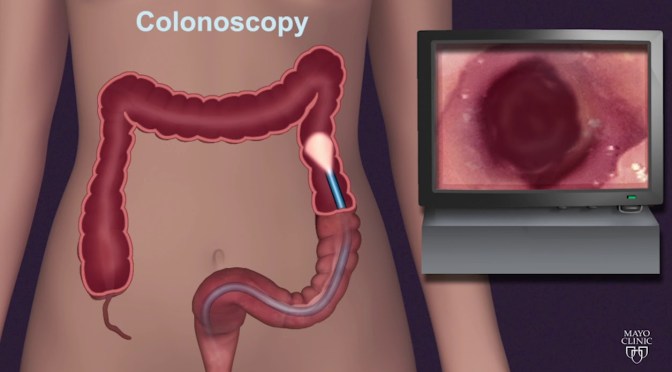
Colonoscopy is good preventative medicine for everybody over the age of 50. A video was posted yesterday on colon cancer metastatic to the liver. Although this is treatable, metastatic colon cancer is a miserable condition, markedly lowering quality of life. You are much better off preventing colon cancer then having to deal with it, and in this sense, colonoscopy is a very good trade off.
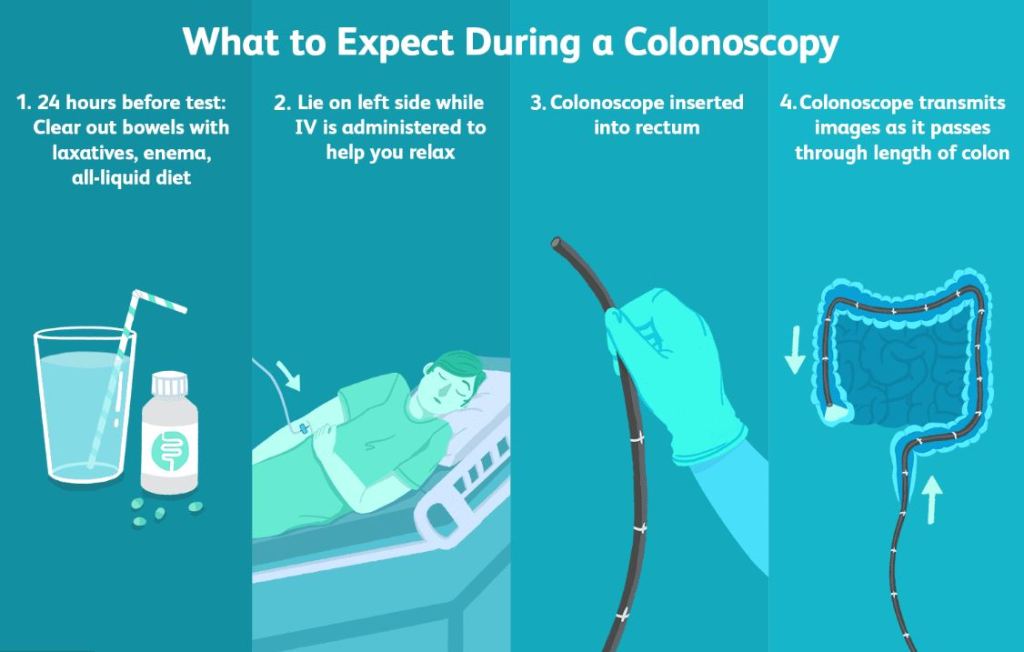
Colonoscopy is no fun. You have to modify your diet well in advance, and take a magnesium citrate clean out in order to get rid of fecal matter that would prevent proper visualization of your colon. You should get your first colonoscopy at age 50 or earlier depending upon your family history of polyps, colon cancer, and other bowel problems.
In my own case, I had a number of colonoscopies, and nothing serious was discovered. I still think it is a very good idea. Although I never had a colon polyp or cancer discovered, I have recently, at the age of 89, developed bladder cancer of the slowly progressive and non-invasive kind.
The thought occurred to me that getting regular cystoscopies might catch bladder cancer at an earlier stage. I was told by an authoritative Physician that this has previously been tried and not proven to be useful. I also recommend going into a dermatologist regularly to remove actinic keratoses, which have the capability of developing into cancer. I believe you cannot be too vigorous with preventative therapy.
Interestingly, good sleep, diet and exercise are recommended in the prevention of colon cancer. Please refer to the mayo clinic article on colonoscopy for more information.
–Dr. C
MEDICINE: WHEN COLON CANCER SPREADS TO THE LIVER (MAYO CLINIC VIDEO)
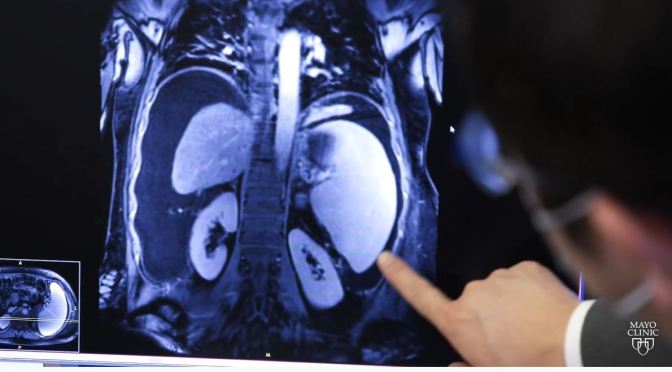
Colorectal cancer is a leading cancer among men and women around the world. Many colorectal cancers are likely to spread to other organs, with the most common site of metastases being the liver. In this Mayo Clinic Minute, Dr. Sean Cleary, a hepatobiliary and pancreas surgeon at Mayo Clinic explains what this means to patients.

Telemedicine: Pediatric Otolaryngology (Video)
Mayo Clinic is happy to offer telemedicine as an option for patients interested in seeking care. Modern technology provides a virtual platform for health care providers and patients to initiate partnership in care in a secure, safe and convenient way.

Mayo Clinic: ‘When Livers No Longer Function’
In the U.S., it’s estimated that 4.5 million adults are diagnosed with chronic liver disease. It develops over time and may be caused a number of conditions including hepatitis, genetics, alcohol overuse or cancer. Chronic liver disease is different than acute liver disease which can come on quickly and may be the result of an injury or a virus. Regardless of the cause, Dr. Bashar Aqel, a Mayo Clinic transplant hepatologist says when the liver can no longer function, a life-saving transplant may be needed.
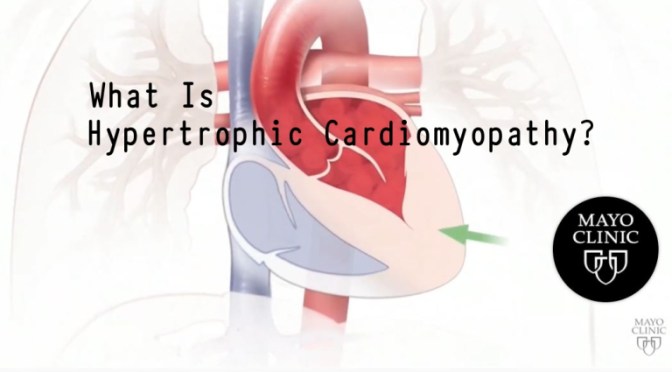
MAYO CLINIC HEART HEALTH: ‘WHAT IS HYPERTROPHIC CARDIOMYOPATHY? ‘ (VIDEO)
Hypertrophic cardiomyopathy is a thickening of the heart muscle, making it more difficult to pump blood. Dr. Steve Ommen is a Mayo Clinic cardiologist who specializes in the disease. He says shortness of breath or chest pain, especially during exercise, are common symptoms. Many people with the disease won’t have any significant health problems. But there are cases that require treatment. If a patient has symptoms that affect quality of life, the disease is treated with medications. Surgery or other procedures also may be necessary in some cases.
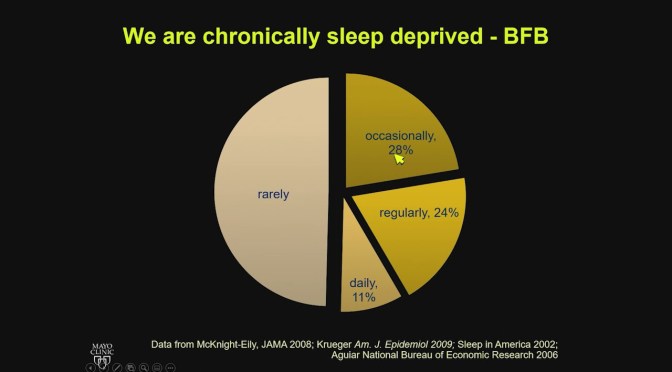
MEDICINE: ADEQUATE SLEEP & CARDIOVASCULAR HEALTH
Mayo Clinic Division of Preventive Cardiology will be preparing a series of recordings focusing on Cardiovascular Disease states. This is the Sleep Series and this particular one focuses on what is adequate sleep and does it benefit Cardiovascular Health.

COVID-19: ‘THE JOHNSON & JOHNSON VACCINE’ (VIDEO)
Mayo Clinic Insights: Dr. Swift discusses what you need to know about the new Johnson & Johnson COVID-19 vaccine. For more up to date information about COVID-19, visit https://mayocl.in/3aUioXa
PHYSICIAN Q&A: SCREENING FOR COLORECTAL CANCER
Colorectal cancer is comprised of colon cancer and rectal cancer, which originate in the lower portion of the large intestine and into the rectum. As with other cancers, screening for early detection should not be delayed. “The vast majority of the time, we don’t know exactly what causes any specific cancer,” says Dr. Jeremy Jones, a Mayo Clinic oncologist. “But there are a number of factors that can increase the risk of developing colon or rectal cancer.” Dr. Jones says one risk factor is increasing age. However, he adds that over the last 30 years younger patients have seen a 50% increased risk of developing colon and rectal cancers. In this Mayo Clinic Q&A podcast, Dr. Jones talks about risk factors, symptoms, treatment, health care disparities and the latest in colorectal cancer research. ____________________________________________
THE DOCTORS 101 CHRONIC SYMPTOMS & CONDITIONS 21: PERIPHERAL NEUROPATHY
Peripheral Neuropathy is a common problem, and almost a quarter of the population will eventually suffer from it. It is very common in diabetes and metabolic syndrome, alcoholism, and in cancer therapy.
Even getting older is a risk; almost 10% of individuals 65 years old have some symptoms. There are more than 100 different types of peripheral neuropathy, and often it is just one feature of a primary illness.
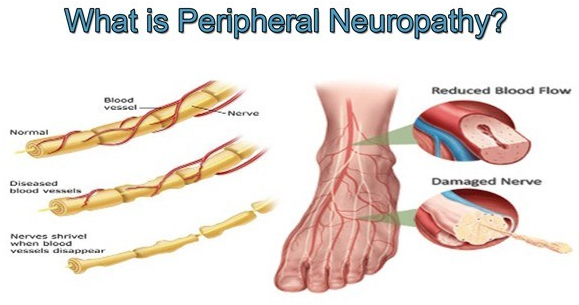
Sometimes there is no known cause, such as in 2 of my older friends. I have a diminished vibratory sense in my feet, which causes me no noticeable problem. The longer nerves are more likely to be involved, except for the rare sensory ganglionopathy which is symptomatic of some cancers ( a “paraneoplastic disorder”) , some infections and autoimmune diseases.
When the sensory ganglia are involved, the numbness, tingling or pain can be more central, such as in the face or upper arm. There are 3 types of nerves that can be involved in peripheral neuropathy; Sensory, Motor and autonomic.
The sensory nerves deal with sensations, such as hot, cold, touch, pain, tingling, and numbness. Motor nerve involvement results in weakness or paralysis of an arm, leg or other area under Voluntary control. The autonomic nervous system coordinates activities beyond voluntary control, such as sweating, salivation, food propulsion and heart rate, which can be activated or inhibited.
The symptoms of neuropathy depend upon the type of nerve involved. Balance is a complex ability that can be disturbed by a lack of proper sensory nerve function (Position sense or proprioception) motor weakness, vision or coordination which involve higher centers.
The medical evaluation of peripheral neuropathy begins with a family practitioner or internist who does a detailed history, asking about such things as diet, medications, alcohol consumption, and injuries. Vitamin intake is important, but can be overdone.
Peripheral nerve symptoms can actually be caused by excessive B6, pyridoxine. The upper limit is 100 Mg.. A physical exam checks for weakness, sensory problems, reflexes and balance. Blood tests may reveal diabetic, kidney, liver, thyroid or immune problems problems.
A major disorder associated with neuropathy may be revealed and pursued. If nothing turns up, and the neuropathy is significant, referral may be needed to a neurologist, or other appropriate specialist. Many specialized tests and treatments may be needed.
Even with the best of care, a specific “cure” may not be found. Peripheral neuropathy can often be avoided by a healthy lifestyle.
 Doctors Without Waiting Rooms