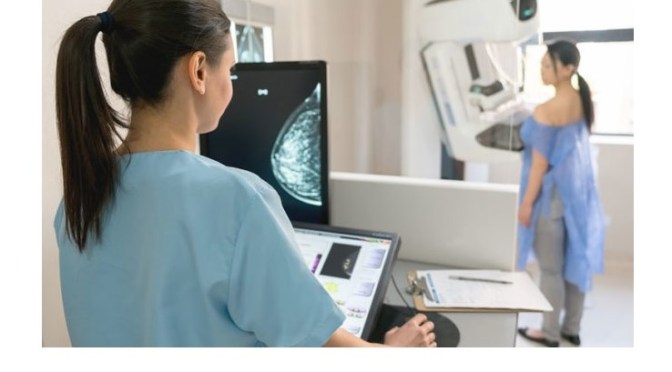
Johns Hopkins Medicine: What To Do When You Find a Lump in Your Breast? Breast imaging radiologist, Emily Ambinder discusses common questions one may have when discovering a lump in the breast.
Video timeline: 0:03 Why do lumps form in the breast? 026 What are the different types of lumps? 0:55 Can breast lumps form because of physical impact? Could those lumps become cancerous? 1:23 What do i do if i have found a lump? 1:47 What makes breast imaging at Johns Hopkins different? 2:01 What is a mammogram? 2:29 What is a breast ultrasound? 2:53 What else do I need to do if I have a lump?
Are Amazon Alexa and Google Home limited to our bedrooms, or can they be used in hospitals? Do you envision a future where physicians work hand-in-hand with voice AI to revolutionize healthcare delivery? In the near future, clinical smart assistants will be able to automate many manual hospital tasks—and this will be only the beginning of the changes to come.
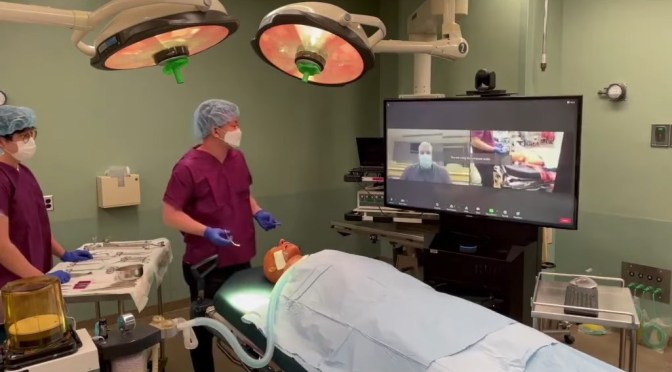
Voice AI is the future of physician-machine interaction and this Focus book provides invaluable insight on its next frontier. It begins with a brief history and current implementations of voice-activated assistants and illustrates why clinical voice AI is at its inflection point. Next, it describes how the authors built the world’s first smart surgical assistant using an off-the-shelf smart home device, outlining the implementation process in the operating room. From quantitative metrics to surgeons’ feedback, the authors discuss the feasibility of this technology in the surgical setting. The book then provides an in-depth development guideline for engineers and clinicians desiring to develop their own smart surgical assistants. Lastly, the authors delve into their experiences in translating voice AI into the clinical setting and reflect on the challenges and merits of this pursuit.
The world’s first smart surgical assistant has not only reduced surgical time but eliminated major touch points in the operating room, resulting in positive, significant implications for patient outcomes and surgery costs. From clinicians eager for insight on the next digital health revolution to developers interested in building the next clinical voice AI, this book offers a guide for both audiences.
Trouble Urinating? There are many common causes for urinary issues in men. Learn about symptoms and treatment options offered by The Johns Hopkins Brady Urological Institute. https://www.hopkinsmedicine.org/brady…
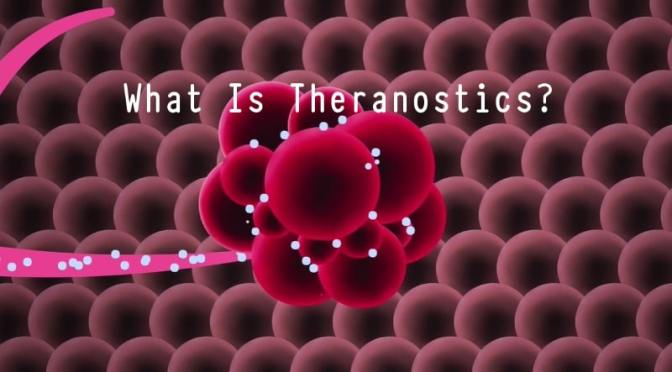
What is Theranostics? Dr. Martin Pomper, Director of the Nuclear Medicine and Molecular Imaging division at Johns Hopkins, describes the mechanisms of a groundbreaking cancer treatment that combines imaging and molecular radiotherapy. With this method, radiopharmaceuticals can specifically target cancer cells while sparing most normal tissues. To learn more visit Nuclear Medicine Radiotheranostic Center: https://www.hopkinsmedicine.org/radio…
Known as the Ironman, Hall of Famer Cal Ripken Jr. was diagnosed with prostate cancer during the COVID-19 pandemic. Partnering with the Brady Urological Institute, Mr. Ripken had a successful robotic radical prostatectomy to remove his tumor and is now deemed cancer free. Watch urologic surgeon Mohamad Allaf and Cal Ripken Jr. discuss his prostate cancer journey at Johns Hopkins and share his powerful message to men across the world.
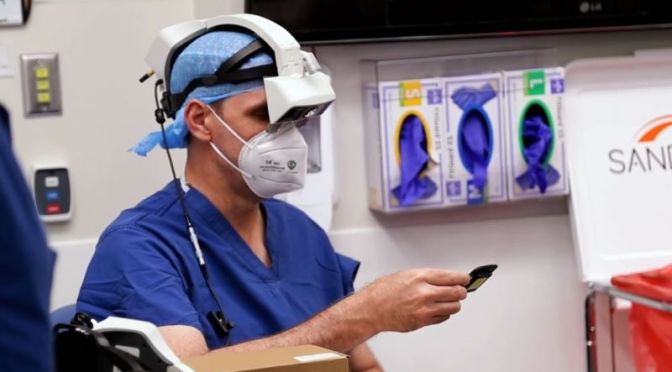
Kay suffered from debilitating muscle cramping and lower back pain due to spondylolisthesis, a common condition in the lumbar spine. When nonsurgical treatment options failed, she turned to spine neurosurgeon Timothy Witham for help. He used a new augmented reality technology to accurately place spinal instrumentation in her back. Seven months after surgery, Kay has resumed her daily pursuits without pain and is enjoying life.
It’s one of the tiniest machines on the planet — about a hundred times smaller than the average cell. It’s so small that no scientist can spot it through a typical light microscope. Only with an electron microscope can we see its spiky surface. It’s not alive, and it’s not what most of us would think of as “dead.” This teensy machine seems to survive in a kind of purgatory state, yet it has traveled across continents and oceans from host to host, and brought hundreds of nations to a standstill. Despite its diminutive size, the novel coronavirus, dubbed SARS-CoV-2, has seemingly taken the world by surprise with its virulence.
ABC’s of Kidney Disease. An educational video to help better the lives of people living with kidney disease and those interested in learning about kidney disease.
“A lot of our pediatric divisions are now seeing 80% or more of their patients by video or telephone,” says Hughes.
The Children’s Center’s preparations for the virus and the disease it causes, COVID-19, were unwittingly sparked by pediatrician Helen Hughes and her early work in telemedicine outreach for pediatric subspecialists. In 2018, she spearheaded development of a telemedicine collaboration with the Talbot County Health Department on Maryland’s Eastern Shore.
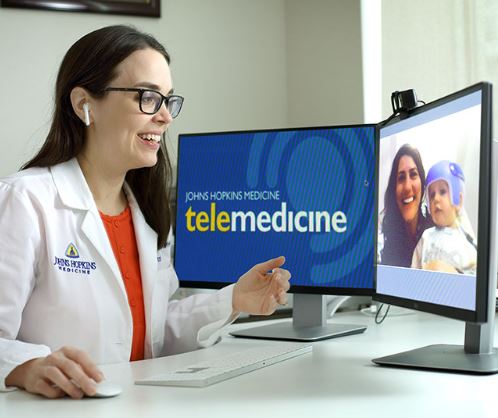
Pediatrician Helen Hughes during a video visit with a young patient and mom.. Johns Hopkins Medicine
The goal was to ease the burden of long treks to Johns Hopkins’ Baltimore campus for young patients — especially medically complex patients — for follow-up visits. At the time, she said, “This is where the future of health care is headed. Video technologies can allow us to do so many things for our patients without having to see them in person every time.”
The Children’s Center, notes Hughes, had been conducting between zero and eight video visits per month for the past two years. In the second half of March, after the coronavirus had clearly arrived, Johns Hopkins pediatricians and pediatric subspecialists saw 800 patients via telemedicine. That number increased to 1,400 telemedicine visits in the first half of April. Additionally, MyChart users in April jumped to 71%.



 Doctors Without Waiting Rooms