Tag Archives: Immune System

Immune System: Is It A Guard Dog Or Wolf?

Without an immune system, we wouldn’t be here. Even the simplest creature, like bacteria, have types of defensive systems.

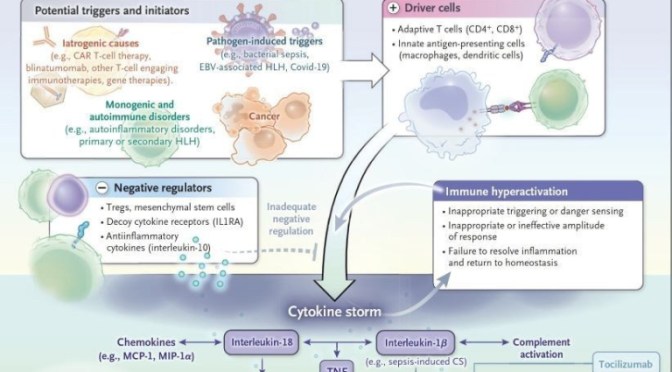
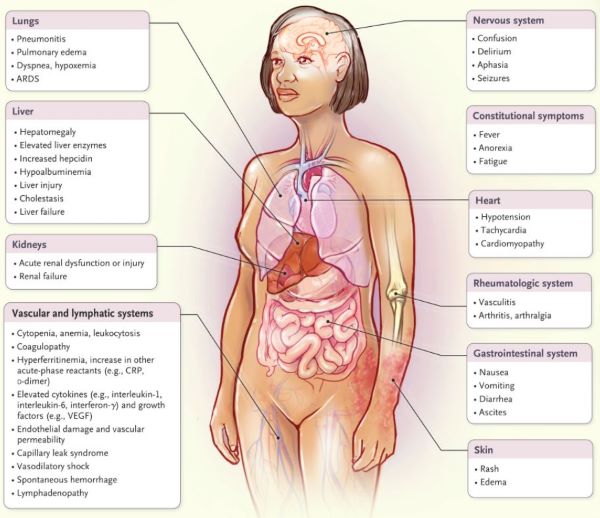
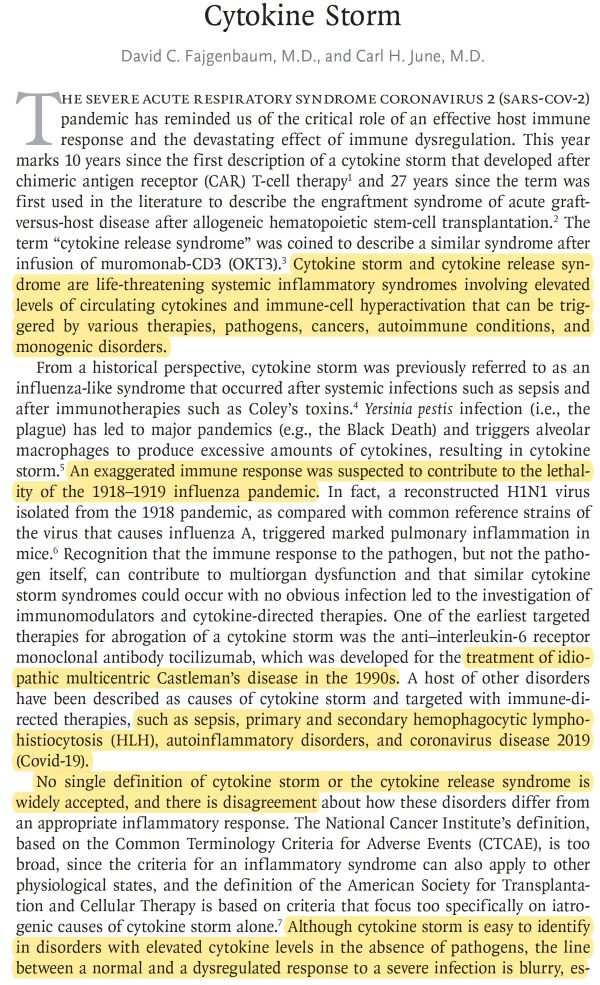
However, as we learned with Covid, the immune system can become mistimed, and be a detriment. Covid retards the innate immune system, and unleashes it later on when it no longer serves a useful purpose and actually damages tissue. In certain illnesses, like the common cold, most of the symptoms are actually CAUSED by the immune system.
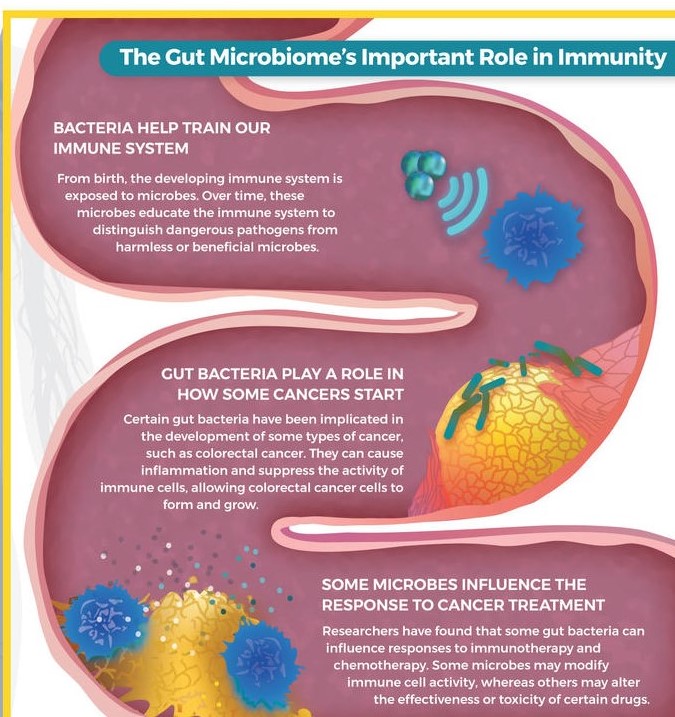
in the case of allergies, symptoms are caused by the operation of our th2 immune system against a harmless entity, like pollen. With organ transplantation, our immune system recognizes the transplant as foreign; it has no reasoning capacity to realize that the transplanted tissue is necessary for us to live, and  to proceeds to reject the transplant.

In the case of the previous post, hydrocortisone, the prototypical shotgun that tamps down the immune system, benefited severe pneumonia.

With public health, immunizations, and a clean environment, infection is no longer the big killer is once was. Our immune system, designed to defend against a much more infectious world, is currently a real source of danger and disease.

Just like our coagulation system, once critical to stop the more frequent blood flowing in a violent world, Is now a bigger danger than ever because of our development of atherosclerotic blood vessel disease as we live longer.

Anticoagulants and anti-immunity treatments, some of them very expensive, are finding increased utility.

Please press the magnifying glass on the green field, and type in “immune system”. There are a number of previous posts of a more specific and detailed nature.

— Dr. C
Immunity: How T Cells And B Cells Fight Infections

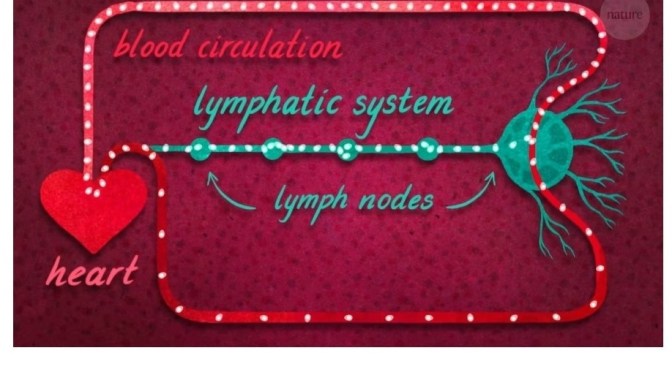
nature (March 15, 2023) – Lymphocytes are immune cells that play vital roles in fighting infections. The most well-known lymphocytes are the T cells and B cells of the adaptive immune system. In the 1950s and 1960s, scientists performed experiments to follow lymphocytes on their journey around the body, which helped us to work out where they go and what they do.

This work laid the foundation for everything we know about T cells today, including how they become activated to fight infections and how they form memory populations that provide long-lasting immunity.

Learn more about T cells here http://www.nature.com/collections/t-c…

Prevention: How Our Diet Boosts The Immune System

New Scientist – The biggest immune organ is our gut and what we eat can support a healthy immune response. From eating the rainbow, consuming more fermented foods or fasting longer overnight, King’s College epidemiologist Tim Spector has top tips to boost your immunity through what you eat.

Read more

Chronic Inflammation: What Is Crohn’s Disease?

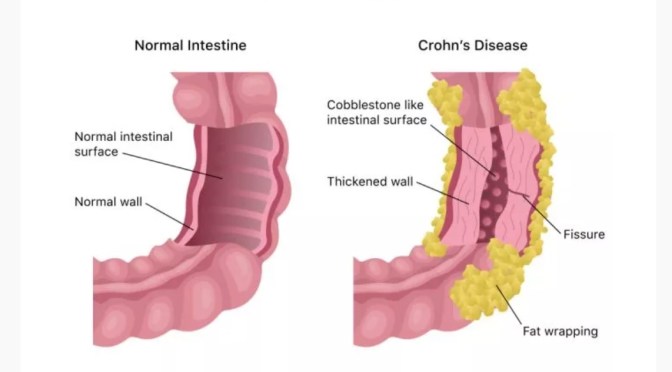
Crohn’s disease is an inflammatory bowel disease that is characterized by chronic inflammation of any part of the gastrointestinal tract, has a progressive and destructive course and is increasing in incidence worldwide. Several factors have been implicated in the cause of Crohn’s disease, including a dysregulated immune system, an altered microbiota, genetic susceptibility and environmental factors, but the cause of the disease remains unknown. The onset of the disease at a young age in most cases necessitates prompt but long-term treatment to prevent disease flares and disease progression with intestinal complications. Thus, earlier, more aggressive treatment with biologic therapies or novel small molecules could profoundly change the natural history of the disease and decrease complications and the need for hospitalization and surgery. Although less invasive biomarkers are in development, diagnosis still relies on endoscopy and histological assessment of biopsy specimens. Crohn’s disease is a complex disease, and treatment should be personalized to address the underlying pathogenetic mechanism. In the future, disease management might rely on severity scores that incorporate prognostic factors, bowel damage assessment and non-invasive close monitoring of disease activity to reduce the severity of complications.

DR. C’S JOURNAL: WHAT IS AUTOIMMUNE DISEASE?

Our immune system contains cells that are part of us, and they evolved to protect us. They generally do a good job of this, as witnessed by our survival in a sea of viruses, microbes, and parasites.

However, just like our police force, occasionally the protective function goes awry and damage is done to our own body, in the protective act. For many years I was a practicing allergist, and observed this protective function misfiring. In allergic rhinitis and allergic asthma, tiny harmless particles in the air are interpreted by the body as a threat. The TH2 immune system, initially evolved to fight parasites, is activated, and causes considerable disease and misery.

Some of the antigenic determinants on the surface of the pollen, animal dander or dust particles are interpreted as being dangerous by the immune system, which causes chronic inflammation with acute allergy attacks.

Autoimmunity is a similar misreading, in which our own cells are deemed dangerous. In this case the immune agency is the more powerful Th-1 system, which often causes crippling or even fatal results.  

Millions of people are sickened by an immune system that is supposed to defend them.

An article in the September 2021 issue of the Scientific American lists 76 of these disorders, and classifies them as to frequency, patient gender and age of onset. It is worth reviewing, at least for the listing on page 32 and 33.

Auto immunity must be considered as a possible cause in any illness that is not easily diagnosed, common, and well known to your doctor. Many patients have to be their own advocates, and persist in trying to get themselves diagnosed.

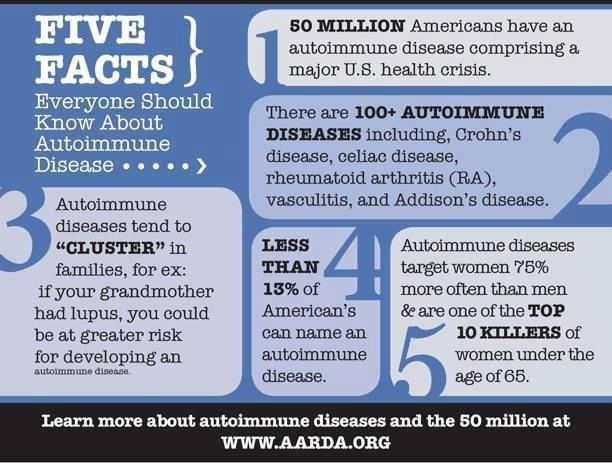
Celiac disease, Lupus, and Addison’s disease come to mind as tricky customers. Although “autoimmune disease” in toto is common, many of the individual diseases occur in less than one in 1000 patients, and are not high on the diagnostic list of most doctors.

The skin, nervous system, endocrine system, and digestive system are the most common areas involved. Recent advances in blood and antibody testing offers to give needed diagnostic help to the medical profession. These illnesses must be detected early to avoid functional loss in the tissues and organs affected.

Treatments are improving. In the past, immune suppressing cancer drugs and cortisone were the main drugs available. With increasing knowledge of the mechanisms of the separate diseases, treatment can be directed towards the specific causative antibody, receptor, or interleukin involved, hopefully with less side effects than the shotgun drugs previously available.

As with medicine in general, these modern treatments are excessively expensive as a rule, because much money and research went into their development. Prevention is obviously preferable. A healthy diet, with its attendant healthy microbiome comes to mind, as well as the avoidance of cigarette smoking and environmental toxins.

Proper sleep, exercise, and stress relief should also be helpful.

—Dr. C.

Read more

DR. C’S JOURNAL: WHAT IS MULTIPLE MYELOMA?

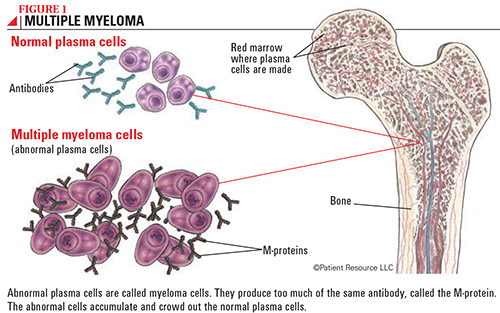
There are many types of cells in the human body, and any of them can mutate, and become cancerous.  Cells of The immune system are no exception, ironically,  even though their one of their jobs is to fight cancer.

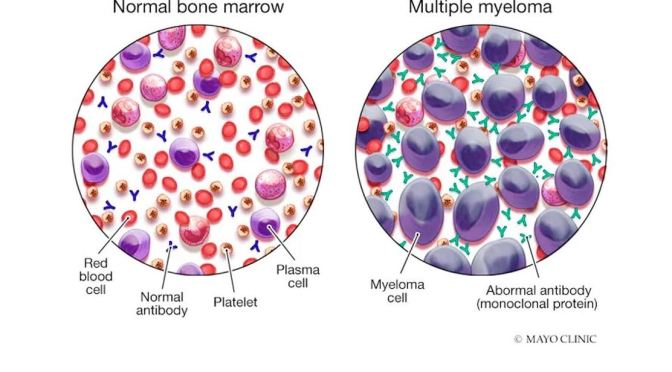
The plasma cell is an immune system cell that develops from lymphocytes(B-cells) and specializes in producing “Gamma Globulins”, a type of antibody.

When cancer involves plasma cells In the bone marrow it tends to crowd out the other cells. This can produce bone pain and anemia.

All of the cancer cells come from a single progenitor cell and form a “clone”. This clone produces a large amount of defective protein that would normally be combined with other proteins into the making of antibodies. The large amount of the same protein can often be  detected in the urine, as a “Bence Jones” protein.

In modern terminology, the condition is called a “monoclonal gammopathy”. This mass of protein gets into the bloodstream, and can deposit in various tissues, where it is called “amyloidosis”. The kidneys are often damaged in the process of excreting the overproduced, repetitious chains of useless protein.

I had a friend who was a pilot in the military during the Vietnam war. He was around “agent orange”,  which was on the news a lot in the 80’s. Agent orange was contaminated by a toxic chemical called Dioxin, which is known to cause cancer. My friend developed a cancer, primary amyloidosis, which is a close relative of multiple myeloma, and in his case produces what is called light chains.

His first warning was an elevated creatinine on a metabolic panel blood test, which pointed to the kidneys.  Medical investigation uncovered his plasma cell cancer, and he began treatment.  His kidneys eventually started to fail.

His daughter donated one of her kidneys, and currently he’s doing well, since medical treatment curtailed the light chain production.
Please refer to the accompanying Cancer association article on multiple myeloma.

A Mayo clinic article was posted on DWWR on May 25, 2021.

—Dr. C.

Read more

THE DOCTORS 101 CHRONIC SYMPTOMS & CONDITIONS #36: WARTS

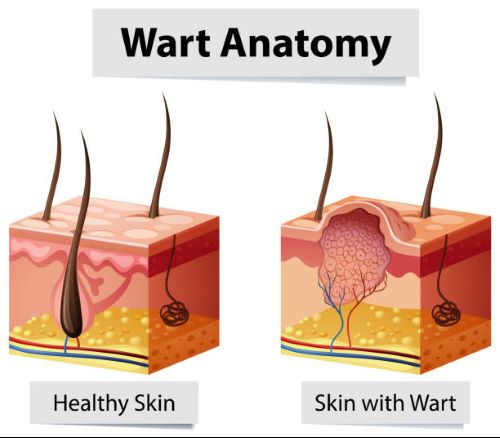
Warts are so common as to have become a metaphor for any blemish. I have had several warts in childhood, most likely because my immunity was immature along with the rest of me. They went away, as do most warts. I have had a few warts on and off since, since the HPV that produces them is so widespread.

My immune reaction took care of them, For some reason, I now have a wart between my toes that bears watching. Hopefully it will go away like the rest. Warts rarely become malignant, They can cause problems with breathing if they block the airway, such as the larynx (voice box) or bronchi (breathing tubes). I had such a case in my Allergy/respiratory disease practice that sounded like asthma to the referring Doctor.

Elderly people can develop a variety of skin bumps, that my grandmother called “moles”. In the past month, I have developed a reddish bump on my nose. It looks a lot like the “intradermal nevus” pictured in an accompanying article from “consultant360”. Seborrheic Keratoses are common, and I have some of those too. Of course,

I have a regular crop of scaly “actinic Keratoses” for my Dermatologist to freeze with liquid Nitrogen during my twice yearly visits to prevent them from developing into cancer. I have a suspicion that many home remedies for warts, and the scraping and freezing efforts of dermatologists merely stir up the infected cells in the lesion and incite the immune system to mop up.

Time will usually do the job, but they are often annoying and there is always the temptation to treat them.

–Dr. C.

Read more

THE DOCTORS 101 CHRONIC SYMPTOMS AND CONDITIONS #27: DELIRIUM

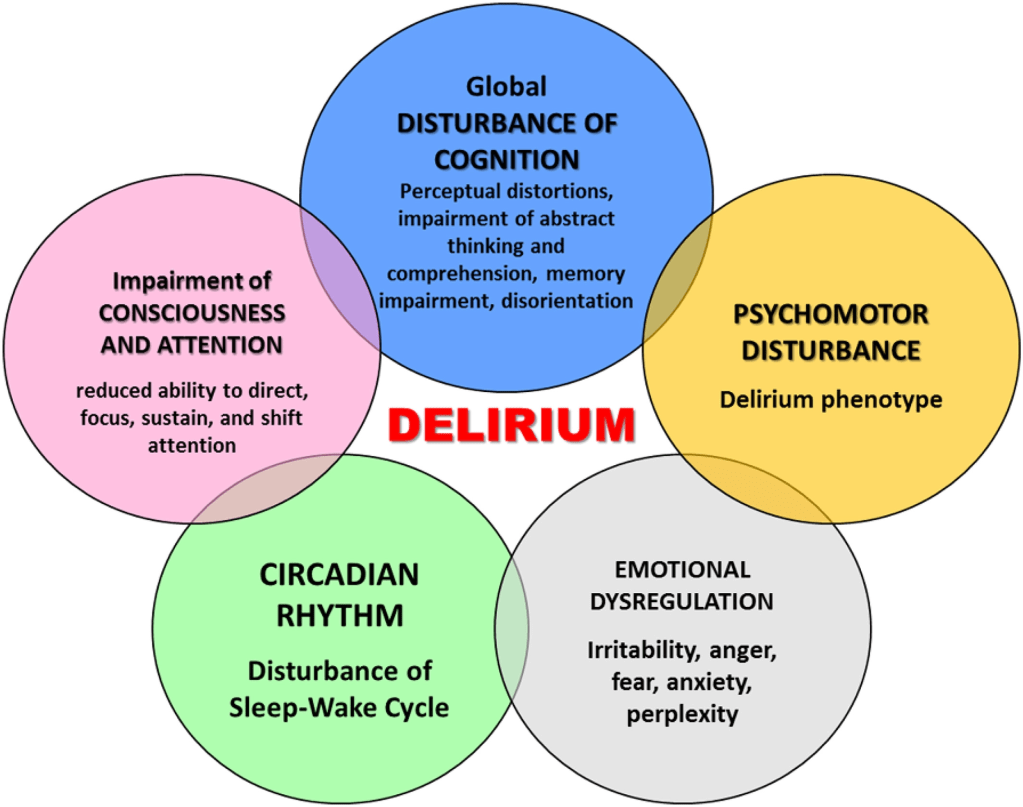
DELIRIUM is a rapidly-developing TEMPORARY DEMENTIA in response to almost any trauma, infection or stress, usually in a hospital setting, with its restrictive, isolating and disorienting environment.

I had little appreciation of the frequency or economic hazard of Delirium before I encountered this infographic. I knew little about the causative mechanisms, and after reading about it, I still don’t know what is going on. But I do know one thing; I don’t want to become delirious and risk its ominous outcome. To improve my odds, I want to keep myself as healthy as possible.

To prevent loss of focus, cognition and memory, challenge the Brain as much as possible. To prevent or restrain infection, support the immune system with a healthy diet. To combat sleep disturbances, practice Sleep Hygiene. To maintain adequate oxygen and nutrient delivery to the Brain, support a healthy cardiovascular-pulmonary system with regular aerobic exercise.

These preventative steps will also postpone the FRAILTY on which delirium feeds. This fuzziness, which afflicts most conditions with PSYCHIATRIC OVERTONES, should not be surprising, since the human Brain, the location of Delirium, is the most complex entity in the known universe.

Medical Knowledge of Delirium is still at the descriptive stage, even though it has been a feature of human life since Ancient times. Causation? Excess or Deficiency of most neurotransmitters have been described. To paraphrase “cytokine storm”, which can incidentally cause Delirium, one could call the condition a “neurotransmitter storm”.

Treatment? If the Delirious Patient is on a Psychotropic medication, try stopping it. If not taking such medication, try starting it. The only universal green light is Good general supportive care with IV fluids, oxygen, nutrition, and psychological support, with gentle, regular attention. Please read the accompanying Mayo Clinic article for a more conventional discussion.

–Dr. C.