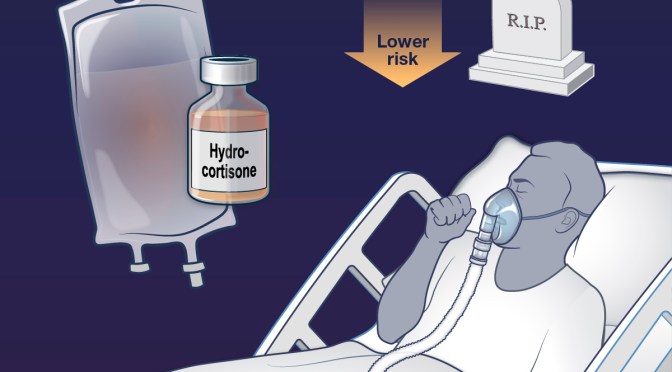

CONCLUSIONS
Among patients with severe community-acquired pneumonia being treated in the ICU, those who received hydrocortisone had a lower risk of death by day 28 than those who received placebo.

Among patients with severe community-acquired pneumonia being treated in the ICU, those who received hydrocortisone had a lower risk of death by day 28 than those who received placebo.

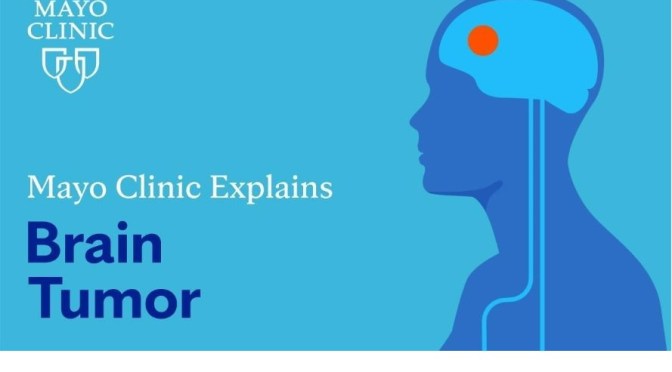
Video timeline: 0:00 Introduction 0:37 What is a brain tumor? 1:38 Who gets a brain tumor? / Risk factors 2:26 Symptoms of a brain tumor 3:36 How is a brain tumor diagnosed? 4:13 Treatment options 6:24 Coping methods/ What now? 7:14 Ending
For more reading visit: https://mayocl.in/3ciMNB7.
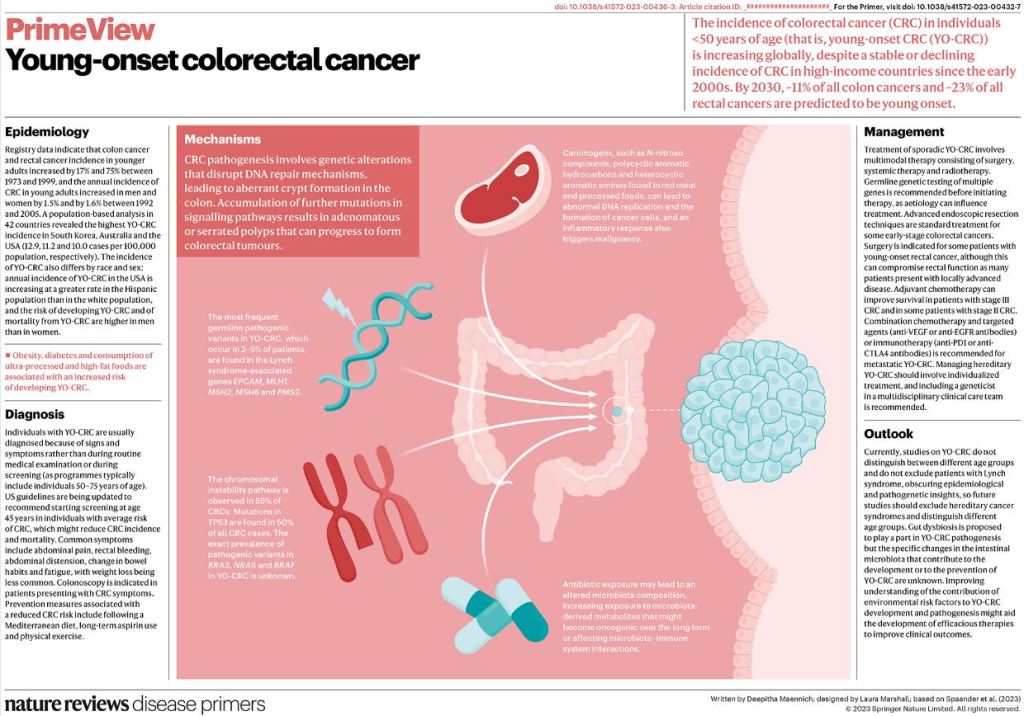
In the past decades the incidence of colorectal cancer (CRC) in people under the age of 50 years has increased, which is referred to as early-onset CRC or young-onset CRC (YO-CRC). YO-CRC is expected to account for 11% of colon cancers and 23% of rectal cancers by 2030. This trend is observed in different parts of the world and in both men and women. In 20% of patients with YO-CRC, a hereditary cancer syndrome is found as the underlying cause; however, in the majority of patients no genetic predisposition is present.
Beginning in the 1950s, major changes in lifestyle such as antibiotic use, low physical activity and obesity have affected the gut microbiome and may be an important factor in YO-CRC development. Owing to a lack of screening, patients with YO-CRC are often diagnosed with advanced-stage disease. Long-term treatment-related complications should be taken into account in these younger patients, making the more traditional sequential approaches of drug therapy not always the most appropriate option.
To better understand the underlying mechanism and define relationships between environmental factors and YO-CRC development, long-term prospective studies are needed with lifestyle data collected from childhood.

Chapters: 0:00 Intro 0:26 What is bipolar disorder? 0:50 What does a manic episode feel like? 1:18 What does a depressive episode feel like? 2:00 How to manage bipolar disorder
Bipolar disorder (formerly known as manic-depressive illness or manic depression) is a lifelong mood disorder and mental health condition that causes intense shifts in mood, energy levels, thinking patterns and behavior. These shifts can last for hours, days, weeks or months and interrupt your ability to carry out day-to-day tasks.
There are a few types of bipolar disorder, which involve experiencing significant fluctuations in mood referred to as hypomanic/manic and depressive episodes. However, people with bipolar disorder aren’t always in a hypomanic/manic or depressive state. They also experience periods of normal mood, known as euthymia.

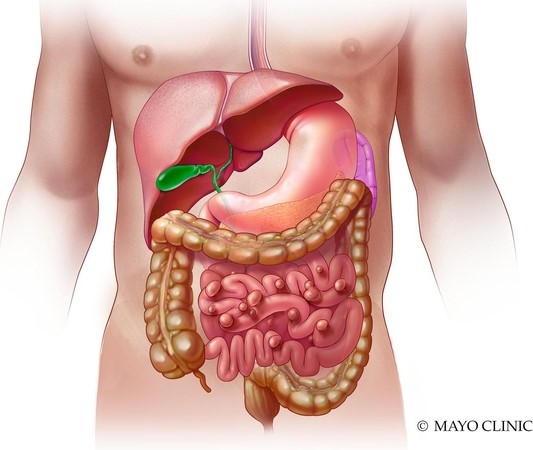
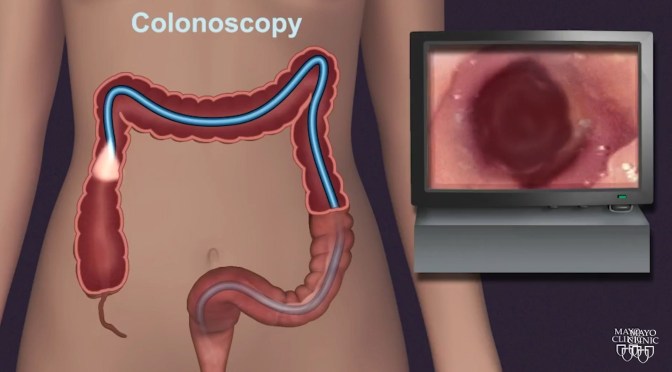
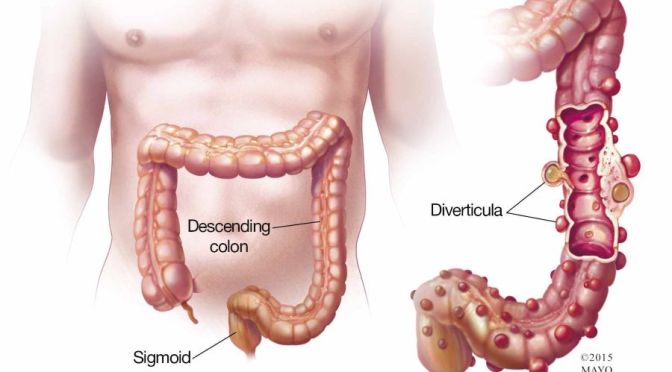
Your doctor will start with a physical examination, which will include checking your abdomen for tenderness. Women generally have a pelvic examination as well to rule out pelvic disease.
After that, the following tests are likely:

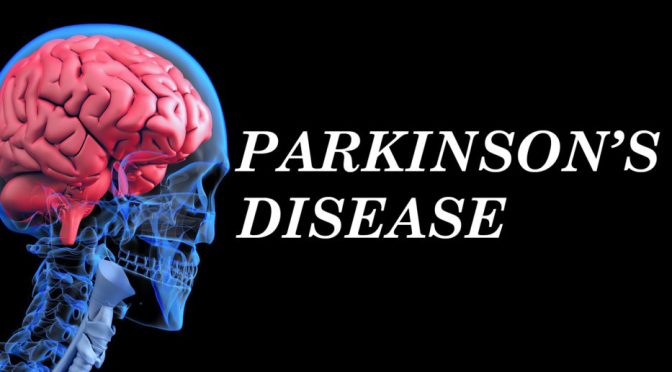
A neurodegenerative disorder that affects predominately the dopamine-producing (“dopaminergic”) neurons in a specific area of the brain called substantia nigra.
Symptoms generally develop slowly over years. The progression of symptoms is often a bit different from one person to another due to the diversity of the disease. People with PD may experience:
In addition to movement-related (“motor”) symptoms, Parkinson’s symptoms may be unrelated to movement (“non-motor”). People with PD are often more impacted by their non-motor symptoms than motor symptoms. Examples of non-motor symptoms include: depression, anxiety, apathy, hallucinations, constipation, orthostatic hypotension, sleep disorders, loss of sense of smell, and a variety of cognitive impairments.

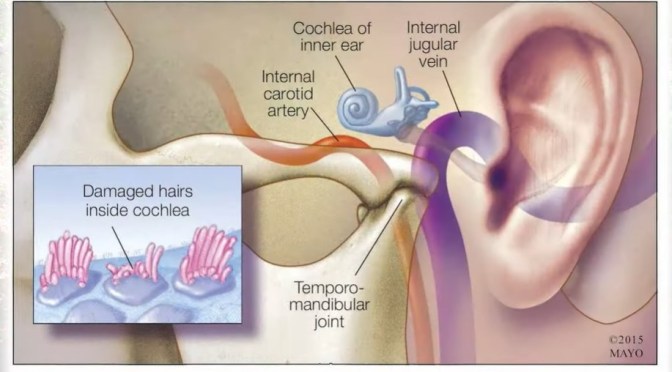
Dr. Poling says the tiny hairs in our inner ear may play a role. Dr. Poling says there’s no scientifically proven cure for tinnitus, but there are treatment and management options. Other options include using a sound generator or using a fan at night. If ringing in your ears bothers you, start by seeing your health care provider for a hearing test.
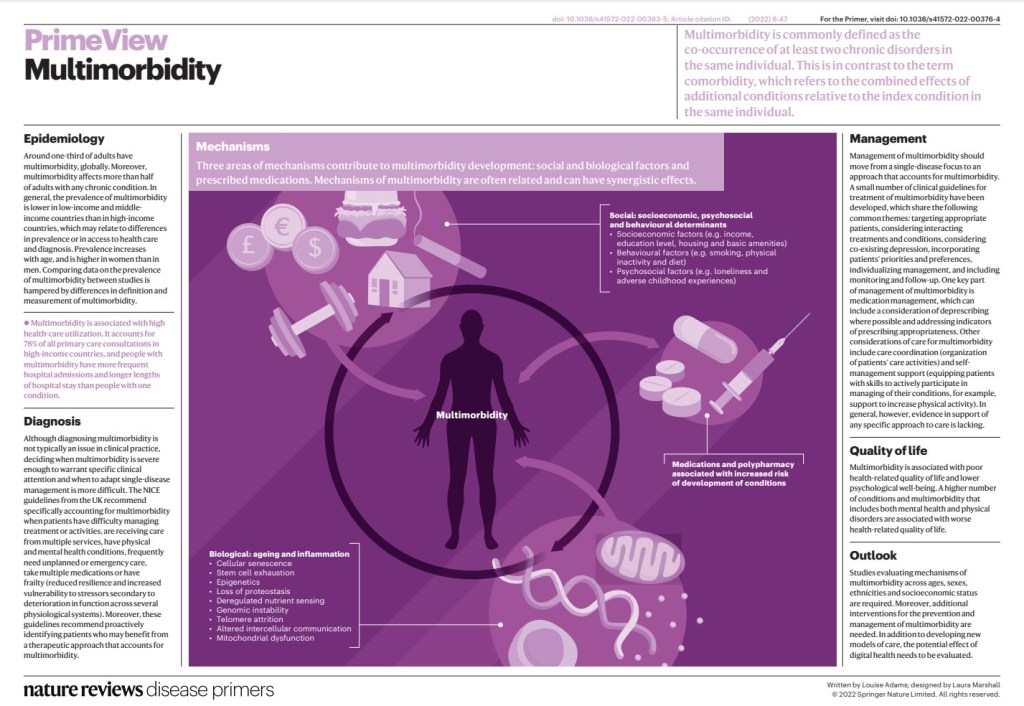
People with multimorbidity (two or more coexisting conditions in an individual) are more likely to die prematurely, be admitted to hospital and have an increased length of stay than people with a single chronic condition.
Multimorbidity is also associated with poorer function and health-related quality of life (HRQOL), depression and intake of multiple drugs (polypharmacy) and greater socioeconomic costs. Most health care is designed to treat individual conditions rather than providing comprehensive, person-centreed care, which often leads to fragmented and sometimes contradictory care for people with multimorbidity and increases their treatment burden. Moreover, treating one condition at a time is inefficient and unsatisfactory for both people with multimorbidity and their health-care providers.
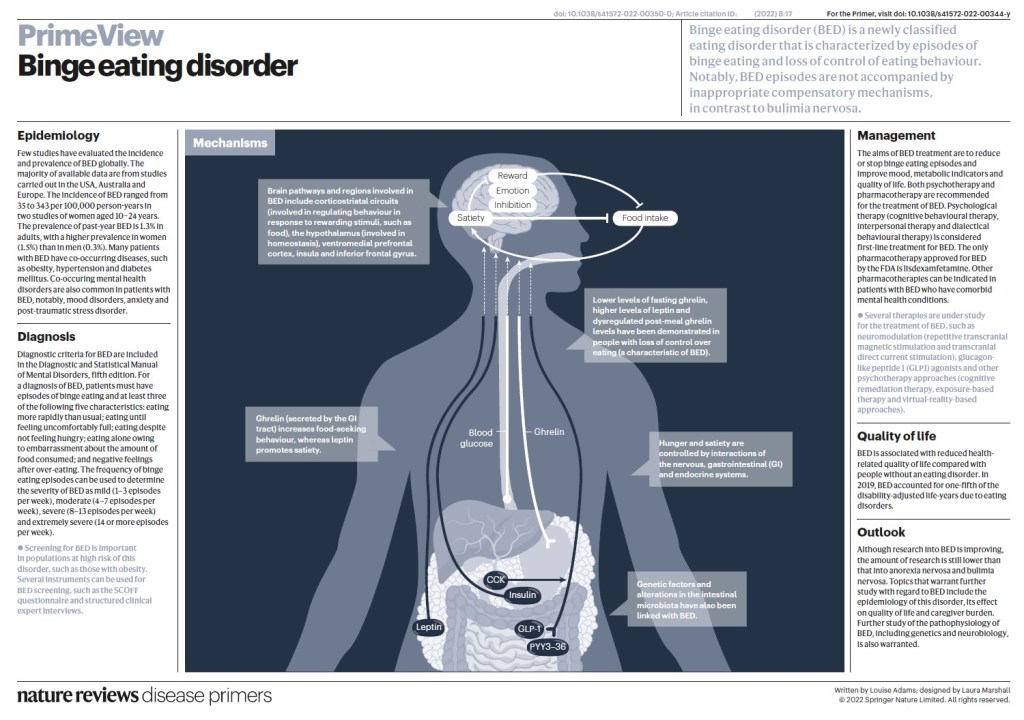
Most people with binge-eating disorder are overweight or obese, but you may be at a normal weight. Behavioral and emotional signs and symptoms of binge-eating disorder include:

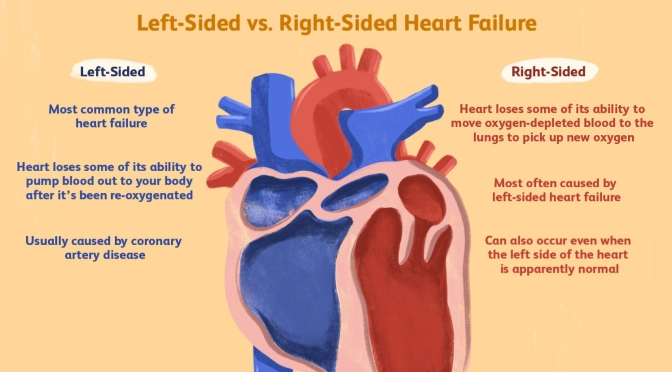
In this episode of the Heart podcast, Digital Media Editor, Dr James Rudd, is joined by Professor Carolyn Lam, a world expert in heart failure from the University of Singapore and the National Heart Centre, also in Singapore.
They discuss updates in the diagnosis and management of heart failure, including wearables, biomarkers, the 4 pillars of therapy, and how and why there has historically been an under-representation of women in heart failure trials. This episode is sponsored by an educational grant from the Boehringer Ingelheim-Lilly Alliance. The sponsor has no influence over podcast content, the selection of speakers or any associated educational material.
Professor Carolyn Lam is a Senior Consultant from the Department of Cardiology and Director of Women’s Heart Health at the National Heart Centre Singapore, having pioneered the first Women’s Heart Clinic in Singapore. Academically, she serves as a tenured Full Professor at the Duke-National University of Singapore, having also graduated from the Standford Executive Programme in 2015, and obtained a PhD at the University Medical Centre Groningen, the Netherlands in 2016. In the field of MedTech, Prof Lam is co-founder of Us2.ai, an award-wining startup dedicated to the automation of the fight against heart disease by applying artificial intelligence to echocardiography (ultrasound of the heart).
Prof Lam is a world-renowned specialist in heart failure (particularly heart failure with preserved ejection fraction [HFpEF]). Her work in the PARAGON-HF and EMPEROR-Preserved trials led to the first FDA-approved treatment for HFpEF and the first robustly positive clinical outcomes trial in HFpEF to-date, respectively. She leads several multinational global and regional clinical trials, and has received numerous prestigious awards and global recognition for her work. Her recent appointments on the 2021 European Society of Cardiology Heart Failure Guidelines Task Force, and as International Honorary Fellow of the Heart Failure Society of America 2021, attest to her contributions in both cardiology and research fields.
Prof Lam is a proud recipient of the National Medical Research Council (NMRC) Senior Investigator Clinician Scientist Award in 2020, and served as the Founding Programme Lead of A*STaR’s Asian neTwork for Translational Research and Cardiovascular Trials (ATTRaCT) and Principal Investigator of ASIAN-HF (a multinational study across 11 Asian countries). In 2019, She initiated the Asian Diabetes Outcomes Prevention Trial (ADOPT), an ongoing trial involving 5 countries and aimed at reducing the cardiovascular adverse outcomes of diabetes in Asian patients.
She has published with over 350 articles in major high impact journals including New England Journal of Medicine, Journal of the American Medical Association (JAMA), Lancet, Circulation, and European Heart Journal; and has been recognised as a World Expert by Expertscape’s PubMed-based algorithms (top 0.1% of scholars writing about Heart Failure over the past 10 years; Heart Failure: Worldwide – Expertscape.com). Besides being an Associate Editor for Circulation (top Cardiology Journal) and European Journal of Heart Failure, she is also the lead author of the chapter on HFpEF for Braunwald’s Heart Disease: A Textbook of Cardiovascular Medicine, 12th Edition – the award-winning textbook trusted by generations of cardiologists for the latest, most reliable guidance in the field.



 Doctors Without Waiting Rooms