Tag Archives: Cardiology

2021 HEART RESEARCH: TOP FINDINGS OF CARDIOLOGISTS

Coronary artery bypass graft (CABG) was supported as superior to fractional flow reserve (FFR)–guided percutaneous coronary intervention (PCI) for three-vessel coronary artery disease (CAD). PCI failed to meet noninferiority criteria at 1-year follow-up in a study comparing outcomes between FFR-guided PCI using contemporary stents and CABG. This adds to existing evidence showing superior outcomes with CABG in patients with the most-complex CAD.

The sodium–glucose transporter-2 (SGLT-2) inhibitor empagliflozin was found to be beneficial in heart failure with preserved ejection fraction. Empagliflozin is the first medication shown to improve outcomes in this population. It’s unknown if this is a class effect of all SGLT-2 inhibitors, but this could be a game changer.

Poor-quality carbohydrates were linked to cardiovascular mortality, around the world. Consumption of higher-glycemic-index carbohydrates was associated with higher rates of cardiovascular disease and mortality in countries all around the world. These data are particularly important because lower-income countries often have diets high in refined carbohydrates, which may worsen cardiovascular disparities.

New guidelines for managing valvular heart disease were released. These new guidelines add or elevate several recommendations for transcatheter therapy, and they lower thresholds for intervention in some conditions.

The editors of Circulation: Cardiovascular Quality and Outcomes addressed racial-ethnic disparities. The editors affirmed that structural racism is a public health crisis and that the scientific publishing community can play a role in addressing it.

Tricuspid annuloplasty for moderate regurgitation during mitral-valve surgery was of unclear benefit. Annuloplasty was associated with less progression of moderate tricuspid regurgitation but more pacemakers at 2 years. Unfortunately, this mixed outcome does not clearly inform the decision on performing annuloplasty at the time of surgery, and longer-term follow-up is needed.

Immediate angiography was not beneficial in out-of-hospital cardiac arrest without ST elevation. Patients with out-of-hospital cardiac arrest who did not have ST elevation on their initial ECG did not benefit from immediate angiography. Although a potential coronary culprit was identified in about 40% of patients, neurologic injury was by far the most frequent cause of death, negating any benefit from coronary revascularization.

Many statin side effects are related to the “nocebo” effect. A creative study enrolled 60 people with statin intolerance and gave them 12 randomly ordered 1-month treatment periods: 4 periods of no medication, 4 of placebo, and 4 of statin. Symptom intensity did not differ between placebo and statin periods and, interestingly, some even had more symptoms on placebo. This demonstrates that some cases of “statin intolerance” may be related to the “nocebo” effect.

Shorter duration of dual antiplatelet therapy following PCI/stent placement was found to be acceptable in patients with high bleeding risk. A large, randomized trial found that 1 month of dual antiplatelet therapy provided similar clinical outcomes and a lower bleeding risk than 3-to-6-month regimens for this challenging patient subset.

De-escalation” of dual antiplatelet therapy for patients undergoing PCI for acute myocardial infarction (MI). This industry-funded study evaluated patients who had received 1 month of aspirin plus ticagrelor after acute MI and stent placement and “de-escalated” half to aspirin plus clopidogrel. At 1 year, there was significantly less bleeding in the de-escalation group and a nonsignificant trend toward fewer ischemic events as well.
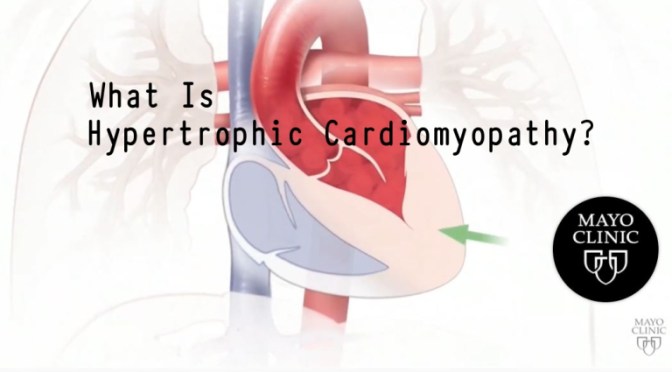
MAYO CLINIC HEART HEALTH: ‘WHAT IS HYPERTROPHIC CARDIOMYOPATHY? ‘ (VIDEO)

Hypertrophic cardiomyopathy is a thickening of the heart muscle, making it more difficult to pump blood. Dr. Steve Ommen is a Mayo Clinic cardiologist who specializes in the disease. He says shortness of breath or chest pain, especially during exercise, are common symptoms. Many people with the disease won’t have any significant health problems. But there are cases that require treatment. If a patient has symptoms that affect quality of life, the disease is treated with medications. Surgery or other procedures also may be necessary in some cases.

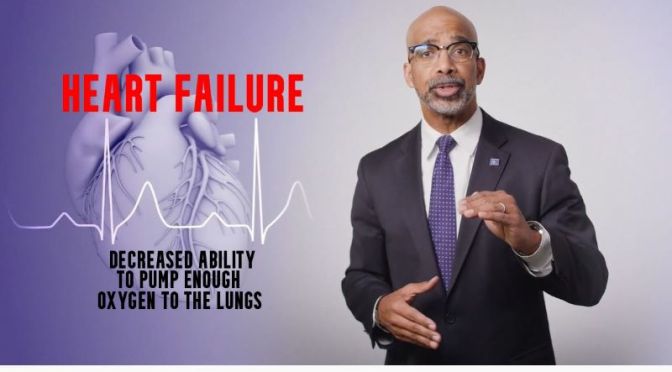
Heart Failure: ‘What It Is & How To Treat It’ (Video)

The heart is a hero. It works relentlessly to deliver oxygen and nutrients to the body. But just like all heroes, sometimes it gets tired, and can’t do its job as well. This is called heart failure – the inability for the heart to pump enough blood and oxygen to the lungs and rest of the body. In this video, Northwestern Medicine cardiologists Clyde W. Yancy, MD, MSc and Jane E. Wilcox, MD, MSc explain what heart failure is and the integrated and collaborative approach used to diagnose, stage and treat heart failure at Northwestern Medicine. For more information, visit http://heart.nm.org

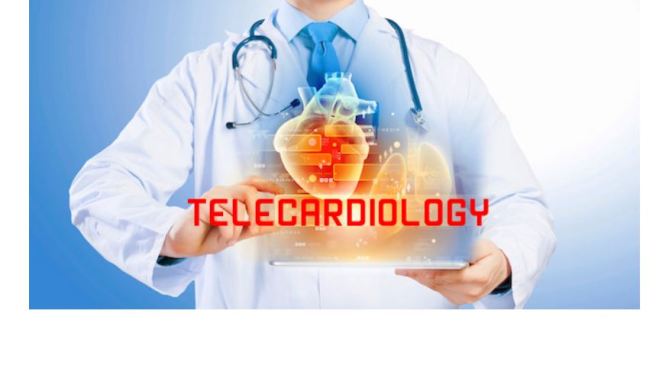
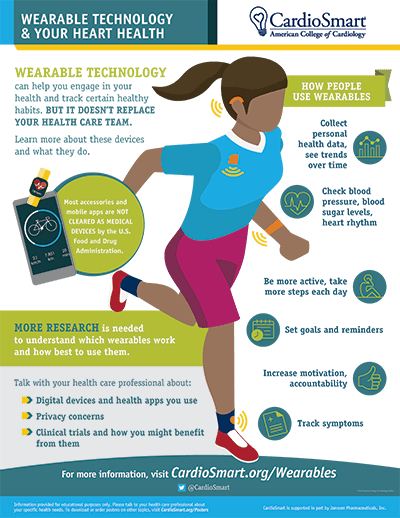
Telecardiology: Wearable Devices Monitoring Heart Patients Using AI (Harvard)

In the future, remote monitoring of health data using wireless–enabled devices that measure a person’s weight, blood pressure, blood sugar, pulse, and heart rhythm could further advance telehealth’s promise.

“I imagine a world where we are continuously monitoring key health factors and using artificial intelligence to monitor those signals,” says Dr. Schwamm. 

From a patient’s perspective, virtual visits save a lot of time. You don’t need to take time off work or other commitments to drive, park, and sit in a waiting room before your visit. And even though you’re not in the same room, you may actually get more direct eye contact with your physician, thanks to the face-to-face nature of video calling.

Another advantage: you may be able to have another person — such as a family member who lives across town or across the country — join the video call. That could be especially helpful if you’re facing an upcoming procedure or discussing a serious health concern. Just as with in-person visits, it’s nice to have another person listening, asking questions, and taking notes.

Read more

MEDICAL PODCAST: “ASSESSING CHEST PAIN” (BMJ)

Chest pain is a common chief complaint. It may be caused by either benign or life-threatening aetiologies and is usually divided into cardiac and non-cardiac causes. James E. Brown, Professor and Chair, Wright State University Boonshoft School of Medicine, Kettering, Ohio, gives us an overview of assessing chest pain in the emergency setting. 

COMMENTARY

Dr. James E Brown of the Wright State school Of medicine in Kettering Ohio gave a very interesting discussion of chest pain.

One interesting takeaway is the value of a very experienced clinician dealing with large volumes of emergency room patients. This would make telemedicine with an emergency room hub in a teaching center a very attractive platform.

The consultant doctor in the center has the advantage of his vast experience in rapidly narrowing down the heterogeneous list of different diagnoses that must be considered- the “differential diagnosis”.

Dr. Brown mentioned the “gestalt”, the incorporation of subjective features such as facial and voice cues which add to the objective parameters in patient evaluation. This of course would be amenable to telemedicine although other old-time clinical information like the changes in breath sounds would be more favorable to conventional in-person evaluation.

Ultrasound would More easily be done locally as well.

An interesting take away from this discussion is the value of The patient’s history and past laboratory data, so undervalued by rushed modern doctors. For instance, Electronic medical records (EMR) could provide past history or a previous electrocardiogram for comparison.

Dr. Brown favors the division of chest pain causes into cardiac and non-cardiac. It is easy  to develop tunnel vision and look at the patient only as a possible coronary thrombosis. In fact it is better to Rapidly consider the non-cardiac causes that would demand immediate attention while waiting for the results of the Troponin-T test.

For instance pulmonary embolism, aortic dissection, tension pneumothorax, cardiac Tamponade should be considered.

These considerations should be running through the head of the clinician as the IV,  EKG, and pulse oximetry are being set up.

In addition to the Troponin-T, bedside ultrasound, and Higher “slice count” CAT machines, and higher “Tesla” MRIs  are becoming available major centers which could support small emergency rooms.

If there is One place where “the Flow” would be Appropriate it would be in the mind of the emergency room doctor evaluating acute chest pain.
I have a hard time imagining artificial intelligence endangering her job.

—Dr. C.

TELEHEALTH: “Smartphones Used to Monitor Heart Patients with Pacemakers”

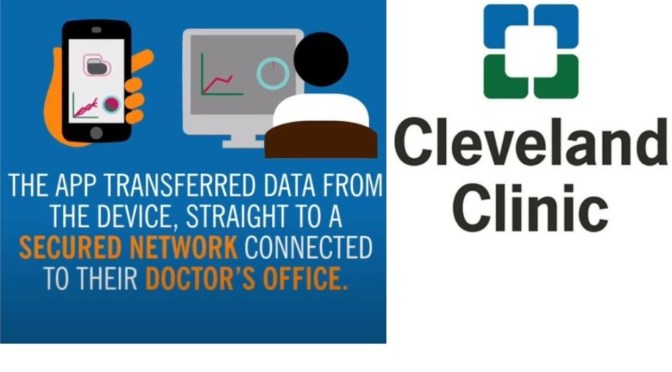
In a first of its kind study, Cleveland Clinic researchers found Bluetooth-enabled pacemakers successfully transferred information to doctors 95% of the time through an app on the patient’s smartphone or tablet. In comparison, traditional bedside consoles were successful 77% of the time.

Read more

CARDIOLOGY PODCAST: “ATRIAL FIBRILLATION – A COMPREHENSIVE OVERVIEW”

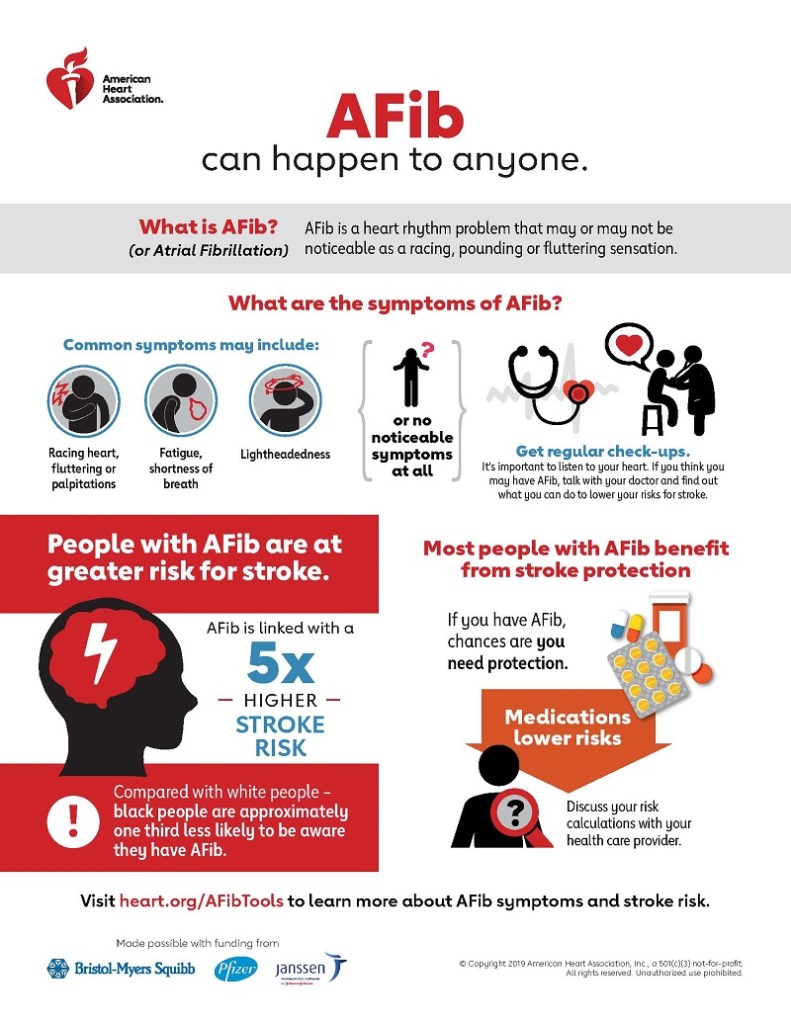
Atrial fibrillation is chaotic and irregular atrial arrhythmia, the prevalence of which increases progressively with age. It causes significant morbidity and death. Many patients are asymptomatic or have symptoms that are less specific for cardiac arrhythmias, such as mild dementia or silent strokes. 

Gregory Lip, Price-Evans Chair of Cardiovascular Medicine, University of Liverpool, gives us an overview of the condition.

Read more on Atrial Fibrillation at BMJ