THE DOCTORS 101 CHRONIC SYMPTOMS & CONDITIONS #5: SCIATICA & BACK PAIN

Chronic back pain and sciatica are very common, and increasing in prevalence. The human back does not seem to have been designed for obesity coupled with sedentary habits. I have had both back pain and sciatica . My wife had surgery in an attempt to control her back pain, my son successfully controlled his back pain with medical treatment, and an 87 year old friend recently had successful micro-neurosurgical treatment.
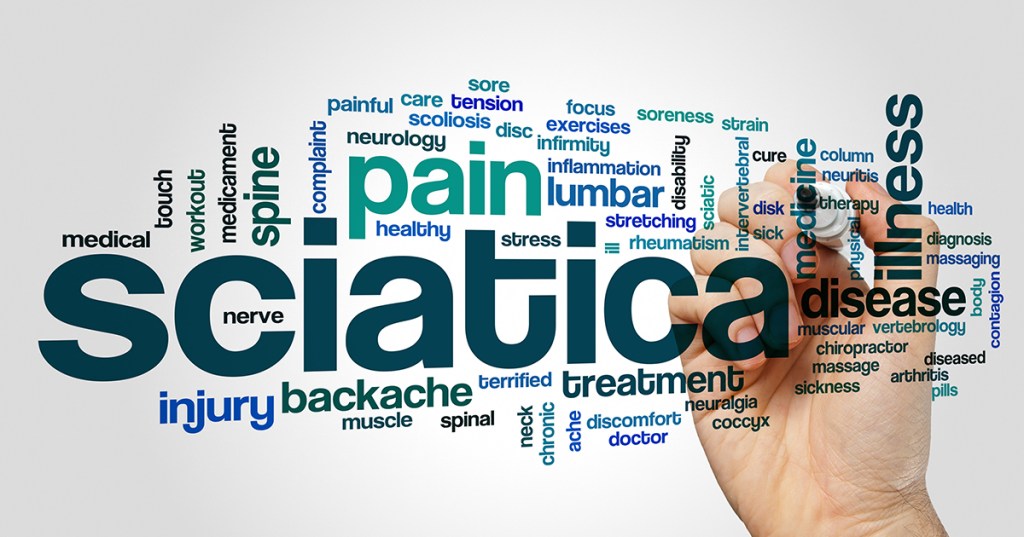
I will summarize these stories and will finish with some generalizations I believe will help those wanting to avoid a lot of misery. The sooner you start the better.

My back pain developed after an ill-advised use of a shovel to get rid of some grass intruding on my asphalt driveway, and caused me to miss work for the only day in 35 years of practice. Sciatica then developed on my left side. I could not sleep flat, and would sit all night in a comfortable chair. A hospital bed helped me outlast the impressive calf pain.

My wife developed severe back pain eventually leading to a “laminectomy and fusion”. Some level of back pain and incapacity plagued her the rest of her life.

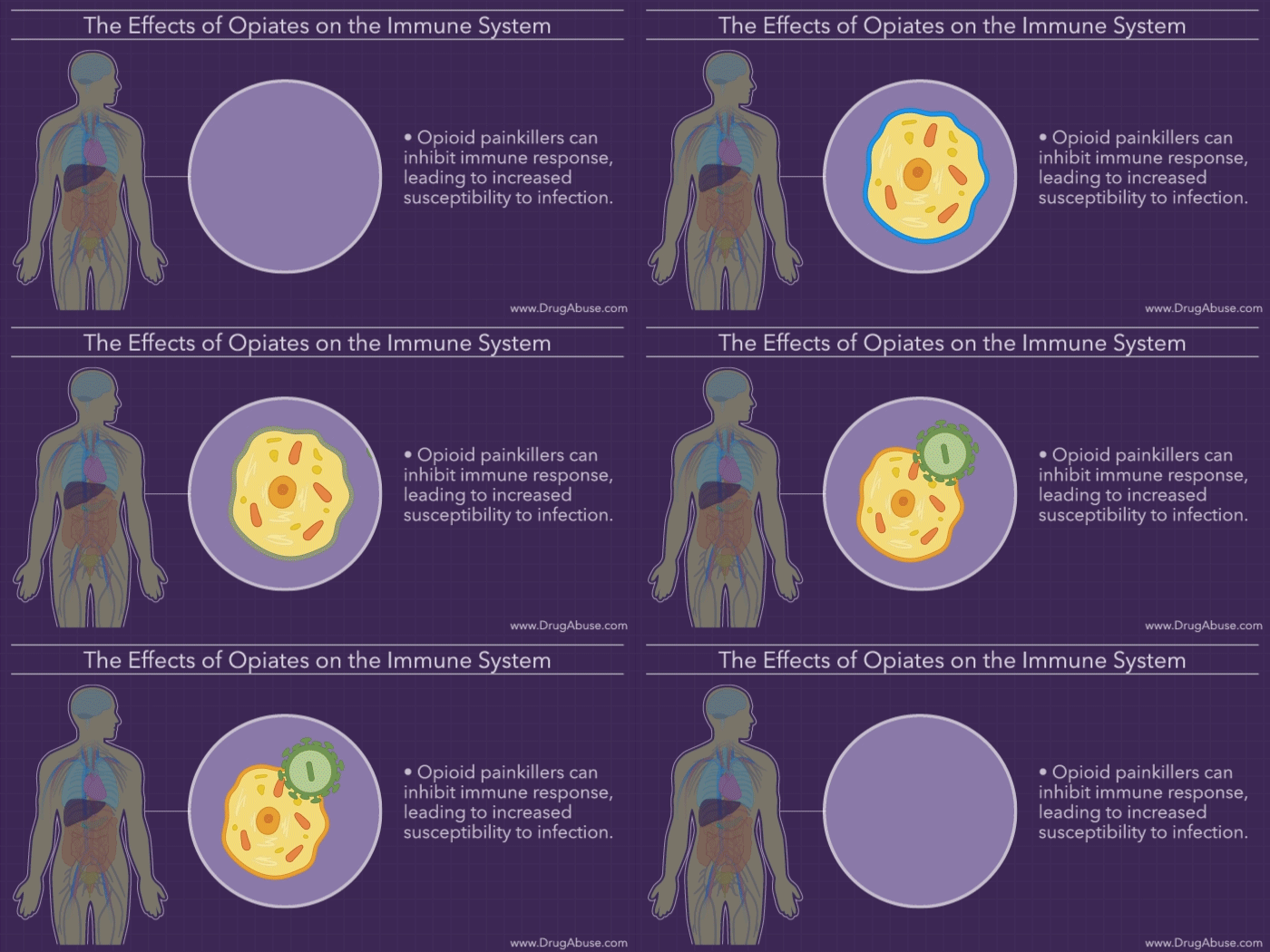
My son developed severe sciatica and went to an Orthopedist. After a CAT scan revealed a rupture disc, he was penciled in for surgery. When asking about alternative treatments, the doctor told him, half laughingly, to lose 20% of his body weight and to start swimming. He went on a 30 day, 1000 calorie/day diet and lost 30 lbs. He has been swimming daily for the past 10 years. He has had no more back pain.
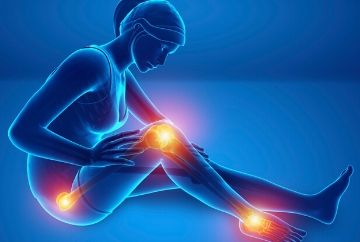
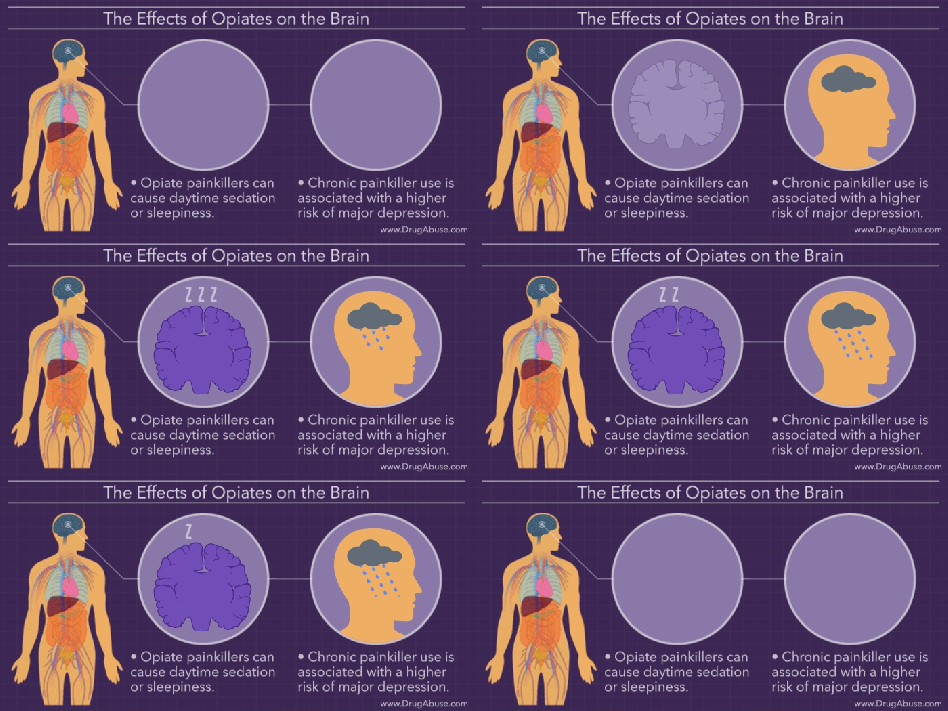
My 87 year old friend developed sciatica on his right side, had no luck with PT and pain meds including opioids. Microsurgery by a neurosurgeon successfully removed his ruptured disc, and he has had little or no pain after the first week.

Sciatica at least has a well defined cause: something is irritating that long nerve which starts in the small of the back and travels to its’ destination in the foot. That something is often an extrusion from an intervertebral disc, a cushion between the block-like vertebral bodies.

This herniation can be confirmed by a CAT scan or MRI, and removed by minimally invasive microsurgery. Beyond that model problem, down through spinal stenosis and ending in chronic back pain, the understanding gets progressively more fuzzy, treatment ever more contrived.

Prevention sounds better and better. The most important thing in preventing back pain is to MAINTAIN A NORMAL WEIGHT. Our backs were not designed for vertically compressive forces. The lock-step increasing incidences of obesity and back/sciatic problems support this idea.

REGULAR EXERCISE is very important. Swimming and walking are 2 of the best forms of exercise. Exercises like running on hard surfaces, jumping in volleyball, and weight lifting seem less optimal.

The ABDOMINAL MUSCLES stabilize the spine, and prevent excessive motion. Walking and swimming both exercise and strengthen the abdominals.
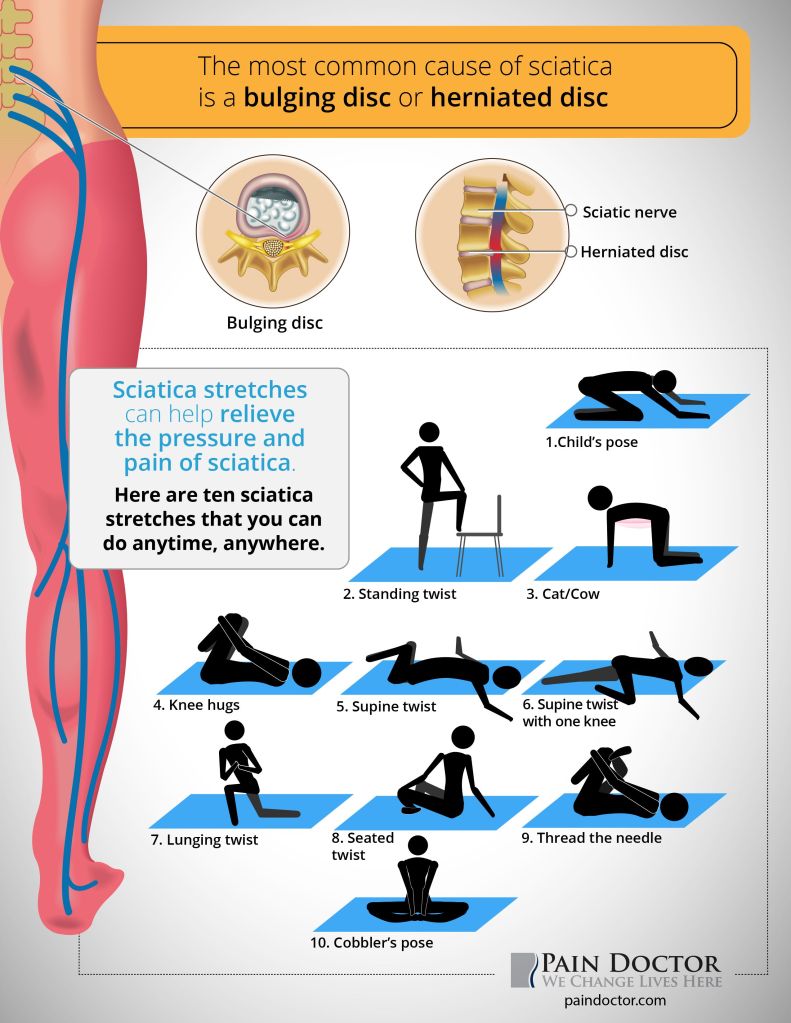
Maintaining FLEXIBILITY and RANGE OF MOTION are important. flexibility will help prevent those unplanned, sudden motions from throwing your back out of alignment, or maybe generating a painful muscle tear.

Finally, getting into the habit of BENDING YOUR LEGS and tensing the stabilizing abdominals when you pick up something on the floor is a help.

I question the wisdom of back surgery for back pain alone, especially if accompanied by spinal fusion. Even when there is sciatica, the statistics show that treatment with surgery is no better than medical therapy after 2 years.

The development of microsurgical techniques may give surgery an edge, however. At the risk of cliche, AN OUNCE OF PREVENTION IS WORTH A POUND OF CURE.
–Dr. C

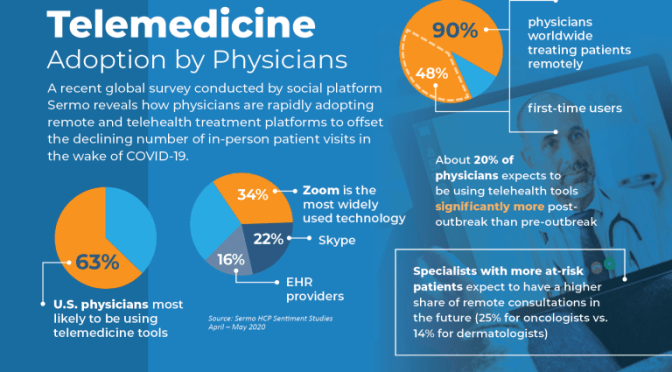
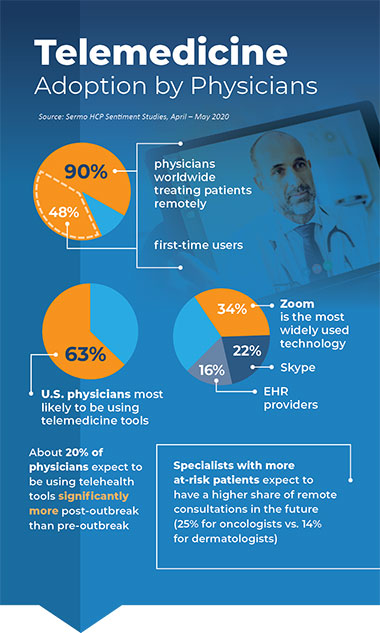
INFOGRAPHIC: “PHYSICIANS ADOPTING TELEMEDICINE”

Diagnostics World (June 30, 2020): The shift from face-to-face patient visits to remote medical appointments is a worldwide phenomenon, but most especially in the U.S., finds a recent global survey conducted by the doctors-only social networking platform Sermo. Unsurprisingly, Zoom tops the list of most-mentioned technologies. About one-fifth of surveyed doctors say they expect to be using telehealth tools “significantly” more post-pandemic than before COVID-19 upended business as usual.

WEBSITE

BLOOD TESTS: THE BENEFITS THAT “COMPREHENSIVE METABOLIC PANELS” REVEAL

One of my nurses who was usually in good health developed chronic complaints. She felt tired all the time and had a variety of aches and pains. She has been going through menopause for a long time but this set of problems seem different. Then she broke her arm after sustaining a minor fall. An investigation was in order. I should order some tests, but which ones?

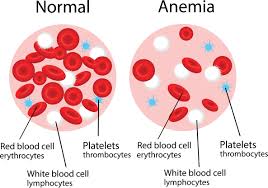
Anemia would explain the fatigue so a CBC was a no brainer. With the surprise fracture, I wanted to cast the net wider, so I ordered a comprehensive metabolic panel.

This is an automated test that was a good value for the amount of information provided, I thought.

Nobody was more surprised than I when the test provided results that were the key to her very rare diagnosis. Her serum CALCIUM was very high, and her alkaline phosphatase was also elevated.

Further evaluation showed her diagnosis to be PRIMARY HYPERPARATHYROIDISM.

Removal of her abnormal parathyroid gland was curative. I have been a big fan of the Comprehensive Metabolic  Panel ever since.

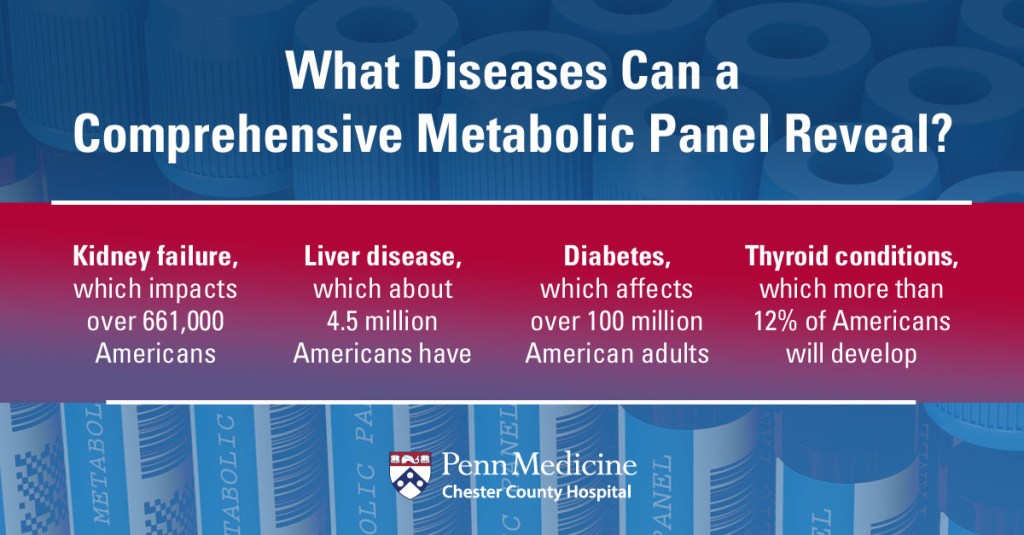
The Panel of 14 tests includes:

  • Glucose – an essential test to check in Diabetes, Seizures and Coma.
  • Sodium, Potassium, Chloride, and CO2 and the associated Anion Gap – can be abnormal in a variety of accidents, and other conditions.
  • BUN and Creatinine – cleared by the kidneys, and become elevated in Renal, or Kidney conditions.
  • Calcium and alkaline phosphatase – reflect bone metabolism, and are sensitive to Vitamin D and parathyroid hormone, as in my nurses case.
  • Albumin and Globulin – important blood proteins. Globulins contain the   important immunoglobulins. A variety of conditions will influence their values.
  • AST (SGOT) and ALT – elevated in liver disease

Type in “Comprehensive Metabolic Panel” in google, and choose from the variety of “hits” to get more information about this “ Sherlock Holmes’ Magnifying Glass” for Physicians.

Medicine would be hard pressed to do without it!

Dr. C.

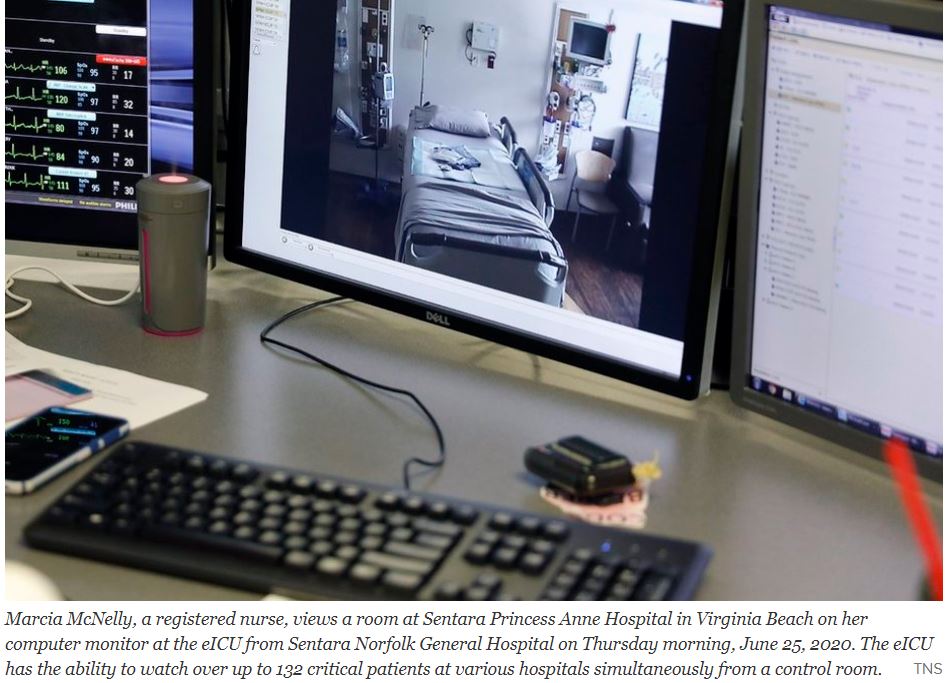
TELEMEDICINE: SENTARA HEALTHCARE IN VIRGINIA OVERSEES 132 CRITICAL PATIENTS WITH ITS “E-ICU”

From ‘Government Technology’ (June 29, 2020):

The hospital system — the first in the country — wired bedside video cameras and microphones on a secure network in 2000 so a medical team could monitor patients at multiple hospitals’ intensive care units from one command center around the clock.

When Sentara Healthcare first launched its “eICU,” the plan was to provide an extra set of eyes on critical patients, especially overnight when staffing was down to a skeleton crew.

Before the coronavirus arrived in Virginia, the average number of telemedicine visits within Sentara Medical Group was about 20 a day. Now, it is more than 2,000 a day, according to the company. Between March and June 21, its clinicians had 314,000 total patient visits, with about 51 percent of them happening virtually.

Sentara Healthcare Website

Read full article

COMMENTARY

Telemedicine has been slowly developing for 10 or 20 years. The models have been developing according to the requirements of their local areas.

Dartmouth deals with a rural area and has sophisticated aid to it’s associated hospitals and transportation systems to bring Stabilized  patients to the main hospital.

Sentara deals with a more urban area and has a central brain aiding the peripheral hospitals in the delivery of treatment locally.

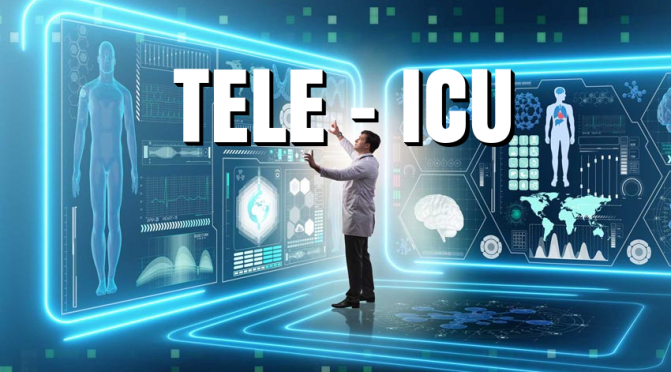
The Tele intensive care unit system of Santara features a central ” Mission  Control” With patients in multiple peripheral Intensive care units connected by telemetry. This efficient system allows the peripheral ICUs to operate at a higher level with less staff.

Such telemetry could allow convalescent hospitals and even nursing homes to improve medical care.

With such excellent models one can hope that American medicine will rapidly improve in the post Covid era, riding the wave of telehealth advances.

—Dr. C.

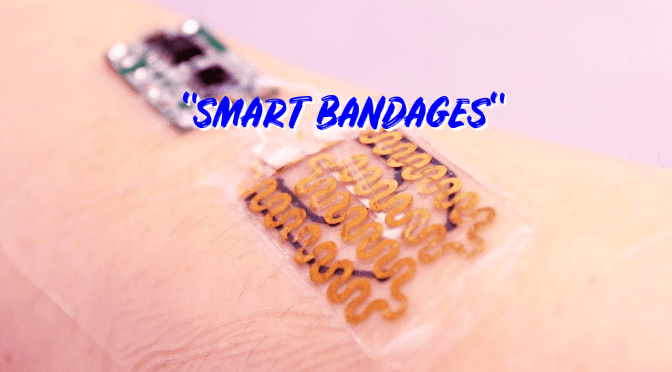
NEW TECHNOLOGY: SMART BANDAGES – “A HEALING REVOLUTION” (TUFTS VIDEO)

On the 100th anniversary of the Band-Aid, Tufts engineer Sameer Sonkusale is working to make “smart” bandages.

COMMENTARY

The Tuft’s video talks about transforming the Band-Aid into a detector that can warn of infection, or even exude the proper antibiotic. This would certainly be Applicable to Convalescent homes where people can’t monitor their own healing.

I am Looking forward to the time when the bandage will provide a matrix for the body’s regenerative cells to spread out and cover the wound more rapidly. Possibly someday the regenerative cells themselves can be applied.

—Dr. C.

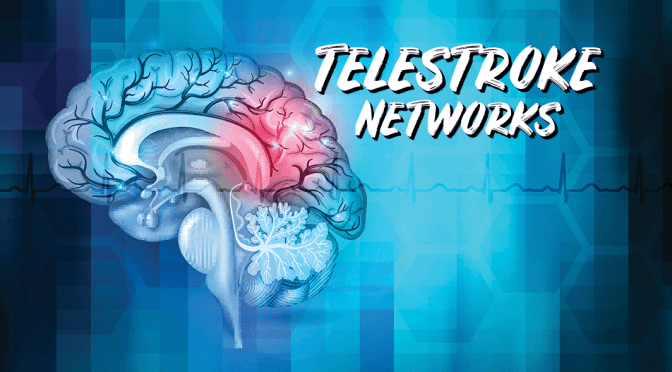
TECHNOLOGY: “TELESTROKE” NETWORKS ARE SAVING LIVES

From Fast Company article (June 26, 2020):

An increasing number of hospitals are now equipping emergency vehicles to treat stroke patients while en route to the ER. UCHealth is a health system in Colorado that has a tricked-out ambulance, the Mobile Stroke Treatment Unit. A neurologist at the hospital is connected wirelessly through telehealth to the vehicle. First responders’ gear includes portable CT scanners and tPA.

Currently, there are also more than two dozen telestroke networks in the United States. At the hub of each is a large hospital with on-call neurologists, and broadband that connects the hospital directly to satellite hospitals and clinics. There’s always a neurologist on call to guide the smaller hospital staffs’ treatment of a stroke patient.

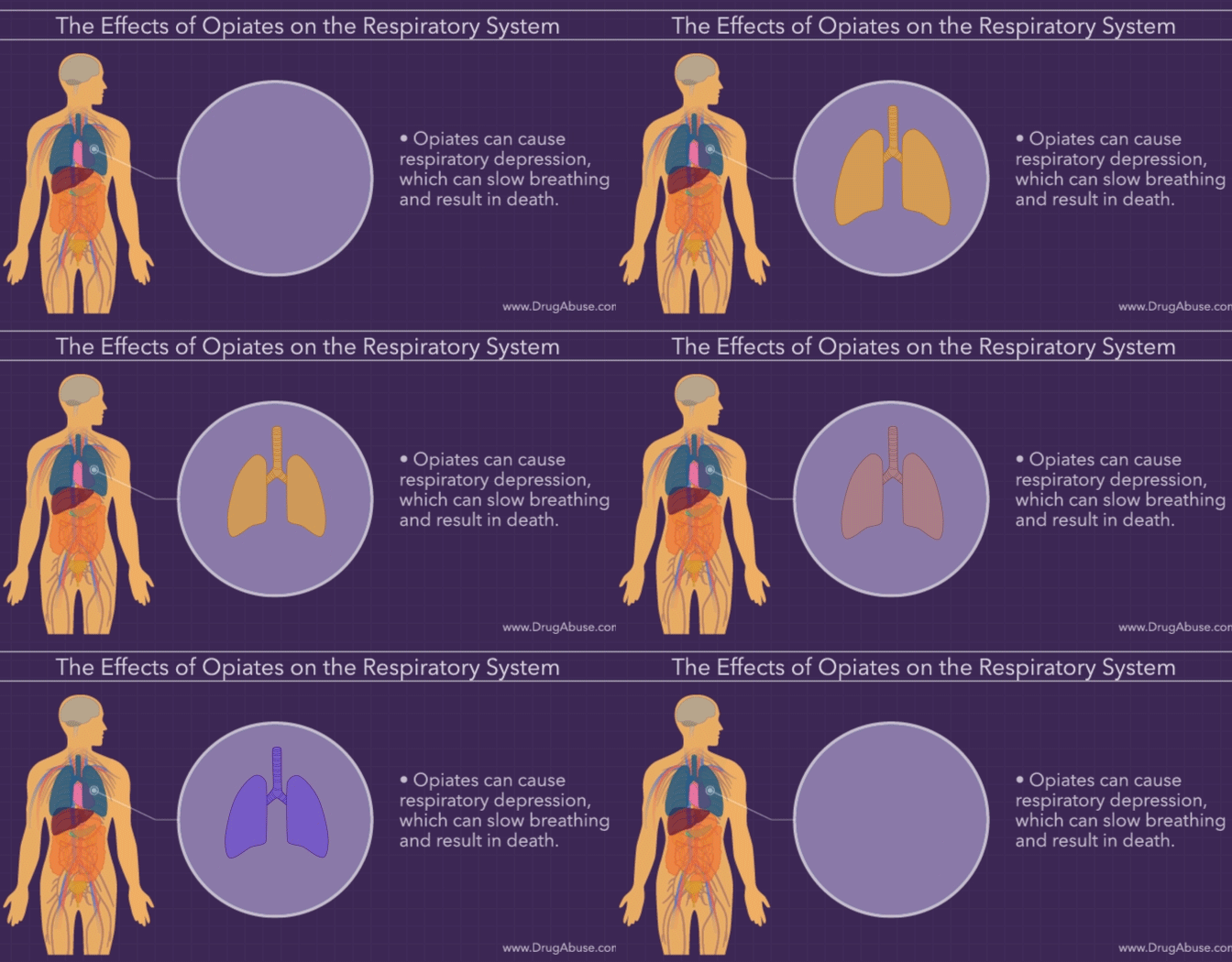
When I had a stroke five years ago at 10:20 on a Saturday night, telehealth saved my life. At the time, only 3% to 5% of people in the United States were able to get the “clot-busting” drug called tPA in time to avoid brain damage.

In addition to offering telestroke capabilities, healthcare providers should equip emergency vehicles with portable ultrasound devices and defibrillators. Rural communities can consider strategically deploying high-powered wired and wireless hotspots in case patients need immediate medical attention while still en route to the hospital. Following natural disasters such as earthquakes or floods, mobile hotspots configured for telehealth could be helicoptered into isolated communities.

Read full article

COMMENTARY

SPEED is especially important when a blood clot blocks an artery servicing an important organ. Our Heart and BRAIN top the list of vital organs. TELESTROKE  showcases Telemedicine at its best.

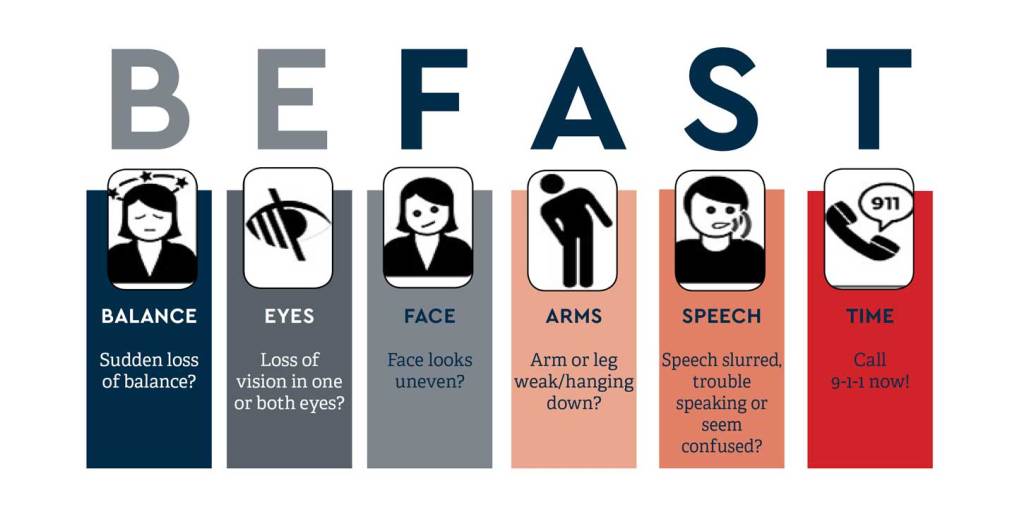
RECOGNITION of a stroke is a weak link in the chain of prompt Brainsaving treatment, and a Mnemonic helps.

—Facial assymetry or drooping
—Arm or leg weakness on one side
—Speech disturbance
—Time is all important

FAST is a good mnemonic, and adding B for balance and E for Eye, or vision loss, for BEFAST gives 2 more parameters to think about.

Living alone adds to the challenge, so be as focused as you can. I was interested to hear that some TELESTROKE ambulances are adding mobile CT and drug (tpa) capabilities, in addition to TELECONFERENCING with a NEUROLOGIST. Treating a stroke within 15 minutes is becoming a possibility.

So particularly if you have risk factors such as hypertension, diabetes or obesity, be on the alert for symptoms of stroke.

—Dr. C.

THE DOCTORS 101 CHRONIC SYMPTOMS & CONDITIONS #4: HEARTBURN (ACID REFLUX)

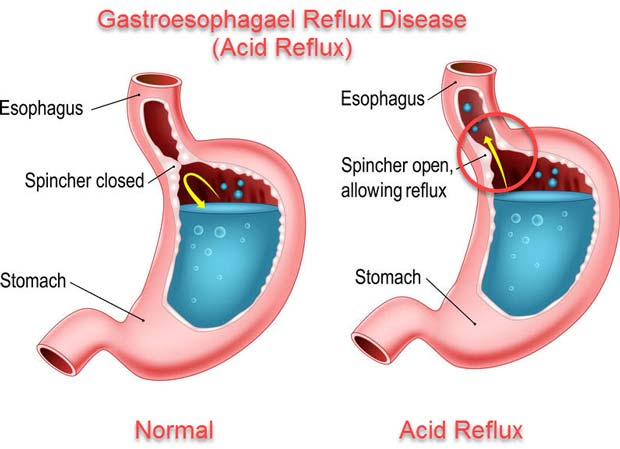
I have been having Heartburn for more than 40 years. The cause of Heartburn is leakage of acid from the stomach, where tissues have evolved to tolerate the highly acidic conditions, into the esophagus, where they haven’t.

The young body has an efficient, functional gate, or sphincter, keeping the food, once swallowed into the stomach, from coming back up. As you eat, you chew your food well to aid digestion. Your taste buds, sensing chemicals in the delicious food, activate saliva.

The salivary enzymes start the digestion of the carbohydrates in the food. If you eat slowly enough, you may be able to appreciate the digestion of tasteless starch, like in bread, into sweet sugar, right in your mouth.

You then swallow the food, which slips past another gate, called the epiglottis, diverting the bolus of food past your windpipe. This gate sometimes does not shut tight, and you choke on the food or drink. The food is then conducted into the highly acidic environment of the stomach.

The stomach evolved to be an acidic, “fiery pit”, inhospitable to any bacteria that came in with the food, thus protecting the stomach from infection. In the old days, there were a lot of bacteria, and the acidity of the stomach was useful, and evolutionarily conserved.

These days, the “fiery pit” tends to be a problem. As you get older, the gate that keeps food in the stomach gets more floppy and relaxed, and allows food to come back up into the esophagus, and sometimes, most often at night when you would rather be sleeping, all the way up to your throat, and is inhaled into your windpipe and lungs in what is called “gastroesophageal reflux”, or GERD.

Even if the food, and acid, doesn’t make it all the way up, and stops at the esophagus, which has not evolved to tolerate acid, you will have “heart burn”. Of course it is not the heart that is burning, but the esophagus, which runs right past the back of the heart as it goes all the way from the throat to the stomach.

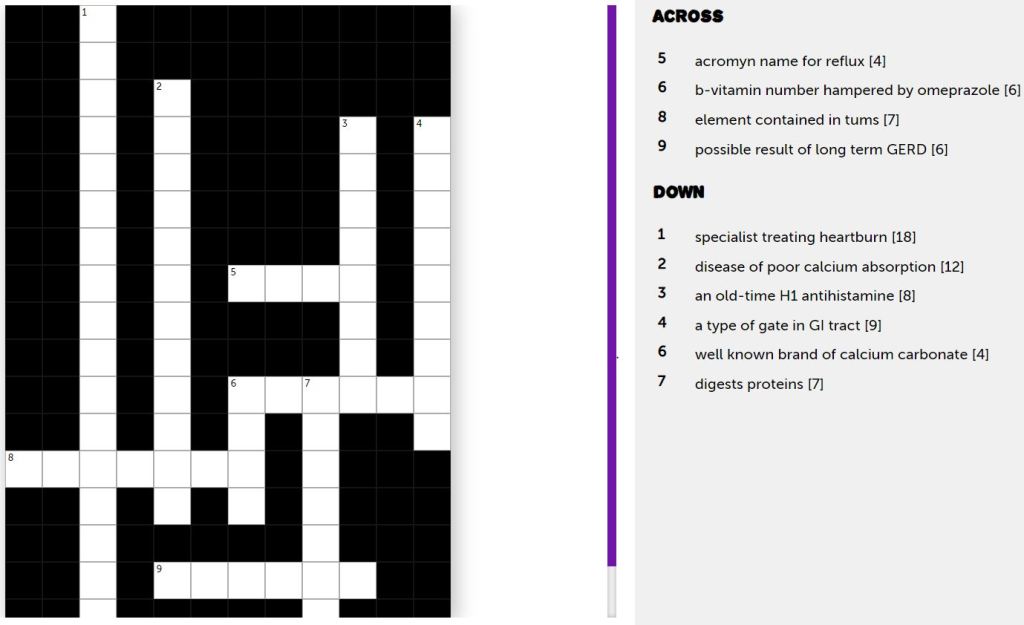
When I first developed Heartburn, all that was available was the flavored chalk, Calcium Carbonate, sold as Tums. It works right away, and is a source of Calcium, but can cause trouble, like kidney stones, if you take too much. The relief didn’t last long enough for me, and I had to take more in the middle of the night.

My next medicine was Xantac, a medication that blocks histamine from stimulating acid production in the stomach. The H2 blockers have recently been recalled because of NDMA contamination. I sometimes used H2 blockers like Xantac when my patients would get a bad allergic reaction. In such cases BOTH an H1 blocker like Benadryl, and an H2 blocker are called for.

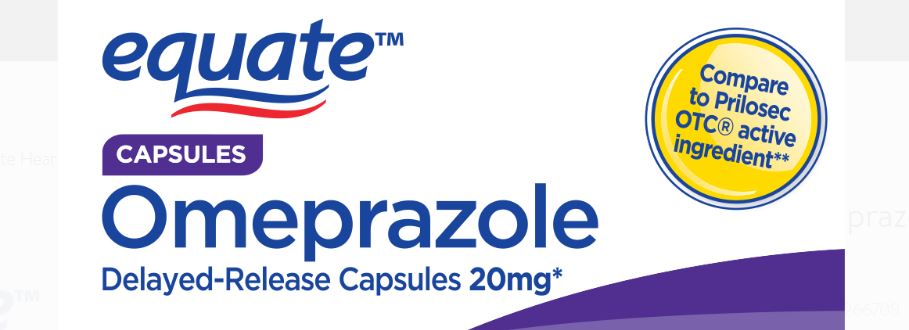
Zantac was not strong enough for me, and I soon graduated to Prilosec,which directly blocks the secretion of acid in the stomach.

Prilosec was then very expensive, but now is available as the inexpensive GENERIC Medication, Omeprazole. It seems that no medication is without side effects.

Omeprazole, by reducing stomach acid, makes stomach and GI infections more likely, and interferes with the absorption of B12, and Calcium.

If you have had a lot of heartburn over a long period of time, you should check with a Gastroenterologist, who may scope you to rule out Barritt’s esophagus, which can lead to Cancer.

It is interesting that the antacid Tums in excess can cause too MUCH Calcium in the body, and can cause kidney stones and other kidney problems like MAS, and Omeprazole, by interfering with absorption can cause too LITTLE absorption of Calcium, leading to OSTEOPOROSIS.

The best rule is to take as low a dose of ANY medication as possible, preferably none, to understand the possible side effects, and compensate for them if you can.

–Dr. C

Empowering Patients Through Education And Telemedicine