
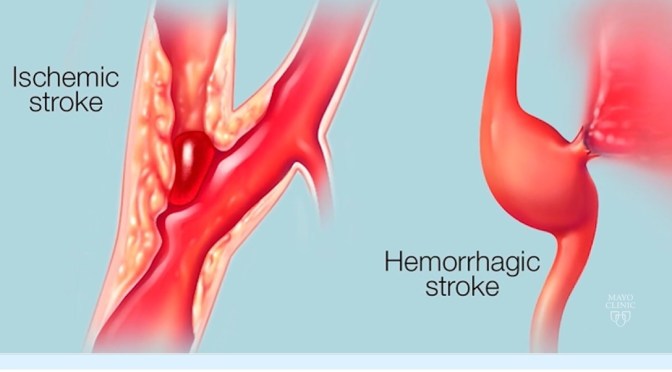
Mayo Clinic’s Eugene L. Scharf, M.D., Robert D. Brown Jr., M.D., M.P.H. and Harry Cloft, M.D., Ph.D. discuss how the team at Mayo Clinic provides each patient individualized care to help maximize quality of life. 700,000 to 800,000 people in the United States have a stroke each year. Many people can lower their risk of stroke with medical risk factor modification. When a stroke occurs, prompt treatment is crucial. Every minute counts and can reduce brain damage and other complications. “Some patients who would have had a devastating stroke come out of the hospital with no deficient, no difficulties whatsoever,” says Robert D. Brown Jr., M.D., M.P.H.

Chronic Conditions: Non-Union Bone Fractures

DOCTORS PODCAST: MEDICAL & TELEHEALTH NEWS (APR 3)
A weekly podcast on the latest medical, science and telehealth news.
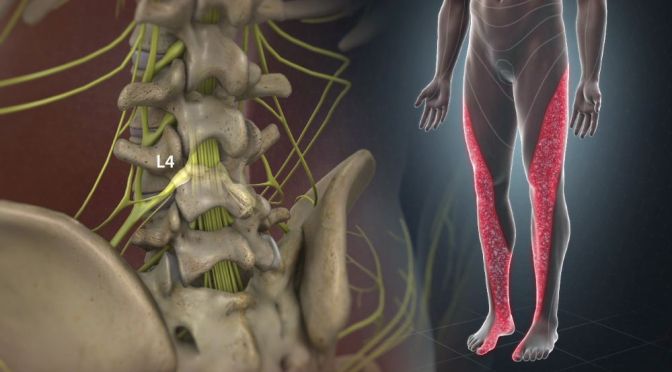
Back Pain: The Causes & Symptoms Of Sciatica
Sciatica refers to pain caused by the sciatic nerve that carries messages from the brain down the spinal cord to the legs. The pain of sciatica typically radiates down one side from the lower back into the leg, often below the knee. The most common cause is a bulging (“herniated”) disc in the lower back. Discs are tire-like structures that sit between the bones of the spine. If the outer rim of the disc tears, usually due to routine pressure on the lower back, the jelly-like inner material can come out and pinch or inflame the nearby nerve. Sciatica is most common in people 30 to 50.
How do you know if it is sciatica?
The key to diagnosing sciatica is a thorough history and a focused exam. Sciatica symptoms are often worse with sitting or coughing and may be accompanied by numbness or tingling in the leg. A physical exam can confirm that the sciatic nerve is involved. If there is muscle weakness or diminished reflexes in the involved leg, an imaging test such as a back MRI can be useful and help guide a decision for early surgery.
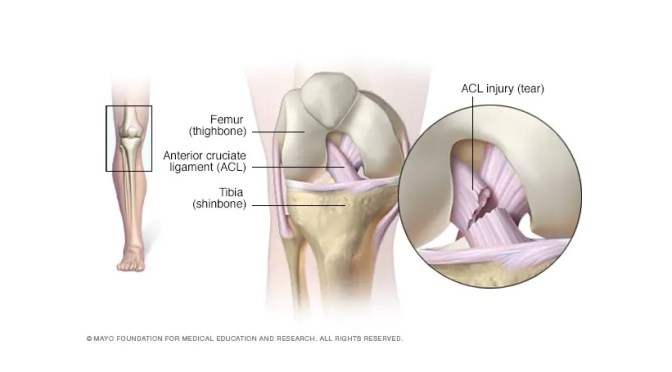
Knee Injuries: Options For ACL Surgery (Mayo Clinic)

Newsletters: Tufts Health & Nutrition – April 2022


Health: Four Tests For Chronic Inflammation
These are four of the most common tests for inflammation:
- Erythrocyte sedimentation rate (sed rate or ESR). This test measures how fast red blood cells settle to the bottom of a vertical tube of blood. When inflammation is present the red blood cells fall faster, as higher amounts of proteins in the blood make those cells clump together. While ranges vary by lab, a normal result is typically 20 mm/hr or less, while a value over 100 mm/hr is quite high.
- C-reactive protein (CRP). This protein made in the liver tends to rise when inflammation is present. A normal value is less than 3 mg/L. A value over 3 mg/L is often used to identify an increased risk of cardiovascular disease, but bodywide inflammation can make CRP rise to 100 mg/L or more.
- Ferritin. This is a blood protein that reflects the amount of iron stored in the body. It’s most often ordered to evaluate whether an anemic person is iron-deficient, in which case ferritin levels are low. Or, if there is too much iron in the body, ferritin levels may be high. But ferritin levels also rise when inflammation is present. Normal results vary by lab and tend to be a bit higher in men, but a typical normal range is 20 to 200 mcg/L.
- Fibrinogen. While this protein is most commonly measured to evaluate the status of the blood clotting system, its levels tend to rise when inflammation is present. A normal fibrinogen level is 200 to 400 mg/dL.
Commentary:
Inflammation is an essential, evolutionarily conserved mechanism that our bodies have developed for excluding infections, toxins, and damaged or cancerous cells.
Acute inflammation in response to infections is almost always beneficial, except where it is disproportionate to the danger that it fights; the common cold is probably innocuous, but we develop symptoms from our bodies’ response. Covid has been found to incite disproportionately severe inflammation, which can lead to severe disease, and the need for corticosteroids.
Chronic inflammation is a different animal, and is usually undesirable. Sometimes it is due to an infection, such as tuberculosis, which won’t go away. Sometimes the bodies immune system develops a disordered communication system, and fights its own cells, called auto immunity.
Chronic inflammation can also be caused by obesity, chronic stress, cigarette smoking, alcohol in excess, and cancer, which can also be CAUSED BY chronic inflammation.
Chronic inflammation is also associated with Alzheimer’s, heart disease, rheumatoid arthritis, and type two diabetes. Asthma is a chronic inflammatory disease of the airways. IBD, inflammatory bowel disease, is a chronic inflammatory disease of the intestinal tract.
The symptoms of chronic inflammation very widely depending on the area involved. Abdominal pain, chest pain, joint pain, skin rashes, fatigue, and fever are some of the symptoms.
You can reduce your likelihood of chronic inflammation by maintaining normal weight, having regular exercise, eating a diet rich in natural vegetables and fruits (antioxidants), avoiding alcohol and cigarette smoke, and by reducing or handling your stress.
—Dr. C.
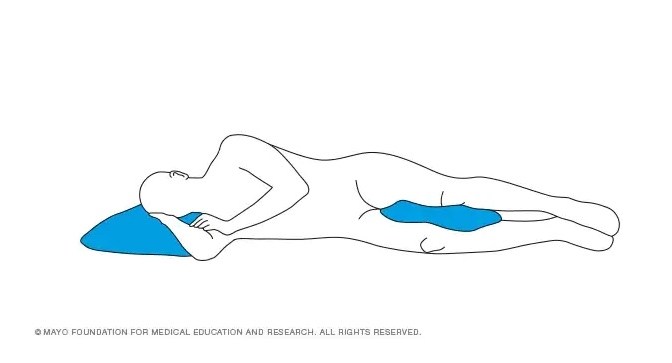
Mayo Clinic: What Are The Best Sleeping Positions?
Back-sleepers beware. “I know many people find it to be comfortable, because they’re not putting weight on their joints,” says Dr. Lois Krahn, a Mayo Clinic sleep specialist. But Mayo Clinic experts say sleeping on your back is actually the worst sleeping position, especially if you have sleep apnea. “Sleeping on the back means that your tongue and jaw can fall down and crowd your airway. And many people snore more on their back,” says Dr. Krahn. Sleeping on your stomach helps keep the airway open, but it can put a strain on your spine and neck. “There’s a host of evidence overall suggesting that probably sleeping on the side is better,” says Dr. Virend Somers, a cardiologist and director of the sleep facility within Mayo Clinic’s Center for Clinical and Translational Science.
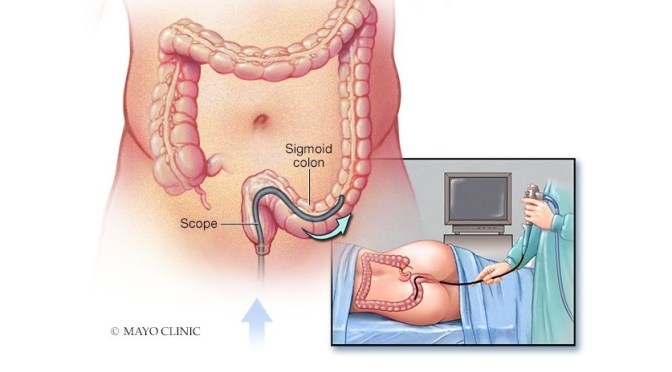
Procedures: The Benefits Of A Sigmoidoscopy Exam
A flexible sigmoidoscopy is an exam used to evaluate the lower part of the large intestine (colon). During a flexible sigmoidoscopy exam, a thin, flexible tube (sigmoidoscope) is inserted into the rectum.
A tiny video camera at the tip of the tube allows the doctor to view the inside of the rectum, the sigmoid colon and most of the descending colon — just under the last 2 feet (about 50 centimeters) of the large intestine. If necessary, tissue samples (biopsies) can be taken through the scope during a flexible sigmoidoscopy exam.
Flexible sigmoidoscopy doesn’t allow the doctor to see the entire colon. As a result, flexible sigmoidoscopy alone can’t detect cancer or small clumps of cells that could develop into cancer (polyps) farther into the colon.
DOCTORS PODCAST: MEDICAL & TELEHEALTH NEWS (MAR 27)
A weekly podcast on the latest medical, science and telehealth news.
 Doctors Without Waiting Rooms